Corsets, Carriages, and Concealment: The Everyday Objects of Prohibition Smuggling
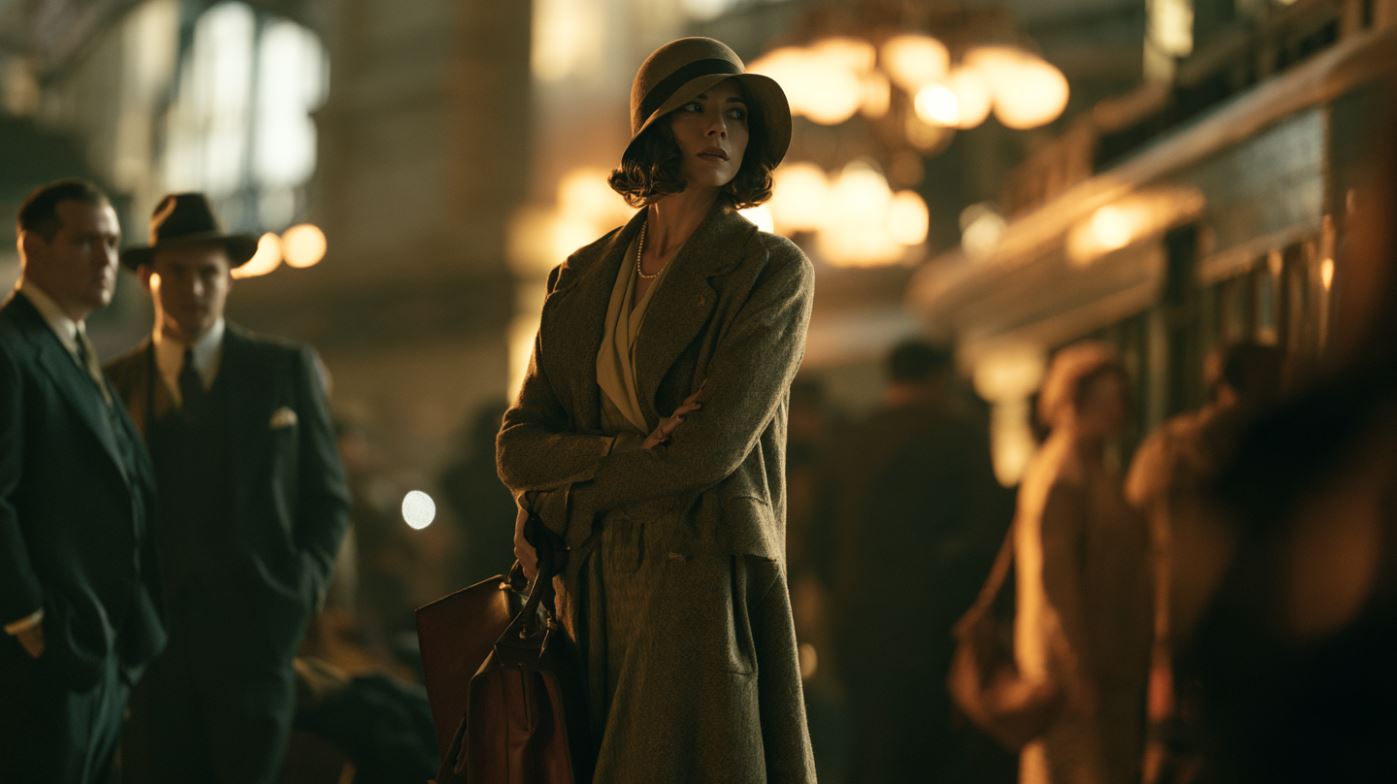
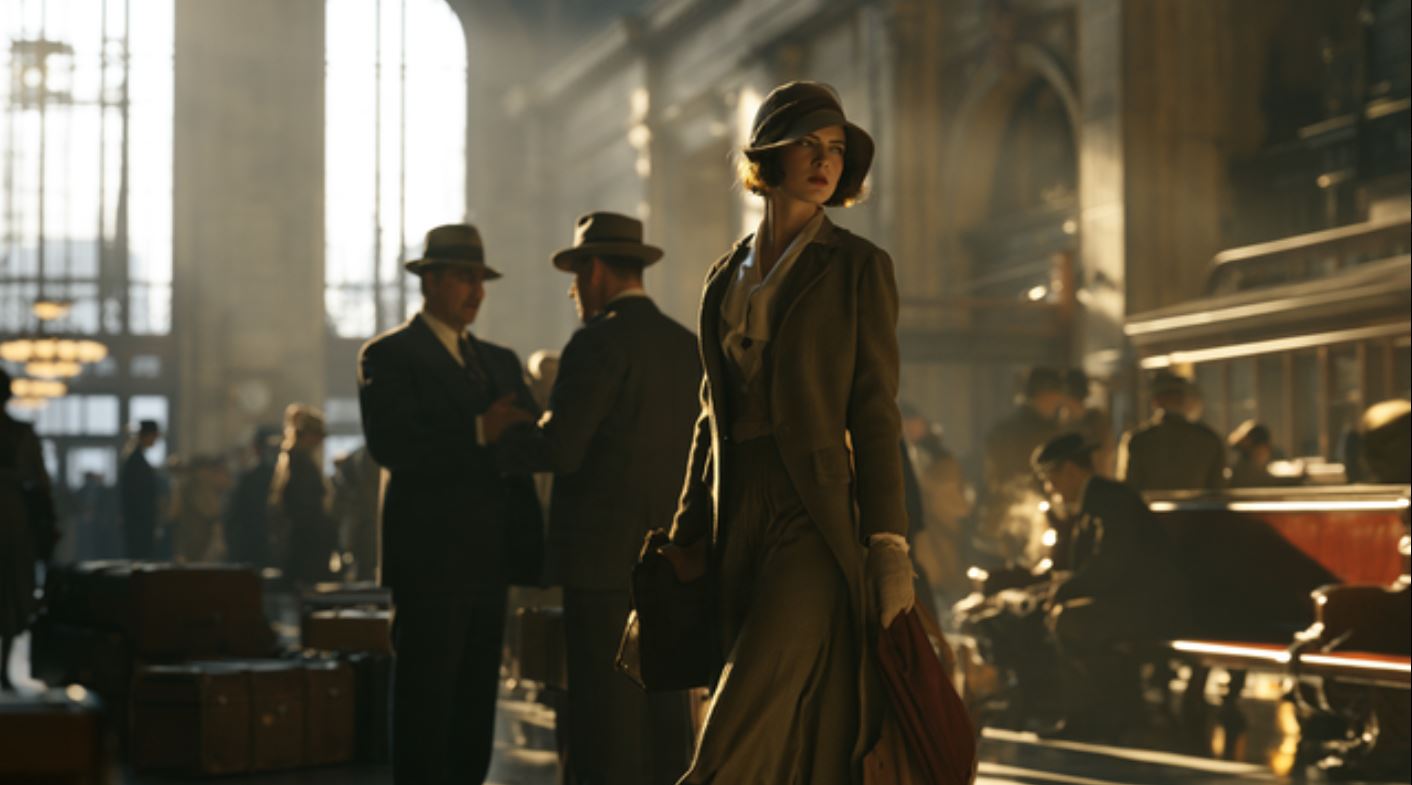
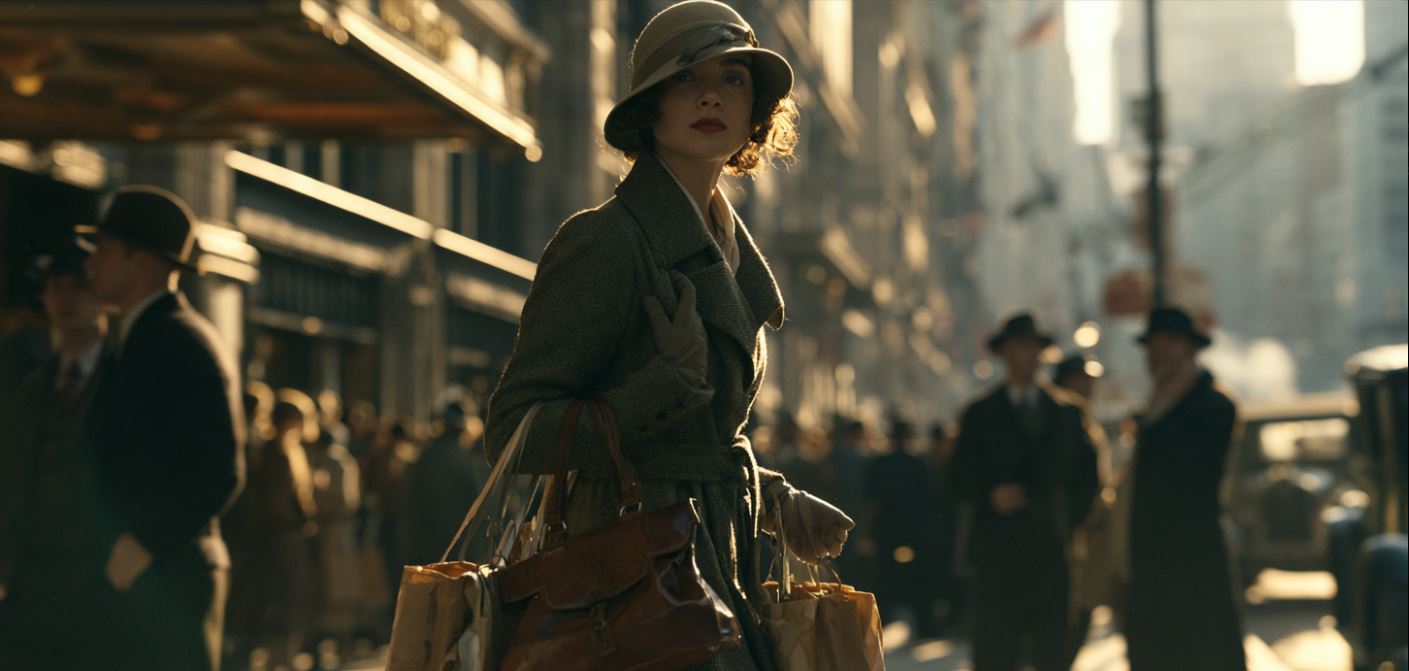
During Prohibition, the difference between an ordinary errand and an illegal liquor delivery could be as small as what a woman carried beneath her coat. While federal agents searched trucks, inspected warehouses, and watched suspicious activity along America’s waterfronts, liquor could travel through city streets disguised as part of everyday life. A shopping parcel, a grocery basket, or a handbag offered an innocent-looking cover for contraband, while the clothing and accessories of the period provided additional opportunities for concealment. The objective was not necessarily to invent an elaborate hiding place. It was to make illegal cargo look so ordinary that nobody thought to question it.
| The Courier’s Disguise: How Female Bootleggers Hid In Plain Sight |
Undergarments, including corsets, have become enduring symbols of the ingenuity associated with female smugglers. Close-fitting garments could, in principle, conceal small items beneath ordinary clothing, although the practical limits were considerable: glass bottles were bulky, uncomfortable to carry, and difficult to hide without changing a person’s appearance or movement. The idea nevertheless illustrates the central advantage women could sometimes exploit. An officer looking for a bootlegger might expect a suspicious man carrying a heavy package, not a fashionably dressed woman traveling with what appeared to be her personal belongings. Concealment depended as much on the observer’s assumptions as on the object itself, and the most successful deception was often the one that attracted no attention at all.
| What Arrest Records Reveal: The Women Behind Prohibition’s Liquor Trade |
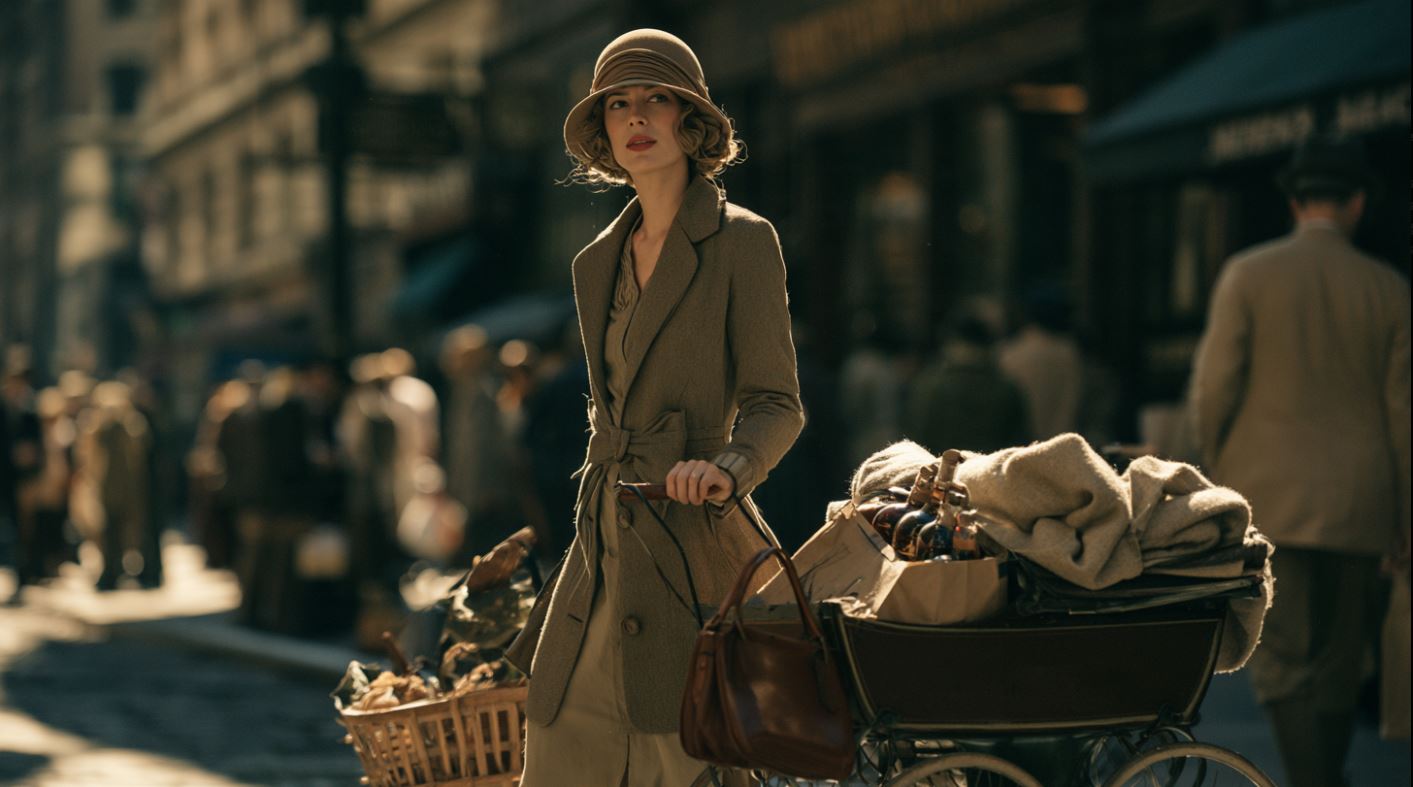
Baby carriages offered another intriguing possibility. A woman pushing a stroller or pram could appear to be occupied with an entirely routine domestic task, while blankets, shopping parcels, and other everyday necessities provided a natural-looking setting for carrying belongings. Grocery bags and market baskets could serve a similar purpose, allowing small quantities of liquor to blend into the flow of ordinary shopping. These methods should not be treated as universal practices without specific historical evidence; individual arrests and contemporary reports are needed to establish which concealment techniques were actually used in particular cases. Their significance lies in the broader principle they represent: familiar objects could become useful tools in a clandestine distribution system.
The transformation of domestic objects into criminal infrastructure reveals something important about the social landscape of Prohibition. Women’s clothing, household errands, and childcare were associated with respectable civilian life, and those associations could sometimes provide cover for illicit activity. A woman carrying groceries was not automatically viewed as a participant in the underground liquor trade, just as a man in a business suit was not automatically suspected of running a bootlegging operation. The objects themselves were unremarkable; their significance depended on what they concealed and where they were going. In the hands of a courier, the ordinary could become commercially valuable.
| Women in the Mafia Nightlife: Power Behind the Bar |
Yet concealment was never foolproof. Bulky cargo could attract attention, bottles could break, and an unexpected search could turn a routine journey into a criminal prosecution. A courier also had to consider the risks beyond arrest, including losing valuable merchandise or revealing the identity of the person who supplied it. The ingenuity of these methods should not obscure the uncertainty and danger involved in moving illegal alcohol through public spaces. Every successful delivery depended on a combination of planning, circumstance, and luck.
Perhaps that is what makes the image of corsets, carriages, and grocery parcels so revealing. Prohibition’s underground economy did not operate exclusively in hidden cellars, smoky back rooms, or guarded warehouses. It also moved through the visible, familiar spaces of everyday American life. A domestic object could serve a second purpose without changing its appearance, and a seemingly routine errand could become one small link in a much larger commercial operation. Behind the respectable exterior, the liquor trade found ways to keep moving—and sometimes its most useful disguise was something nobody thought worth a second look.