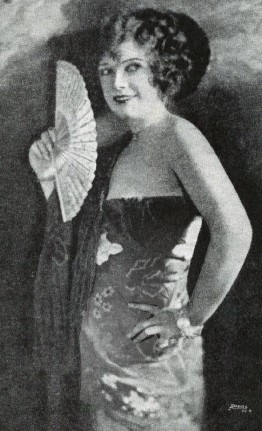
“Hello, Suckers!”
The Greeting That Turned Prohibition Into a Performance
There were plenty of ways to announce your arrival in a New York speakeasy
during Prohibition. You could knock on an unmarked door, whisper a password to
a suspicious-looking doorman, or wait while someone inspected you through a
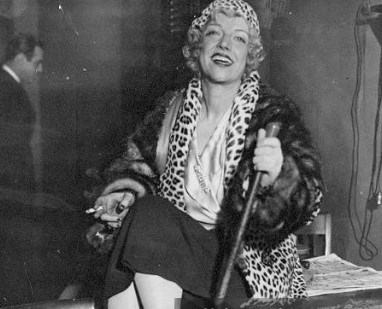
peephole. But if you happened to walk into one of Texas Guinan’s nightclubs,
the greeting was likely to be considerably louder, more colorful, and delivered
with a smile that could sell a bottle of bootleg champagne to a prohibition
agent.
“Hello, suckers!”
It was more than a greeting. It was a trademark, a punchline, a sales pitch,
and a perfectly calculated acknowledgment that everyone in the room was
participating in something illegal. Guinan understood that the best way to deal
with the dangers of Prohibition was not to pretend they didn’t exist. It was to
turn them into entertainment.
Her greeting captured the spirit of an era in which respectable businessmen
drank illegal liquor, politicians rubbed shoulders with bootleggers, and
wealthy socialites paid good money to spend an evening somewhere the law said
they shouldn’t be. Everyone knew the rules. Everyone knew the risks. But inside
Guinan’s nightclub, the rules seemed to belong to somebody else.
And that was precisely the attraction.
The Art of Making Everyone a Sucker
Guinan was an entertainer long before she became one of the most
recognizable personalities in New York’s underground nightlife. She understood
timing, audience participation, and the importance of giving people something
they would remember long after the music stopped.
Her clubs were not simply places where customers purchased drinks. They were
theatrical productions in which the audience paid for admission and then became
part of the show. Guinan worked the room, greeted customers, exchanged insults,
delivered jokes, and made wealthy patrons feel as though they had entered a
private world where ordinary social conventions no longer applied.
The phrase “Hello, suckers!” was particularly effective because it
worked on several levels. To the wealthy customer, it was a playful insult. To
the reporter, it was a memorable quotation. To the casual observer, it was a
glimpse into the personality of a woman who seemed completely unbothered by the
illegal business surrounding her.
And to Guinan, it was advertising.
The men and women who entered her establishments weren’t necessarily looking
for a quiet drink. They wanted excitement, exclusivity, and a little danger.
They wanted to feel that they were getting away with something. Guinan gave
them permission to enjoy the experience without pretending that they were
innocent.
The joke was that they were all suckers, but they were willing participants
in the performance.
Prohibition’s Most Profitable Punchline
The genius of Guinan’s greeting becomes clearer when viewed against the
atmosphere of the 1920s. The federal government had attempted to eliminate the
manufacture and sale of alcoholic beverages through the Eighteenth Amendment
and the Volstead Act. Instead, it helped create an enormous underground market
in which bootleggers, smugglers, corrupt officials, and nightclub operators
could make fortunes.
For customers, however, Prohibition offered something beyond access to
liquor. It offered an opportunity to rebel against the respectable world
without necessarily abandoning its privileges.
A businessman could spend the evening drinking illegal champagne, then
return to his office the following morning and discuss contracts. A politician
could enjoy the company of nightclub entertainers while publicly supporting law
and order. A wealthy society woman could dance until dawn in an establishment
that might be raided before the weekend was over.
Guinan’s greeting exposed the absurdity of the arrangement. Everyone was
pretending that the nightclub was a private entertainment establishment,
everyone knew the liquor was illegal, and everyone was perfectly happy to play
along.
The phrase also helped separate her establishments from the anonymous
speakeasies scattered throughout Manhattan. A nameless drinking room might
offer liquor, music, and a little excitement. Texas Guinan offered an identity.
Customers weren’t simply visiting another illegal nightclub; they were entering
the world of a woman whose personality had become part of the attraction.
That distinction was commercially valuable. A good nightclub needed liquor,
but a famous nightclub needed customers who wanted to be associated with its
reputation.
| Why Enforcement Looked the Other Way: Gender, Prohibition, and the Limits of the Law |
A Wink at the Criminal World
There was another reason the greeting worked so well: it acknowledged the
criminal nature of the business without making the atmosphere feel threatening.
Prohibition nightlife depended on an unusual balance. The liquor supply might
be controlled by men with dangerous reputations, the clubs might operate
through questionable arrangements, and the police might appear without warning,
but customers wanted to believe they were entering a world of glamour rather
than a criminal enterprise.
Guinan understood the distinction.
She wasn’t standing behind the bar discussing distribution routes, liquor
shipments, or the men who made sure the bottles arrived. Her job was to keep
the room alive. She gave the customers laughter, entertainment, and the
comforting illusion that the dangers outside the club doors were somebody
else’s problem.
That didn’t mean she was unaware of the criminal environment in which she
operated. Her association with nightclub entrepreneurs such as Larry Fay, and
her proximity to the broader underworld network surrounding Manhattan
nightlife, placed her squarely within the realities of Prohibition. She simply
understood that the customer didn’t necessarily want to hear about the business
arrangements behind the champagne.
He wanted another drink.
And preferably one before the police arrived.
| Corsets, Carriages, and Concealment: The Everyday Objects of Prohibition Smuggling |
The Birth of a Personal Brand
Today, celebrities spend millions building recognizable personal brands.
They hire publicists, cultivate catchphrases, manufacture controversy, and turn
their personalities into commercial enterprises. Texas Guinan was doing
something remarkably similar nearly a century ago, without social media,
television interviews, or a carefully managed digital presence.
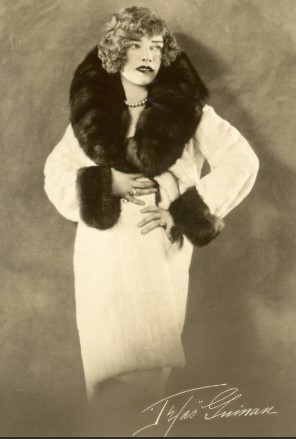
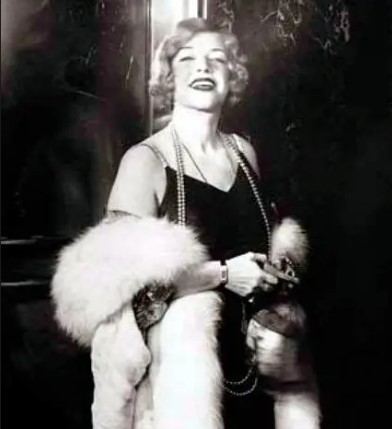
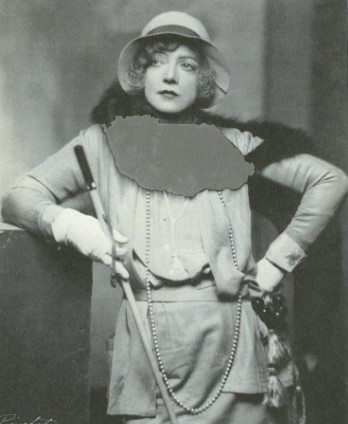
Her cowboy hats, outrageous humor, theatrical entrances, and signature
greeting created an identity that was instantly recognizable. Newspapers had a
personality to write about, photographers had a character to capture, and
nightclub customers had a story to tell their friends.
Even her confrontations with Prohibition authorities could reinforce the
brand. When a nightclub was raided, the headlines brought additional attention
to the woman who refused to behave like a defeated business operator. Her
public persona suggested that she was always one step ahead of the humorless
authorities attempting to shut down the party.
The greeting was therefore more than a clever expression. It was a
commercial instrument. It made Guinan memorable, gave her establishments a
recognizable identity, and transformed the illegal nightclub experience into
something customers could purchase with their admission and their liquor money.
She wasn’t selling anonymity. She was selling notoriety.
Who Was Really the Sucker?
There was an irony buried inside Guinan’s famous greeting. The customers
might have believed they were getting away with something, but the real winners
were often the people who understood how to profit from their appetite for
rebellion.
Bootleggers made money supplying the liquor. Club operators made money
selling the experience. Entertainers made money performing for the crowds. And
Guinan made herself indispensable by becoming the personality around which the
entire spectacle revolved.
The government wanted to eliminate illegal drinking. Instead, it helped
create a nightlife culture in which breaking the law became fashionable
entertainment. Guinan recognized the opportunity and turned it into a business.
Her greeting captured that contradiction in three words.
“Hello, suckers!”
It was funny, irreverent, and just dangerous enough to make customers feel
they belonged to something exclusive. In the smoky rooms of Prohibition-era
Manhattan, where gangsters, millionaires, politicians, and Broadway performers
sometimes occupied the same tables, Texas Guinan understood something that many
of the men financing the operation overlooked.
Fear might keep a man quiet, but entertainment would keep him coming back.
And if he was foolish enough to spend his money doing it, well, that was his
problem.