The First Crime Influencer
Texas Guinan and the Business of Making the Underworld Look Good
Long before celebrities built personal brands on social media, long before nightclub owners hired publicists to manufacture exclusivity, and decades before criminal notoriety became a form of entertainment, Texas Guinan understood the commercial value of being famous for standing close to danger.
She didn’t need to be a gangster. She didn’t need to control a bootlegging empire or command a crew of armed enforcers. She needed an audience, a memorable personality, and a nightclub where the right people could be seen drinking illegal liquor.
In Prohibition-era Manhattan, she had all three.
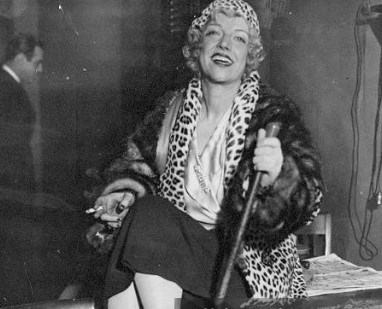
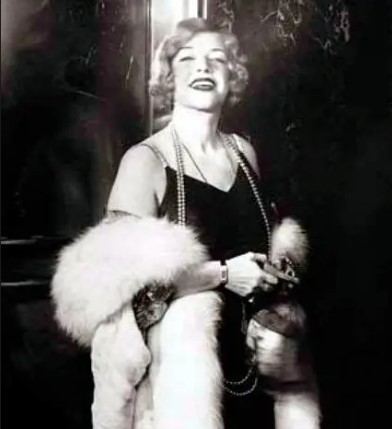
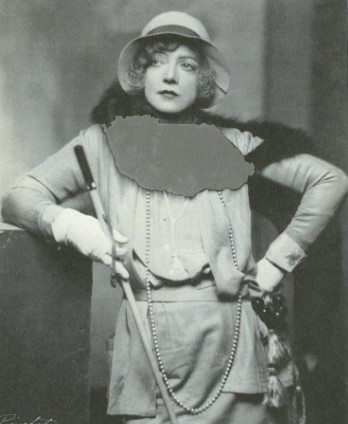
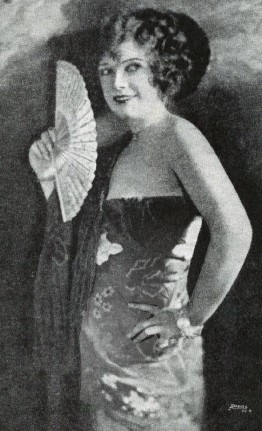
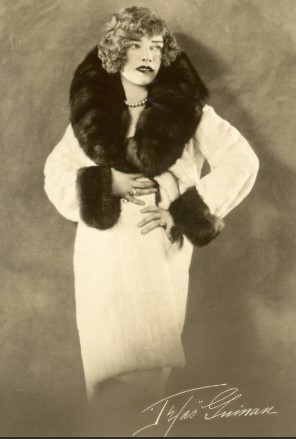
Guinan was more than a nightclub hostess. She was a walking advertisement for an underground lifestyle that wealthy customers desperately wanted to experience. Her cowboy hats, theatrical entrances, sharp tongue, and trademark greeting, “Hello, suckers!” made her recognizable in a city crowded with entertainers, bootleggers, and ambitious nightlife entrepreneurs.
She understood that people weren’t simply buying drinks. They were buying an association with a particular world: glamorous, rebellious, slightly dangerous, and comfortably removed from the consequences that usually accompanied criminal activity.
Today, we might call that personal branding. In the 1920s, Guinan simply knew how to work a room.
| Hello, Suckers! |
Selling the Lifestyle, Not Just the Liquor
The most successful speakeasies understood that illegal liquor alone wasn’t enough to distinguish one establishment from another. Manhattan was filled with drinking rooms, private clubs, and establishments competing for customers. The best venues offered something more memorable.
Guinan’s clubs delivered an experience.
The El Fey Club and the 300 Club became associated with the personalities, entertainers, wealthy customers, and colorful atmosphere that surrounded their famous hostess. A night at one of her establishments offered more than access to alcohol. It offered the possibility of encountering celebrities, watching performers, meeting influential people, and becoming part of a story worth repeating.
The distinction was important. A customer could purchase a bottle of bootleg liquor almost anywhere. But he couldn’t purchase the experience of being welcomed into Texas Guinan’s nightclub without actually going there.
Her personality became part of the product.
The underworld benefited from this arrangement, too. Successful nightclubs created profitable outlets for illegal liquor and brought together customers who possessed money, influence, and connections. The entertainment attracted the crowds; the criminal supply networks helped keep the operation functioning.
Guinan understood the value of the relationship without needing to become the person running the liquor routes.
She made the criminal environment look fashionable.
| Celebrity as Legal Buffer |
Celebrity Before the Age of Social Media
What makes Guinan particularly interesting is how closely her approach resembles modern celebrity culture. Today’s entertainers cultivate recognizable personalities, develop signature expressions, create exclusive experiences, and use controversy to maintain public attention. Nightclub owners promote celebrity appearances, photograph fashionable guests, and encourage customers to associate their establishments with wealth, glamour, and influence.
Guinan was doing much the same thing nearly a century ago.
She understood the importance of being photographed, quoted, discussed, and recognized. Newspaper coverage was her version of a social media feed, and every colorful confrontation with Prohibition authorities offered another opportunity to reinforce her public identity.
Her famous greeting became a recognizable signature. Her cowboy hat functioned almost like a corporate logo. Her arrests became publicity events, and her nightclub appearances helped sustain the impression that something extraordinary was always happening wherever she went.
She wasn’t simply famous because she owned or worked in popular nightclubs. Her personality helped make those nightclubs famous.
There is a difference.
When Criminal Notoriety Became Entertainment
Guinan’s career also illustrates an important distinction between criminal activity and the public consumption of criminal culture. The people who visited her establishments weren’t necessarily interested in the mechanics of bootlegging, the organization of liquor distribution, or the violent rivalries that sometimes accompanied the illegal trade.
They wanted the excitement without the consequences.
The presence of underworld figures added an element of danger, but the nightclub experience softened that danger with music, dancing, expensive clothing, and carefully cultivated glamour. Gangsters could sit among businessmen and entertainers, while customers enjoyed the thrill of proximity to people whose reputations were built on something considerably less respectable.
The criminal world became part of the entertainment.
This was not an entirely new phenomenon. Newspapers had long sensationalized gangsters, bank robbers, and notorious criminals. What Guinan helped demonstrate was how that fascination could be incorporated directly into a commercial nightlife experience.
Her clubs offered customers a chance to participate in the mythology of the underworld without necessarily becoming part of its operations.
The distinction between watching the spectacle and participating in it was part of the attraction.
| The Mob Without the Mob Boss |
The Modern Speakeasy Connection
Guinan’s influence can also be seen in the way modern establishments market the idea of Prohibition. Today’s speakeasy-style bars frequently use hidden entrances, password themes, vintage cocktails, jazz, art deco interiors, and carefully constructed secrecy to recreate the atmosphere of the 1920s.
Of course, most operate legally. Their appeal comes from borrowing the aesthetics and mythology of an era when drinking itself could bring customers into conflict with federal authorities.
The modern speakeasy is selling an experience rooted in historical rebellion. Its customers want the illusion of discovering something forbidden, even when the establishment is fully licensed and operating in plain sight.
Guinan would have understood the business immediately.
She knew that atmosphere could be as profitable as the product, that exclusivity could attract customers, and that a memorable personality could turn an ordinary establishment into a destination.
Her legacy is not that she invented modern nightclub marketing or single-handedly created celebrity crime culture. Rather, she represents an early and particularly vivid example of how entertainment, publicity, celebrity, and criminal association could reinforce one another.
The Woman Who Understood the Spotlight
Texas Guinan died in 1933, before Prohibition officially ended and long before the modern celebrity-industrial complex emerged. But the commercial instincts that made her successful never disappeared.
Today’s celebrity nightclub owners, entertainment personalities, and promoters still understand the value of exclusivity, controversy, and recognizable branding. The criminal underworld continues to attract public fascination, while popular culture transforms notorious figures and dangerous periods of history into entertainment.
Guinan occupied an unusual position at the intersection of those worlds.
She wasn’t the gangster behind the operation. She was the personality who made people want to enter the room.
She didn’t need to confess to a crime, explain a liquor shipment, or threaten a rival. She needed a spotlight, an audience, and a line that nobody would forget.
In the smoky glamour of Prohibition Manhattan, Texas Guinan discovered something that modern celebrity culture has spent a century perfecting:
You don’t have to be the most dangerous person in the room to become the most famous. You just have to make sure everyone is watching.