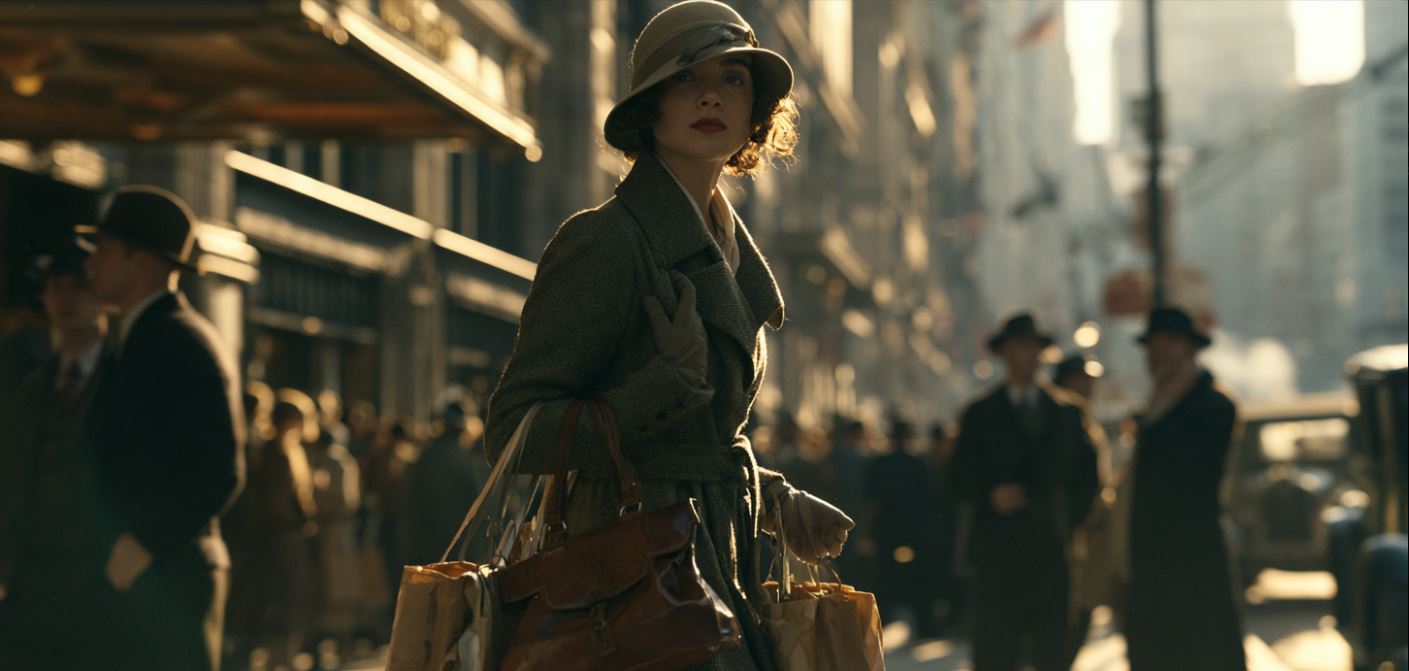
The Courier’s Disguise: How Female Bootleggers Hid in Plain Sight
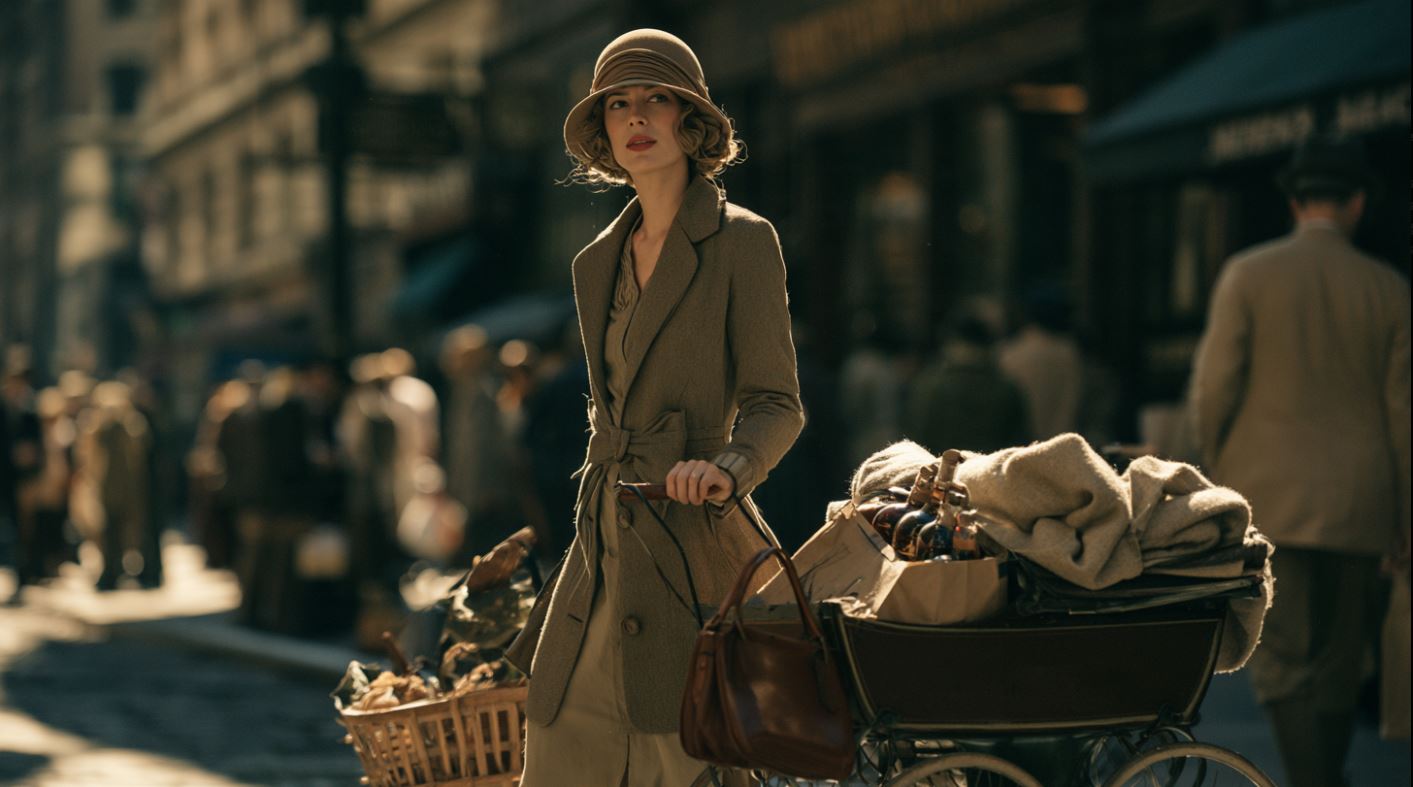
During Prohibition, the most effective disguise might not have been a false mustache, a stolen uniform, or a forged set of papers. It might have been a shopping bag, a sensible hat, and the appearance of an ordinary woman going about her day. While federal agents searched warehouses, watched waterfronts, and followed men suspected of running illegal liquor, women could move through crowded streets with fewer of the warning signs that investigators had been trained to recognize. The housewife carrying parcels, the secretary hurrying to work, and the shopper returning from a department store all belonged to the familiar rhythm of city life. A bottle of whiskey hidden among ordinary belongings could become just another item in the day’s errands.
| The Women on the Lease |
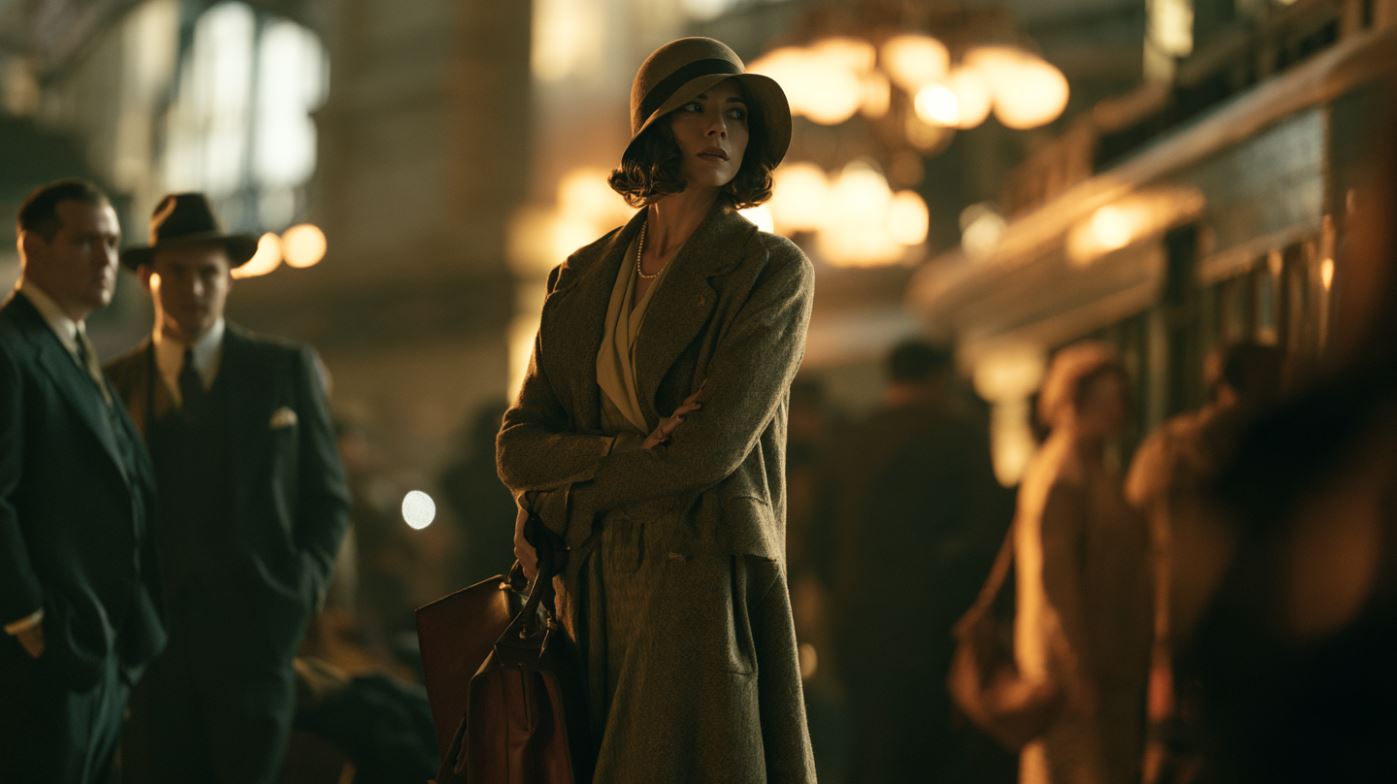
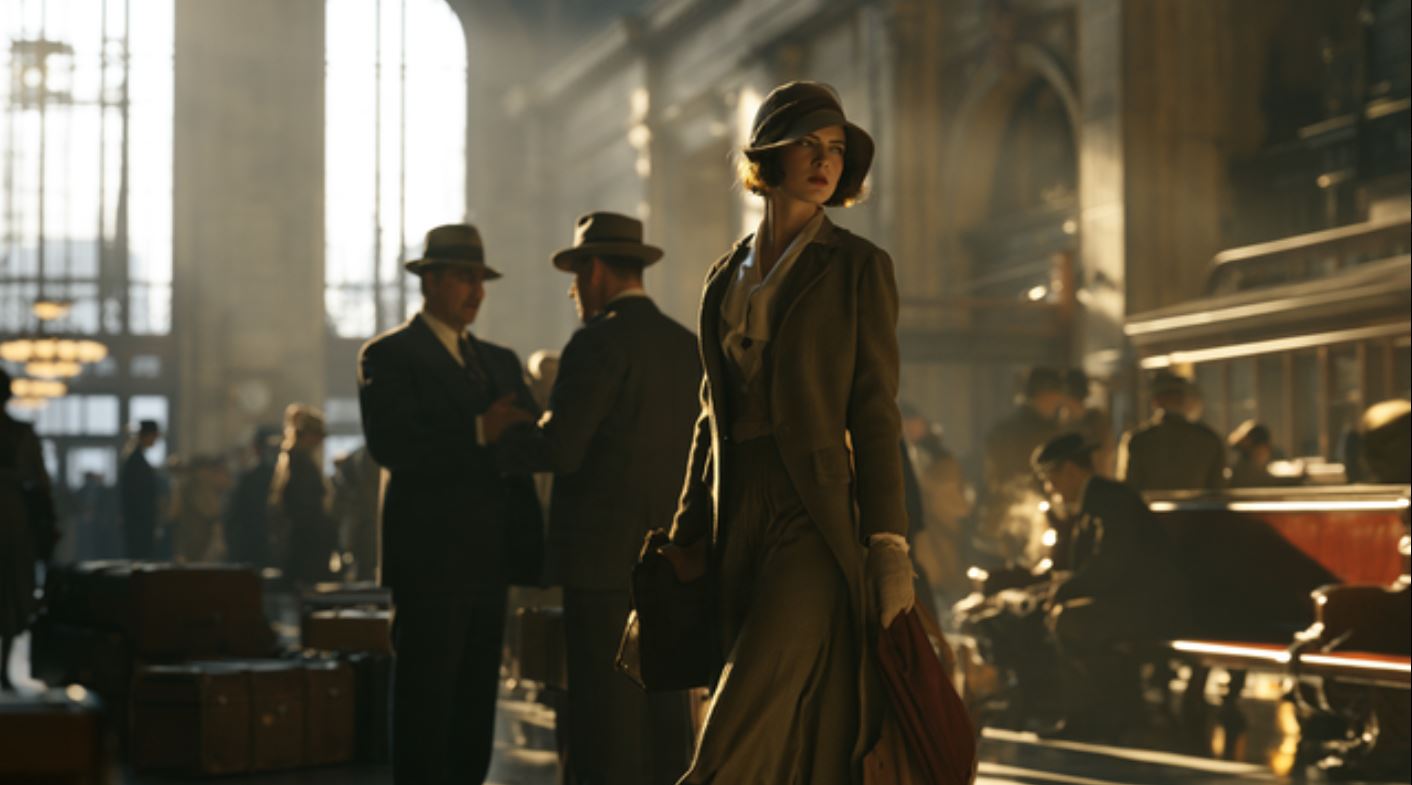
The disguise worked because it relied on expectations rather than elaborate deception. A woman dressed respectably and behaving naturally could blend into a railway station, a hotel lobby, or a busy shopping district without appearing connected to the underworld. Her handbag might contain more than lipstick and a purse; her shopping basket might conceal liquor intended for a private customer or a neighborhood speakeasy. Yet the real advantage was not simply the container. It was the performance. A nervous courier who kept glancing over her shoulder could attract attention, while someone who appeared occupied with ordinary concerns might pass unnoticed. In a business where suspicion could bring an arrest, looking unremarkable was a practical skill.
| Hostesses as Intelligence Assets |
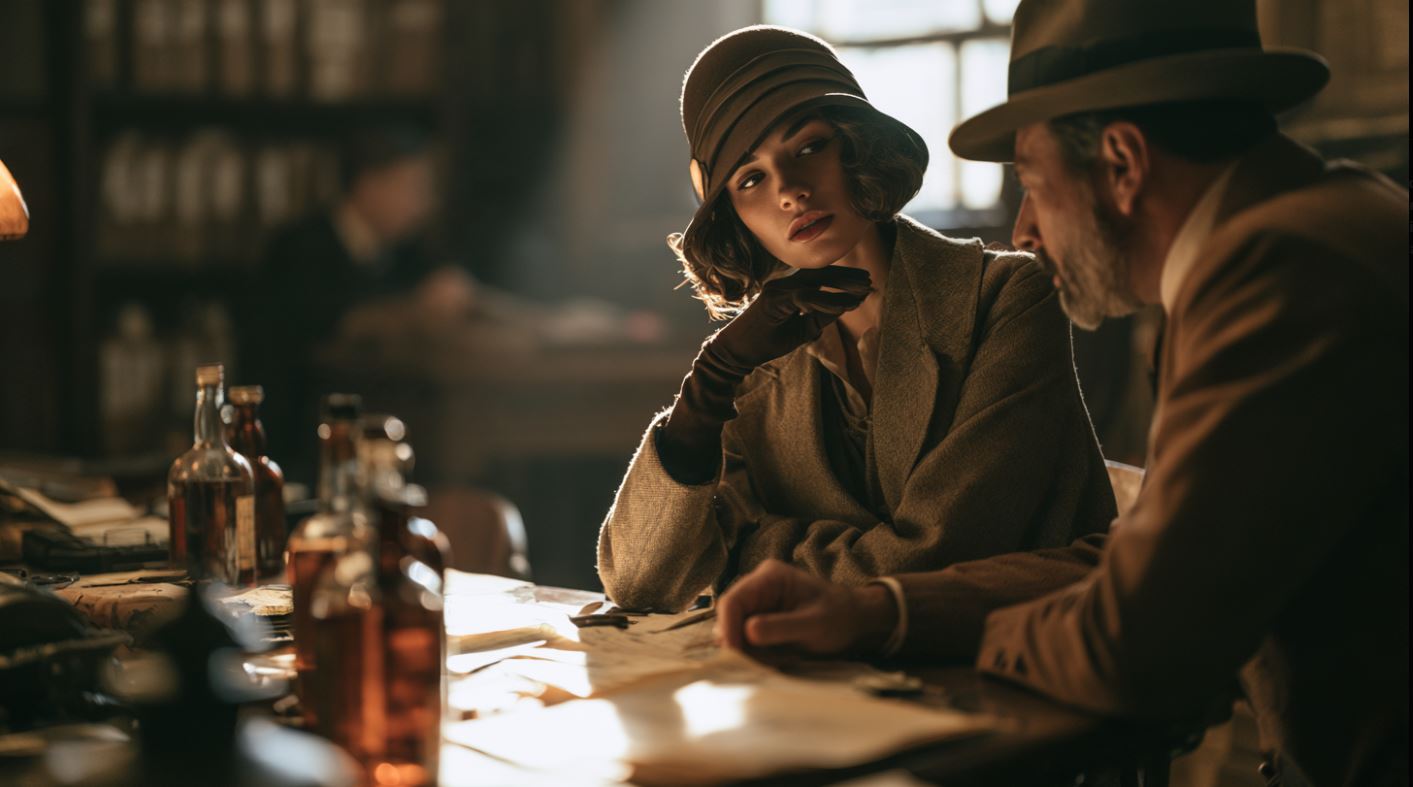
These women were not necessarily operating alone, either. A courier might transport liquor for an independent dealer, deliver bottles to a regular customer, or serve as one link in a larger distribution network. Her everyday appearance could help move small quantities between locations without the conspicuous vehicles and heavy cargo associated with larger shipments. That did not make the work safe. Police could still search women, suspicious behavior could draw scrutiny, and an arrest might expose suppliers and customers alike. The disguise offered an advantage, not immunity, and its success depended on circumstances that could change from one street or jurisdiction to another.
The irony was that the very social expectations that restricted women’s opportunities could sometimes work in their favor in the illegal liquor trade. A society accustomed to viewing women as shoppers, clerical workers, and homemakers did not always recognize them as participants in a profitable criminal enterprise. Some female smugglers could exploit that blind spot, earning money and exercising a degree of independence beyond conventional roles. Their most valuable asset was not necessarily secrecy in the dramatic sense, but the ability to appear so ordinary that nobody thought to look twice. In Prohibition’s shadow economy, the woman who looked as though she had nothing to hide might be carrying exactly what the law wanted to find.
| Fixers Without Titles |