Celebrity as a Legal Buffer
When Publicity Became a Form of Protection
In Prohibition-era New York, an arrest could ruin a nightclub owner. It could frighten customers, scare away investors, attract unwanted police attention, and convince liquor suppliers that the establishment had become too dangerous to operate. For most speakeasy proprietors, a police raid was a business disaster. For Texas Guinan, it could become tomorrow morning’s headline—and tomorrow night’s advertising.
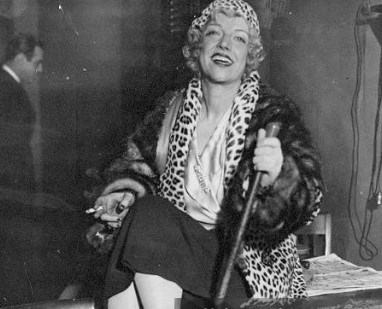
Guinan understood something that many of her competitors overlooked: publicity had value, even when it came from the wrong side of the law. Her arrests and confrontations with Prohibition authorities became part of her public identity. Rather than disappearing into the background after a raid, she often emerged smiling, joking, and ready to give reporters another story.
The result was an unusual relationship between celebrity and law enforcement. Guinan’s fame did not make her immune to prosecution, but it gave her something less tangible and potentially just as useful: public visibility.
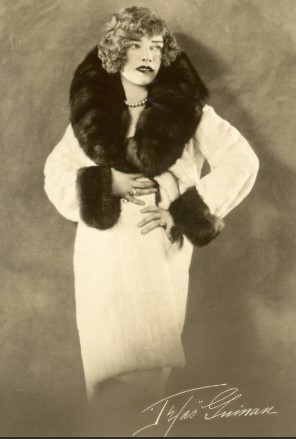
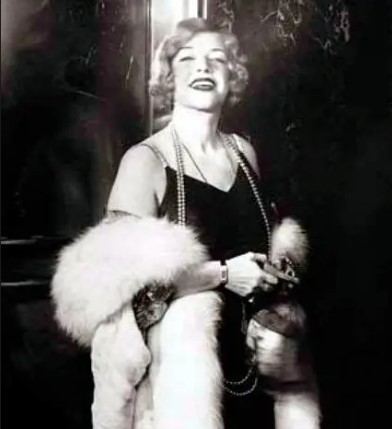
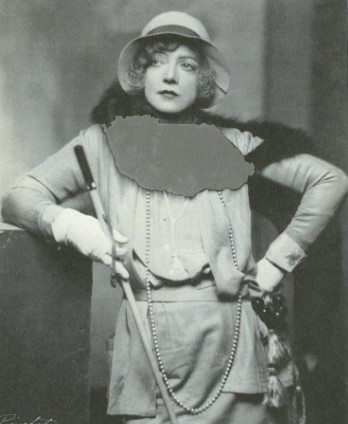
She was no longer simply the operator or hostess of an illegal nightclub. She was Texas Guinan, the colorful Broadway personality whose name sold newspapers.
| Hello, Suckers! |
The Raid That Became a Publicity Event
The federal government’s campaign against illegal liquor establishments depended on enforcement, arrests, prosecutions, and public demonstrations of authority. Agents wanted to show that Prohibition was being taken seriously. A successful raid could generate headlines and reassure the public that the law was being enforced.
But a raid involving a celebrity could produce an entirely different kind of publicity.
When authorities entered one of Guinan’s establishments, they weren’t merely confronting an anonymous nightclub operator. They were confronting a recognizable personality with a ready-made audience. Reporters knew her, photographers wanted her picture, and newspaper readers were interested in what she would say next.
Her February 1927 arrest following a raid on the 300 Club illustrates the dynamic. Guinan reportedly sang “The Prisoner’s Song” while in police custody, turning an otherwise unpleasant encounter into another episode in her ongoing public performance.
Imagine the contrast: federal agents attempting to demonstrate the seriousness of Prohibition enforcement while the woman they had arrested was entertaining those around her.
The law had made its move. Guinan was already working on the next act.
That did not mean every arrest was staged or that authorities deliberately allowed her to operate. It meant she understood how to exploit the attention that followed her confrontations with the law.
| What Arrest Records Reveal: The Women Behind Prohibition’s Liquor Trade |
When the Newspapers Became Part of the Business
The newspapers were essential to Guinan’s success. In the 1920s, New York’s entertainment industry thrived on gossip, scandal, celebrity appearances, and sensational headlines. A nightclub that attracted famous performers or wealthy patrons could generate publicity, but a nightclub associated with a colorful personality who repeatedly clashed with the law had an additional advantage.
Guinan supplied the newspapers with a character readers enjoyed following. She was outspoken, flamboyant, quick with a joke, and seemingly incapable of embarrassment. Her cowboy hat and theatrical manner made her instantly recognizable. Even readers who had never entered one of her establishments knew who she was.
This created a peculiar commercial advantage. An ordinary speakeasy needed to convince customers that it was worth the risk of visiting. Guinan’s clubs benefited from the fact that people already knew her name. The publicity surrounding her arrests helped sustain public curiosity about her establishments and reinforced their reputation as places where the conventional rules did not apply.
For a nightclub operator, that kind of recognition was worth a great deal. Advertising could attract customers, but celebrity could make them feel that attending was an event in itself.
Did Fame Make Her Untouchable?
There is an important distinction between celebrity providing publicity and celebrity providing actual legal protection. Guinan was arrested, her establishments were targeted, and Prohibition authorities continued their efforts to enforce federal liquor laws. Her public popularity did not give her a formal exemption from prosecution, nor is there sufficient evidence to conclude that federal agents routinely hesitated to act because they feared negative newspaper coverage.
Nevertheless, celebrity could complicate the public relations surrounding enforcement. Arresting an anonymous nightclub proprietor was one thing. Arresting a nationally recognizable entertainer who treated the experience as a comedy routine was quite another.
Guinan could turn an official attempt to embarrass her into a story that reinforced her popularity. Her refusal to display shame undermined the moral theater of enforcement, at least in the public imagination. Instead of appearing frightened or defeated, she presented herself as an entertainer caught in an absurd situation.
That was a valuable form of influence, even if it did not guarantee favorable treatment from judges or law enforcement.
Visibility Was the Real Currency
Guinan’s experience revealed an important feature of Prohibition nightlife: public reputation could be commercially useful even when it was built around controversy. Her celebrity attracted customers, generated newspaper coverage, and made her establishments recognizable in a crowded underground entertainment market.
The arrangement also benefited the broader nightlife economy. Customers wanted glamour, bootleggers wanted profitable outlets, and nightclub operators wanted establishments that could attract people with money and influence. Guinan’s celebrity helped bring those interests together.
She had discovered a different kind of leverage. Other operators depended on secrecy, political connections, or the muscle of underworld associates. Guinan could walk into a room, raise her voice, and command attention.
The police might close a nightclub, but they couldn’t easily close down a personality.
And that was the real genius of Texas Guinan. She made notoriety commercially useful. In the shadowy world of Prohibition, where a raid could mean lost money, frightened customers, and a business forced into hiding, she found a way to make the spotlight work in her favor.
She wasn’t protected from the law.
She was protected from obscurity.
And in the nightclub business, that could be almost as valuable.