The First Colombo War: Blood, Tribute, and Betrayal
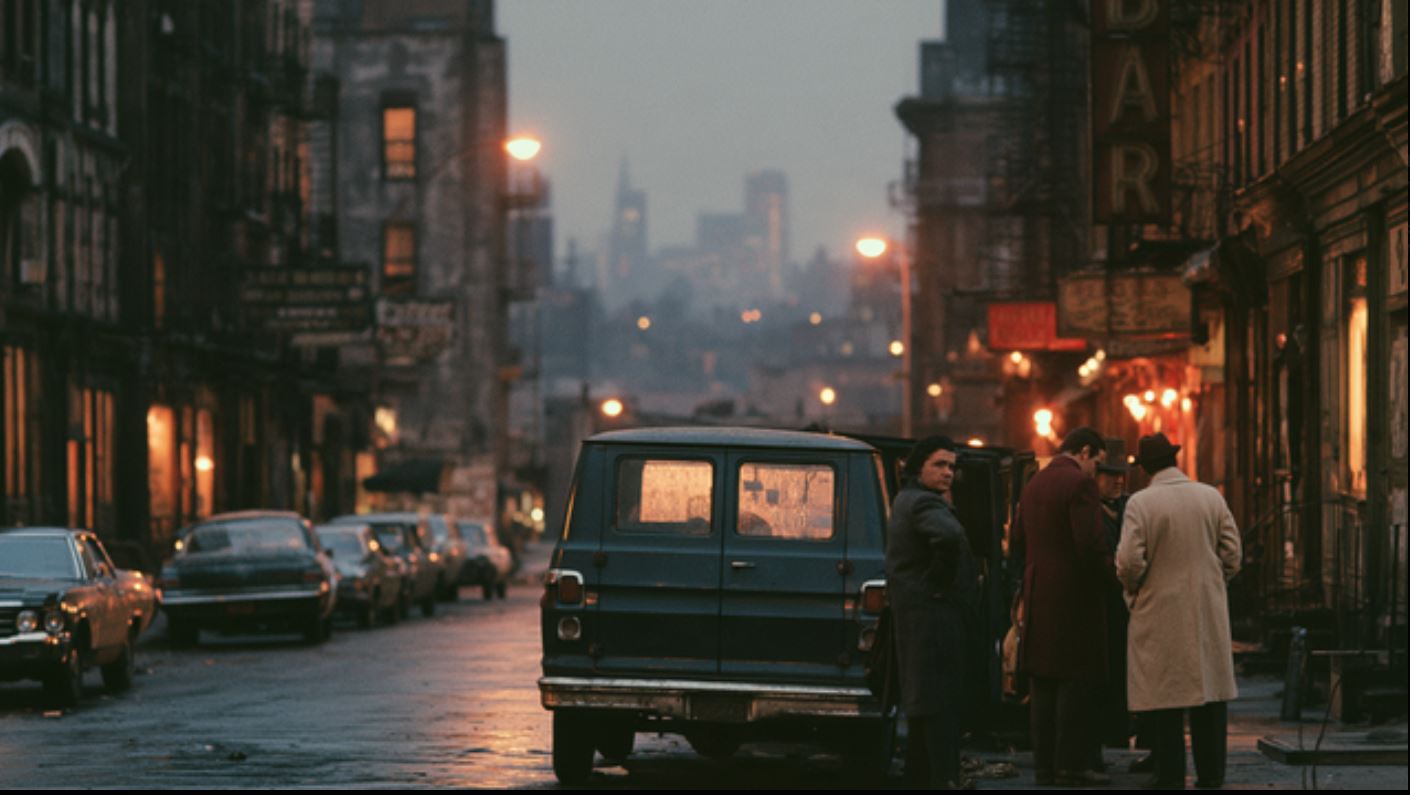
New York, 1959. The streets of Brooklyn still stank of cheap cigars, gasoline, and blood. The war that would tear apart one of America’s most entrenched Mafia families began not over turf, not over women, not even over drugs—but over money. Tribute money.
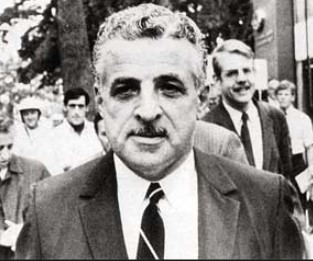
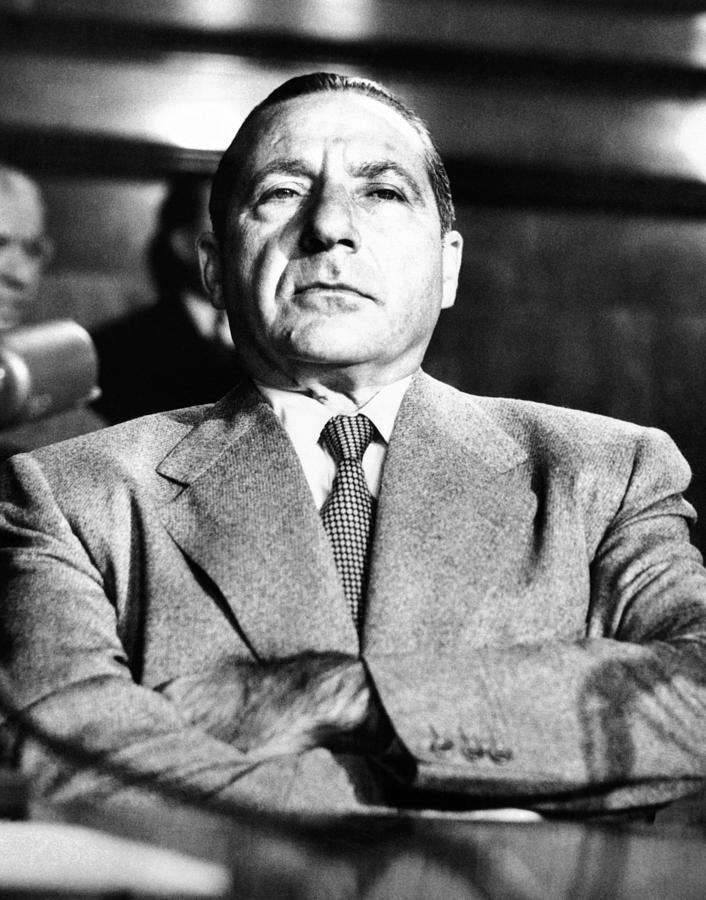
Joseph Profaci, the “Olive Oil King,” ran his empire like a medieval fiefdom. Outwardly a devout Catholic and legitimate importer, Profaci’s business empire was greased by rackets, hijackings, and the silent coercion of extortion envelopes passed every month. But when the don decided to tax his own men—$25 a month from every soldier in his family—the thin layer of loyalty began to rot.
The Seeds of Rebellion
To most soldiers, $25 a month didn’t sound like much. But the principle cut deeper than the numbers. They were already kicking up their share from gambling, bookmaking, and protection. This was a new kind of tribute—personal, humiliating, like paying rent to your boss just for the right to exist.
Frank “Frankie Shots” Abbatemarco didn’t buy it. Neither did the Gallo brothers—Crazy Joe, Larry, and Albert “Kid Blast.” The Gallos were young, unpredictable, and hungry for power. They saw themselves as a new breed of gangster: educated in the chaos of the streets, fearless in the face of the old Sicilian order.
Abbatemarco, a bookmaker and narcotics pusher, had always played a dangerous game—profitable but sloppy. When he stopped paying his dues, Profaci sent warnings. Frankie ignored them. The debt ballooned to around $50,000. That kind of money didn’t just go missing—it became a death sentence.
In November 1959, Abbatemarco was found slumped over in a Brooklyn bar, two bullets in the back of his head. A classic mob message: pay what’s owed—or pay in blood.
| Gallo Brothers: Brooklyn’s Dark Princes of Rebellion and Blood |
Brooklyn Erupts
The Gallos saw Abbatemarco’s killing as more than punishment—it was provocation. “Crazy Joe” had been biding his time, waiting for a reason to break from Profaci’s suffocating grip. Now he had one.
Profaci had run his family for decades without major rebellion. He was a traditionalist, one of the old-guard dons who believed in the sanctity of tribute and the divine right of the boss. But his empire was brittle, built on secrecy and greed. When the Gallo crew decided to strike back, it wasn’t just business—it was open mutiny.
In February 1961, the Gallo gang made their move. They kidnapped several of Profaci’s top men, including underboss Joseph Magliocco and consigliere Salvatore Musacchia. The hostages were stashed away in Brooklyn safe houses, guarded by restless gunmen and whispered threats.
The message was clear: the old man’s time was up. The Gallos demanded a “more favorable financial scheme” for the hostages’ release. In mob language, that meant a redistribution of power—and profit.
Negotiation, Betrayal, and Blood
Profaci, ever the calculating don, appeared to negotiate. Through intermediaries, he promised to ease the tribute demands and restore the peace. The Gallos—believing the deal was genuine—released the captives.
But Profaci’s word was worth less than the olive oil he sold. As soon as his men were free, he moved for retaliation. The truce was a ruse, a tactical pause. Profaci’s loyalists began hunting the Gallo crew across Brooklyn, gunning for revenge.
What followed was chaos. Drive-bys, ambushes, disappearances. Larry Gallo was nearly strangled to death in a Brooklyn bar by Profaci loyalists posing as cops—saved only when an off-duty patrolman stumbled into the wrong place at the wrong time.
The violence spilled into the streets, a shadow war fought in the cracks of the city. The newspapers called it the First Colombo War, though at the time, it was just known as “the Brooklyn mess.”
| Dark Tale of Regina Pacis Robbery and the Shadows of Joe Profaci |
The Fall of the Olive Oil King
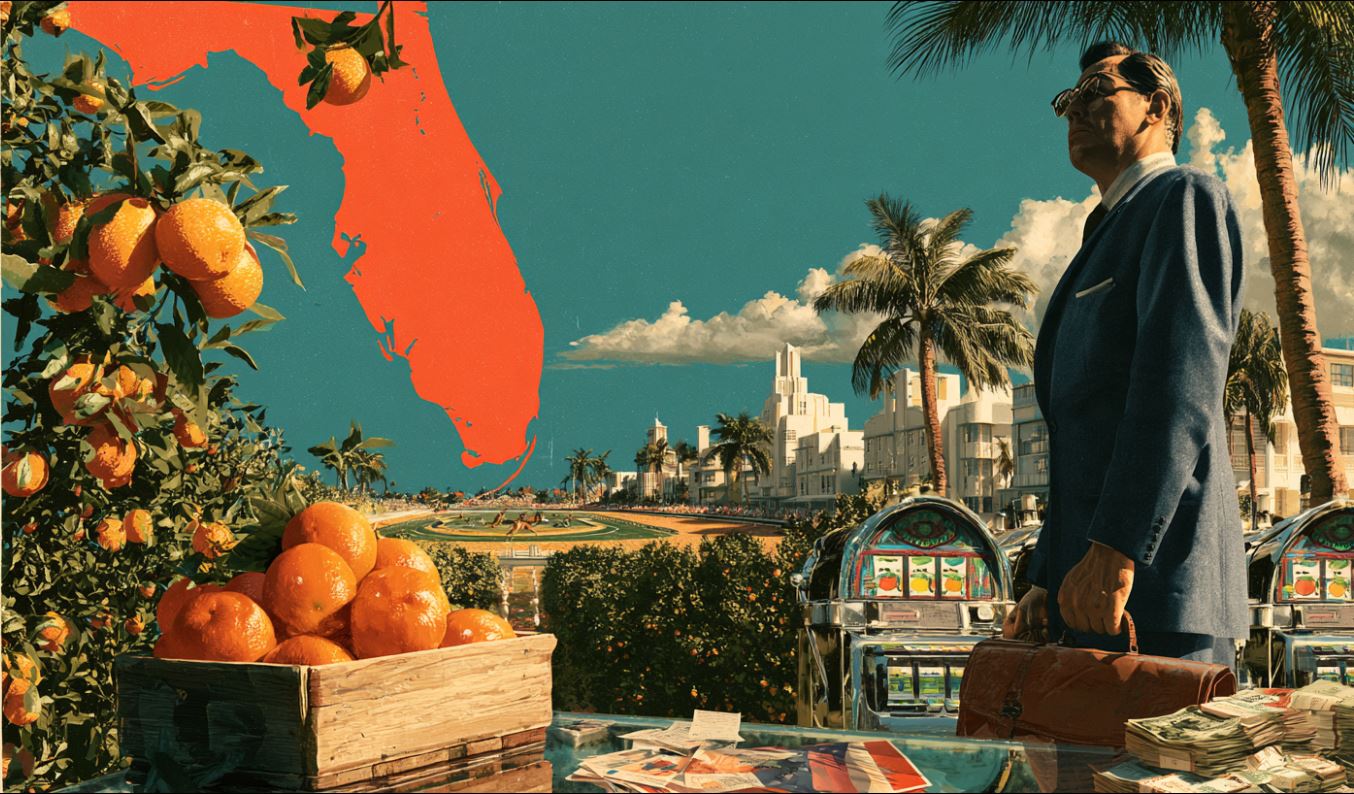
Profaci’s grip weakened as his health failed. He fled to Florida for treatment, running his empire from afar. But power hates a vacuum, and his enemies circled like vultures. The Gallos were wounded but not dead. Every hitman, every bookmaker, every two-bit hustler in the boroughs had to choose a side: the old boss or the new blood.
By 1962, the fighting had burned out—less from resolution than exhaustion. Profaci died of cancer that year, leaving the empire to his underboss, Joseph Magliocco. But the peace was temporary, an illusion. The family was fractured beyond repair.
Magliocco’s reign ended in scandal after he conspired with Joe Bonanno to assassinate the other Commission bosses. When the plot failed, Magliocco was deposed, and Joseph Colombo—a once-loyal Profaci soldier—took over. His name would forever mark the family that nearly tore itself apart over a $25 tribute.
The Legacy of Rebellion
The First Colombo War wasn’t about honor. It was about exploitation and revolt. The Gallo brothers weren’t saints—they were killers, extortionists, and psychopaths—but they represented something new: rebellion against the Mafia’s own feudal structure.
In an organization that prized loyalty above all else, the Gallos dared to ask why tribute should flow endlessly upward to men who gave nothing back. They were punished for their audacity, but they cracked the illusion that Cosa Nostra was a brotherhood. It was business—bloody, cynical business.
The echoes of that rebellion stretched far beyond Brooklyn. Across the Mafia landscape, bosses tightened control, soldiers simmered in quiet resentment, and tribute payments became both a tradition and a curse. The streets learned that when money flows only one way, blood will eventually follow.
| Five Families: Blood, Power, and the Empire Beneath New York |
A Parable in Power
Every empire rots from the inside. Profaci’s greed was no different from the corruption that infects governments, corporations, or dictatorships today. The lie is always the same: tribute is loyalty, obedience is strength, and the ones who resist are enemies of order.
But rebellion has a way of rewriting the rules. In the end, the Gallo uprising proved a brutal truth: when power becomes theft, resistance becomes survival. And in the world of the Mafia—where honor and treachery share the same glass of red wine—survival is the only thing that matters.
| Joey Gallo |
| Blood, Family, and Borrowed Truths: How Real Mafia Life Bled Into The Godfather |
References:
- Raab, Selwyn. Five Families: The Rise, Decline, and Resurgence of America’s Most Powerful Mafia Empires. St. Martin’s Press, 2005.
- Maas, Peter. The Valachi Papers. G. P. Putnam’s Sons, 1968.
- Critchley, David. The Origin of Organized Crime in America: The New York City Mafia, 1891–1931. Routledge, 2009.
- Wikipedia contributors. “Profaci crime family.” Wikipedia, The Free Encyclopedia.
- Wikipedia contributors. “Joe Gallo.” Wikipedia, The Free Encyclopedia.
- Dash, Mike. The First Family: Terror, Extortion, Revenge, Murder, and the Birth of the American Mafia. Random House, 2009.
- New York Times Archive, “Brooklyn Gangland Murders and the Profaci-Gallo Feud,” 1961–1963.