“Crazy” Joey Gallo: The Wild Prophet of Brooklyn
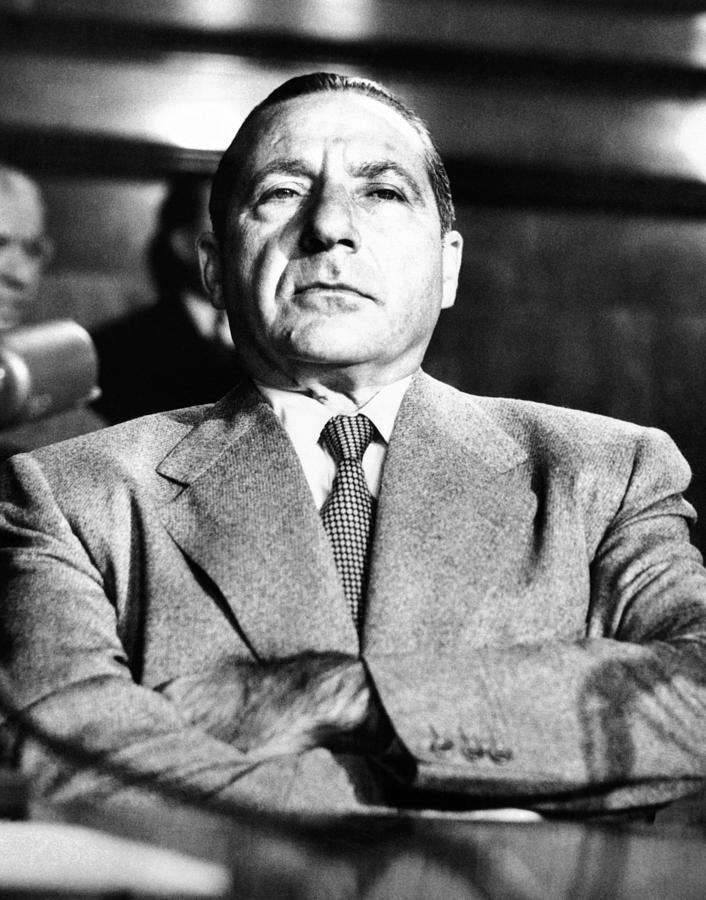
Joey Gallo never behaved like a traditional gangster. That made him fascinating. It also made him dangerous.
While older Mafia bosses operated through quiet meetings, coded conversations, and rigid Sicilian traditions, Gallo drifted through New York like a character from another world entirely. He read philosophy and poetry. He spent time with artists, writers, actors, and radicals. He frequented Greenwich Village clubs instead of hiding exclusively in neighborhood social halls. He talked too loudly, moved too unpredictably, and seemed almost magnetically drawn toward chaos.
The newspapers called him “Crazy Joe.” Partly because he was volatile. Partly because nobody knew exactly what he might do next.
To some observers, Gallo looked like the future of organized crime: younger, more Americanized, less bound by old-world Mafia rules. To others, he looked like a walking disaster whose ego and unpredictability threatened the stability of the underworld itself.
Both views contained truth.
Red Hook and the Birth of a Street Gangster
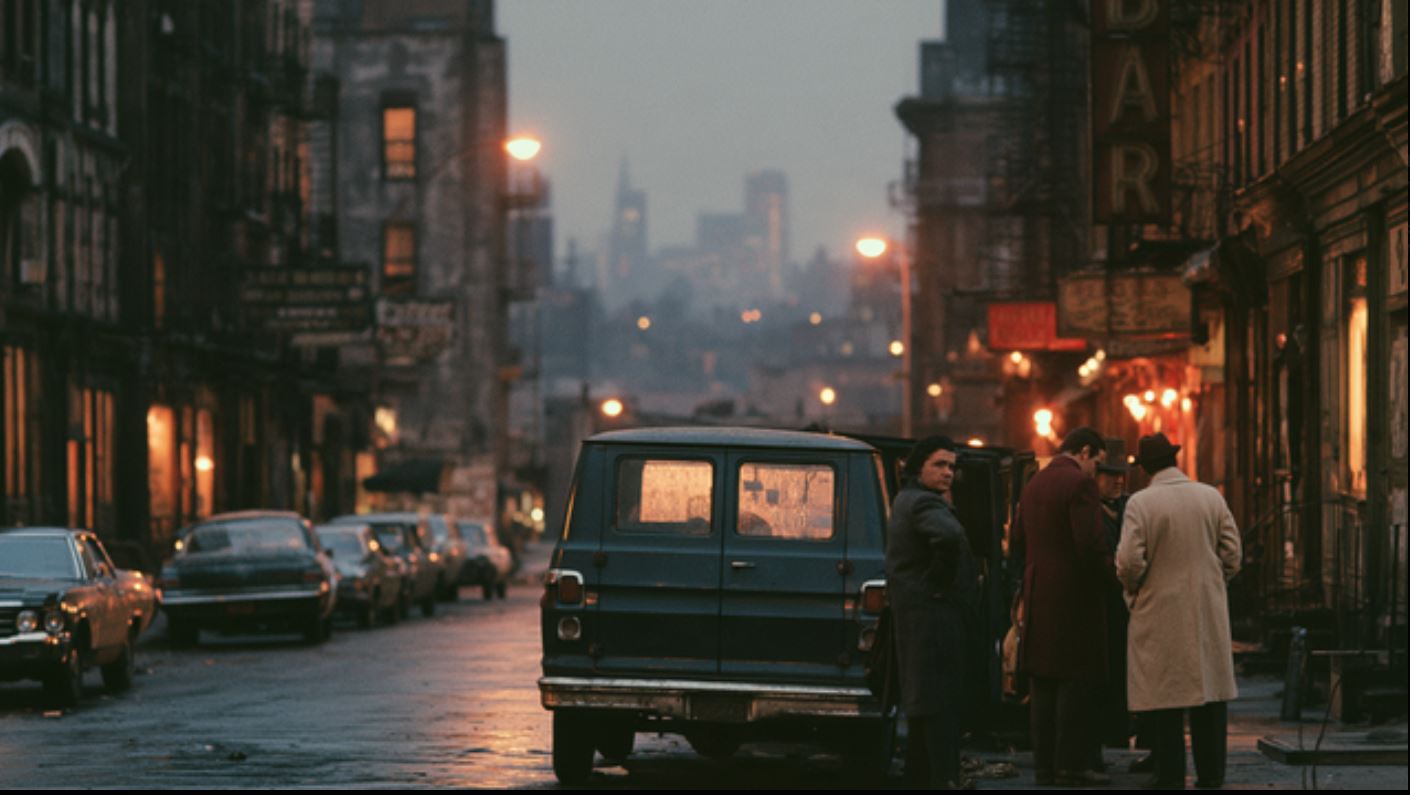
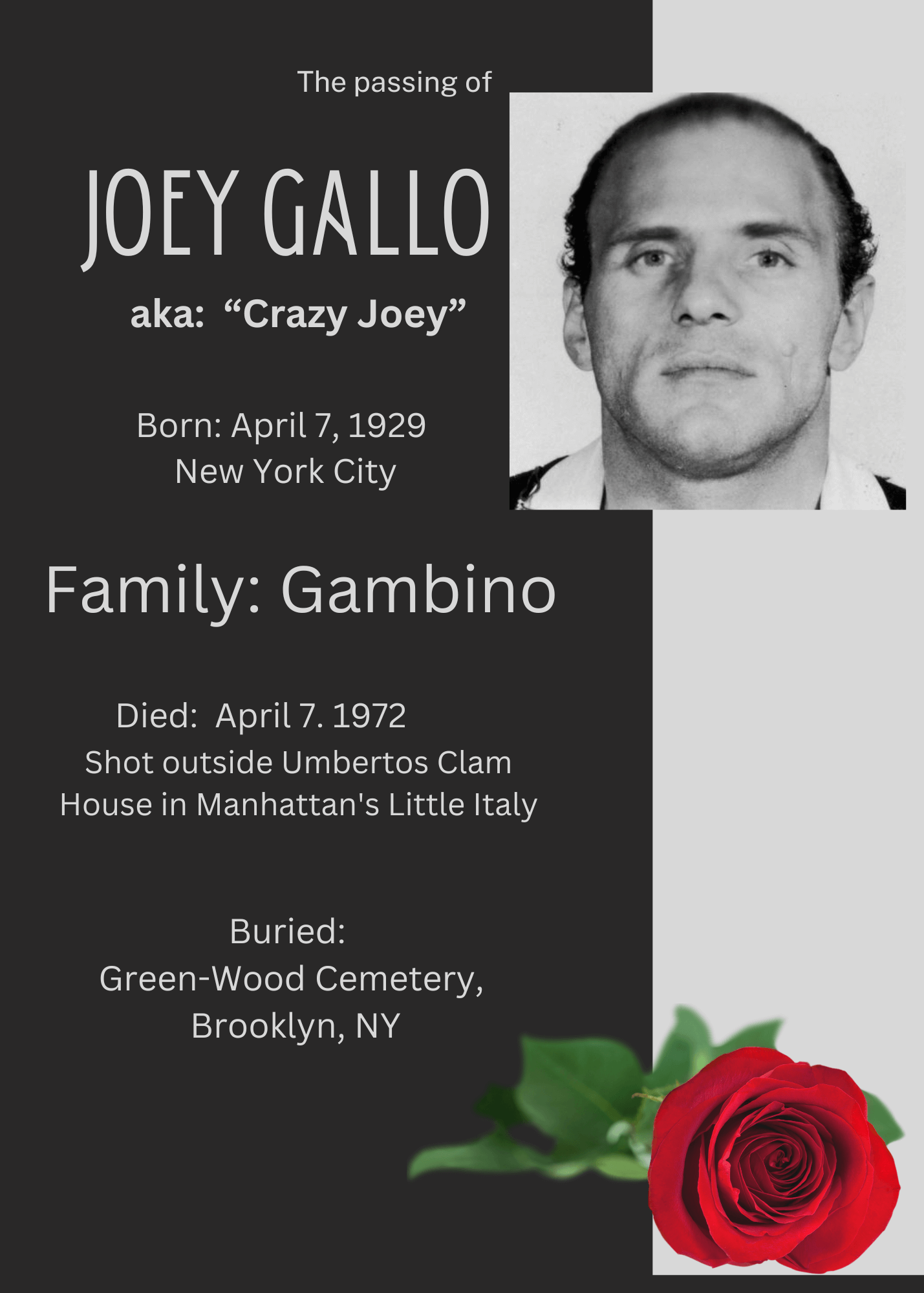
Joseph Gallo was born in Brooklyn in 1929 and grew up in Red Hook, one of New York’s roughest waterfront neighborhoods during the mid-twentieth century.
Red Hook was isolated, poor, and violent.
The docks controlled local life. Longshoremen, union figures, gamblers, loan sharks, and Mafia-connected racketeers all operated within the same tight geographic world. Young men growing up there learned quickly that power often mattered more than legality.
Gallo and his brothers entered crime naturally.
As teenagers, they formed a tough street crew involved in gambling, theft, hijacking, extortion, and neighborhood enforcement. Joey stood out immediately because he possessed something unusual for organized crime: Imagination.
He loved movies, books, and intellectual conversation almost as much as street violence. Associates described him as charismatic, theatrical, and deeply restless. He could quote literature one moment and threaten murder the next.
The contradictions followed him everywhere.
Entering the Profaci Family
Gallo eventually became associated with the Profaci crime family under Joe Profaci.
Profaci represented old Sicilian Mafia tradition at its most rigid. He demanded heavy tribute payments, strict loyalty, and unquestioned obedience from subordinates. Younger gangsters increasingly resented his leadership, especially as enormous amounts of money flowed upward toward the boss while soldiers carried most of the legal and physical risks.
Joey Gallo despised the arrangement.
Unlike quieter mobsters who accepted hierarchy pragmatically, Gallo challenged authority openly. He and his brothers gradually built a faction inside the family frustrated with Profaci’s greed and authoritarian control. The conflict escalated steadily through the late 1950s. Eventually, Brooklyn exploded.
The Profaci War
In 1960, tensions inside the Profaci family erupted into violent internal warfare. The Gallo crew kidnapped several high-ranking Profaci loyalists in an attempt to force negotiations and financial reforms. What followed became one of the bloodiest Mafia civil wars in New York history. Gunfire spread across Brooklyn streets.
Kidnappings multiplied. Assassination attempts became routine.
The conflict revealed deeper generational fractures inside organized crime itself. Younger American-born gangsters increasingly resisted old-world Sicilian authority structures. Joey Gallo became the symbol of that rebellion. But rebellion inside the Mafia rarely ends cleanly.
Profaci’s loyalists fought back aggressively. Alliances shifted constantly. Temporary truces collapsed almost immediately. Gallo’s unpredictability made negotiations nearly impossible because nobody trusted him fully. Not even allies.
Yet he remained strangely magnetic.
Writers, journalists, and bohemian New Yorkers became fascinated by him. Unlike traditional Mafia figures who avoided intellectual circles, Gallo moved comfortably among artists and counterculture personalities.
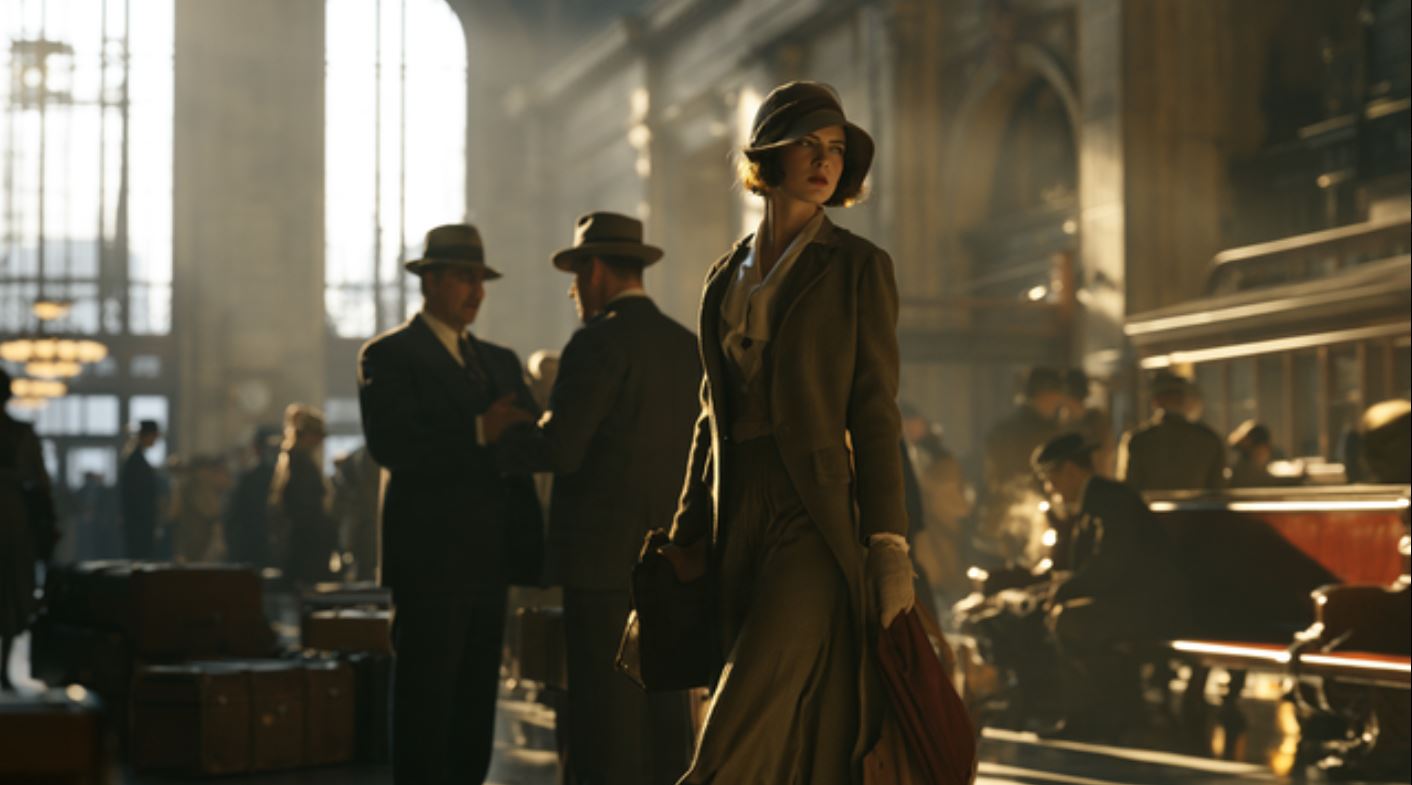
He looked less like a conventional mobster than a noir antihero wandering through a collapsing American city.
Prison and Reinvention
In 1961, Gallo was convicted on extortion charges and sentenced to prison. The incarceration changed him. Or perhaps it amplified qualities already present beneath the surface.
While imprisoned, Gallo immersed himself in reading. He studied philosophy, psychology, literature, and political theory. By the time he emerged years later, he projected a more reflective and theatrical persona that blurred the line between gangster, celebrity, and cultural curiosity.
The New York he returned to during the late 1960s was changing rapidly. So was organized crime.
Traditional Mafia structures remained powerful, but younger gangsters increasingly operated within a more chaotic, media-saturated America shaped by celebrity culture, political unrest, and social transformation. Gallo fit strangely well into that atmosphere.
He frequented Manhattan clubs and restaurants filled with artists, musicians, and writers. He associated with figures connected to the downtown cultural scene, including personalities orbiting the world of Andy Warhol.
A Mafia gangster was now socializing inside avant-garde New York nightlife. The collision felt surreal.
The Colombo Conflict
After his release from prison, Gallo sought to reclaim influence and settle old scores. By then, the Profaci family had evolved into the Colombo crime family under Joseph Colombo.
Gallo and Colombo represented completely different styles of organized crime leadership.
Colombo embraced publicity politically through the Italian-American Civil Rights League and public rallies. Gallo embraced cultural notoriety and unpredictability. Both attracted attention in ways traditional Mafia bosses disliked intensely.
Violence resumed between factions connected to the old family war.
The tensions deepened after Colombo himself was shot at a public rally in 1971. Though the exact motives and participants remain debated, suspicion spread widely through organized crime circles.
Brooklyn once again drifted toward bloodshed. And Joey Gallo remained directly in the center of the storm.
Umberto’s Clam House
On April 7, 1972, Gallo celebrated his forty-third birthday at Umberto’s Clam House in Little Italy.
The setting felt cinematic already: red sauce restaurant, dim lighting, laughter, cigarettes, and tension hanging invisibly in the air. Then gunmen entered.
Witnesses described shooters opening fire suddenly as panic erupted throughout the restaurant. Gallo reportedly attempted to fight back or escape before collapsing outside on the street.
He died shortly afterward.
The murder instantly became one of the most mythologized assassinations in Mafia history.
Writers and journalists treated it almost like the ending of a noir film. The intellectual gangster bleeding beneath Little Italy neon. The rebel mobster dying publicly after years spent challenging traditional Mafia authority.
Even in death, Joey Gallo seemed larger than ordinary organized crime.
Myth, Madness, and Reinvention
Part of what makes Gallo enduringly fascinating is the uncertainty surrounding him.
Was he genuinely unstable? Was the “Crazy Joe” image partly performance? Did he truly envision reshaping organized crime, or did he simply enjoy provoking chaos?
The answers remain elusive because Gallo cultivated contradictions constantly. He could be deeply violent and strangely intellectual. Charming and terrifying. Strategic and reckless.
Unlike disciplined Mafia executives such as Carlo Gambino, Gallo often seemed emotionally combustible, driven by instinct as much as calculation.
That unpredictability made him both influential and doomed.
The Legacy of Crazy Joe
Joey Gallo became something unusual in American organized crime history: A gangster absorbed into broader American counterculture mythology.
Writers admired his intellect. Journalists obsessed over his personality. Artists found him compelling because he blurred boundaries between criminality, performance, rebellion, and celebrity in ways earlier Mafia figures rarely did.
He represented the collision between old Mafia traditions and modern American individuality. Traditional organized crime depended on discipline, secrecy, and hierarchy. Gallo challenged all three. He lived loudly in a world built on silence.
And yet beneath the mythology remained genuine violence. Gallo’s life left bodies behind, fueled gang wars, and destabilized criminal organizations. The charisma never erased the brutality.
Still, decades later, Joey Gallo remains one of the most haunting figures of noir-era New York—a gangster wandering between Brooklyn dockyards and Manhattan art scenes, carrying both books and bullets into a city already beginning to unravel around him.
Click the links below to see where he is buried.