John Gotti and the Myth of the Betrayed Boss
Article 2 of the Series: “The Blame Game: Mobsters Who Could Never Admit They Were the Problem”
The Victim Narrative
For years, John Gotti insisted he was the victim.
The government was obsessed with him. Federal prosecutors were determined to destroy him. Informants were cowards. Judges were biased. Jurors were manipulated. The FBI had declared war on him. According to Gotti’s version of events, nearly everyone who crossed his path shared responsibility for his downfall.
Everyone, that is, except John Gotti.
It was a familiar story in organized crime. When a mob empire begins to crack, the boss often searches for someone else to blame. Rarely does he look inward. Rarely does he acknowledge that his own choices, ambitions, and mistakes may have laid the foundation for disaster. Few Mafia leaders embraced this mindset more completely than the man known as the “Dapper Don.”
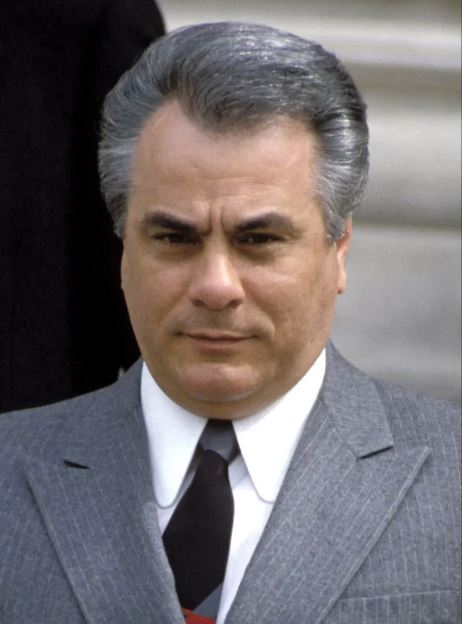
The Dapper Don and the Spotlight
Gotti loved attention.
That fact alone separated him from many of the old-school bosses who came before him. Traditional Mafia leaders preferred anonymity. They understood that publicity invited scrutiny and that scrutiny invited prison. Men such as Carlo Gambino built enormous criminal empires while remaining largely invisible to the public. Their photographs rarely appeared in newspapers. Their names seldom dominated television broadcasts.
John Gotti viewed the world differently.
Expensive suits, perfectly tailored overcoats, designer shoes, and carefully staged public appearances became part of his personal brand. When reporters gathered outside courthouses, Gotti often appeared to enjoy the spectacle. Cameras followed him. Headlines celebrated him. Television viewers became fascinated by the swaggering mob boss who seemed to defy the government at every turn.
The attention felt like power. In reality, it was becoming evidence.
| Joe Massino and the Empire of Excuses |
The Murder That Put Gotti on Top
The path to Gotti’s downfall began long before federal prosecutors secured a conviction. It began with a pattern of decisions that reflected his growing belief that he was untouchable. His rise to power within the Gambino crime family had been dramatic. In 1985, he orchestrated the murder of boss Paul Castellano outside Sparks Steak House in Manhattan, one of the most infamous Mafia assassinations in American history.
The hit elevated Gotti to the top of the nation’s most powerful crime family, but it also fundamentally changed his relationship with law enforcement.
A Mafia boss who quietly inherited power might have escaped serious scrutiny for years. A Mafia boss who publicly seized power through a highly visible assassination became a target. The murder instantly placed Gotti under a microscope. Federal agencies dedicated enormous resources to understanding his organization, monitoring his activities, and identifying his vulnerabilities.
Instead of adapting to this new reality, Gotti often seemed to embrace it.
| Murder at Sparks: The Bloody Prelude to the Execution of Paul Castellano |
The Teflon Don
Every courtroom appearance became an opportunity for performance. Every acquittal reinforced the belief that he was smarter than the government. Newspapers dubbed him the “Teflon Don” because charges appeared unable to stick. To Gotti and many of his supporters, these victories proved that prosecutors were incompetent and that he remained several steps ahead of law enforcement.
The truth was more complicated.
Acquittals do not always indicate innocence. Sometimes they reflect witness intimidation, weak evidence, procedural challenges, or simple luck. Yet repeated victories convinced Gotti that the rules no longer applied to him. The confidence that had fueled his rise gradually evolved into arrogance, and arrogance has destroyed more criminal empires than any federal task force.
Trouble Inside the Gambino Family
Inside the Gambino family, cracks were already forming.
Gotti’s leadership style differed dramatically from that of his predecessors. He demanded loyalty but often created resentment. He expected silence but frequently attracted unwanted attention. The publicity he enjoyed generated pressure on everyone around him. Associates who preferred operating in the shadows suddenly found themselves under increasing surveillance because their boss could not resist the spotlight. Many Mafia figures recognized the danger long before Gotti did.
Among his harshest critics were men within organized crime itself. They understood that the attention surrounding Gotti was bad for business. Every newspaper article, every television appearance, and every photograph increased law enforcement interest. The old Mafia philosophy had always been simple: make money quietly and avoid becoming famous.
Gotti rejected that philosophy.
When problems emerged, however, he rarely blamed his own behavior. Prosecutors became villains. Informants became traitors. Federal investigators became obsessed enemies pursuing a personal vendetta. The possibility that his own actions were contributing to the pressure rarely entered the conversation.
| Five Families: Blood, Power, and the Empire Beneath New York |
When the Government Started Listening
Perhaps the clearest example involved the growing threat posed by electronic surveillance. During the late 1980s, federal agents successfully placed listening devices inside locations where Gotti conducted business. Conversations that he assumed were private were being recorded and analyzed. Those recordings provided investigators with an unprecedented window into the inner workings of the Gambino family.
Even then, Gotti’s instinct was often to blame others.
Associates were accused of carelessness. Subordinates were criticized for mistakes. The focus remained on external threats rather than internal weaknesses. Yet the recordings existed because Gotti continued meeting in locations and discussing matters in ways that exposed him to risk. The government’s success was not solely the product of investigative brilliance. It was also the result of Gotti’s own complacency.
The Betrayal of Sammy Gravano
The most devastating blow came from someone he trusted.
For years, underboss Salvatore Gravano had been one of Gotti’s closest allies. Together they had climbed to the top of the Gambino family. Together they had navigated investigations, rivalries, and internal disputes. To outsiders, their partnership appeared unbreakable.
Behind the scenes, however, tensions had been building.
Wiretap recordings captured Gotti criticizing Gravano and blaming him for various problems confronting the family. Gravano increasingly realized that loyalty within the organization flowed in only one direction. When difficulties emerged, Gotti was often prepared to shift responsibility downward. Associates could be sacrificed. Subordinates could be blamed. The boss remained protected.
That realization changed everything.
Faced with overwhelming evidence and the prospect that Gotti might ultimately make him the fall guy for the organization’s crimes, Gravano chose cooperation. His testimony became one of the most significant blows ever delivered against organized crime in the United States.
The Informant Becomes the Villain
Gotti’s supporters frequently portray Gravano as the sole reason for his conviction. Without Gravano, they argue, the government would never have succeeded. That narrative conveniently ignores reality.
Gravano did not create the evidence. He explained it. Federal agents already possessed years of surveillance recordings, investigative files, and intelligence. The government’s case was strong because Gotti had spent years generating evidence through his own actions. Gravano simply connected many of the dots.
Yet even after his conviction in 1992, Gotti largely maintained the belief that betrayal—not personal responsibility—had destroyed him.
The Psychology of Blame
This is where the story becomes less about organized crime and more about human nature.
Powerful people often construct narratives that protect their self-image. Success belongs to them. Failure belongs to others. When things go well, their intelligence receives credit. When things collapse, someone else becomes responsible. The narrative preserves pride, but it also prevents honest reflection.
John Gotti embodied this tendency to an extraordinary degree.
His rise was fueled by charisma, confidence, and fearlessness. Those qualities made him an effective street leader and helped him seize control of the Gambino family. The same qualities, however, contributed directly to his downfall. His love of publicity attracted attention. His arrogance encouraged carelessness. His belief in his own invincibility blinded him to mounting risks.
The Myth Collapses
The federal government did not force him to pursue the spotlight. Informants did not compel him to discuss sensitive matters in vulnerable locations. Cooperating witnesses did not create the culture of resentment and distrust that developed inside his organization. Those outcomes were rooted in choices that Gotti himself made over many years.
By the time he entered the federal prison system, the mythology of the Teflon Don had largely collapsed. The man who once appeared untouchable would spend the remainder of his life behind bars. Even then, the temptation to blame others remained powerful.
History, however, tells a different story.
The Greatest Witness Against Gotti
John Gotti was not merely defeated by prosecutors, informants, or electronic surveillance. He was defeated by his own belief that the rules did not apply to him. The spotlight he craved became a beacon for investigators. The confidence that fueled his success evolved into arrogance. The loyalty he demanded eroded under the weight of his own leadership style.
In the end, the greatest witness against John Gotti was not Sammy Gravano or any federal agent. It was John Gotti himself. His words, his decisions, and his relentless pursuit of attention created the evidence trail that ultimately led to a prison cell.
That is why he belongs in The Blame Game: Mobsters Who Could Never Admit They Were the Problem. Few gangsters spent more time blaming others for consequences that were, in large measure, the product of their own choices.
| John Gotti |
References:
Capeci, Jerry. Mob Star: The Story of John Gotti. New York: St. Martin’s Press, 1988.
Davis, John H. Mafia Dynasty: The Rise and Fall of the Gambino Crime Family. New York: HarperCollins, 1993.
Raab, Selwyn. Five Families: The Rise, Decline, and Resurgence of America’s Most Powerful Mafia Empires. New York: St. Martin’s Press, 2005.
Maas, Peter. Underboss: Sammy the Bull Gravano’s Story of Life in the Mafia. New York: HarperCollins, 1997.
United States v. John Gotti, U.S. District Court, Eastern District of New York, 1992.
Capeci, Jerry, and Gene Mustain. Gotti: Rise and Fall. New York: Onyx Books, 1996.
O’Brien, Daniel. The Mob, the FBI, and the Birth of the Teflon Don. New York: Kensington Publishing, 2015.