Mafia Cocktail History: Why Prohibition Changed How America Drinks
The Taste of Illegality
The liquor burned going down.
That was the first thing people noticed when Prohibition arrived—not the silence of closed saloons or the speeches about morality, but the taste. Harsh. Metallic. Sometimes sweet in the wrong way, sometimes sharp enough to make the eyes water. The kind of drink that announced itself as illegal before anyone bothered to whisper it.
Americans had not stopped drinking. They had simply stopped drinking well.
What followed was not a cultural pause, but a creative scramble. And in that scramble—between bad liquor, criminal supply chains, and hidden rooms—modern cocktail culture was born.
Prohibition didn’t just change who controlled alcohol. It changed how America drank it.
When Good Whiskey Disappeared
Before 1920, most drinking was simple. Whiskey was whiskey. Beer was beer. Cocktails existed, but they were refinements—luxuries served in hotel bars, private clubs, and high-end restaurants. A man drank what he ordered, and it usually tasted like what it claimed to be.
Prohibition erased that reliability overnight.
Legal distilleries shut down or went underground. Skilled production gave way to speed. Industrial alcohol was diverted. Grain alcohol was redistilled in basements and warehouses by men who understood chemistry only enough to survive it. The result was liquor that varied wildly from batch to batch—some merely unpleasant, others actively dangerous.
Straight drinking became a gamble.
And gamblers, whether criminals or customers, look for ways to hedge their bets.
| The Whiskey Sour – Damage Control in a Glass |
Mixing as Survival
The cocktail did not rise because Americans suddenly became refined. It rose because they became cautious.
Sugar softened bitterness. Citrus disguised chemical notes. Bitters masked inconsistency. Ice diluted danger. What had once been a flourish became a necessity.
A mixed drink offered plausible deniability. If the liquor tasted wrong, the fault could be blamed on the recipe, not the supply. Cocktails provided cover—not just for drinkers, but for the men selling to them.
Speakeasies quietly encouraged mixing. Bartenders learned quickly which batches needed heavier hands and which could be trusted. Recipes were adjusted on the fly. Ratios shifted without explanation.
Creativity, in this world, wasn’t art. It was triage.
| The Gin Rickey – Clean Taste, Dirty Origins |
Sugar, Citrus, and the Criminal Palate
Two ingredients define Prohibition-era cocktails more than any others: sugar and citrus.
Sugar was cheap, plentiful, and effective. It masked harshness instantly. Syrups could be prepared in bulk and adjusted easily. Sweetness became synonymous with safety.
Citrus did something sugar couldn’t. It cut through the burn. Lemon and lime added brightness that distracted the senses, pulling attention away from flaws in the spirit itself. Acid became camouflage.
Together, sugar and citrus rewired American taste.
Drinks that would have seemed cloying before Prohibition became fashionable. Sour profiles replaced straight pours. Balance mattered less than survivability. Over time, palates adapted. What began as concealment became preference.
Even after repeal, Americans didn’t fully return to pre-Prohibition drinking habits. The damage—and the innovation—had already been done.
| The Bee’s Knees – Sweetness as Camouflage |
The Bartender Becomes a Craftsman
Before Prohibition, bartenders were service workers. After it, they were specialists.
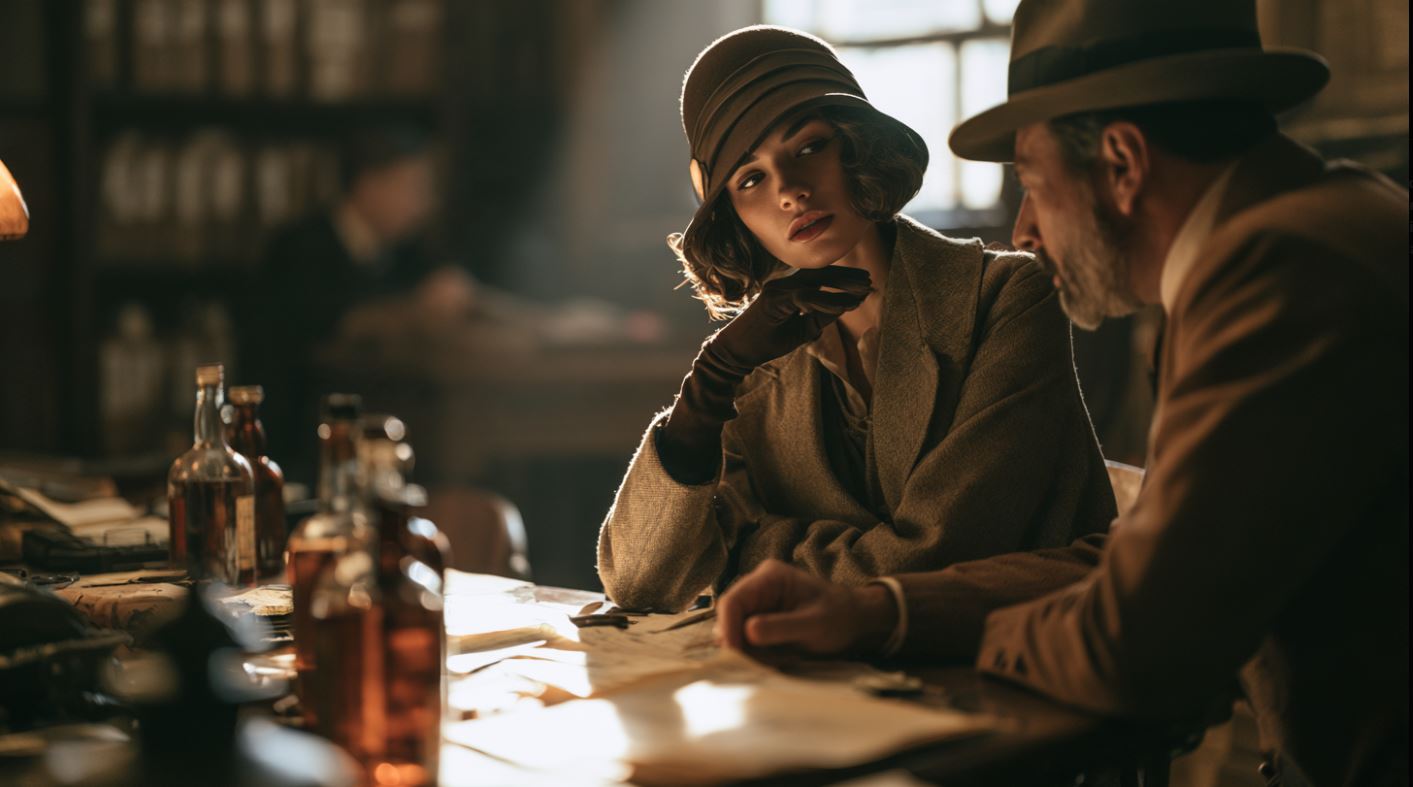
A good bartender could identify a bad batch before the first customer complained. He knew which supplier was cutting corners, which liquor needed aggressive mixing, which glasses to avoid pouring neat. He learned to taste carefully and speak less.
Bartenders also became gatekeepers. In mob-run speakeasies, they controlled access, pace, and atmosphere. A drink poured strong could signal trust. A drink poured weak could be a warning. Refusal to serve was rarely loud—but it was absolute.
Craft, in this context, meant discretion.
Recipes were guarded. Adjustments were made quietly. The best bartenders didn’t write anything down. Memory was safer than paper.
In many ways, modern mixology owes more to these illegal craftsmen than to any culinary movement that followed.
| Make Him a Drink He Can’t Refuse |
Cocktails as Criminal Language
In speakeasies tied to organized crime, cocktails became coded speech.
Ordering the house drink without asking for details signaled familiarity. Requesting substitutions could mark someone as an outsider. Certain cocktails were poured only in certain rooms, at certain times, for certain people.
The drink itself communicated status. So did the glass, the garnish, the pace of refills. Even the temperature mattered. Warm liquor suggested haste—or disrespect. Cold drinks meant preparation.
This language was never written. It didn’t need to be.
Everyone who mattered understood it.
Prohibition’s Long Shadow
When Prohibition ended in 1933, the damage to American drinking culture was already permanent.
Cocktails didn’t disappear. They flourished. Recipes refined. Ingredients improved. The sweetness receded, but the structure remained. Americans had learned to expect complexity in their glasses—even if they no longer needed it for protection.
The mob, too, carried these lessons forward. Bars and nightclubs remained gathering places. Alcohol remained social lubricant and strategic tool. What changed was visibility, not function.
The modern cocktail renaissance—its obsession with balance, bitterness, and history—traces a direct line back to Prohibition. Not because it was glamorous, but because it was adaptive.
The best drinks America ever created were born from its worst liquor.
Why This History Still Matters
Understanding mafia cocktail history isn’t about nostalgia. It’s about recognizing how culture bends under pressure.
Prohibition didn’t make Americans stop drinking. It made them inventive. It made bartenders essential. It made criminals into distributors of taste. And it permanently altered what Americans expect from a drink.
Every sour, every Old Fashioned, every carefully balanced cocktail carries a shadow of that era—of bad liquor, good cover, and better storytelling.
The glass remembers, even if we don’t.
References
- Federal Bureau of Investigation, Prohibition-Era Organized Crime Files
- National Archives, Bureau of Prohibition Reports
- Wondrich, David. Imbibe!
- Lender, Mark Edward & Martin, James Kirby. Drinking in America
- Kobler, John. Capone
- Repetto, Thomas. The Blue Parade
- Kefauver Committee Hearings, U.S. Senate