Louis Capone: The Ice-Cold Killer Behind Murder, Inc.
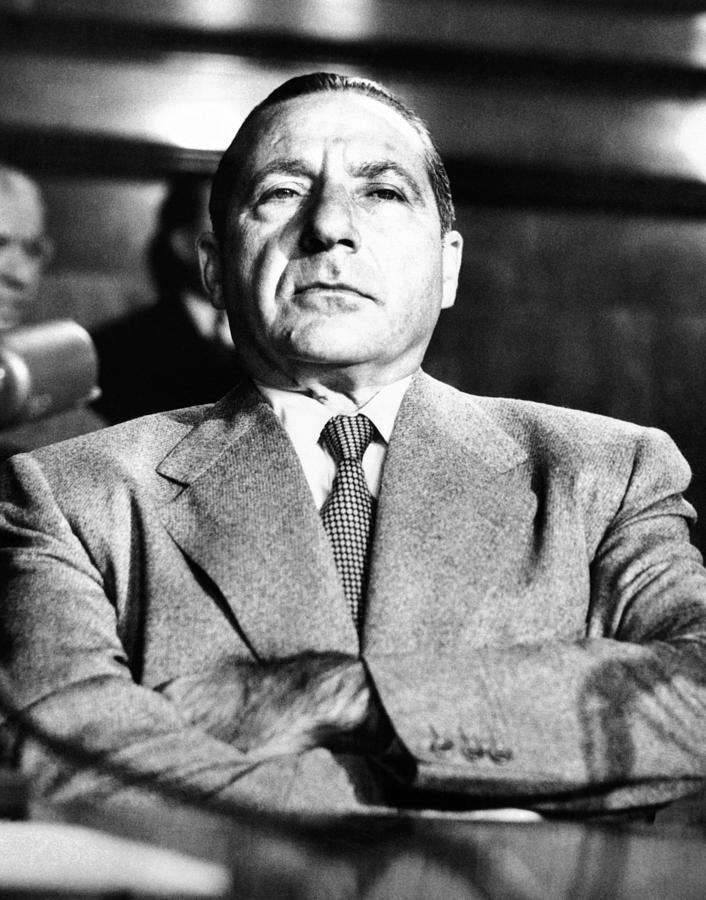
Louis Capone had one of the most misleading names in organized crime history.
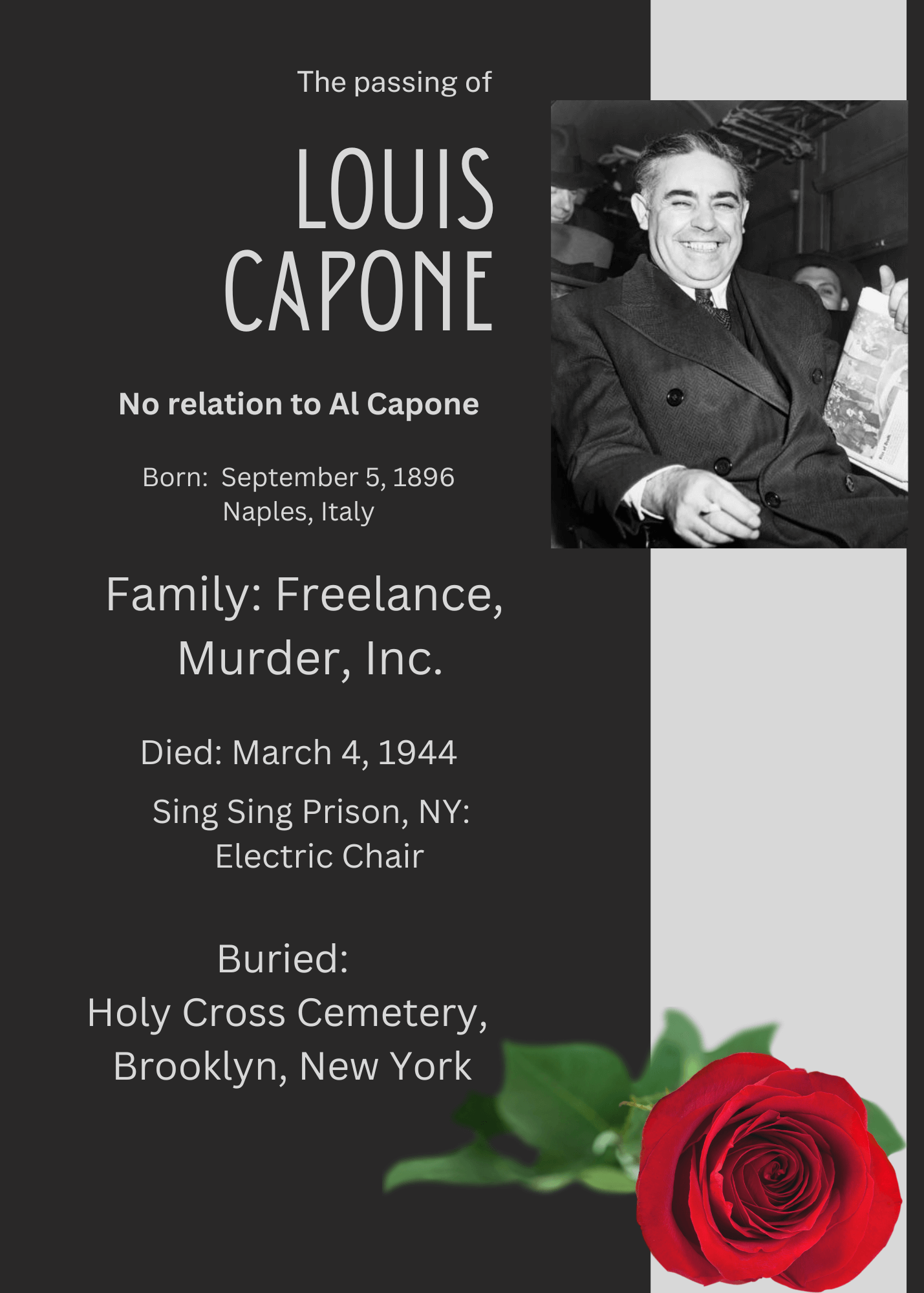
No relation to Al Capone. No national celebrity status. No cigar-chomping mythology wrapped in flashy headlines and machine-gun photographs.
Instead, Louis Capone operated in darker territory—inside the brutal machinery of Murder, Inc., where killing became systematized business carried out quietly, efficiently, and with terrifying regularity.
If gangsters like Al Capone symbolized the public spectacle of organized crime, Louis Capone represented its hidden engine room. He was not famous because men like him were never supposed to be famous.
They were supposed to make people disappear.
Brooklyn and the Rise of Murder, Inc.
Louis Capone was born in Brooklyn around 1896 into the hard immigrant neighborhoods that helped produce America’s organized crime networks during the early twentieth century.
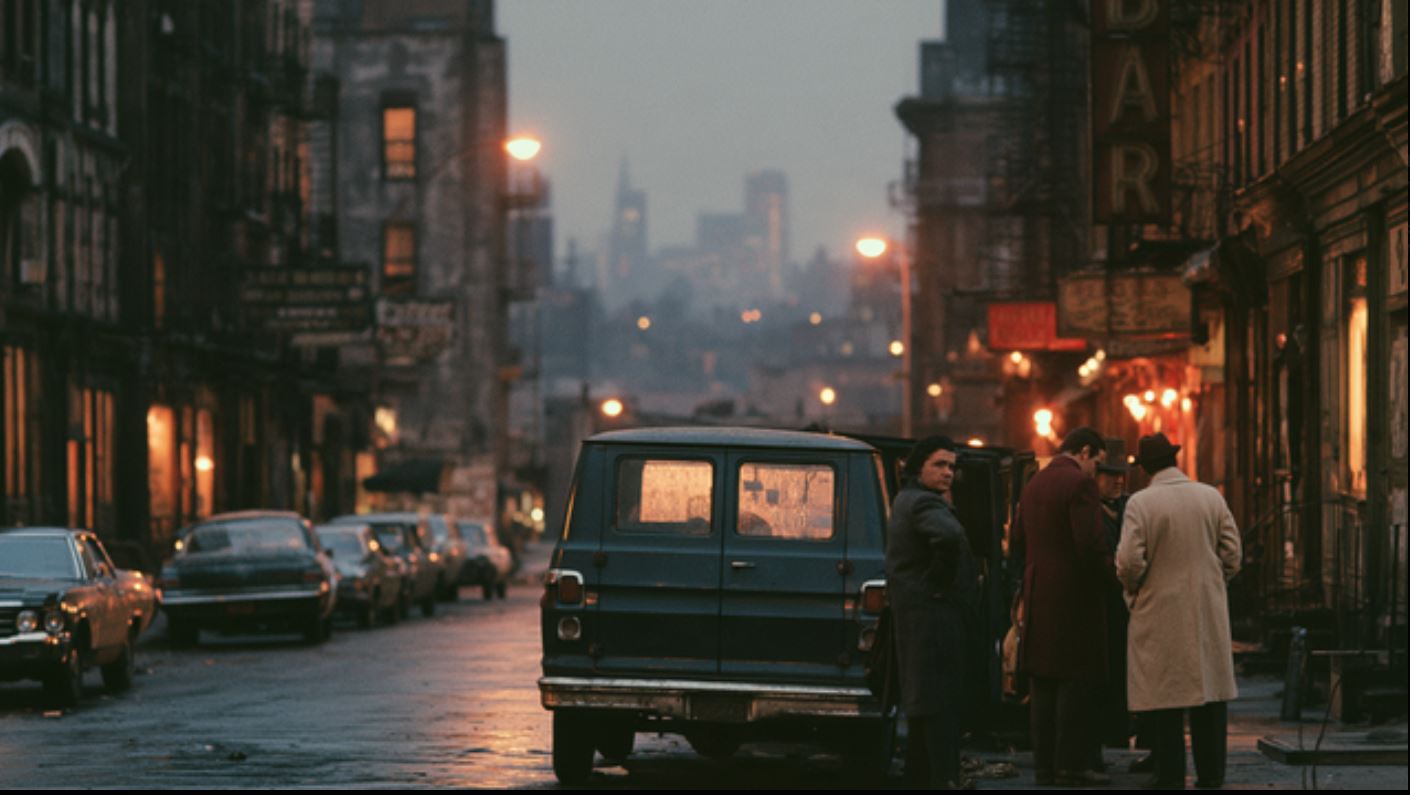
Brooklyn at the time was a breeding ground for gangs, labor racketeering, political corruption, gambling operations, and violent criminal crews competing block by block for influence. Poverty and survival shaped everything. Young men learned quickly that fear often paid better than honest labor. Capone entered criminal life through those streets.
Unlike glamorous gangsters who cultivated celebrity images, Capone developed a reputation as a disciplined underworld operator. He reportedly became connected to enforcement crews and criminal networks tied to organized gambling, extortion, and racketeering operations throughout New York.
Eventually, he drifted toward the organization that would define his life: Murder, Inc.
Murder for Hire
Murder, Inc. was not a formal corporation despite the name.
It functioned more like a national killing service connected loosely to the American Mafia and organized crime syndicate leadership during the 1930s and early 1940s. The organization allegedly operated under figures such as Louis Buchalter and Albert Anastasia.
Its purpose was brutally simple: Carry out murders for organized crime leadership while insulating high-level bosses from direct involvement. Contract killings became centralized. Professionalized. Industrialized.
Gunmen traveled city to city eliminating informants, rebellious associates, labor organizers, rivals, and anyone else deemed dangerous to syndicate interests.
Louis Capone became part of that machinery.
Not a Shooter — Something Worse
Unlike infamous Murder, Inc. killers such as Frank Abbandando or Harry Strauss, Louis Capone was not primarily known as a trigger man.
That distinction matters.
Capone reportedly functioned more as an organizer, facilitator, and logistical coordinator inside Murder, Inc. He helped arrange murders, transportation, body disposal, and operational planning connected to the organization’s killings.
In many ways, that role was colder. The shooters acted on impulse and adrenaline. Men like Louis Capone turned murder into administration.
That transformation reflected the evolution of organized crime itself during the 1930s. The underworld no longer depended entirely on emotional revenge or neighborhood feuds. Violence became calculated infrastructure serving national criminal business interests.
Murder became procedure.
The Murder of Joseph Rosen
The crime that ultimately destroyed Louis Capone involved the 1936 murder of Joseph Rosen.
Rosen, a former truck driver and candy store owner, had become connected to disputes involving organized crime operations and labor racketeering. Syndicate leaders reportedly feared he might cooperate with authorities.
That possibility alone often functioned as a death sentence.
Murder, Inc. allegedly arranged Rosen’s assassination as part of its enforcement operations. Prosecutors later argued that Capone helped organize and facilitate the killing alongside other underworld figures.
For years, organized crime murders remained difficult to prosecute because witnesses disappeared, juries feared retaliation, and the Mafia enforced silence ruthlessly.
Then the system cracked.
Abe Reles Breaks the Silence
The collapse began when Abe Reles turned government witness.
Reles had participated directly in organized crime violence before cooperating with prosecutors under enormous pressure. His testimony exposed extensive details about Murder, Inc.’s operations, including murders, internal structures, and the identities of participants.
Suddenly, the invisible organization became horrifyingly real to the American public. Reles implicated Louis Capone and others in the Rosen murder conspiracy. The underworld’s secrecy began collapsing under sworn testimony.
And once insiders started talking, the executions came quickly.
Trial and Conviction
Capone stood trial alongside fellow organized crime figures tied to the Rosen murder.
The case became part of a larger national reckoning with Murder, Inc. and the realization that organized crime had evolved into a coordinated national system capable of carrying out contract killings across multiple states.
The testimony shocked juries and newspapers alike. Killings arranged casually. Bodies disposed of systematically. Murder discussed like transportation schedules or business invoices.
Capone maintained his innocence, but prosecutors presented enough evidence and insider testimony to secure conviction. The state wanted to make an example of Murder, Inc. And it succeeded.
The Electric Chair
In 1944, Louis Capone was executed in the electric chair at Sing Sing Correctional Facility alongside fellow Murder, Inc. figures Louis Buchalter and Emanuel Weiss.
The executions carried enormous symbolic weight.
For years, organized crime leaders believed they could insulate themselves from direct legal accountability through layers of violence and secrecy. Murder, Inc. existed precisely to protect higher-ranking syndicate figures from prosecution.
But now the state had pierced the machinery. The electric chair became the government’s answer to industrialized murder.
Murder, Inc. and the Modern Underworld
Louis Capone’s life revealed something deeply unsettling about the evolution of organized crime in America. The Mafia and national syndicates had stopped functioning merely as neighborhood gangs. They became systems.
Structured organizations capable of coordinating murder, labor corruption, extortion, gambling, and political influence across state lines. Men like Capone operated behind the scenes ensuring the machinery worked smoothly.
He was not glamorous. He was functional.
And functionality can become horrifying when attached to organized violence.
The Legacy of Louis Capone
Louis Capone remains overshadowed by louder and more mythologized gangsters from the same era.
That obscurity almost feels appropriate.
He belonged to the hidden side of organized crime—the administrators, planners, and logistical operators who transformed murder from emotional street violence into organized business procedure.
Unlike celebrity criminals such as Bugsy Siegel or public bosses like Joe Colombo, Capone existed largely in shadows.
But shadows often hold the darkest figures.
In noir terms, Louis Capone was the quiet man sitting in the back office while others discussed who needed to disappear next.
No anger. No speeches. Just business. And eventually, the machinery carried him away too.
Click the links below to see where he is buried.