The Westies vs. the Mafia: Why the Five Families Feared a Small Irish Gang
New York City has always been a city of territories. Neighborhoods were kingdoms. Street corners were borders. Bars, construction sites, unions, and gambling rooms were sources of power. For decades, the Italian-American Mafia ruled those territories through the Five Families—the Gambino, Genovese, Lucchese, Bonanno, and Colombo crime families. They controlled rackets, infiltrated unions, influenced politicians, and built a criminal empire that stretched from New York to cities across America.
But in the shadow of Manhattan’s skyscrapers, in the rundown streets of Hell’s Kitchen, another group emerged. They did not have the manpower of the Mafia. They did not have a national network. They did not have the protection of a legendary crime organization built over generations.
They had something else. Fear.
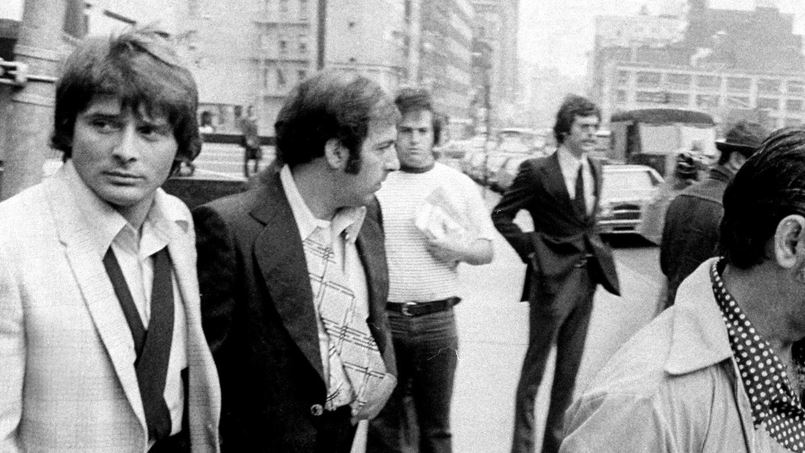
The Westies, an Irish-American gang born from the violent streets of Hell’s Kitchen, became one of the most feared criminal organizations in New York during the 1970s and early 1980s. Their reputation for brutality was so extreme that even seasoned Mafia figures viewed them with caution. The Westies were not feared because they were bigger than the Mafia. They were feared because they were unpredictable.
They were street soldiers who operated with the mentality of a neighborhood war machine.
Hell’s Kitchen: A Neighborhood Built on Survival
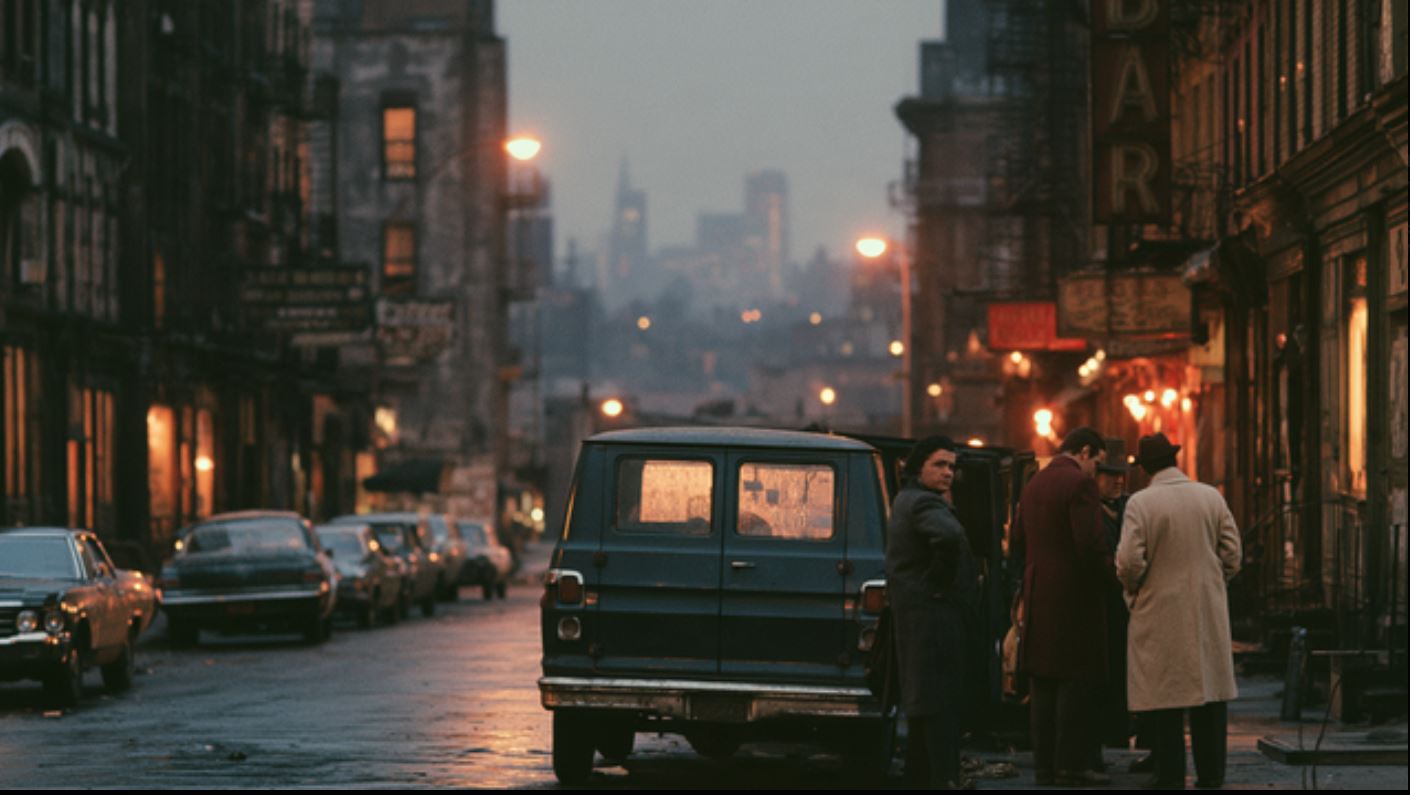
Before the Westies became infamous, Hell’s Kitchen was one of Manhattan’s toughest neighborhoods. Located on the West Side of Midtown Manhattan, the area was shaped by generations of Irish immigrants who arrived seeking work and opportunity. Many found employment along the waterfront, in factories, on the docks, and in construction.
But poverty, overcrowding, and political corruption created an environment where street gangs flourished.
By the early twentieth century, Hell’s Kitchen had developed a reputation for violence. Groups such as the Gophers and Hudson Dusters fought for control of the neighborhood. The area produced criminals, politicians, labor leaders, and ordinary working-class families living alongside each other.
The neighborhood’s relationship with organized crime changed during Prohibition. Irish gangs became involved in bootlegging and protection rackets, but as Italian Mafia families consolidated power after the Castellammarese War of 1931, many Irish criminals found themselves pushed into secondary roles.
The Mafia had organization. It had hierarchy. It had tradition. ut Hell’s Kitchen had resentment.
By the 1960s and 1970s, the neighborhood was deteriorating. The old Irish political machine had weakened. Manufacturing jobs disappeared. Crime increased. Abandoned buildings and struggling businesses created an environment where a violent organization could take root.
That organization became the Westies.
| Five Families: Blood, Power, and the Empire Beneath New York |
Jimmy Coonan and the Birth of the Westies
The man most associated with the rise of the Westies was James “Jimmy” Coonan.
Born and raised in Hell’s Kitchen, Coonan came from the streets. Unlike Mafia leaders who often came through decades of apprenticeship and criminal connections, Coonan built his reputation through intimidation and violence.
In the early 1970s, Coonan began challenging the existing neighborhood power structure controlled by Irish gangster Mickey Spillane. Spillane had dominated Hell’s Kitchen for years, controlling gambling operations, loansharking, and protection rackets.
But Coonan belonged to a younger and more aggressive generation. After serving time in prison, he returned to New York determined to seize control. He gathered a group of violent associates who became known as the Westies—a name derived from the West Side location of Hell’s Kitchen.
Their methods were simple. Eliminate opponents. Create fear. Take control.
The Westies became notorious for murders, extortion, and intimidation. They developed a reputation for violence that went beyond traditional organized crime. Mafia families often killed rivals for business reasons, but the Westies developed a reputation for killing as a means of domination.
They wanted people to know what happened when someone crossed them.
Why the Mafia Took Notice
At first glance, the Westies should have been insignificant compared to the Mafia.
The Five Families had thousands of members and associates. They controlled unions, gambling operations, construction companies, and illegal businesses throughout the city. The Westies were a neighborhood gang. But New York organized crime was changing.
By the 1970s, the Mafia faced increasing pressure from law enforcement. Federal investigations, electronic surveillance, and aggressive prosecutors were exposing traditional mob operations. The old structure of secret meetings and unquestioned obedience was beginning to weaken.
The Mafia needed street-level muscle. The Westies provided it.
Their location also made them valuable. Hell’s Kitchen sat near some of Manhattan’s most profitable areas, including the garment district, theaters, construction projects, and valuable real estate. Control of the neighborhood meant access to money.
The Gambino crime family, under the influence of powerful figures such as Roy DeMeo and later Paul Castellano, developed relationships with the Westies. The arrangement was typical of organized crime.
The Mafia provided connections. The Westies provided violence. It was an alliance built on mutual benefit. But alliances between criminals rarely remain stable.
The Gangsters Who Made the Westies Infamous
The Westies became linked with some of the darkest figures in New York crime history.
Jimmy Coonan was the strategist and leader, but men such as Eddie “The Butcher” Cummiskey and Mickey Featherstone became symbols of the gang’s violent reputation.
Featherstone, in particular, became one of the most important figures in the Westies story. A former Marine with a reputation for toughness, he became deeply involved with the gang’s criminal activities. But as internal conflicts grew, Featherstone eventually turned against Coonan and cooperated with federal authorities.
His testimony helped expose the organization and sent several Westies members to prison. The same code that held criminal organizations together—loyalty—also became their greatest weakness. The Westies demanded absolute loyalty. Betrayal was considered unforgivable.
But eventually, someone broke.
| Murder at Sparks: The Bloody Prelude to the Execution of Paul Castellano |
The Mafia’s Greatest Lesson: Violence Without Control Becomes a Liability
The Mafia understood something that the Westies never fully mastered. Fear can build an empire. But control maintains one.
The Italian Mafia survived for generations because it developed rules, structures, and leadership systems. Violence was a tool, not the entire business model.
The Westies relied heavily on intimidation. Their reputation became so extreme that they attracted enormous law enforcement attention. The murders that made them feared also became evidence used against them.
By the 1980s, federal investigators had dismantled much of the organization. Coonan received a lengthy prison sentence. Other members were convicted or disappeared from the criminal landscape.
The neighborhood that created them also changed. Hell’s Kitchen began a long transformation from one of New York’s most dangerous areas into a desirable Manhattan neighborhood.
The Westies became a legend.
But legends in organized crime are rarely glamorous. Behind the stories of gangsters, expensive suits, and whispered alliances are broken lives, murdered rivals, and men who believed fear could protect them forever. The Westies proved something the Mafia already understood.
The most dangerous criminals are not always the ones with the largest armies. Sometimes they are the ones with nothing left to lose.
References:
Bender, Thomas. New York Intellect: A History of Intellectual Life in New York City, from 1750 to the Beginnings of Our Own Time. New York: Alfred A. Knopf, 1987.
Capeci, Jerry, and Gene Mustain. Murder Machine: A True Story of Murder, Control, and Money on the Streets of New York. New York: Dell Publishing, 1992.
Davis, John H. Mafia Dynasty: The Rise and Fall of the Gambino Crime Family. New York: HarperCollins, 1993.
English, T. J. The Westies: Inside New York’s Irish Mob. New York: St. Martin’s Press, 1990.
Jacobs, James B., Coleen Friel, and Robert Radick. Gotham Unbound: How New York City Was Liberated from the Grip of Organized Crime. New York: New York University Press, 1999.
Maas, Peter. Underboss: Sammy the Bull Gravano’s Story of Life in the Mafia. New York: HarperCollins, 1997.
Sifakis, Carl. The Mafia Encyclopedia. New York: Facts On File, 2005.
Smith, Greg B. The Return of the King: The Fall and Rise of the Mafia in America. New York: Simon & Schuster, 2012.