Frank Costello: The Diplomat of the American Mafia
There were gangsters who ruled with fear. Others ruled with chaos, bloodshed, and loud reputations built on public violence. Frank Costello ruled differently. He preferred soft voices to screaming matches, tailored suits to flashy jewelry, and political favors to public executions. While other mobsters cultivated terror, Costello cultivated influence.
He understood a dangerous truth about American power: politicians, judges, businessmen, and police commissioners could be more valuable than gunmen.
In the smoky mythology of organized crime, Costello became known as “The Prime Minister of the Underworld,” a title that fit him perfectly. He did not simply command criminals. He negotiated with power itself. During the height of his influence, few men in America—inside or outside government—possessed a broader network of political corruption and social leverage.
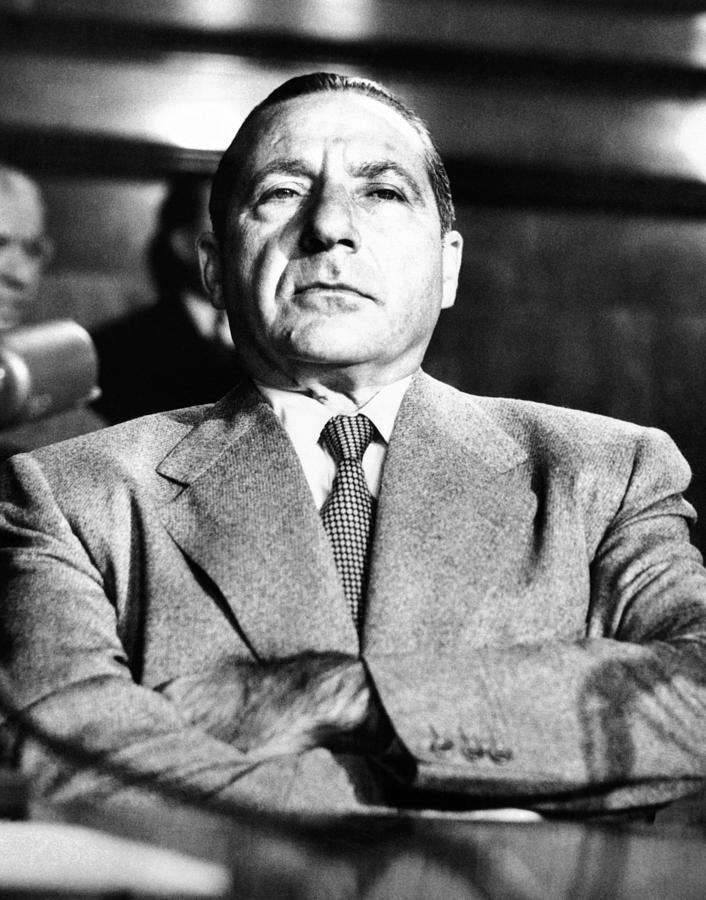
Unlike more theatrical gangsters, Costello rarely looked like a movie villain. That was part of his strength. He appeared calm, measured, almost respectable. Beneath that polished exterior lived one of the most politically connected mob bosses in American history.
From Calabria to the Streets of New York
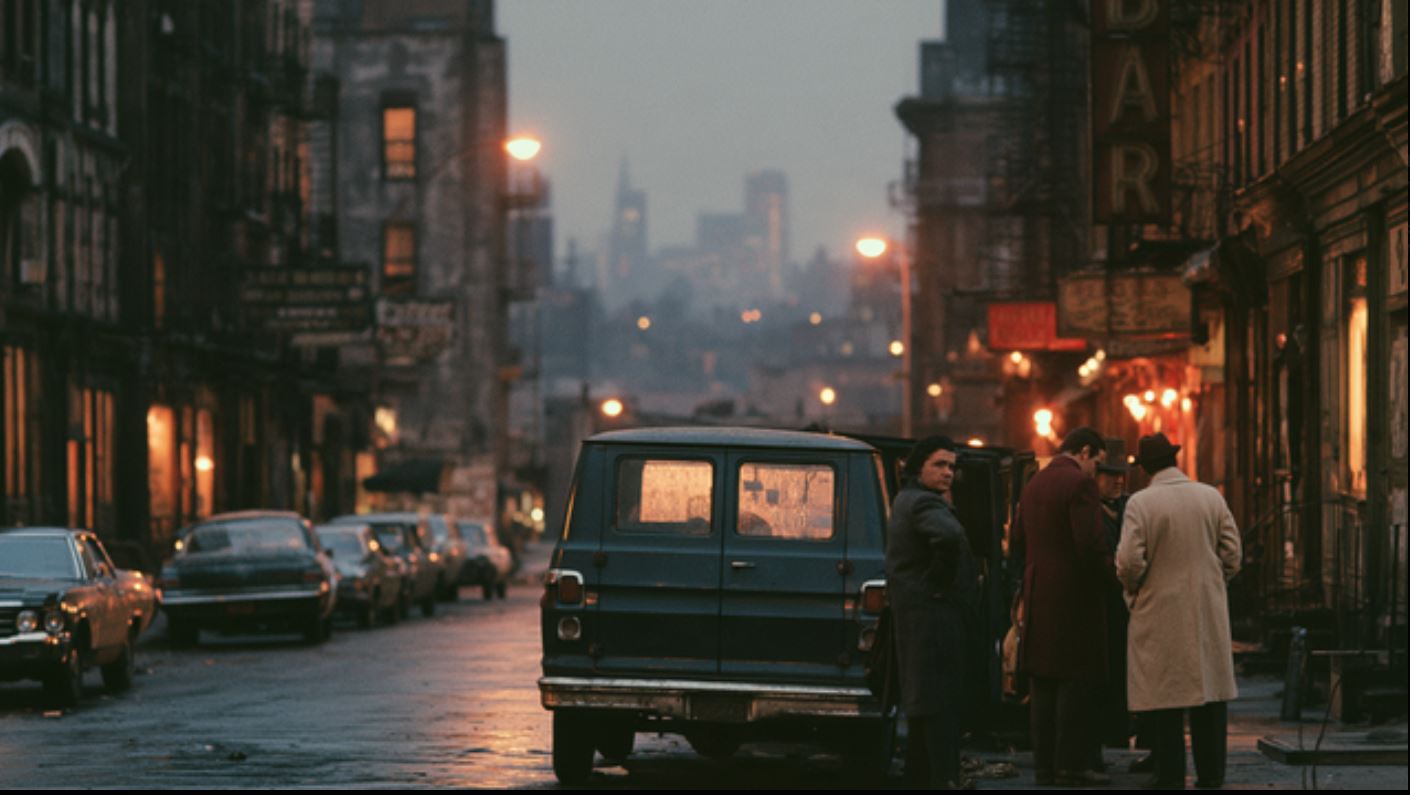
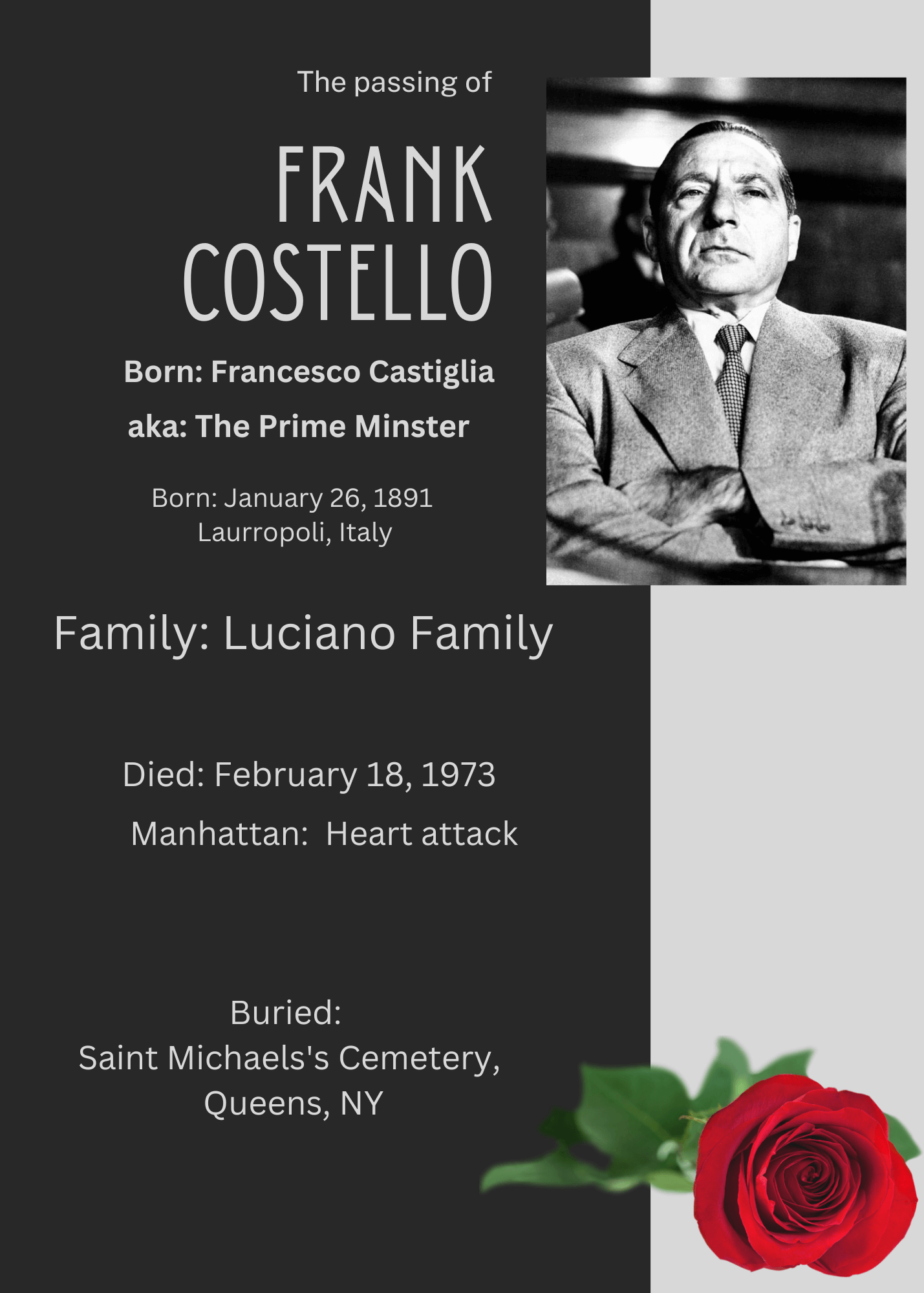
Frank Costello was born Francesco Castiglia in Calabria, Italy, in 1891. Like millions of immigrants during the period, his family came to America searching for opportunity and survival. They settled in East Harlem, where poverty, overcrowding, and street violence shaped daily life.
Young Costello quickly discovered that legal opportunity came slowly for immigrant families, but illegal opportunity moved fast.
He joined neighborhood gangs as a teenager and was arrested multiple times before reaching adulthood. Unlike many future mobsters, however, Costello showed little interest in becoming a street enforcer. He disliked unnecessary violence and avoided carrying weapons whenever possible. Prison convinced him that impulsive criminals ended up dead or forgotten.
He wanted influence, not headlines.
By the 1910s and 1920s, Costello moved deeper into organized crime networks, forming relationships with rising figures like Charles “Lucky” Luciano, Meyer Lansky, and Benjamin “Bugsy” Siegel. Together, they represented a younger generation of gangsters less bound by Old World traditions and more interested in profit, efficiency, and cooperation.
Costello fit naturally into Luciano’s emerging vision of organized crime. He could speak comfortably with politicians, businessmen, gamblers, and killers alike. In a criminal world filled with ego and paranoia, Costello became a stabilizing force.
Prohibition and the Rise of a Political Gangster
The arrival of Prohibition in 1920 transformed organized crime into a national economic engine. Illegal liquor generated staggering profits, and gangsters who once controlled neighborhood rackets suddenly commanded empires.
Costello thrived.
While others focused on hijackings and street warfare, Costello concentrated on political protection. He bribed police officers, judges, city officials, and state politicians with surgical precision. He understood that bootlegging operations survived only when government institutions were compromised from within.
His real weapon was not the Tommy gun.
It was access.
Costello became an expert at manipulating political systems quietly. He built relationships with Tammany Hall figures, judges, and influential bureaucrats throughout New York. Politicians who publicly condemned organized crime often accepted envelopes from men connected to Costello behind closed doors.
He preferred corruption without spectacle.
During the violent Castellammarese War of the early 1930s, Costello aligned himself with Luciano’s faction against old-style Mafia bosses like Giuseppe “Joe the Boss” Masseria and Salvatore Maranzano. When Luciano emerged victorious and reorganized the American Mafia through The Commission, Costello became one of the organization’s most important strategists.
If Luciano designed the structure, Costello helped make it politically untouchable.
The Luciano Family and the Costello Era
After Luciano’s imprisonment in 1936 and eventual deportation, Costello rose to enormous power within what became known as the Luciano crime family, later the Genovese family. Official titles mattered less than influence, and Costello possessed influence everywhere.
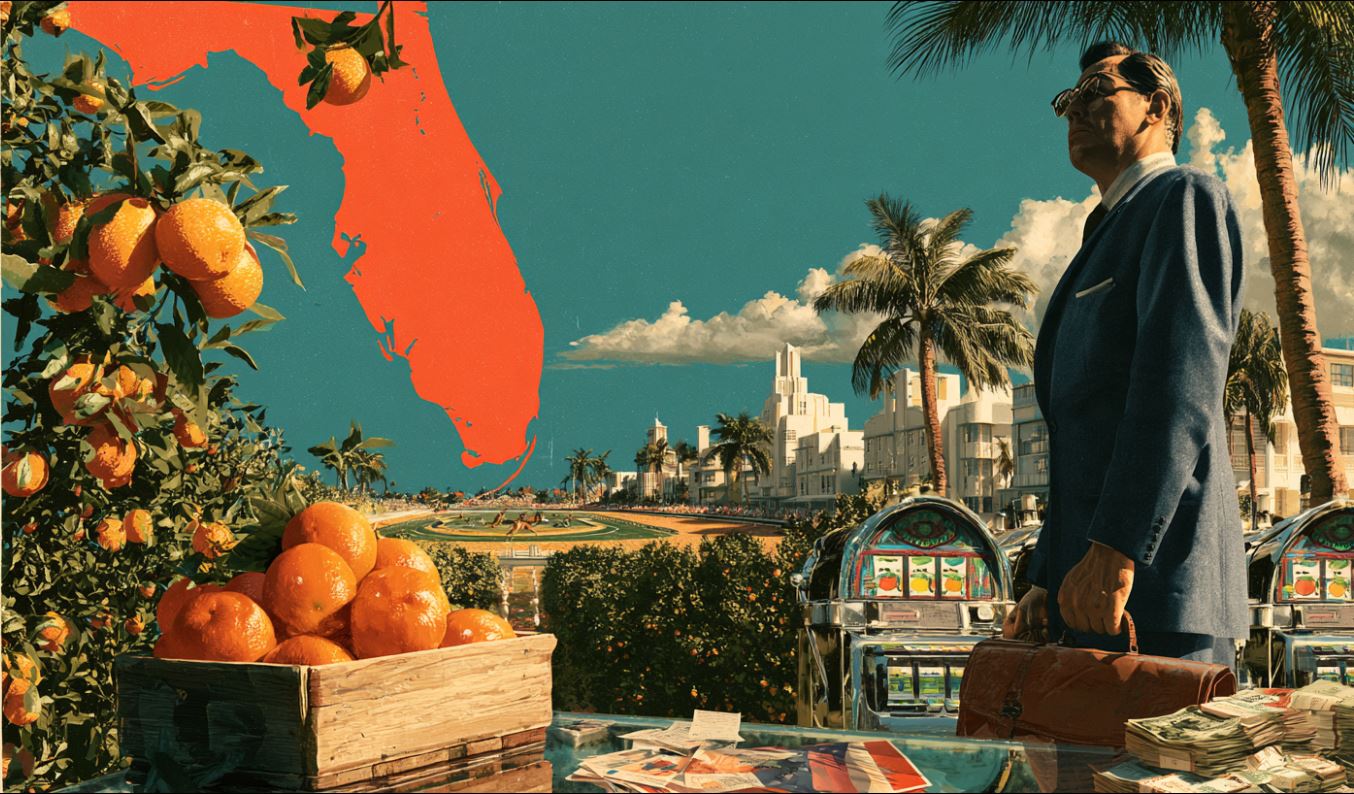
He controlled gambling rackets across New York and beyond, including slot machine operations stretching into Louisiana and the American South. Politicians received campaign support, favors, and direct cash payments in exchange for protection.
Costello’s greatest talent was making organized crime appear respectable enough for politicians to tolerate.
He avoided unnecessary violence because violence attracted public outrage and aggressive prosecutors. Money moved more quietly through casinos, unions, race wires, and political machines than through corpses left in the street.
He also understood media perception better than many gangsters of his era. Costello dressed conservatively, spoke carefully, and rarely behaved like a caricature of a mob boss. Reporters sometimes described him as charming and intelligent. That image frustrated law enforcement officials who wanted the public to see organized crime leaders as obvious monsters.
Costello preferred looking like a businessman.
In many ways, he was one.
The Kefauver Hearings
By the early 1950s, America could no longer ignore organized crime’s expanding national reach. Public concern exploded during the televised Kefauver Hearings, led by Senator Estes Kefauver.
Millions of Americans watched gangsters questioned on live television for the first time.
Costello became the hearings’ most memorable figure.
Refusing to show his face on camera, he allowed only his hands to appear during testimony. The image became iconic: nervous fingers adjusting papers, lighting cigarettes, and gripping chair arms while answering questions calmly in a measured voice.
The performance fascinated the country.
Unlike volatile mobsters who appeared threatening or unstable, Costello sounded composed and rational. When asked what he had contributed to the nation, Costello famously replied, “Paid my tax.”
The line captured his worldview perfectly. He saw himself not as an outlaw but as a businessman operating within America’s corrupt realities.
Yet the hearings damaged him politically. Public scrutiny intensified. Law enforcement agencies increased pressure. Rivals inside organized crime sensed vulnerability.
And among those rivals stood a dangerous man growing impatient with Costello’s diplomacy.
Vito Genovese and the Attempted Assassination
Vito Genovese represented everything Costello did not. Genovese favored intimidation, raw force, and aggressive consolidation of power. He viewed Costello as too political, too soft, and too exposed.
By the mid-1950s, conflict between the two men became inevitable.
In 1957, gunman Vincent Gigante approached Costello in the lobby of his Manhattan apartment building and fired a shot at his head. Miraculously, the bullet only grazed Costello’s scalp.
Costello survived.
The assassination attempt shook him deeply. Though he lived, the message was unmistakable: his era was ending.
Rather than launch a bloody war, Costello stepped back from official leadership. It was a decision consistent with his lifelong philosophy. Endless violence disrupted business. Survival mattered more than pride.
Even in retreat, however, Costello retained enormous influence as an adviser and political intermediary. Younger gangsters continued seeking his guidance long after his formal power declined.
Las Vegas and National Gambling
Costello also played a major role in expanding organized crime’s gambling interests beyond New York. Alongside Lansky and other syndicate figures, he helped finance casino operations in Las Vegas during its transformation from desert outpost into America’s gambling capital.
Men like Costello recognized what Vegas represented before most politicians did: legalized gambling could produce fortunes while providing a respectable public face for syndicate money.
The Mafia did not merely infiltrate Las Vegas.
It helped build it.
Costello’s fingerprints existed everywhere in mid-century gambling operations, from New York bookmakers to Nevada casinos. He understood that the future of organized crime depended less on street extortion and more on integrating illegal money into legitimate-looking industries.
The Final Years
Unlike many mob bosses, Frank Costello survived into old age.
That alone made him unusual.
He spent his later years living quietly, avoiding publicity while maintaining relationships throughout political and criminal circles. Though no longer the dominant power he once was, he remained respected because of his intelligence and restraint.
Costello died in 1973 at the age of 82.
By then, America had changed dramatically. The golden age of Mafia political protection was beginning to erode under federal investigations, wiretaps, and organized crime prosecutions. But for decades, Frank Costello had operated in a world where judges, senators, police officials, and gangsters often occupied overlapping shadows.
He was never the loudest gangster.
Never the bloodiest.
Never the most feared in a room full of killers.
But Frank Costello understood something many violent men never learned: in America, power often belongs not to the man holding the gun, but to the man quietly controlling the table where everyone else sits.
Click the links below to see where he is buried.