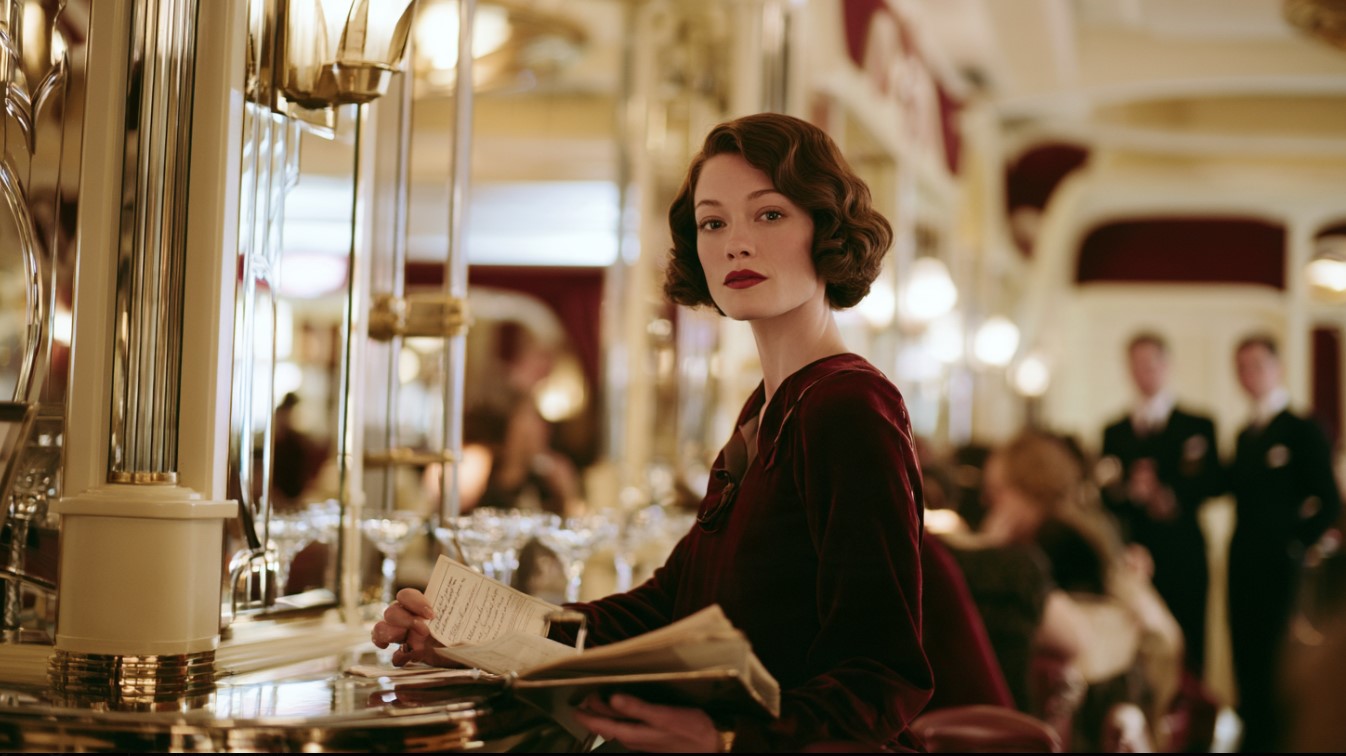
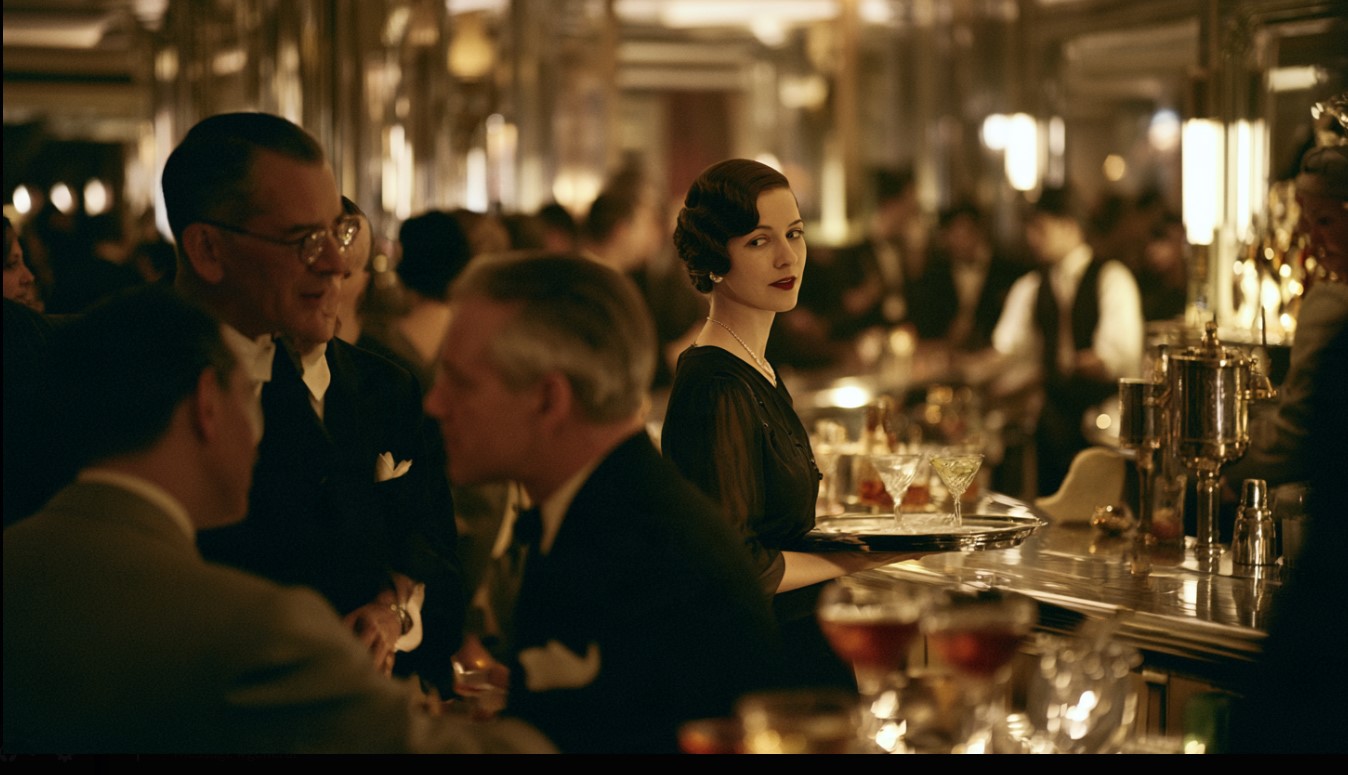
Fixers Without Titles
Not every woman involved in Mafia nightlife had a title that appeared on a business card. Some simply became the person everyone called when something went wrong.
A performer failed to show up. A bartender disappeared with part of the night’s receipts. A supplier demanded payment at the wrong moment. Two employees were fighting. A regular customer had become too aggressive. Someone needed a temporary apartment, transportation, an introduction, or a quiet place to disappear for a few days.
The fixer handled it.
Her authority did not necessarily come from rank. It came from relationships. She knew who could be approached directly and who required careful handling. She knew which argument could be settled with money, which needed an apology, and which would only become worse if the wrong person became involved.
That made emotional intelligence a practical form of power.
A male enforcer could intimidate someone into compliance, but intimidation created resentment and attention. A woman who could persuade two angry people to leave the room before the argument became physical might accomplish the same objective without creating a scene. In a nightclub, where reputation and discretion were essential, that could be more valuable than muscle.
Fixers also operated in the gray areas between the legitimate and criminal worlds. They might know landlords, hotel employees, entertainers, bartenders, politicians, police officers, or the wives of influential men. Their networks could cross boundaries that were difficult for a known gangster to cross without attracting notice.
Their names rarely appeared in organizational charts because there often was no organizational chart.
There was simply the phone call.
And when somebody answered, things got done.
| The Women on the Lease
|