Why History Forgot Them
History has a habit of remembering the man at the center of the room.
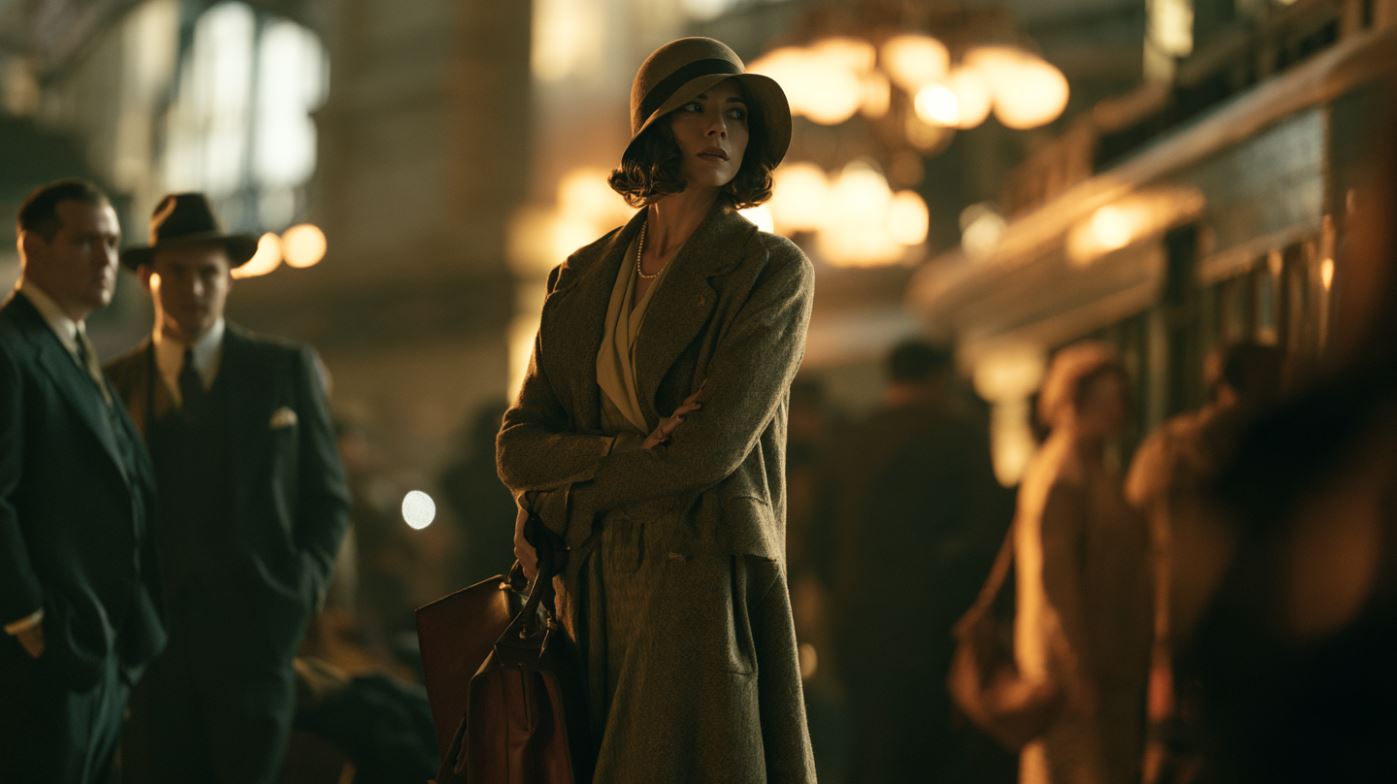
The gangster sitting at the table gets a biography. The nightclub owner becomes a headline. The famous enforcer gets a nickname that survives for generations. The woman who managed the room, handled employees, knew the customers, and quietly kept the operation functioning may receive little more than a passing reference.
Part of the problem is the way organized crime has traditionally been documented. Police reports, newspaper stories, congressional investigations, and later books often concentrated on formal ownership, known mobsters, arrests, murders, and prosecutions. Those records naturally favored people whose names were already familiar to investigators. Women operating around the edges could disappear from the narrative simply because nobody considered their role important enough to document.
Sometimes the invisibility was deliberate.
A woman who understood the value of discretion had every reason not to advertise her involvement. She did not need a reputation. A reputation attracted attention, and attention was bad for business. Staying out of photographs, avoiding newspaper headlines, and allowing men to receive the public credit could be a form of self-preservation.
| The Women on the Lease |
There was another problem: assumptions.
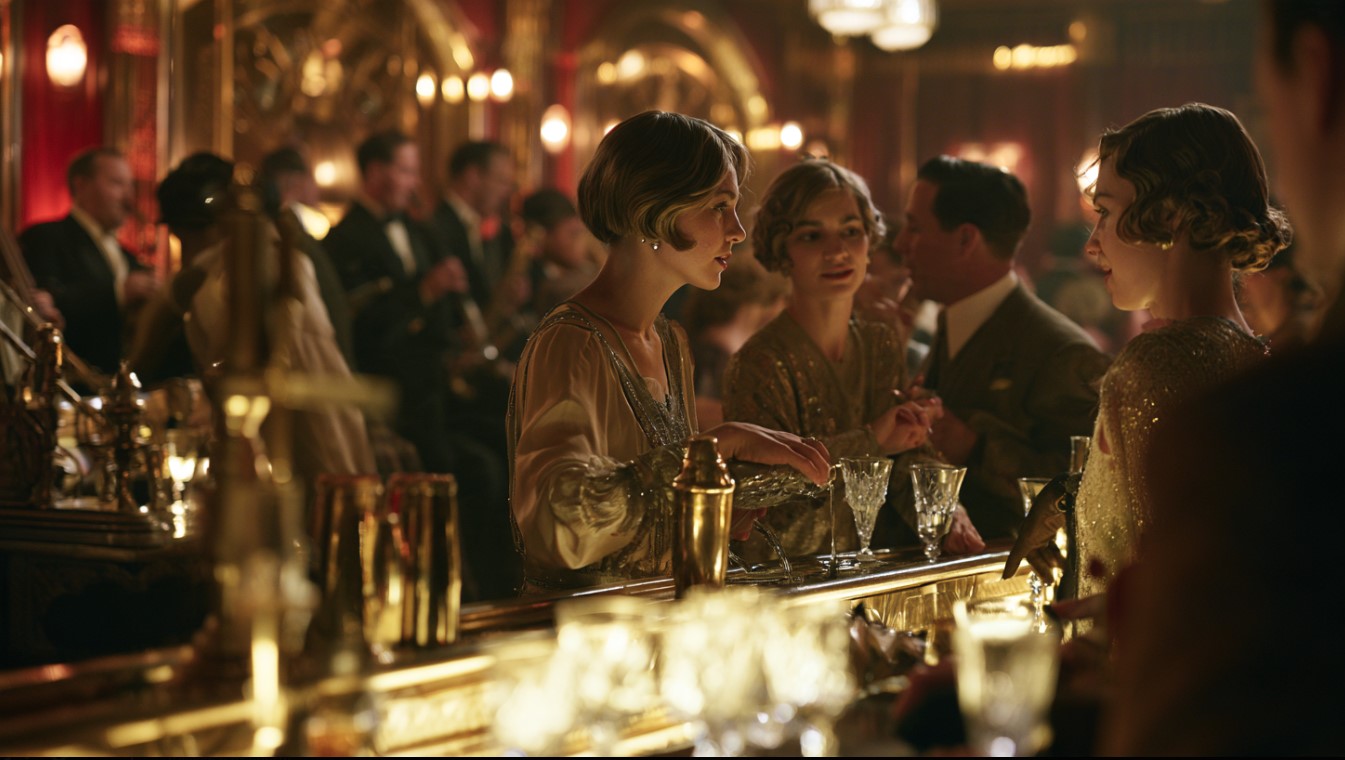
A woman behind a bar was often presumed to be serving drinks. A hostess was assumed to be entertaining customers. A female proprietor could be dismissed as someone’s girlfriend, wife, widow, or relative. Those assumptions made it easier to overlook the possibility that she understood the money, the people, and the operation better than anyone realized.
| Hostesses as Intelligence Assets |
The historical record is therefore full of shadows. Sometimes the absence of a woman’s name doesn’t mean she wasn’t there.
It means being forgotten may have been part of the job.
| Fixers Without Titles |