Santo Trafficante Jr.: The Shadow King of Havana and Tampa
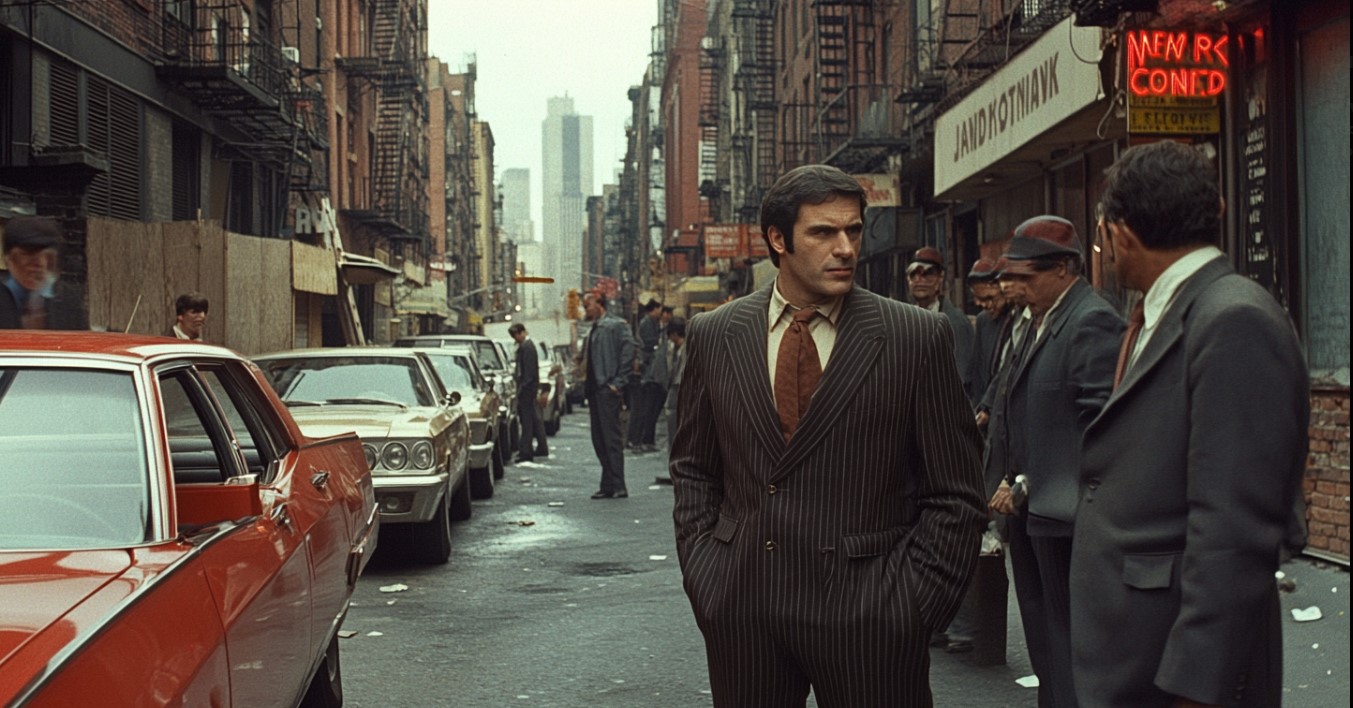
Santo Trafficante Jr. rarely raised his voice. He did not need to. Men listened anyway.
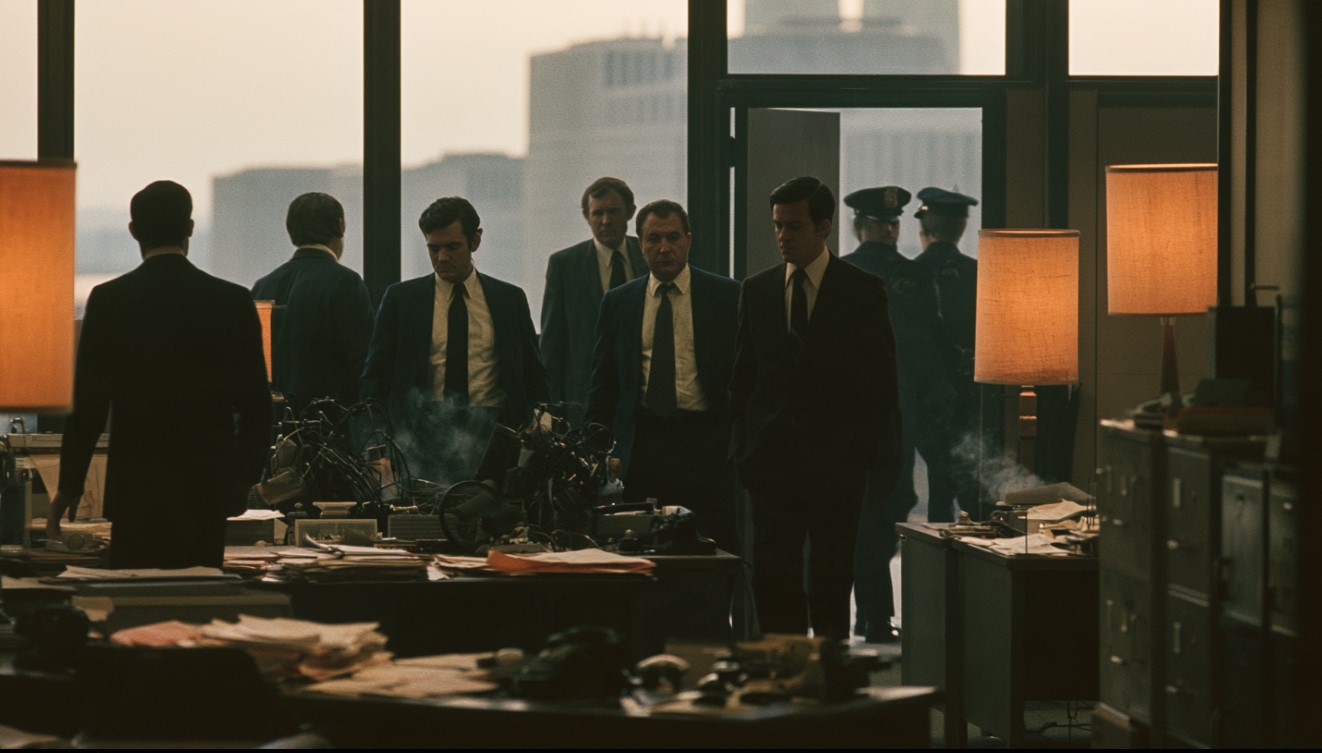
Unlike the flamboyant gangsters who chased headlines in New York or Chicago, Trafficante built power quietly through casinos, political corruption, international connections, and strategic patience. He preferred back rooms to nightclubs, whispers to speeches, and influence over spectacle. Federal agents considered him one of the most intelligent and dangerous Mafia bosses in America precisely because he stayed largely invisible to the public.
He was not merely a local mobster. He was international.
At the height of his power, Trafficante’s influence stretched from Tampa to Havana, touching gambling empires, narcotics operations, anti-Castro plots, political corruption, and some of the darkest rumors in twentieth-century American history.
Even the CIA eventually crossed paths with him. That alone says something.
The Sicilian Roots of Tampa’s Underworld
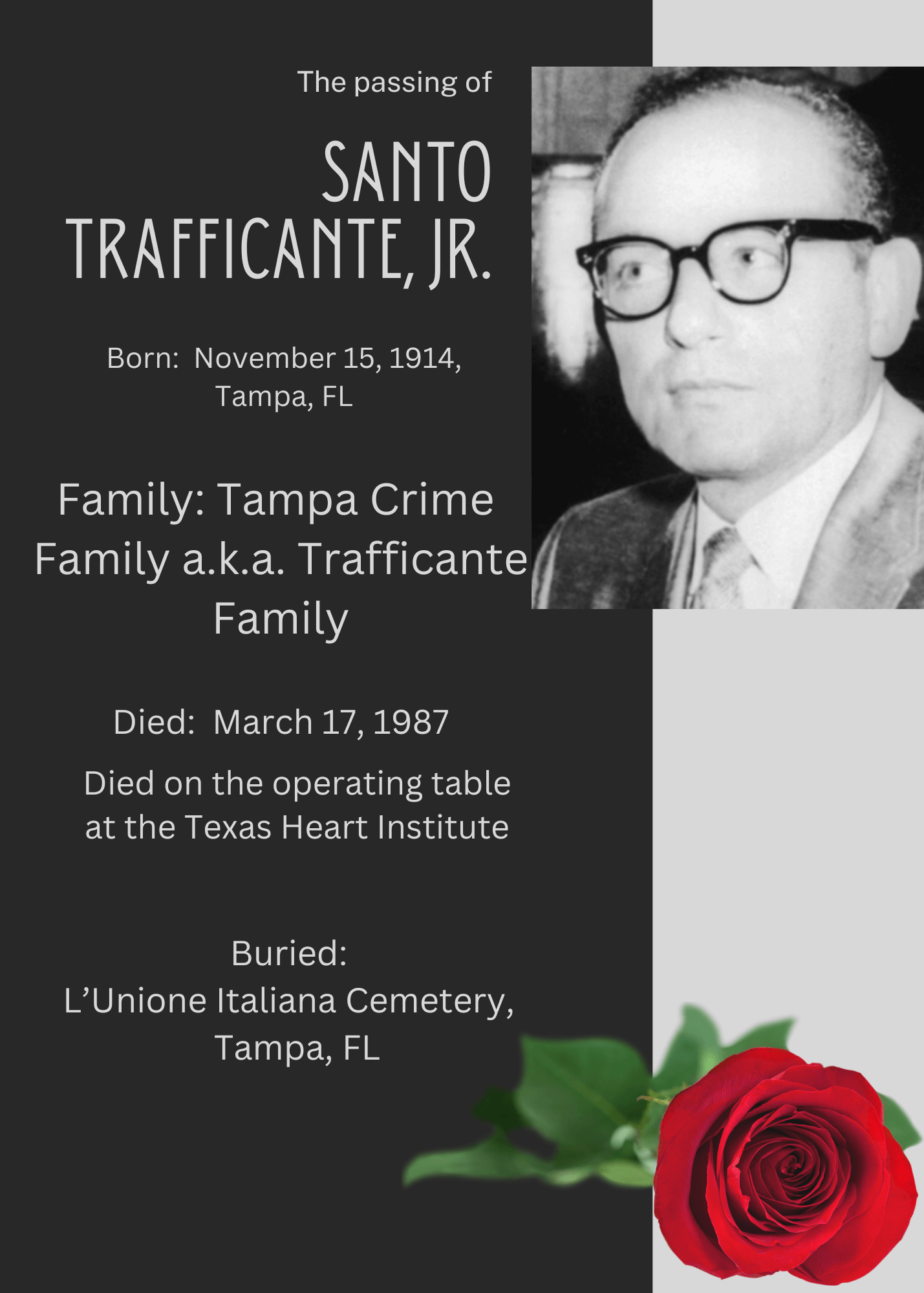
Santo Trafficante Jr. was born in 1914 in Tampa, Florida, into a family already deeply connected to organized crime. His father, Santo Trafficante Sr., had built substantial criminal influence through gambling, bolita lotteries, and vice operations among immigrant communities in Florida.
Tampa’s underworld differed from New York or Chicago. Less public. Less cinematic. But no less dangerous.
The city’s immigrant cigar industry, port access, political corruption, and geographic position made it ideal for gambling operations, smuggling, and organized criminal networks connected to Cuba and the Caribbean.
Young Santo inherited not just criminal opportunity, but an education in quiet power.
Learning the Business
Trafficante matured inside an environment where organized crime functioned through relationships more than public violence. He learned discretion early.
Unlike headline gangsters who cultivated fear theatrically, Trafficante developed influence through diplomacy, bribery, business partnerships, and careful political navigation. He reportedly possessed exceptional memory, patience, and interpersonal skill—qualities often more valuable than brutality inside long-term organized crime leadership.
Still, violence remained available when necessary. It always does in the Mafia.
By the 1930s and 1940s, Trafficante had become increasingly active within the family’s operations involving gambling, loansharking, narcotics, and labor influence throughout Florida and Cuba. Then Havana exploded with opportunity.
Havana: Paradise Built on Vice
Before Fidel Castro’s revolution, Havana functioned as one of organized crime’s greatest international playgrounds. American tourists flooded Cuban casinos, hotels, and nightclubs seeking gambling, liquor, prostitution, and entertainment beyond U.S. legal restrictions. Mafia figures recognized the island immediately as a gold mine.
Trafficante became one of the most influential mobsters operating there. Through partnerships with figures such as Meyer Lansky and relationships with corrupt Cuban officials, Trafficante developed substantial casino and gambling interests throughout Havana during the 1950s.
The money became enormous. Casinos generated millions while political corruption protected operations from interference. Havana transformed into a neon kingdom of organized vice catering to wealthy Americans beneath tropical glamour.
But paradise built on corruption rarely survives political revolution.
Castro Changes Everything
In 1959, Fidel Castro seized power in Cuba. The Mafia lost everything almost overnight. Casinos were nationalized. Gambling operations collapsed.
American organized crime figures fled the island rapidly while Castro consolidated revolutionary control. Trafficante himself was reportedly arrested briefly by Cuban authorities before eventually returning to the United States. The loss devastated organized crime financially.
It also created enormous bitterness. Especially among mobsters who had invested heavily in Cuban operations. That bitterness later intersected with American intelligence operations in disturbing ways.
The CIA and the Mob
During the early 1960s, anti-Castro obsession inside the American government produced extraordinary alliances.
The CIA explored multiple covert efforts aimed at destabilizing or assassinating Castro following the Cuban Revolution. Reports and congressional investigations later revealed that American intelligence officials made contact with organized crime figures—including Trafficante—because the Mafia possessed both motivation and Cuban connections.
The relationship sounded unbelievable. Yet it was real. Gangsters and spies briefly shared enemies.
Trafficante reportedly became linked to discussions involving anti-Castro operations, assassination planning, and intelligence coordination efforts during that volatile period. Exactly how deeply he participated remains debated, but his name surfaced repeatedly in investigations examining CIA-Mafia collaboration.
The overlap between organized crime and Cold War espionage created one of the strangest chapters in American criminal history. And Trafficante stood near the center of it.
The Kennedy Rumors
Trafficante’s name also became tangled permanently in conspiracy theories surrounding the assassination of John F. Kennedy. The theories emerged partly because organized crime deeply resented aggressive federal prosecutions led by Attorney General Robert F. Kennedy, partly because of the CIA connections, and partly because several mob figures allegedly made cryptic statements afterward.
No conclusive evidence ever proved Trafficante participated in the assassination conspiracy. Still, suspicion lingered for decades. In organized crime history, proximity alone can create mythology.
The Quiet Florida Empire
Back in Florida, Trafficante consolidated enormous influence quietly.
He controlled gambling operations, loansharking networks, narcotics trafficking connections, and political relationships throughout Tampa and beyond. Federal authorities repeatedly identified him as one of the nation’s most powerful Mafia leaders despite relatively few successful prosecutions.
That reflected his operational style. Trafficante insulated himself carefully from direct exposure. He avoided publicity obsessively. He rarely behaved recklessly. Unlike media-driven bosses such as John Gotti, Trafficante understood invisibility itself was protection. And for decades, it worked.
The Last of the Old Bosses
Trafficante belonged to the old generation of Mafia leadership shaped by discipline, secrecy, and long-term strategic thinking. He preferred stability over chaos.
Money over ego. Influence over celebrity.
As organized crime weakened nationally under RICO prosecutions and increasing informant cooperation during the 1980s, Trafficante largely survived intact compared to many counterparts destroyed by indictments or internal warfare.
He died in 1987 after heart surgery complications. By then, he had spent decades operating near the highest levels of organized crime while remaining comparatively unknown to average Americans. That anonymity was intentional.
The Legacy of Santo Trafficante Jr.
Santo Trafficante Jr. remains one of the most fascinating Mafia figures because his career stretched far beyond traditional street crime.
He represented organized crime at its most international and politically connected—a world where casinos, intelligence agencies, revolutionary politics, narcotics trafficking, and Cold War paranoia collided beneath layers of secrecy.
Unlike theatrical gangsters such as Al Capone or flamboyant public bosses like Joe Colombo, Trafficante operated like a diplomat of the underworld.
Quiet. Cultured. Patient. Lethal.
In noir terms, Santo Trafficante Jr. was the calm man smoking silently in the corner booth of a Havana casino while politicians, spies, gamblers, and killers all pretended not to notice who truly controlled the room.