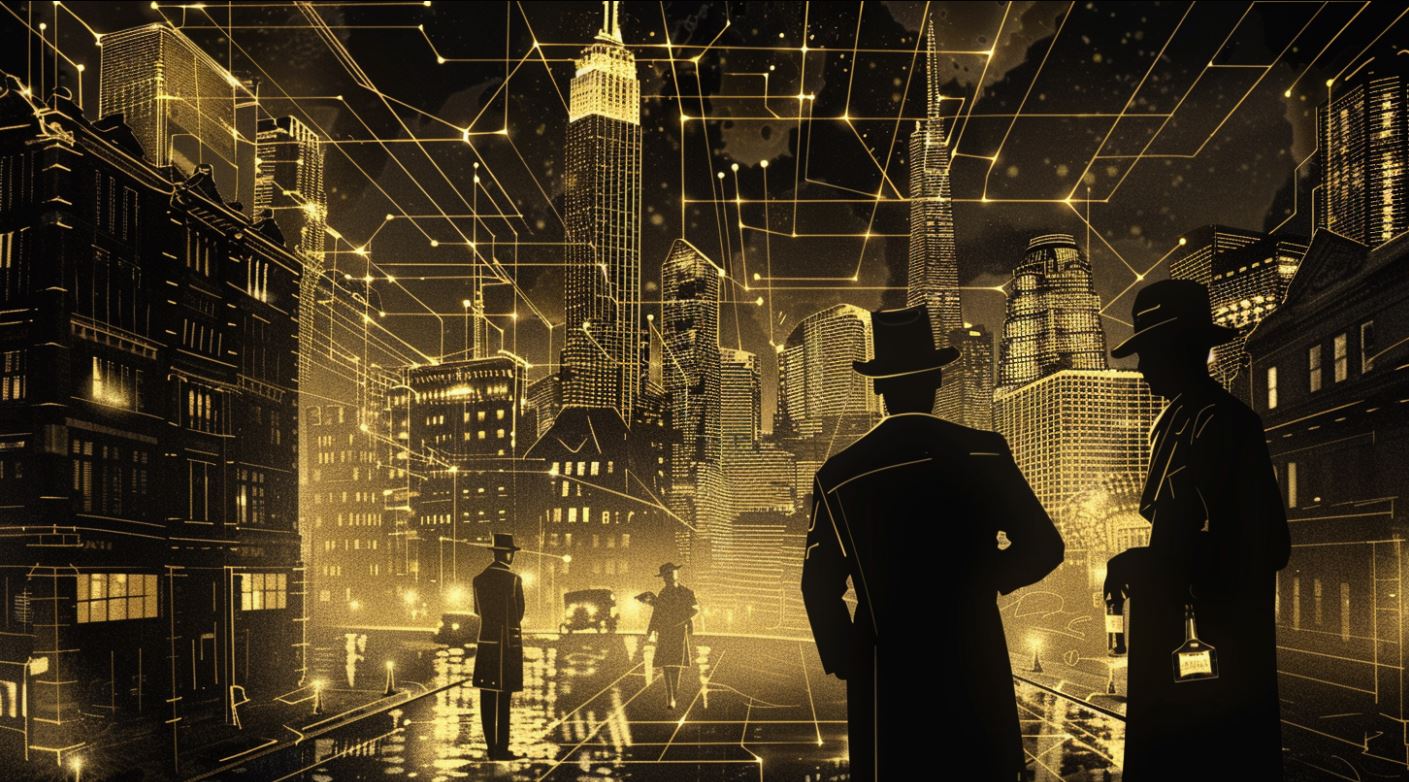
The map of America during Prohibition was never printed in any atlas. It existed instead in rumor, in coded gestures at bar counters, in the flick of a match struck behind a blackout curtain. From 1920 to 1933, the nation did not stop drinking—it simply learned to hide its thirst. Speakeasies became the veins of a parallel country, pulsing beneath the legal surface, connecting cities through whiskey routes, bribed inspectors, and the quiet mathematics of supply and demand. Each city developed its own dialect of secrecy, its own architecture of concealment, and its own relationship with the men who made a fortune ensuring the law was politely ignored.
Speakeasies were never just rooms where alcohol was served. They were laboratories of organized crime, social filters where power was tested, and financial engines disguised as entertainment. In the glow of dim bulbs and the hiss of soda siphons, alliances were forged across tables that looked ordinary but carried extraordinary weight. Judges, dockworkers, politicians, musicians, and enforcers all shared the same air, even if they would never share the same daylight world.
New York – The Vertical Maze of Vice
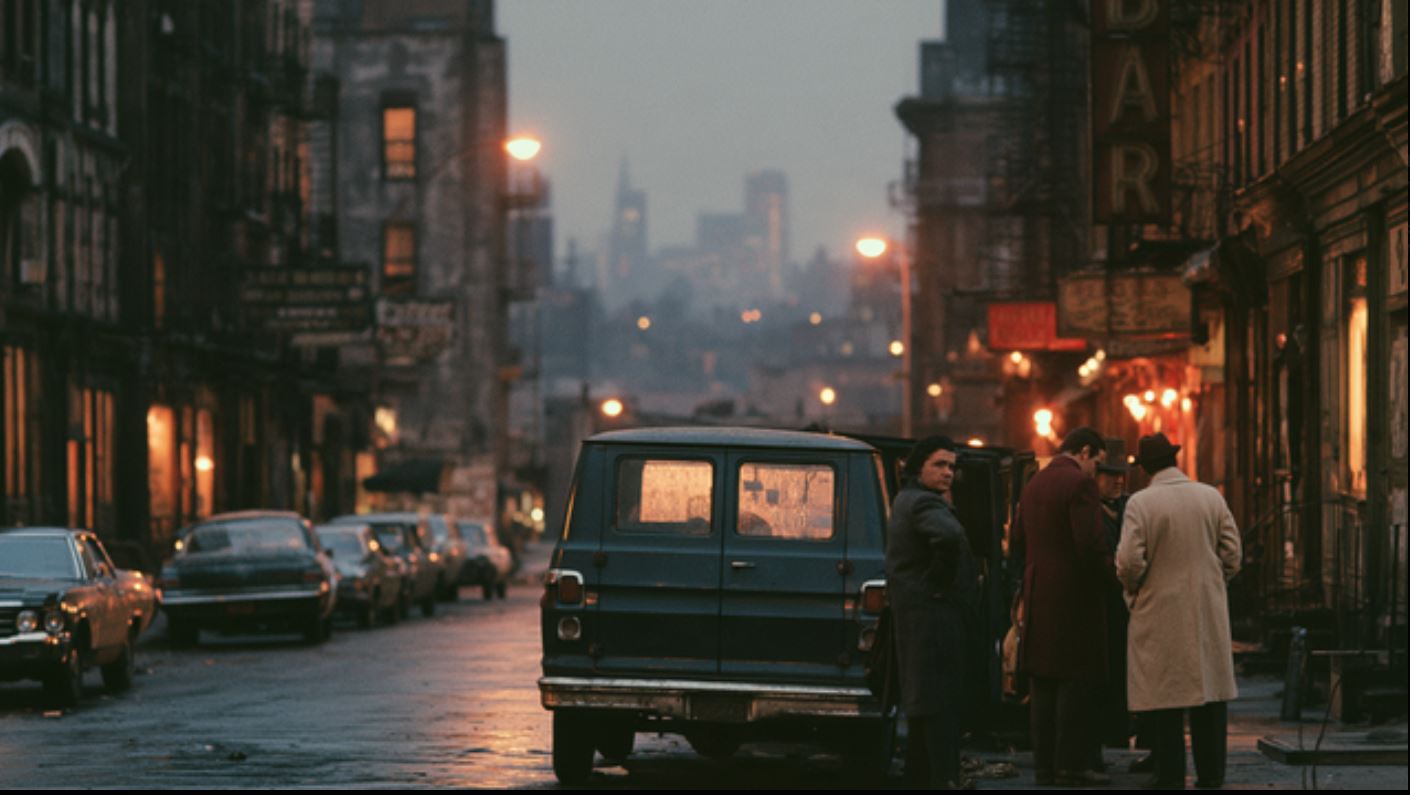
New York did not hide its speakeasies so much as bury them in plain sight. Behind laundromats, inside tailor shops, above delicatessens, the city stacked its secrets vertically. The scale of Manhattan allowed crime to behave like architecture—layered, efficient, and anonymous. A bellboy might be a courier for liquor one hour and a messenger for a judge the next.
In Harlem, jazz clubs blurred into speakeasies where the music itself acted as camouflage. The rhythm drowned out suspicion. Alcohol flowed through networks controlled by figures who understood that distribution mattered more than violence. Control the delivery, and you controlled the night. Down on the Lower East Side, immigrant enclaves turned basements into profit machines, where cheap rye was transformed into expensive illusion.
New York’s genius was density. Nothing stayed hidden—it simply got lost in the crowd.
New York City – The Empire State of Bootlegged Dreams
Chicago – The Corporate Crime Model
In Chicago, speakeasies were not hidden—they were protected. The city’s political machinery functioned like a silent partner in nearly every illicit transaction. Ward bosses acted as middle management between enforcement and enterprise. Protection money was not optional; it was structured like taxation.
The interiors of Chicago speakeasies often resembled legitimate clubs, with polished wood, heavy curtains, and carefully curated reputations. Violence, when it occurred, rarely disrupted the atmosphere. It was scheduled elsewhere, away from the glasses and the music. Control was the product being sold, not just alcohol.
New Orleans – The Liquor That Never Died
In New Orleans, Prohibition felt less like a law and more like an inconvenience. The city’s relationship with alcohol was older than the United States itself, and it did not adjust easily to federal intrusion. Speakeasies blended into the rhythm of nightlife that already existed—bars disguised as music houses, clubs disguised as private salons, back rooms that required no secrecy because everyone already knew.
Rum flowed through the port like a second river. Jazz carried it inland. Enforcement was inconsistent, and corruption did not need to be sophisticated because it did not need to hide. The city’s speakeasies were less about concealment and more about continuity. The party never stopped; it simply changed rooms.
New Orleans – Jazz, Rum, and Shadows
Los Angeles – Speakeasies as Stagecraft
In Los Angeles, speakeasies merged with Hollywood ambition. Hidden bars doubled as private screening rooms, casting couches, and negotiation spaces where deals were made between studio executives and the men who ensured certain problems never reached the front page.
Here, atmosphere mattered as much as alcohol. A drink was part of a narrative. Lighting was engineered. Entry required not just a password but a sense of belonging to the right story. Bootleg liquor arrived in the same pipelines that fed the entertainment industry’s darker logistics—financing, influence, and discretion.
In this city, everyone was acting. The speakeasy was just another set.
Los Angeles – Hollywood’s Hidden Syndicates
San Francisco – The Maritime Underground
San Francisco’s speakeasies were tied to its docks. Alcohol arrived hidden among legitimate cargo, slipping through customs with the help of longshoremen who understood that survival often depended on selective blindness. The Barbary Coast legacy never truly disappeared—it simply adapted.
Basement bars near the waterfront served sailors, smugglers, and businessmen who preferred transactions without witnesses. The fog was not just weather; it was infrastructure. It softened edges, blurred movement, and made disappearances feel natural.
The city’s vice economy was built on movement. Nothing stayed still long enough to be traced.
Detroit – Whiskey and the Assembly Line
In Detroit, speakeasies mirrored factories. Efficiency mattered. Production lines of bootleg alcohol ran through warehouses, garages, and abandoned buildings. The proximity to Canada provided a steady supply chain, and the river became a conduit for liquid commerce.
Workers drank where they built. Enforcers monitored routes like foremen. Even the violence had structure—organized, scheduled, and tied to labor disputes as much as criminal rivalry. Speakeasies here were not glamorous; they were functional. They existed to keep the machine moving.
Alcohol was fuel, not indulgence.
Kansas City – The Political Free Zone
In Kansas City, speakeasies thrived under a political system that barely pretended to enforce federal law. Nightclubs operated openly with backroom agreements that ensured stability. Local political machines treated bootlegging revenue as part of civic planning.
Jazz clubs and drinking establishments merged into a single ecosystem. Musicians played until dawn, while bottles circulated through tables controlled by men who understood that control meant allowing things to happen in the right order.
It was not chaos. It was managed permissiveness.
Across all these cities, the speakeasy functioned as more than a hidden bar. It was a node in a national network of shadow commerce. Liquor moved like currency, and currency moved like information. Every drink carried a story about its origin, its protection, and its price in silence.
Philadelphia – Cheesesteaks and Contraband
The cocktails themselves were not innocent. Gin rickeys, sidecars, and Manhattans were disguises—flavor masking the burn of poorly distilled truth. Each recipe reflected the economics of scarcity and risk. Citrus cut the harshness of illegal spirits. Sugar softened the perception of danger. Ice, often more valuable than alcohol itself, marked access to refrigeration networks that were as controlled as any supply chain.
Beneath it all ran a simple logic: prohibition did not eliminate demand; it industrialized it.
Speakeasies were the interface between law and appetite. They translated desire into revenue and risk into structure. They taught America that illegality could be organized, profitable, and surprisingly stable when managed correctly. The men who controlled them did not simply break the law—they redesigned the environment in which the law attempted to function.
By the time repeal arrived in 1933, the map had already been drawn. Not in government offices, but in basements, back rooms, and waterfront warehouses. The geography of Prohibition was never erased. It was simply legalized, absorbed into a new economy that had already learned how to operate in the dark.
The speakeasy vanished as a crime, but survived as a blueprint.
References:
Okrent, Daniel. Last Call: The Rise and Fall of Prohibition. New York: Scribner, 2010.
McGirr, Lisa. The War on Alcohol: Prohibition and the Rise of the American State. New York: W. W. Norton & Company, 2015.
Kyvig, David E. Repealing National Prohibition. Chicago: University of Chicago Press, 1979.
Lerner, Michael A. Dry Manhattan: Prohibition in New York City. Cambridge, MA: Harvard University Press, 2007.
O’Donnell, Edward T. Visions of America: Speakeasies and the Culture of Prohibition. Boston: Beacon Press, 2007.
Marciano, C.F., Make Hm a Drink He Can’t Refuse. Fort Lauderdale. Tin Roof Publishing 2024