Some drinks are forgotten.
Some are rediscovered. And some refuse to stay buried.
The Last Word belongs to the final category. Equal parts mysterious, elegant, and unexpectedly dangerous, it is a cocktail that emerged from the shadows of Prohibition, vanished for decades, and somehow clawed its way back into the spotlight. Like a witness who knows too much, it survived when logic suggested it shouldn’t. Its name sounds final. Definitive.
Yet for a drink born during one of America’s most turbulent eras, The Last Word has always had another chapter waiting to be written.
A Drink Born Before the Lights Went Out
The Last Word was created at the Detroit Athletic Club sometime before or during the early years of Prohibition. Unlike many cocktails whose origins have dissolved into rumor and myth, this one can be traced to a specific place.
Detroit in the 1910s and 1920s occupied a unique position in American history. It was booming from the automobile industry, attracting wealth, power, and influence. It also sat directly across the river from Canada—a fact that would become enormously important once the federal government decided Americans could no longer legally drink.
The cocktail gained popularity through a vaudeville performer named Frank Fogarty, known as “The Dublin Minstrel.” Fogarty reportedly introduced the drink to audiences beyond Detroit, helping spread its reputation.
Then Prohibition arrived.
Most cocktails of the era were built around necessity. They existed to hide the taste of bad liquor. The Last Word was different. It was sophisticated from the beginning, balancing gin, lime, maraschino liqueur, and green Chartreuse in perfect equal proportions. The result was herbal, citrusy, slightly sweet, and unlike anything else being served behind the bar.
It tasted like something from another world.
Detroit: Gateway to the Bootleg Empire
If Chicago became synonymous with gang warfare and New York became synonymous with organized crime power, Detroit became synonymous with smuggling.
Its location made it a bootlegger’s paradise.
The Detroit River separated the United States from Canada by less than a mile in some places. Once alcohol became illegal in America, liquor flowed across that water like a second river. Rum-runners used boats, automobiles, and even the frozen winter ice to transport vast quantities of alcohol into the United States. Historians estimate that a significant percentage of the illegal liquor entering America during Prohibition passed through Detroit. That meant money.
And where money flowed, gangsters followed.
Bootlegging organizations battled for territory while corrupt officials looked the other way. Politicians, businessmen, police officers, and criminals often found themselves benefiting from the same underground economy. The Last Word emerged from this environment—a city where fortunes were being made one crate of whiskey at a time.
A drink served in an upscale club might contain ingredients acquired through channels that were anything but respectable.
The Speakeasy Connection
The Last Word possessed a quality that made it ideal for speakeasy culture: complexity. Most Prohibition-era cocktails relied on fruit juice, sugar, or mint to disguise rough spirits. The Last Word took a different approach. Green Chartreuse, made by French monks using a closely guarded blend of herbs and botanicals, brought intense flavor. Maraschino liqueur added depth and sweetness. Lime provided brightness.
Together, they created layers that distracted drinkers from imperfections in the gin. Speakeasy bartenders appreciated that. Customers appreciated it even more.
In hidden bars across America, patrons weren’t merely drinking alcohol. They were purchasing escape. The Last Word offered sophistication in a decade increasingly defined by corruption and violence.
For a few moments, the world outside disappeared.
The raids. The arrests. The gang wars. The bodies. All of it faded behind a chilled glass.
New York Nights and Chicago Shadows
While Detroit may have given birth to The Last Word, the drink’s spirit belonged to every city transformed by Prohibition.
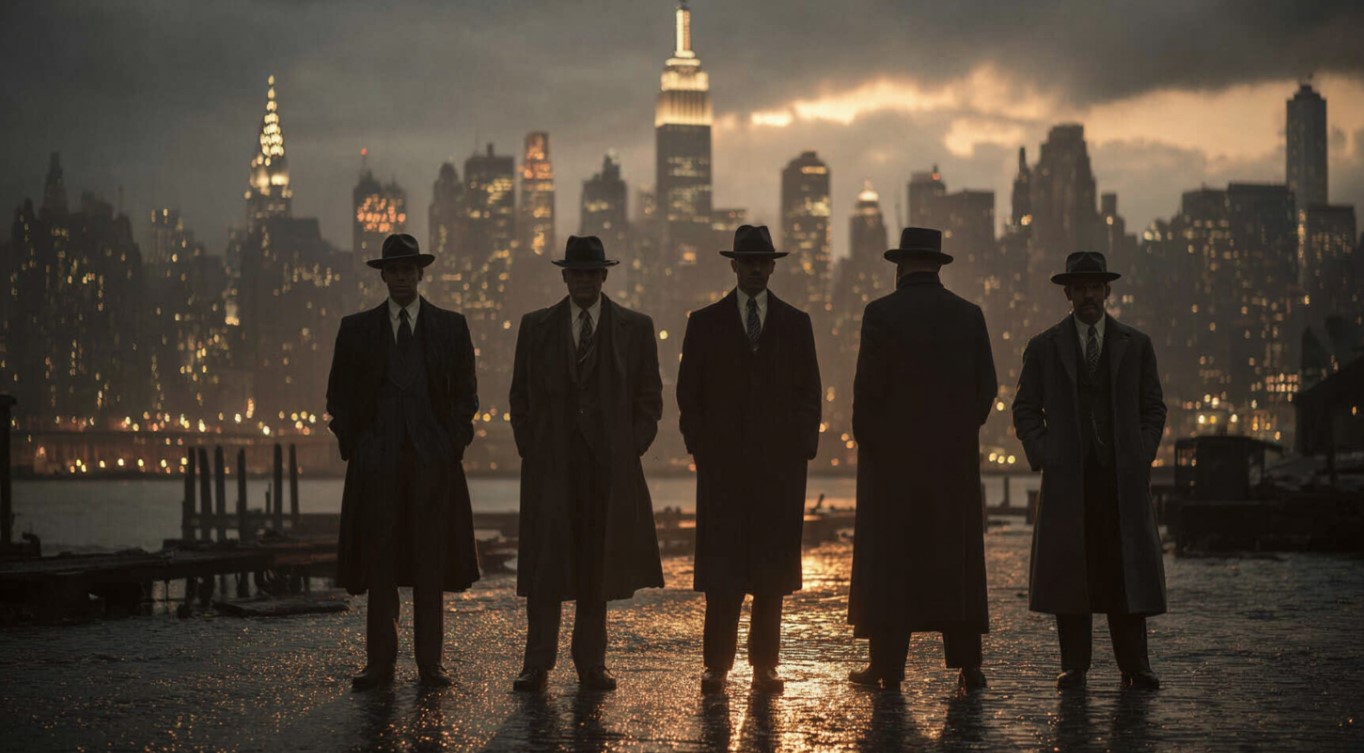
In New York, hidden bars flourished behind unmarked doors. Jazz musicians played until dawn while politicians, financiers, entertainers, and criminals mingled beneath cigarette smoke and dim lighting. Many of those establishments relied on liquor supplied by organized crime.
A cocktail like The Last Word fit naturally into that environment. It was refined enough for Manhattan’s elite while still carrying the rebellious thrill of forbidden alcohol. Chicago offered a darker version of the same story.
The city was awash in violence as gangs fought over territory and bootlegging routes. Yet even there, elegant cocktail culture survived. Behind heavily guarded speakeasy doors, customers ordered sophisticated drinks while machine-gun headlines filled the next morning’s newspapers.
One world funded the other. The champagne glasses and the bullet casings were part of the same economy.
Hollywood and the Illusion of Glamour
Hollywood quickly embraced the mythology of Prohibition. Movie stars cultivated images of glamour and rebellion. Lavish parties flowed with illegal liquor while federal agents struggled to enforce the law. The public loved the spectacle.
Cocktails became symbols of sophistication. The Last Word, with its unusual ingredients and balanced flavor, embodied the kind of elegance Hollywood admired. It wasn’t a rough drink for saloons or back alleys. It felt cosmopolitan. But Hollywood’s relationship with organized crime was never entirely distant.
Mobsters invested in nightclubs frequented by actors. Bootleg liquor found its way into celebrity gatherings. The underworld supplied much of the luxury that America publicly condemned but privately consumed. The line between entertainment and criminal enterprise often blurred after midnight.
The Recipe
The Last Word remains one of the few classic cocktails built on perfect symmetry.
The Last Word
Ingredients:
- ¾ ounce gin
- ¾ ounce green Chartreuse
- ¾ ounce maraschino liqueur
- ¾ ounce fresh lime juice
Directions:
- Add all ingredients to a shaker filled with ice.
- Shake vigorously until chilled.
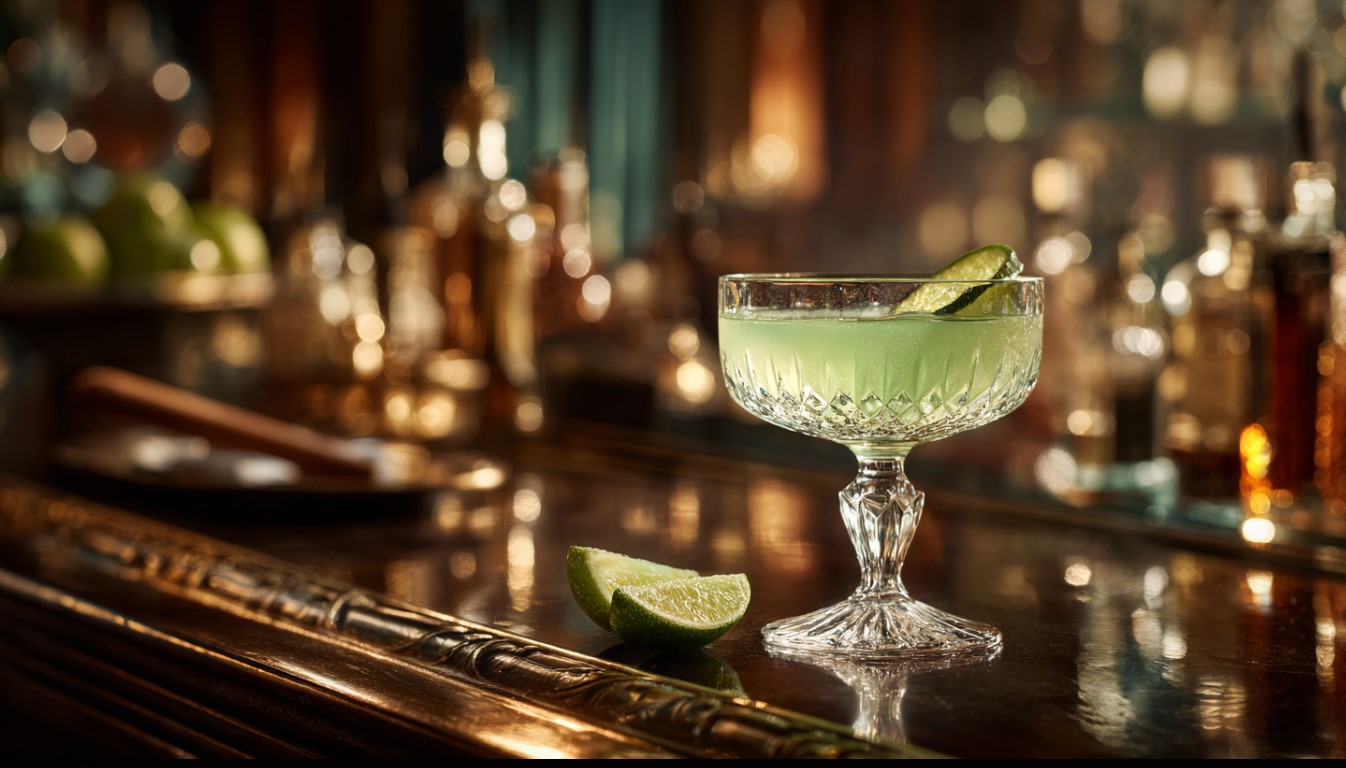
- Strain into a chilled coupe glass.
- Garnish with a cherry or a lime twist.
The equal-parts formula appears deceptively simple.
The flavor is anything but.
The Last Sip
Every criminal wants the last word. The last threat. The last deal. The last shot fired in a dark alley.
During Prohibition, entire empires were built on the promise of having the final say. Gangsters controlled supply. Politicians controlled enforcement. Corrupt officials controlled silence. Everyone believed they held the advantage.
Most were wrong. The Last Word cocktail survived because it understood something those men never did: power is temporary.
The bootleg kings disappeared. Speakeasies closed. Rum-running fleets vanished into history. Fortunes evaporated. Names once spoken with fear now gather dust in forgotten archives. Yet the drink remains.
A survivor from an era when alcohol was contraband, corruption was currency, and violence lurked just beyond the glow of every bar lamp. Raise a glass of The Last Word today and you’re tasting more than gin and Chartreuse. You’re tasting Detroit’s smuggling routes.
New York’s hidden doors. Chicago’s bloody streets. And the ghosts of men who thought they would have the final say.
History, as it turns out, got the last word instead.
REFERENCES
- Saucier, Ted. Bottoms Up. New York: Crown Publishers, 1951. (Original published source that helped preserve the Last Word recipe and credited its association with the Detroit Athletic Club.)
- “Last Word (Cocktail).” Wikipedia. Available at: https://en.wikipedia.org/wiki/Last_Word_(cocktail). Accessed June 9, 2026.
- Tasting Table. “The Mysterious Origins of the Last Word Cocktail.” Available at: https://www.tastingtable.com/1894420/last-word-cocktail-mysterious-origins/. Accessed June 9, 2026.
- Metro Times Detroit. “Truly the Last Word on the Last Word — The Cocktail Sensation that Originated at the Detroit Athletic Club.” Available at: https://www.metrotimes.com/food-drink/truly-the-last-word-on-the-last-word-the-cocktail-sensation-that-originated-at-the-detroit-athletic-club-2373615/. Accessed June 9, 2026.
- Difford’s Guide. “Last Word Cocktail History and Recipe.” Available at: https://www.diffordsguide.com/cocktails/recipe/1133/last-word. Accessed June 9, 2026.
- Liquor.com. “The Last Word Cocktail Recipe.” Available at: https://www.liquor.com/recipes/the-last-word/. Accessed June 9, 2026.
Author’s Note
Several aspects of The Last Word’s history remain debated. Most cocktail historians agree that the drink originated at the Detroit Athletic Club around 1915–1916, but the role of vaudeville performer Frank Fogarty remains disputed. Some sources credit him with introducing or popularizing the drink, while Detroit Athletic Club archival research suggests the cocktail appeared on club menus before Fogarty’s documented visit.