How Paul Castellano’s Mansion Became the Boardroom of the American Mafia
The House on the Hill
Every empire eventually builds a monument to itself.
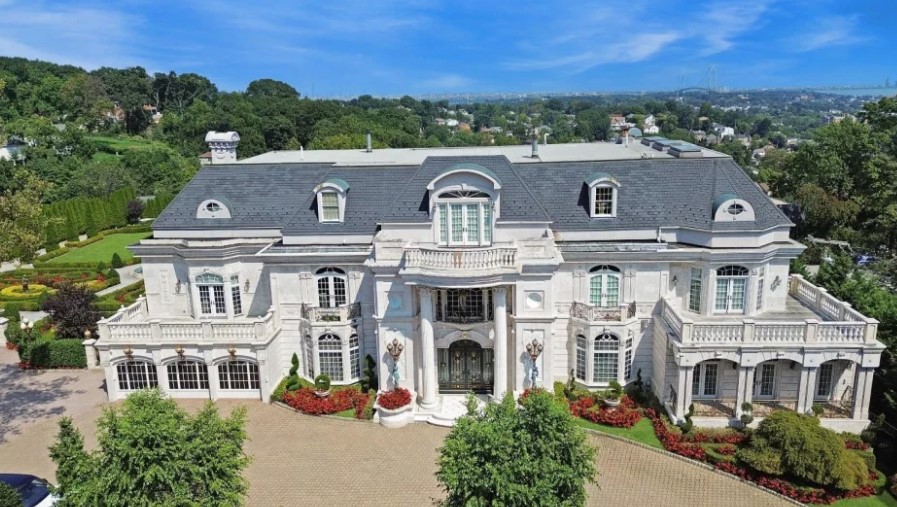
For kings, it is a palace. For dictators, it is a fortress. For Paul Castellano, boss of the Gambino crime family, it was a sprawling white mansion perched atop Staten Island’s Todt Hill, a residence so grand and so conspicuous that locals gave it a nickname that would become legendary: The White House.
The comparison was fitting, though not for the reasons Castellano may have intended. The White House in Washington housed political power. The White House on Benedict Road housed criminal power. Inside its walls, men gathered to discuss labor rackets, construction fraud, extortion schemes, political influence, and the countless illicit enterprises that generated millions of dollars for one of the most powerful organized crime families in American history.
The mansion stood as a declaration of success. Massive white columns framed the entrance. Expansive grounds surrounded the property. Every architectural detail projected wealth, authority, and prestige. To the public, it looked like the home of a successful executive. To federal investigators, it looked like the headquarters of a criminal corporation.
In many ways, both descriptions were accurate.
The CEO of Crime
Paul Castellano represented a different breed of Mafia boss.
Unlike many of the old-school gangsters who rose through the ranks with guns in their hands and blood on their shoes, Castellano saw organized crime as a business. Violence remained a tool, but it was no longer the primary source of income. The real money came from manipulating industries, corrupting institutions, and infiltrating legitimate enterprises.
By the time Castellano occupied the White House, the Gambino family had expanded far beyond traditional rackets. Gambling, loansharking, and extortion still generated enormous revenue, but construction companies, trucking firms, wholesale food distributors, waste-hauling businesses, and labor unions offered opportunities that dwarfed the profits of street-level crime.
Castellano embraced that evolution. He preferred balance sheets to street fights and contracts to shootouts. He envisioned organized crime not as a gang but as an empire capable of influencing entire sectors of the New York economy.
The White House became the place where that empire was managed.
Behind Closed Doors
The public saw a mansion.
The men who entered its doors saw something else entirely.
Captains arrived carrying reports on earnings and operations. Associates sought approval for business ventures. Corrupt businessmen negotiated partnerships that blurred the line between legitimate commerce and organized theft. Labor officials met with underworld figures whose influence extended deep into union leadership and construction projects across the city.
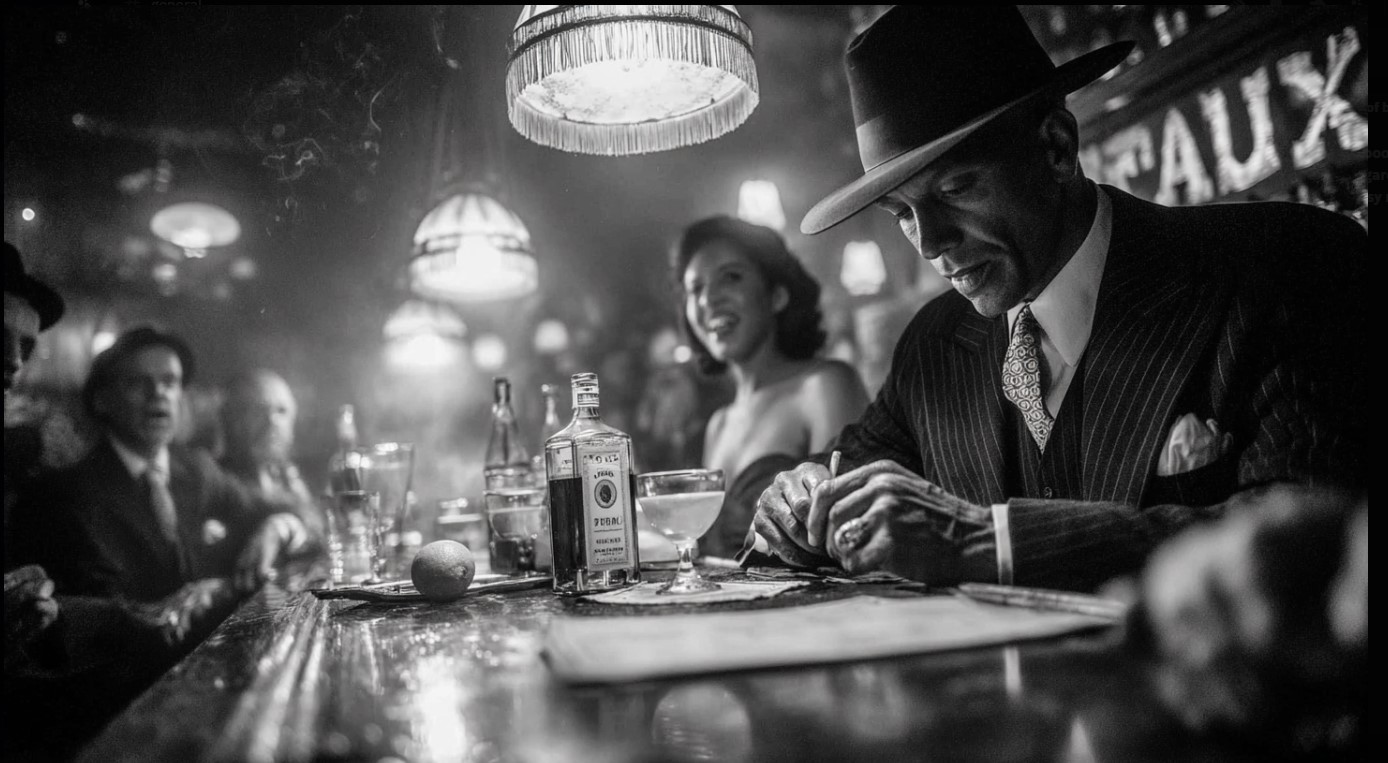
Inside the mansion, criminal discussions unfolded with the appearance of corporate professionalism. There were no secret caves or smoke-filled back rooms. Decisions that affected thousands of workers and millions of dollars were often made in elegant surroundings decorated with expensive furniture, polished wood, and imported marble.
The crimes themselves rarely looked dramatic.
No bullets were fired during most of these meetings. No kidnappings occurred in the living room. Yet the consequences of the decisions reached inside those walls could be devastating. Contracts were manipulated. Competitors were excluded. Businesses were pressured into cooperation. Honest entrepreneurs found themselves competing against a system that had already determined the outcome.
The greatest thefts often occurred without a weapon being drawn.
The Concrete Kingdom
Few criminal enterprises better illustrate Castellano’s influence than the Mafia’s grip on New York’s concrete industry.
The construction boom that transformed New York City during the 1970s and 1980s generated enormous opportunities for organized crime. Through a combination of intimidation, collusion, labor influence, and strategic partnerships, Mafia-controlled interests exerted extraordinary control over lucrative building projects.
The arrangement became known as the Concrete Club.
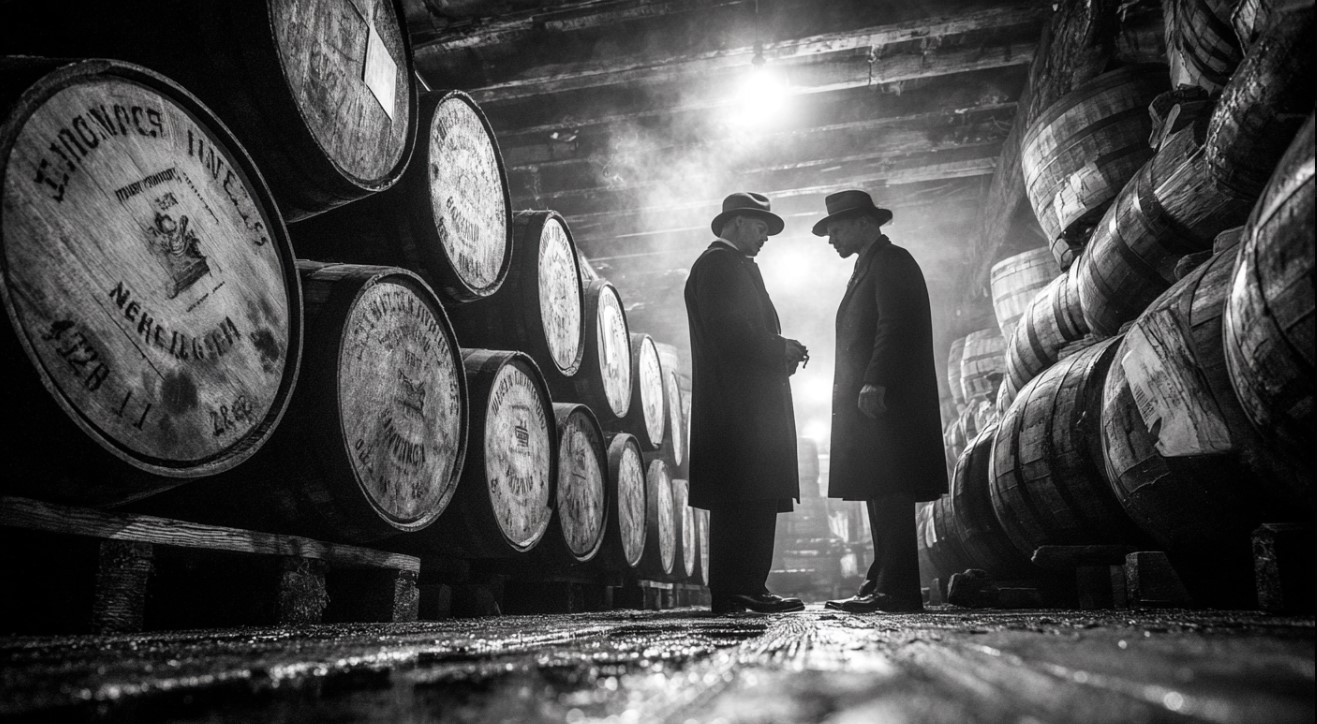
The name sounded harmless enough, almost like a trade association. In reality, it functioned as a mechanism for controlling contracts, eliminating competition, and ensuring that favored companies received lucrative work. Developers who wanted projects completed on time learned that cooperation often proved less expensive than resistance.
Federal investigators later uncovered evidence revealing the depth of organized crime’s involvement in the industry. Millions of dollars flowed through networks of contractors, union officials, and organized crime figures who profited from a system designed to enrich insiders while undermining legitimate competition.
Many of the relationships that sustained those operations were nurtured and maintained through meetings held at Castellano’s White House.
A House Under Surveillance
The mansion may have projected power, but it also attracted attention.
Federal investigators understood that the White House offered a unique window into the Gambino family’s operations. Agents documented visitors, monitored movements, analyzed patterns, and attempted to identify the individuals entering and leaving the property. Every vehicle arriving at the gates represented a potential source of intelligence. Every meeting raised questions about what business had been discussed behind closed doors.
The FBI recognized a fundamental truth about organized crime leadership. If enough influential figures regularly gathered in one location, that location became a map of the organization itself.
The White House served precisely that function.
Through years of surveillance and investigation, law enforcement gradually assembled a clearer picture of Castellano’s network. The mansion revealed who held influence, who enjoyed access to power, and who occupied the inner circles of one of America’s most formidable criminal organizations.
Ironically, the very house designed to symbolize Castellano’s dominance also made him easier to watch.
The Seeds of Rebellion
Power rarely creates loyalty.
More often, it creates envy.
While Castellano expanded his criminal business empire, resentment simmered among segments of the Gambino family. Many traditional gangsters viewed him as disconnected from the streets. They believed he spent too much time with businessmen and too little time with the men who generated revenue through traditional Mafia activities.
The White House became a visible symbol of that disconnect.
To critics, the mansion represented arrogance. Its size, visibility, and extravagance contradicted the traditional Mafia preference for discretion. Older bosses had often lived modestly, understanding that public displays of wealth invited scrutiny. Castellano appeared unconcerned with such warnings.
The resentment deepened as rival visions of leadership emerged within the organization. Some members admired Castellano’s business-oriented approach. Others viewed it as a betrayal of Mafia culture. Those competing philosophies gradually evolved into competing factions.
By the mid-1980s, the conflict was no longer theoretical.
It was personal.
Enter John Gotti
If Castellano embodied the future of organized crime, John Gotti embodied its past.
Gotti cultivated the image of the street gangster. He was charismatic, accessible, and comfortable among the soldiers and captains who viewed Castellano as distant. While Castellano operated from his hilltop mansion, Gotti remained connected to the neighborhoods and social clubs that formed the traditional heart of organized crime.
The contrast between the two men could not have been sharper.
One projected corporate authority.
The other projected criminal charisma.
As tensions escalated, meetings held within the White House took on increasing significance. Decisions regarding discipline, loyalty, promotions, and internal disputes carried consequences that extended far beyond routine family business. Every conversation occurred against a backdrop of growing distrust.
What Castellano failed to appreciate was that his greatest threat did not reside in an FBI field office or a federal courthouse.
It resided within his own organization.
The Fall of a King
On December 16, 1985, the illusion of security surrounding the White House collapsed.
Castellano traveled to Sparks Steak House in Manhattan for what appeared to be an ordinary meeting. Instead, he walked into an ambush. Gunmen emerged from the shadows and opened fire, killing both Castellano and his driver, Thomas Bilotti.
The assassination sent shockwaves through law enforcement and the underworld alike.
Years of power, influence, and authority ended in moments. The man who had governed a criminal empire from his Staten Island mansion never returned home. The White House remained standing, but its purpose had fundamentally changed.
The throne was empty.
The empire had entered a new era.
The Legacy of the White House
Today, the mansion remains one of the most recognizable landmarks in Mafia history. Crime historians, journalists, and organized crime enthusiasts continue to discuss its significance decades after Castellano’s death.
Yet the true importance of the White House has little to do with architecture.
Its legacy rests in the decisions made behind its walls. It served as a command center for a criminal organization that exerted influence over industries, labor unions, businesses, and political relationships throughout New York. The mansion symbolized the transformation of organized crime from a collection of neighborhood gangs into a sophisticated enterprise capable of infiltrating legitimate institutions and generating extraordinary wealth.
For a brief period in American history, one of the most powerful criminal organizations in the country was effectively governed from a mansion overlooking Staten Island.
Washington had its White House.
The Mafia had one too.
Both housed powerful men. Both influenced the lives of countless people. Both projected authority through carefully crafted images.
The difference was that one government operated under the law, while the other thrived by corrupting it.
References
Anastasia, George. Gotti: Rise and Fall. New York: HarperCollins, 1991.
Capeci, Jerry. The Complete Idiot’s Guide to the Mafia. New York: Alpha Books, 2002.
Davis, John H. Mafia Dynasty: The Rise and Fall of the Gambino Crime Family. New York: HarperCollins, 1993.
Maas, Peter. Underboss: Sammy the Bull Gravano’s Story of Life in the Mafia. New York: HarperCollins, 1997.
Raab, Selwyn. Five Families: The Rise, Decline, and Resurgence of America’s Most Powerful Mafia Empires. New York: Thomas Dunne Books, 2005.
United States Senate Permanent Subcommittee on Investigations. Organized Crime and Racketeering in the Construction Industry. Washington, D.C.: U.S. Government Printing Office.
Federal Bureau of Investigation (FBI). Organized Crime Program Records and Historical Gambino Family Investigations.