
The French 75 — Celebration with Protection
The French 75 carried something many Prohibition cocktails lacked: status.
A glass of Champagne immediately changed the atmosphere. It suggested money, sophistication, and access. In an era when alcohol itself was illegal, sparkling wine added another layer of exclusivity.
But the French 75 had an advantage beyond appearances.
It could disguise the seriousness of the alcohol behind a drink that looked almost innocent. The bubbles made it festive. Lemon made it refreshing. Sugar rounded the edges. Gin supplied the backbone. That combination created a dangerous illusion.
The drink went down like a celebration while carrying considerably more authority than its elegant appearance suggested. Its name helped, too.
The French 75 referred to the French 75mm field gun used during World War I, giving the cocktail a built-in reputation for firepower. The name transformed a glass of sparkling wine and spirits into something with a military kick.
That was excellent marketing.
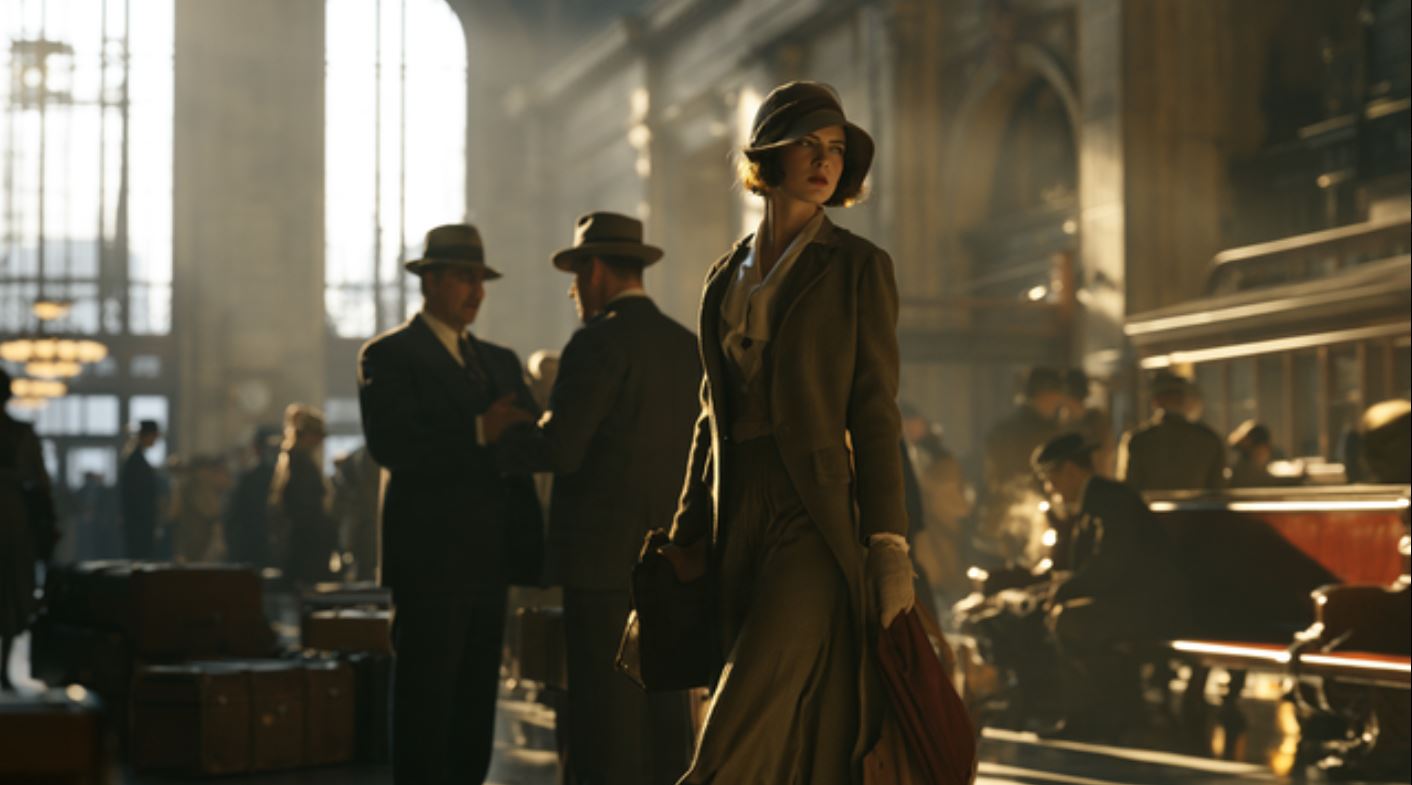
Prohibition drinking depended heavily on atmosphere. A cocktail wasn’t merely something consumed; it was part of the experience of being somewhere you weren’t supposed to be. The room might be dark. The door might be locked. A lookout might be stationed nearby. Music played while everyone understood that the entire operation could disappear behind a police raid.
The French 75 fit that world perfectly. It looked civilized. The circumstances were anything but.
There was another reason drinks like the French 75 could occupy a special place in nightlife: they separated customers by spending power.
A working-class customer drinking cheap whiskey at an ordinary speakeasy wasn’t necessarily experiencing the same Prohibition as someone seated at an expensive table with Champagne.
Illegal drinking had its own class system.
Money bought better liquor, better surroundings, better entertainment—and sometimes better protection. The cocktail became part of that hierarchy. The French 75 was therefore more than a recipe. It was a social signal.
Ordering one could announce that you weren’t there merely to get drunk. You were there to participate in the theater of sophistication. And that theater mattered to the people running the room.
Successful speakeasies understood that customers weren’t simply buying alcohol. They were buying an experience that made breaking the law feel glamorous.
The French 75 delivered exactly that.
There was nothing glamorous about bootlegging. There were murders, corruption, violence, bribery, ruined careers, and fortunes built on illegal liquor. But inside the right room, beneath the right lighting, with the right music playing, a French 75 could make the entire enterprise appear almost respectable.
That was the trick. Crime didn’t always arrive wearing a black fedora. Sometimes it arrived in a Champagne flute.
| The Bee’s Knees – Honeyed Survival |
| Scotch – Distance and Aspiration |