Tony Mirra: The Introduction That Became a Death Sentence
“Kiss the Ring. Dig Your Grave” series – Article 8
The Mafia has always depended on introductions.
No stranger walks into a social club and becomes part of the Family. No outsider suddenly gains access to captains, soldiers, and secret meetings. Every relationship begins with trust, and trust begins with sponsorship. A respected member puts his reputation on the line and tells others, “This guy is good. You can trust him.”
In the Mafia, that recommendation carries enormous weight. It also carries enormous risk.
One bad introduction can destroy a career. One mistake can erase decades of loyalty. One wrong decision can turn a trusted gangster into a cautionary tale whispered about in back rooms and social clubs for years afterward. Anthony “Tony Mirra” learned that lesson the hard way.
He wasn’t a famous boss. He wasn’t a media celebrity like John Gotti or a legendary gangster like Lucky Luciano. He was something far more common inside organized crime: a loyal earner trying to climb the ladder by making himself useful.
Mirra believed helping the Family would improve his standing. Instead, it signed his death warrant. His greatest mistake was introducing a man named Donnie Brasco into Bonanno circles.
The problem, of course, was that Donnie Brasco didn’t exist.
| Sonny Black: One Mistake Erased Thirty Years of Loyalty |
A Wiseguy Looking for More
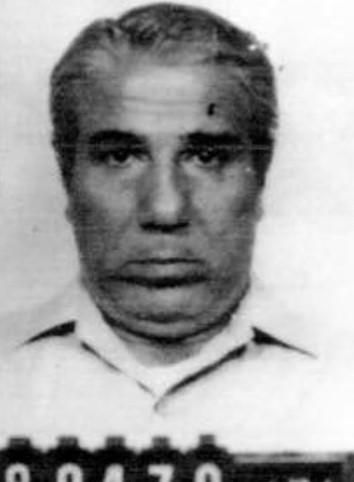
Anthony Mirra grew up in Brooklyn and became associated with the Bonanno crime family during a period when organized crime remained one of the most powerful criminal forces in America. Like many aspiring gangsters, he understood the importance of relationships.
Money mattered. Violence mattered. Connections mattered most.
The Mafia rewarded men who could bring opportunities to the table. A profitable gambling operation, a labor racket, or a promising associate could all increase a man’s value within the organization. Mirra spent much of his career trying to prove exactly that.
He wanted respect. He wanted influence. Most importantly, he wanted powerful people to notice him.
That desire would eventually place him in the path of one of the FBI’s most successful undercover operations.
Enter Donnie Brasco
In 1976, FBI Special Agent Joseph D. Pistone was deep into an undercover identity known as Donnie Brasco.
Pistone’s operation was unlike anything federal law enforcement had attempted before. Rather than infiltrating low-level street gangs, he intended to penetrate the Mafia itself. Such a mission required patience, credibility, and a believable criminal background.
It also required a doorway. Tony Mirra became that doorway.
Mirra encountered Donnie Brasco in New York’s criminal underworld and quickly developed a relationship with him. The supposed jewel thief seemed useful, knowledgeable, and capable of earning money. In Mirra’s eyes, Brasco represented exactly the type of associate who could strengthen his own position within the Bonanno family.
Introducing Brasco wasn’t merely an act of friendship. It was an investment.
Mirra hoped the relationship would earn him favor with Bonanno leadership and demonstrate his value as a connected, resourceful gangster. For a brief period, it appeared to work.
| Tommy DeSimone: The Killer Who Could Never Earn His Button |
Chasing Approval
Many wiseguys spend their entire lives chasing approval. The Mafia operates on a system of recognition and validation. Associates seek the respect of soldiers. Soldiers seek the respect of captains. Captains seek the approval of bosses. The cycle never ends.
Mirra understood this dynamic better than most. He constantly looked for ways to improve his standing within the Family. Every introduction, every business opportunity, and every new relationship carried potential political value. Donnie Brasco seemed like a gift.
The undercover agent quickly demonstrated an ability to fit in. He understood criminal culture, knew how to conduct himself around mobsters, and appeared comfortable operating in their world. Mirra saw opportunity. The FBI saw access.
Neither side understood how significant the consequences would become.
Losing Control of the Asset
The irony of Tony Mirra’s story is that his biggest problem wasn’t simply introducing Donnie Brasco. His biggest problem was losing control of him.
As Brasco became more deeply involved in Bonanno circles, other mobsters recognized his potential. Eventually, he developed a close relationship with Dominick “Sonny Black” Napolitano, one of the family’s most respected captains. That shift created tension.
Mirra wanted credit for bringing Brasco into the organization. Sonny Black wanted Brasco working with his crew. The resulting conflict reflected a common Mafia problem: successful assets attract powerful sponsors.
What neither man realized was that they were effectively arguing over an FBI agent. The Bureau couldn’t have asked for a better outcome. Every new introduction expanded Pistone’s access. Every new relationship strengthened his cover.
Every attempt to help him climb the ladder pushed him deeper into the heart of organized crime.
| Crazy Joey Gallo: The Man Who Finally Stopped Kissing the Ring |
The Secret That Shook the Mafia
For nearly six years, Joseph Pistone operated undercover. He attended meetings. Participated in criminal enterprises. Developed friendships. Collected intelligence. Observed the inner workings of organized crime at a level few law enforcement officers had ever achieved.
Then, in 1981, the operation ended.
The revelation hit the Mafia like an explosion. Donnie Brasco was not a jewel thief. He was not a future made man. He was not a trusted associate. He was FBI Special Agent Joseph Pistone. The damage was immense.
Investigations benefited from years of intelligence. Criminal enterprises were exposed. Relationships collapsed beneath waves of suspicion and paranoia. The question quickly became unavoidable.
Who brought him in?
No Good Deed Goes Unpunished
The answer led investigators, mobsters, and Bonanno leadership back to Tony Mirra.
Although Sonny Black received much of the blame because he had become Pistone’s primary sponsor, Mirra’s role remained impossible to ignore.
He had opened the door. He had vouched for Brasco. He had helped legitimize the very man who embarrassed one of New York’s Five Families.
Intent didn’t matter. The Mafia rarely concerns itself with good intentions. Results are what count. Mirra had tried to help the Family. The result was one of the most devastating infiltrations in organized crime history.
From the Mafia’s perspective, the outcome spoke for itself.
The Order
By the early 1980s, Bonanno leadership faced enormous pressure to restore credibility. An undercover FBI agent had spent years operating inside Mafia circles. Other crime families viewed the scandal as humiliating. Questions emerged regarding discipline, security, and leadership. Someone had to answer for it.
Historically, organized crime often responds to embarrassment with violence. Punishment serves two purposes: eliminating perceived threats and demonstrating strength to everyone else.
Tony Mirra became one of the men selected to pay the price.
Accounts vary regarding the precise chain of command involved, but organized crime historians generally agree that Mirra’s death stemmed directly from his role in facilitating Brasco’s introduction to Bonanno circles.
Trying to help the Family had become a capital offense.
A Deadly Irony
The most tragic aspect of Tony Mirra’s story is that he did exactly what ambitious Mafia members are encouraged to do.
He sought opportunities. He built relationships. He introduced potentially valuable associates. He attempted to increase his usefulness to the organization. Those actions should have improved his standing. Instead, they destroyed him.
The Mafia constantly encourages initiative while simultaneously punishing failure. The contradiction creates an environment where success is rewarded and mistakes become fatal. Mirra happened to make one of the largest mistakes in organized crime history.
Unfortunately for him, he didn’t even know he was making it.
The Noir Lesson
Tony Mirra spent years trying to prove his value to the Bonanno family.
He wasn’t plotting against the organization. He wasn’t secretly working with law enforcement. He wasn’t stealing money or challenging leadership. Like countless wiseguys before him, he simply wanted to be seen as useful.
Then he met a man who called himself Donnie Brasco.
The introduction seemed harmless. It appeared beneficial. It looked like the kind of favor that could improve a gangster’s standing and earn respect from powerful people. Instead, it became the first chapter of his downfall.
The Mafia loves initiative when it produces profits. It loves loyalty when it strengthens the organization. It loves introductions when they create opportunities.
But when those same actions lead to disaster, yesterday’s loyal soldier becomes today’s scapegoat. Tony Mirra never betrayed the Bonanno family. He never intended to expose its secrets. He never knowingly brought an FBI agent into its inner circles.
None of that mattered.
In organized crime, consequences outweigh intentions. Results outweigh loyalty. A lifetime of service can be erased by a single mistake. Tony Mirra tried to help the Family.
The Family decided that was reason enough to kill him.
References:
Capeci, Jerry. The Complete Idiot’s Guide to the Mafia. Indianapolis: Alpha Books, 2002.
Pistone, Joseph D., and Richard Woodley. Donnie Brasco: My Undercover Life in the Mafia. New York: New American Library, 1988.
Pistone, Joseph D. Donnie Brasco: Unfinished Business. Philadelphia: Running Press, 2007.
Raab, Selwyn. Five Families: The Rise, Decline, and Resurgence of America’s Most Powerful Mafia Empires. New York: Thomas Dunne Books/St. Martin’s Press, 2005.
Federal Bureau of Investigation. Donnie Brasco Investigation. Washington, DC: Federal Bureau of Investigation. https://www.fbi.gov/history/famous-cases/donnie-brasco
Maas, Peter. Underboss: Sammy the Bull Gravano’s Story of Life in the Mafia. New York: HarperCollins, 1997.
United States Department of Justice. Operation Donnie Brasco Historical Overview. Washington, DC: U.S. Department of Justice.
United States Senate. Organized Crime and Racketeering Investigations. Washington, DC: U.S. Government Printing Office.