Sonny Black: One Mistake Erased Thirty Years of Loyalty
“Kiss the Ring. Dig Your Grave” series – Article 7
The Mafia has always claimed that loyalty is measured over a lifetime.
A man earns respect through decades of silence, discipline, and unwavering devotion to the Family. He keeps his mouth shut when the police knock on his door. He follows orders without hesitation. He protects the boss, mentors younger associates, and places the organization above his own interests. The longer he serves, the stronger his reputation becomes.
At least, that’s the myth. The reality is far colder.
In organized crime, a lifetime of loyalty can disappear in a single afternoon. One mistake—whether intentional or accidental—can erase thirty years of faithful service. There are no appeals. No explanations. No accounting for good intentions. Results are all that matter.
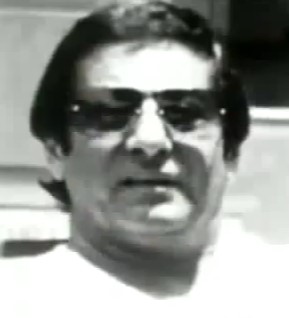
Few men learned that lesson more painfully than Dominick “Sonny Black” Napolitano.
He wasn’t reckless. He wasn’t greedy. He wasn’t plotting against the Family. He was exactly the kind of captain every Mafia boss claimed to want: respected, disciplined, fearless, and absolutely loyal. His fatal mistake wasn’t betrayal. It was failing to recognize it.
By unknowingly sponsoring undercover FBI agent Joseph Pistone—better known as Donnie Brasco—into the Bonanno crime family, Sonny Black signed his own death warrant without ever realizing it.
Three decades of loyalty vanished beneath one catastrophic error.
A Captain’s Reputation
Born in Brooklyn in 1930, Dominick Napolitano entered organized crime during an era when the Mafia still prized old-world traditions. Advancement came slowly. Respect had to be earned over years, not months. Every successful earner was expected to demonstrate discretion, reliability, and complete commitment to the Family.
Sonny Black excelled at all three.
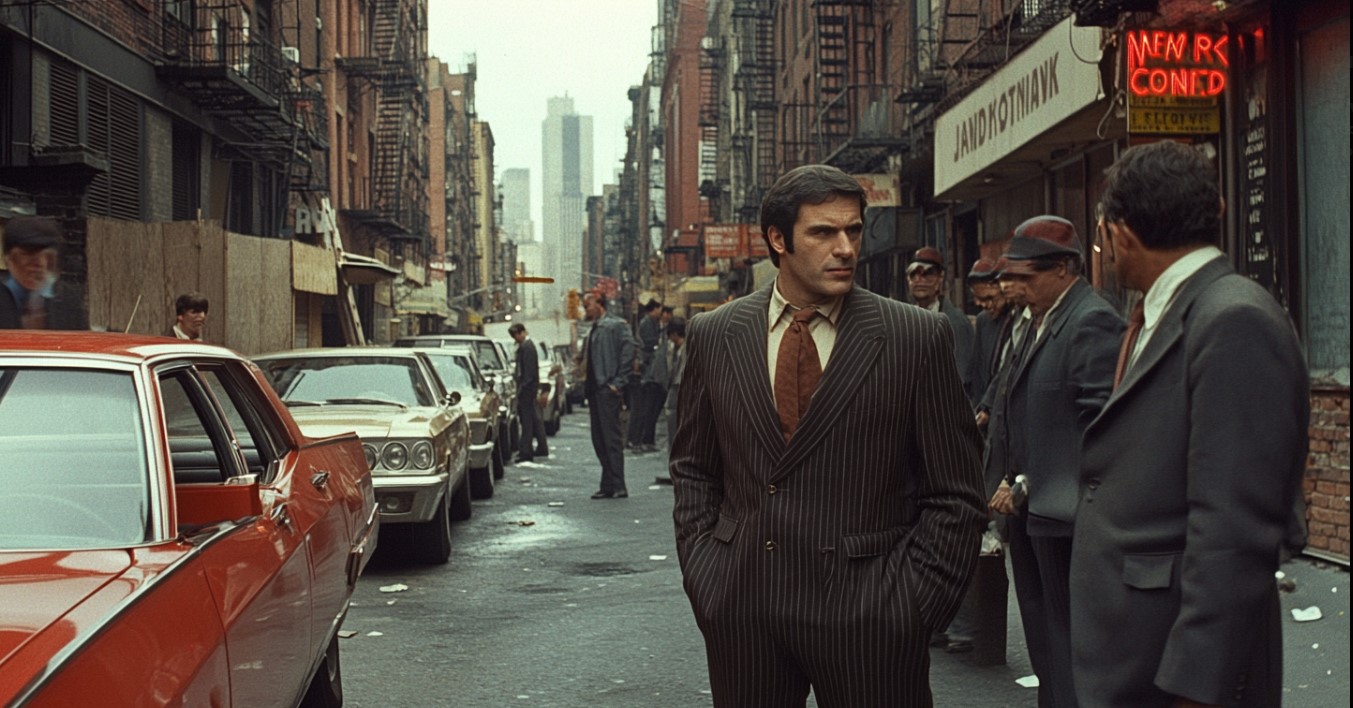
By the 1970s, he had become a highly respected captain in the Phillip Rastelli faction of the Bonanno crime family. His crew operated gambling, loansharking, and other traditional rackets throughout New York, producing steady income while avoiding unnecessary attention from law enforcement. Unlike flamboyant gangsters who enjoyed publicity, Sonny Black embraced the shadows. Associates viewed him as tough but fair, a man who enforced discipline without seeking headlines.
His reputation rested on something increasingly rare. Trust. When Sonny Black vouched for someone, other wiseguys listened.
That reputation would ultimately destroy him.
| Tommy DeSimone: The Killer Who Could Never Earn His Button |
A Stranger Named Donnie
In 1976, an experienced jewel thief known as Donnie Brasco began circulating among New York’s criminal circles.
He seemed believable. He understood the language of the streets. He knew stolen jewelry. He appeared patient, respectful, and willing to work his way upward.
In reality, Donnie Brasco was FBI Special Agent Joseph D. Pistone operating one of the most ambitious undercover investigations in Bureau history. His assignment was extraordinarily dangerous.
Rather than infiltrating street gangs, Pistone intended to penetrate La Cosa Nostra itself. Most organized crime figures considered such an achievement impossible. The Mafia relied upon introductions.
Trust. Reputation. No outsider could simply walk through the door. Someone had to open it.
That someone became Sonny Black.
| Crazy Joey Gallo: The Man Who Finally Stopped Kissing the Ring |
The Value of Sponsorship
Inside the Mafia, sponsorship carries enormous responsibility. Introducing an associate to influential members is more than a favor. It is a personal guarantee.
When a captain vouches for a newcomer, he places his own reputation behind that individual. Every future action reflects upon the sponsor’s judgment. Sonny Black believed Donnie Brasco possessed the qualities the Mafia admired.
He worked hard. He earned money. He respected hierarchy. He remained calm under pressure. Everything appeared genuine because it was carefully designed to appear genuine.
Pistone spent years patiently building credibility before asking for greater access. Sonny Black saw opportunity. The FBI saw history.
The Perfect Infiltration
As months turned into years, Pistone moved deeper into the Bonanno family. He attended meetings. Participated in criminal activity. Observed disputes. Learned organizational structures.
Developed close friendships with experienced gangsters who believed they had found a dependable future member. Among them, no relationship proved more important than his bond with Sonny Black.
The captain trusted him completely. He shared information. Introduced him to influential figures. Even began positioning him for eventual induction into the Mafia.
It represented one of the greatest security failures in organized crime history. Yet Sonny Black never suspected the truth. He wasn’t careless.
He was deceived by one of the finest undercover operations ever conducted by the FBI.
| Willie Moretti: When Even the Boss Couldn’t Save You |
The Unforgivable Failure
In July 1981, the FBI ended Operation Donnie Brasco. Joseph Pistone’s true identity became known. Shock rippled through organized crime. The impossible had happened.
An FBI agent had spent nearly six years inside Mafia circles, gathering intelligence, observing criminal enterprises, and earning the confidence of respected captains.
Questions immediately followed. Who introduced him? Who vouched for him? Who allowed him access? Every answer pointed toward Sonny Black. Intent became irrelevant.
The Mafia judged outcomes.
By sponsoring an undercover federal agent into the Family, Sonny Black had committed an unforgivable error—even though he had no idea the deception was taking place.
The damage spoke louder than his loyalty ever could.
No Defense
Outside the Mafia, negligence and betrayal are very different concepts. Inside La Cosa Nostra, the distinction often disappears. Sonny Black had not informed. He had not stolen. He had not plotted against leadership.
He had simply failed.
That failure embarrassed the Bonanno family before every other Mafia organization in America. The FBI now possessed years of intelligence because one respected captain had trusted the wrong man. No explanation could undo that humiliation.
No lifetime of faithful service could erase it.
The rules demanded accountability.
The Last Meeting
By August 1981, Sonny Black understood what was coming.
Accounts from former mobsters and Joseph Pistone suggest that Napolitano recognized the consequences long before anyone formally summoned him. According to widely repeated accounts, he removed his jewelry before leaving home and told family members he would not be needing it anymore.
Whether every detail has survived exactly as reported is impossible to verify. The broader truth is not. Sonny Black walked into his final meeting fully aware that he would not return.
His body was never officially recovered.
Years later, authorities concluded he had almost certainly been murdered shortly after answering the call. Thirty years of loyalty ended without ceremony.
The Cruel Mathematics of the Mafia
Sonny Black’s death illustrates one of organized crime’s harshest calculations.
The Mafia does not measure intent. It measures consequences. From leadership’s perspective, the Bonanno family had suffered one of the greatest infiltrations in its history. Someone had to answer for that disaster.
The captain who sponsored Donnie Brasco became the obvious choice. It made little difference that he had been deceived by an exceptionally skilled undercover operative.
Results mattered. Excuses did not.
The Noir Lesson
Dominick “Sonny Black” Napolitano believed in the Mafia more deeply than many of the men who eventually condemned him.
He spent decades protecting its secrets, enforcing its rules, and mentoring younger associates. He earned respect the traditional way—through discipline, patience, and unwavering loyalty. He became the kind of captain every organization claims to value.
Then one man walked into his life carrying a fake name and a real FBI badge. Joseph Pistone didn’t defeat Sonny Black with superior firepower. He defeated him with trust.
The tragedy is almost Shakespearean. The very quality that made Sonny Black a respected leader—his ability to recognize potential and build loyal relationships—became the weapon that destroyed him.
He never betrayed the Bonanno family. He simply failed to recognize that someone else was betraying it. The Mafia refused to acknowledge the difference.
In the end, Sonny Black wasn’t judged by thirty years of faithful service. He was judged by one mistake.
And in organized crime, one mistake can erase an entire lifetime.
References
Capeci, Jerry. The Complete Idiot’s Guide to the Mafia. Indianapolis: Alpha Books, 2002.
Pistone, Joseph D., and Richard Woodley. Donnie Brasco: My Undercover Life in the Mafia. New York: New American Library, 1988.
Pistone, Joseph D. Donnie Brasco: Unfinished Business. Philadelphia: Running Press, 2007.
Raab, Selwyn. Five Families: The Rise, Decline, and Resurgence of America’s Most Powerful Mafia Empires. New York: Thomas Dunne Books/St. Martin’s Press, 2005.
United States v. Bonanno Organized Crime Family cases, U.S. District Court records, Southern District of New York.
Federal Bureau of Investigation. Famous Cases: Donnie Brasco. Washington, DC: Federal Bureau of Investigation. https://www.fbi.gov/history/famous-cases/donnie-brasco
United States Department of Justice. Operation Donnie Brasco: Historical Case Summary. Washington, DC: U.S. Department of Justice.
Maas, Peter. Underboss: Sammy the Bull Gravano’s Story of Life in the Mafia. New York: HarperCollins, 1997.