Protection, Payoffs, and Profits: The Economics of Prohibition Nightclubs
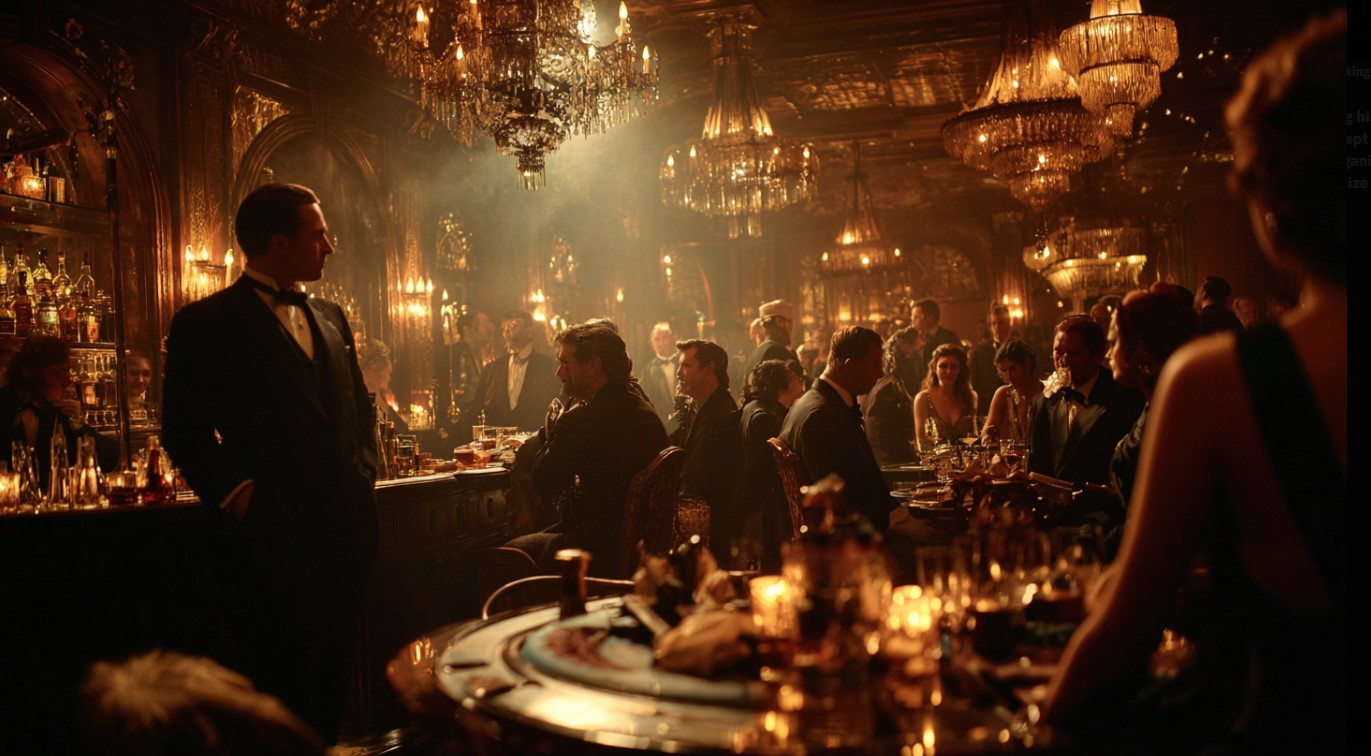
The lights were low, the jazz softly swelling through the room, and patrons sipped cocktails that carried secrets as potent as the spirits themselves. Behind the velvet curtains of Prohibition-era nightclubs, a complex economic ecosystem thrived—one built on revenue streams, payoffs, and carefully orchestrated protection. Organized crime had learned that the business of nightlife was more than serving drinks; it was precision engineering in shadows, a delicate balance of charm, fear, and finance.
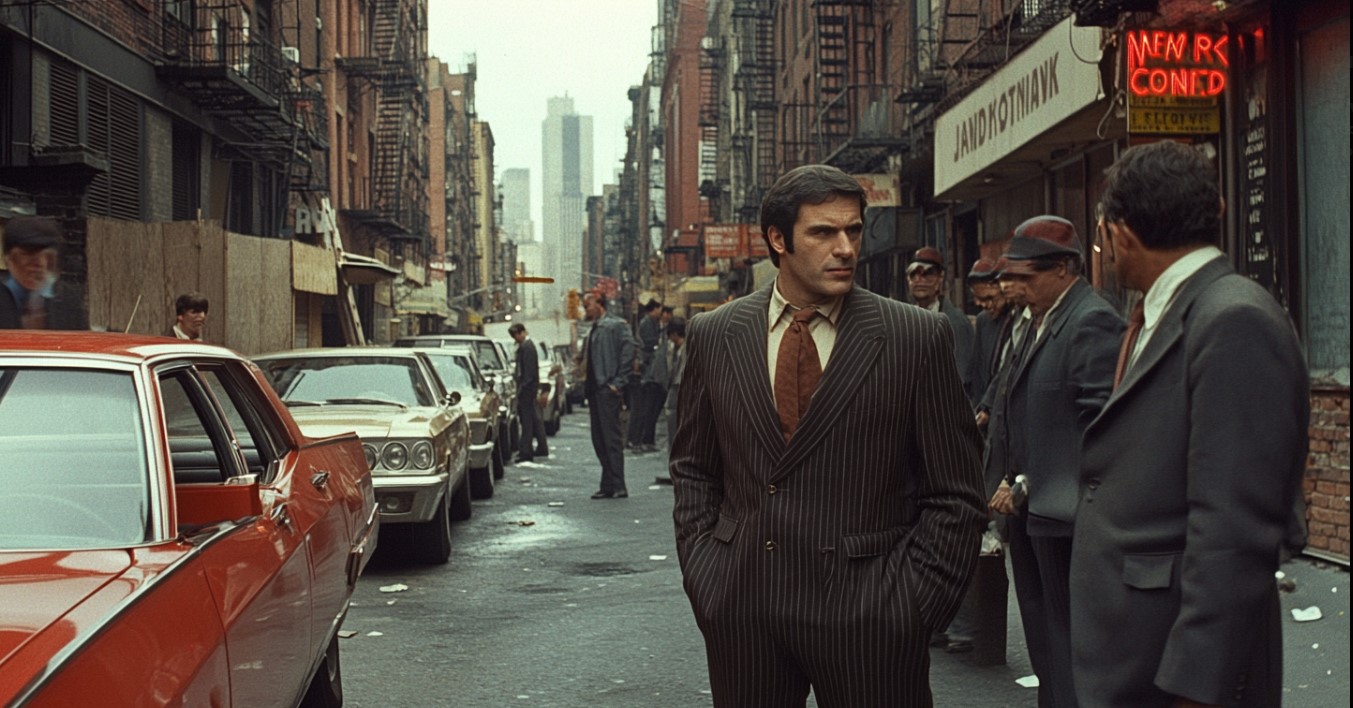
| The Payroll Punch – Cash Flow in a Glass |
Revenue Streams: More Than Liquor
The primary source of income in these nightclubs was obvious: alcohol. Bootleg whiskey, rum, and gin flowed freely, often sourced through meticulously managed supply chains. But revenue extended far beyond the bar.
Gambling was a quiet undercurrent. Roulette wheels, poker tables, and dice games were tucked behind partitions, hidden from casual patrons but rigorously accounted for in ledgers known only to managers and accountants.
Entertainment added another layer. Jazz bands, dance troupes, and cabaret performances were both genuine draws and strategic diversions, ensuring that attention stayed on music and lights rather than the movement of cash.
Restaurants and supper clubs provided yet another avenue for income. Meals were meticulously priced, drinks were carefully rationed, and every tip, surcharge, and ticket was accounted for. The cocktail menu was both indulgence and ledger, transforming ordinary drinks into instruments of economic strategy.
Noir observation: The revenue was real, the stakes higher than any gambler could imagine, and every toast was a quiet reaffirmation of the club’s authority.
| The Enforcer’s Old Fashioned – Muscle Meets Money |
Weekly Payouts: Who Got Cut In
Running a Prohibition nightclub was not a solitary endeavor. Everyone had a share.
At the top were the syndicate bosses, who often remained invisible, their names absent from lease agreements and bank statements. Beneath them, managers and accountants ensured that daily earnings were properly recorded, bribes discreetly disbursed, and payroll quietly padded. Bartenders, performers, and waitstaff all received a cut, either in wages or in tips calculated to incentivize loyalty.
Then there were the enforcers, men whose presence alone guaranteed the smooth flow of revenue. A nod from them at the door—or a glance at a rowdy patron—kept order and ensured that the club’s economic machinery continued without interruption.
Law enforcement itself was part of the system. Weekly payouts to local police officers, inspectors, and occasionally politicians were carefully calculated. Too little, and raids could happen; too much, and the operation’s profit margins would collapse. Protection was transactional, codified in cash, gestures, and subtlety.
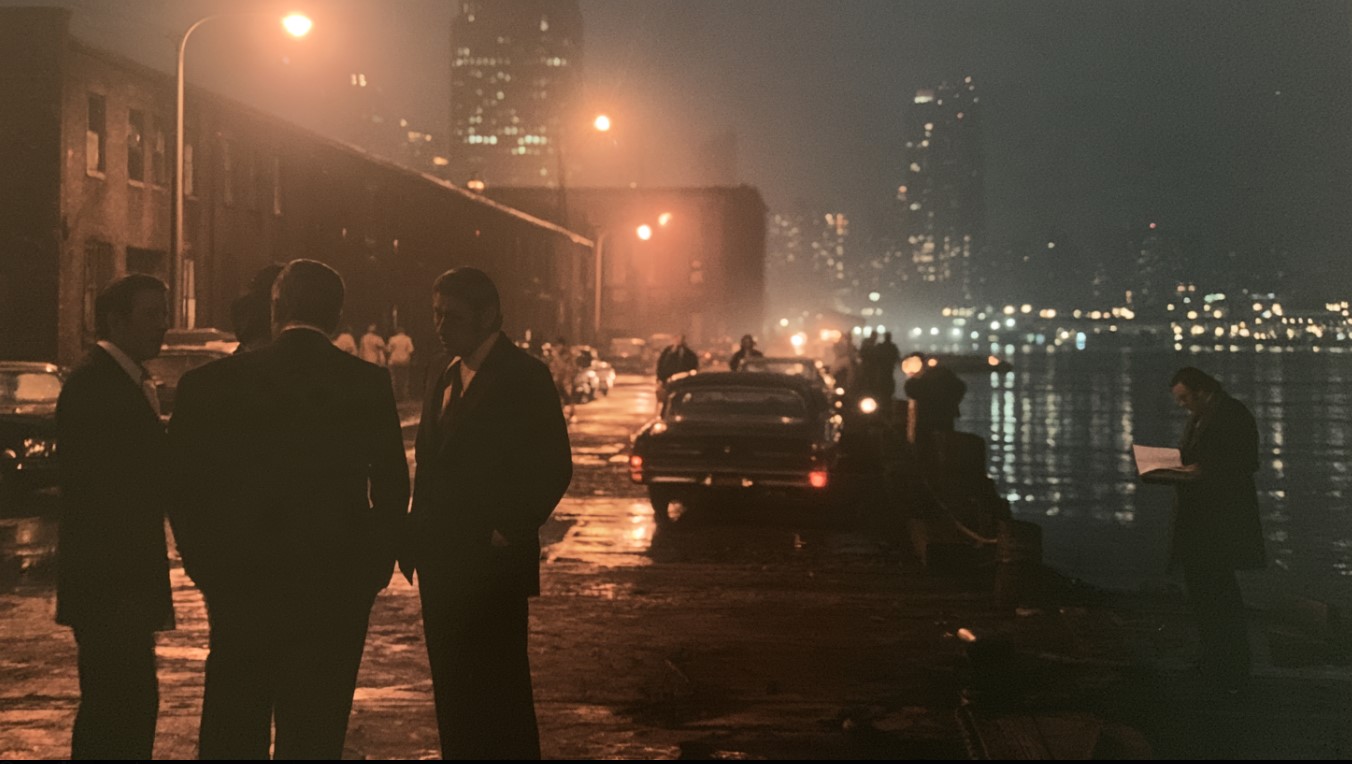
| The Officer’s Tip – Payoff in Disguise |
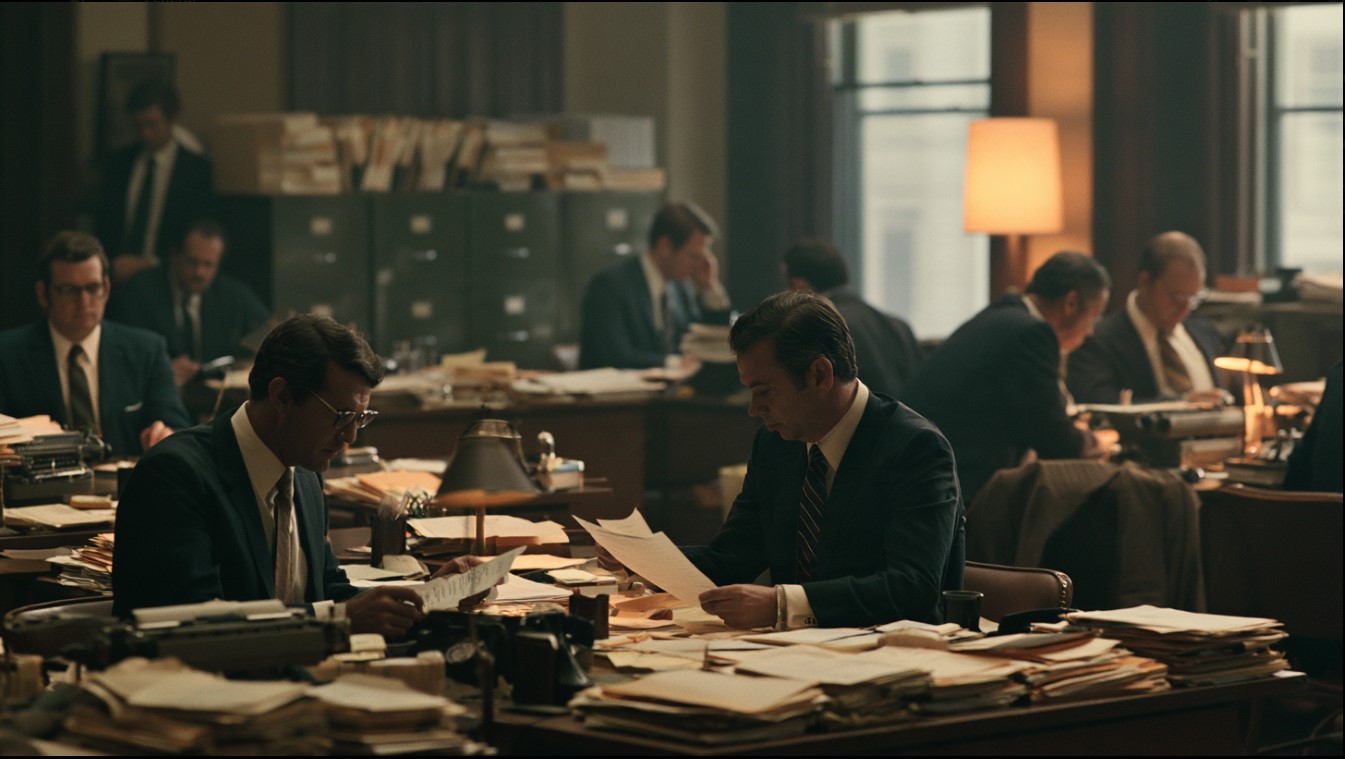
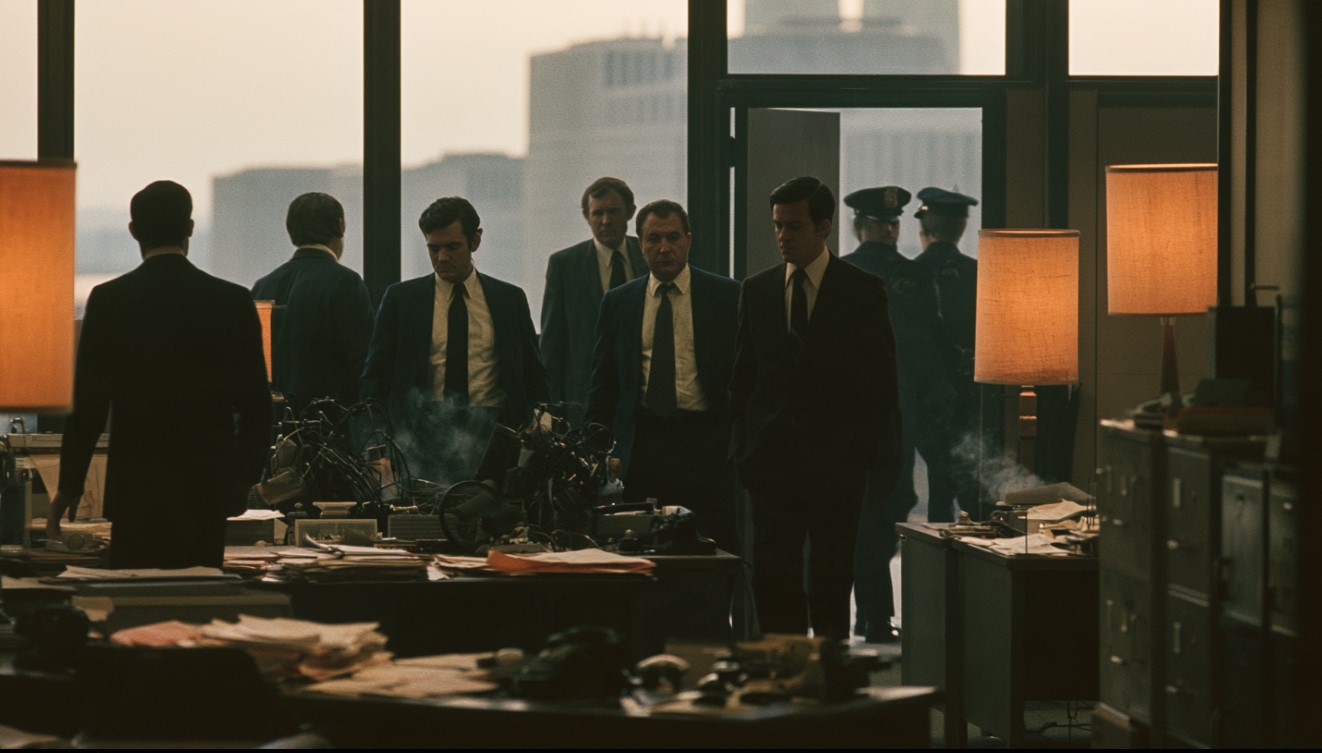
Noir observation: In the dimly lit office above a club, ledgers were examined, envelopes counted, and decisions made that affected fortunes and fates alike. A single miscalculation could mean arrest, loss, or worse.
Payoffs as Strategic Investment
Paying off law enforcement, union bosses, and city officials was less about fear and more about business planning. A steady stream of discreet payments created predictability in an unpredictable environment. Clubs that mastered this system enjoyed months or years of uninterrupted operation; those that miscalculated saw doors padlocked, shipments seized, or rival gangs encroach on their territory.
The economics of protection extended to territory as well. Syndicates negotiated boundaries, sometimes across cities, ensuring that rival operators could coexist—or were deterred from competition through implied or explicit threats. Every dollar paid out was an investment in stability, longevity, and influence.
Noir observation: The finest cocktail in the room was worth more than the sum of its ingredients—it symbolized the delicate choreography of money, muscle, and discretion that made every night profitable.
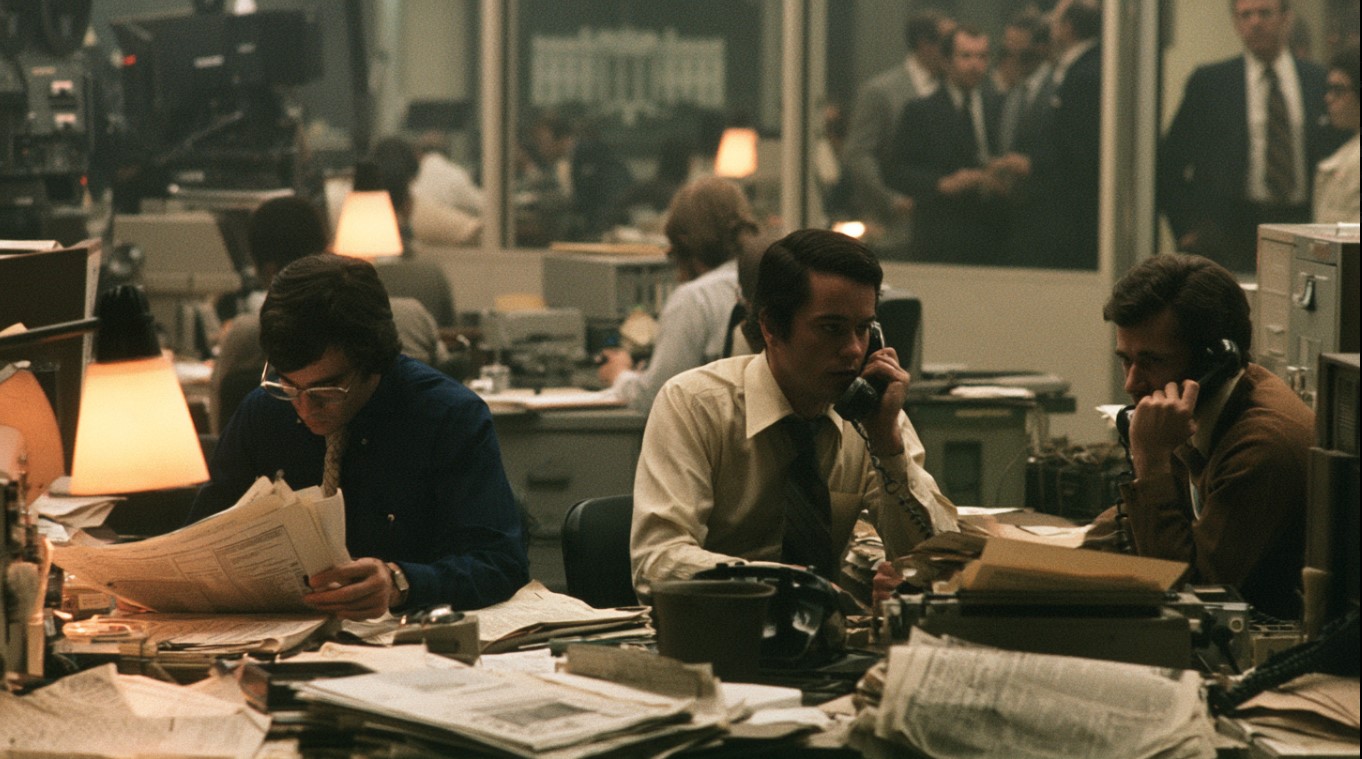
| The Syndicae Sour- Risk and Reward |
Profits Beyond Numbers
Profit in a Prohibition nightclub was not merely financial; it was psychological and social. Ownership granted influence, visibility, and power. The club was a platform for expanding social networks, testing loyalty, and extending the syndicate’s reach.
Elite patrons—politicians, celebrities, businessmen—were both customers and instruments. Their presence validated the nightclub, deterred interference, and occasionally facilitated deals beyond the scope of the club itself. Profits were thus measured in dollars, prestige, and strategic advantage.
Night after night, the system operated like a silent orchestra. Bartenders, musicians, accountants, and enforcers performed in harmony, generating wealth while maintaining the delicate illusion of civility and sophistication.
Noir observation: In the smoky haze, deals were made and unmade, fortunes shifted, and power circulated invisibly, all under the guise of cocktails and music.
| The Ledger Martini – Accounting in Liquid Form |
References:
- Selwyn Raab, Five Families: The Rise, Decline, and Resurgence of America’s Most Powerful Mafia Empires
- T.J. English, The Corporation: An Epic Story of the Cuban Mob and the Rise of Modern Organized Crime
- Mark H. Haller, Bootlegging: The Business and Politics of Violence
- Daniel Okrent, Last Call: The Rise and Fall of Prohibition
- FBI Vault – Prohibition and Organized Crime Records, https://vault.fbi.gov
- The Mob Museum – Prohibition Era Research Archives, https://themobmuseum.org
- Library of Congress – Prohibition Primary Source Collections, https://loc.gov