Series: Part II: The White Coats of the Underworld: How Doctors Quietly Served the Mafia
Where Bullets Were Removed, Records Were Erased, and Silence Healed Faster Than Medicine
New York bled differently than Chicago.
Chicago specialized in delay. New York specialized in disappearance.
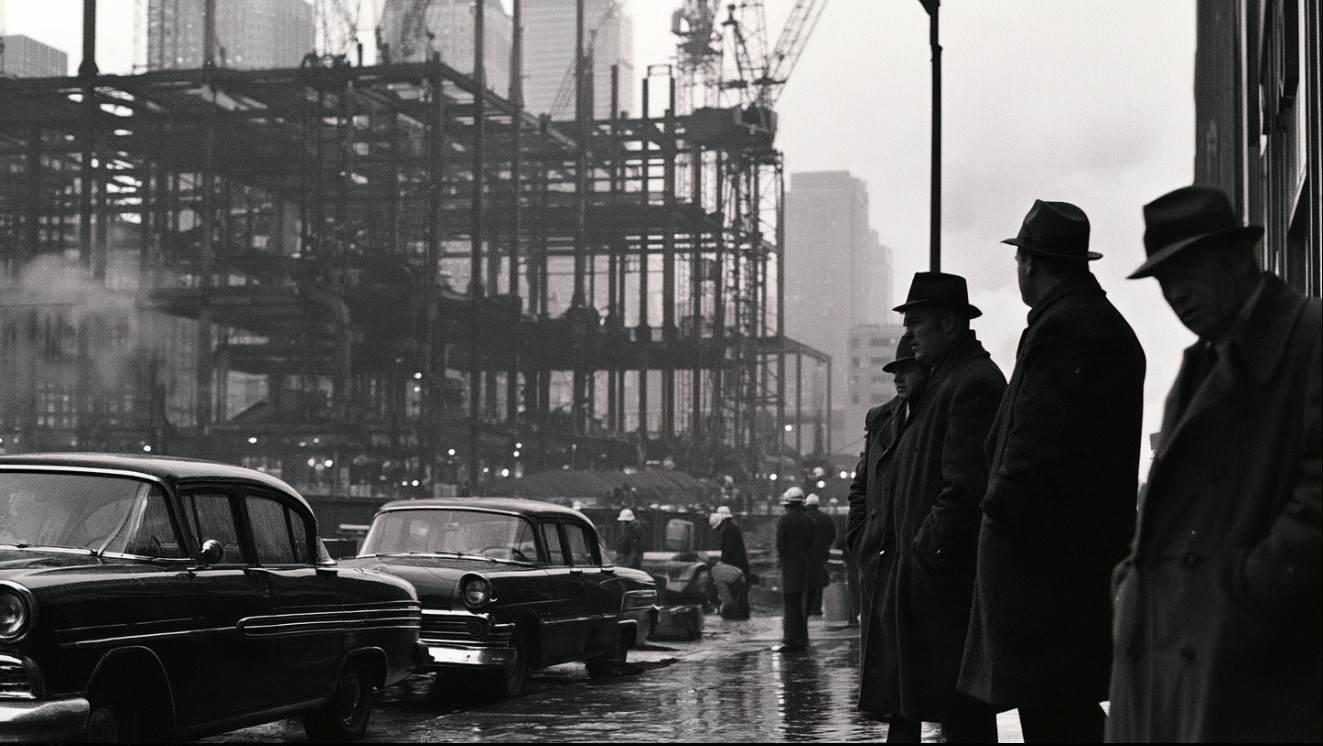
When a man was shot in Manhattan, Brooklyn, or the Bronx during the Mafia’s peak years, the question wasn’t whether he would survive. The question was whether anyone would ever know why he was bleeding—or who had put the hole in him.
Hospitals were dangerous places for mobsters. Gunshot wounds came with paperwork. Paperwork came with police. Police came with questions. And questions were lethal.
So the New York families adapted.
They didn’t just need doctors. They needed trauma doctors—men who could work fast, ask nothing, and leave no trail.
The Golden Hour of Silence
By the 1930s through the 1960s, New York’s underworld had refined a simple rule: a wounded gangster who entered a public emergency room was already half-arrested. Mandatory reporting laws required hospitals to notify police of gunshot and knife wounds. Once that call was made, the damage was done.
The solution wasn’t to avoid treatment. It was to control it.
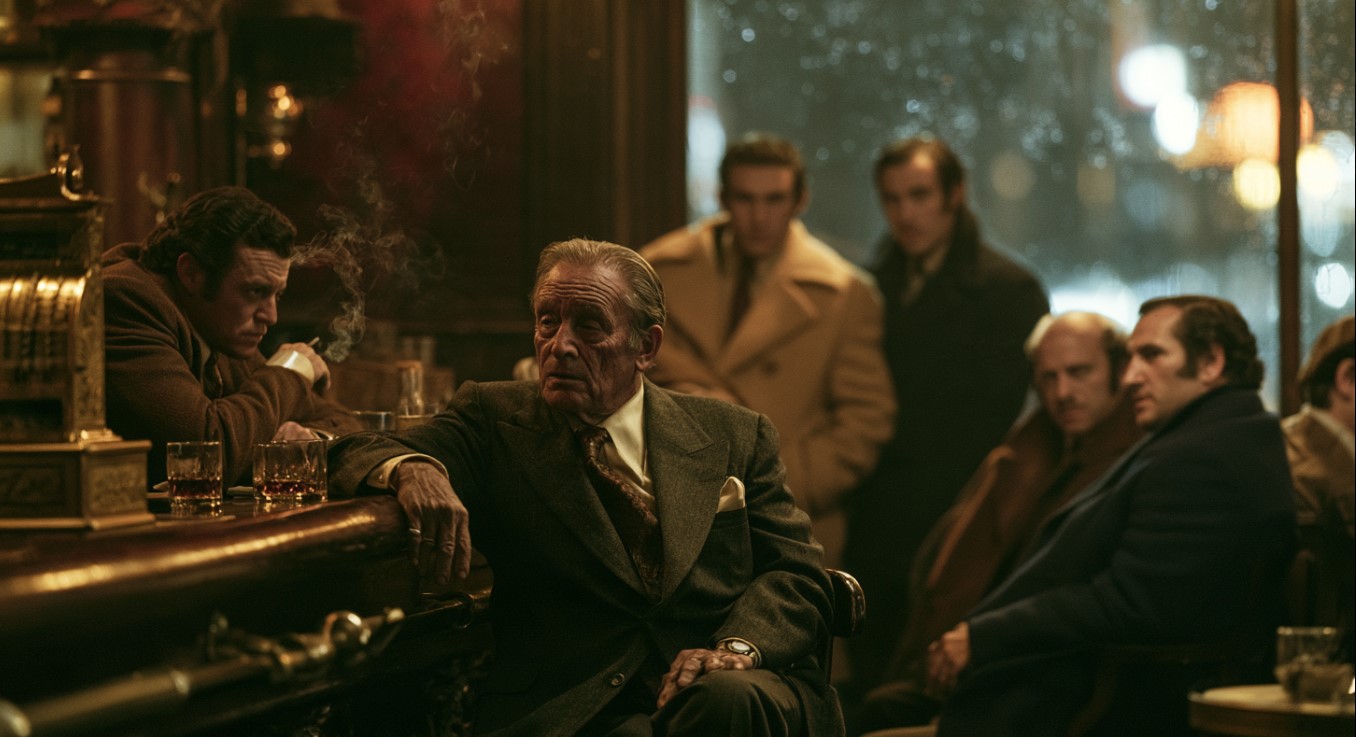
Private clinics, after-hours offices, and discreet house calls became part of the Mafia’s emergency response system. Certain doctors—never officially named, rarely indicted—were known within the families as reliable. Not loyal. Reliable.
They understood the transaction without it ever being spoken.
Bullets Out, Questions Never Asked
Trauma doctors were different from general practitioners. They worked with blood, bone, and time. A bullet left inside a body could kill a man days later. A bullet removed improperly could do the same. The work required skill—and trust.
These doctors allegedly provided services that hospitals could not:
-
- Bullet extraction without admission
-
- Wound repair without police notification
-
- Surgical stitching that left minimal scarring
-
- Sedation strong enough to keep mouths shut
The emphasis wasn’t just on survival. It was on plausibility. If a wound healed cleanly, it could later be explained away as a workplace accident, a fall, or a “street robbery by unknown persons.”
Unknown persons were convenient.
Murder, Inc. and the Price of Speed
During the Murder, Inc. era, speed mattered more than discretion. Hitmen were expendable. Evidence was not.
FBI files and later testimony suggested that certain New York doctors treated known associates of Murder, Inc. for injuries sustained during hits—knife wounds, defensive gunshot injuries, blunt-force trauma from botched jobs.
The key wasn’t secrecy alone. It was timing.
A man shot during a contract killing might show up at a private office within hours, sometimes minutes. The faster the bullet came out, the less chance there was of infection, complications, or a panicked hospital visit later.
These doctors weren’t on retainer in any formal sense. But word traveled fast in the underworld. One successful treatment bought silence, referrals, and protection.
One mistake bought fear.
The Quiet Crime of Not Reporting
The most dangerous thing a trauma doctor could do wasn’t extracting a bullet.
It was not reporting it.
Mandatory reporting laws existed on paper, but enforcement was uneven. Doctors who avoided hospitals, falsified intake notes, or simply never created records could operate in a legal fog. Proving non-reporting required proof that treatment occurred at all.
And without records, there was nothing to prove.
This wasn’t corruption in the cinematic sense. There were no dramatic payoffs in brown envelopes. Often it was quieter:
Cash payments.
Professional favors.
Union pressure.
Fear of retaliation.
Sometimes all four.
The Medical Alibi
Healing the wound was only half the job. The rest was narrative.
Once a gangster recovered, the question inevitably arose: Where did you get hurt?
Doctors helped provide the answer.
A treated gunshot wound could later be described as:
-
- An industrial accident
-
- A hunting mishap
-
- A mugging by unknown assailants
-
- A fall onto sharp debris
The injury didn’t have to disappear. It just had to lose its context.
Doctors didn’t testify. They didn’t swear affidavits. Their work spoke through scars, medical charts, and silence.
Why New York Needed Trauma Doctors More Than Chicago Did
Chicago controlled territory tightly. Violence there was planned, spaced out, and insulated.
New York was crowded. Fragmented. Competitive.
Five families. Dozens of crews. Constant friction.
That meant more shootings, more stabbings, more sudden emergencies. New York’s Mafia needed medical help now, not next week.
Trauma doctors filled the gap between crime scene and courtroom. They were the unseen step between violence and survival.
And survival was profitable.
When Things Went Wrong
Not every case stayed quiet.
Some doctors were questioned. A few were charged. Most walked.
Prosecutors struggled to prove intent. A doctor could claim a wound looked superficial. Or that the patient refused hospital care. Or that the injury occurred days earlier.
Medicine gave them cover. The law couldn’t penetrate it.
In rare cases where investigations came close, doctors suddenly stopped practicing—or moved. Careers ended quietly. Lives continued.
The system corrected itself without ever admitting it was broken.
The Ethics That Didn’t Matter
Were these doctors criminals?
That depends on where you draw the line.
They didn’t pull triggers. They didn’t order hits. They didn’t choose victims. But they made violence survivable—and therefore repeatable.
In Mafia logic, that made them valuable.
In moral terms, it made them complicit.
But morality didn’t pay the rent. Silence did.
The Long-Term Damage
The real victims weren’t just the men who were shot. They were the cases that never happened.
Murders went unsolved because shooters healed without records. Investigations stalled because wounded suspects never entered hospitals. Entire chains of evidence died in private offices and back rooms.
Justice wasn’t obstructed loudly.
It was quietly starved.
The Legacy of the Trauma Doctors
By the time federal RICO laws tightened the noose in the 1970s and 1980s, the era of off-the-books trauma medicine began to fade. Surveillance improved. Reporting tightened. Doctors became harder to intimidate.
But for decades, New York’s Mafia survived its bloodiest moments not through loyalty or luck—but through medical competence paired with silence.
The trauma doctors didn’t make headlines. They didn’t leave memoirs. They exist in fragments: FBI files, whispered testimony, patterns that never quite became proof.
That’s fitting.
They healed the wounds that couldn’t be seen in court.
They erased the evidence before it ever learned how to speak.
In New York, bullets didn’t just disappear into bodies.
They disappeared into doctors’ hands—and were never heard from again.
Primary Organized Crime and Mafia History
-
- Murder, Inc. — overview of the notorious New York–based enforcement arm of the Mafia that generated much of the gun violence requiring urgent medical treatment and thus created a need for off-the-books care.
-
- The Valachi Papers (Peter Maas) — classic insider account of Mafia life and practices in mid-20th-century New York that helps frame why gangsters avoided official channels.
-
- Herbert Asbury’s The Gangs of New York — foundational text on the evolution of New York organized crime and violence (context for why underground response systems developed).
Background on Violence and Non-Hospitalized Treatment
-
- Historical patterns of crime-related violence in New York (Murder, Incorporated era) demonstrate a climate where gunshot wounds and trauma were common among mob circles.
(This supports the article’s narrative around why specialized treatment outside normal systems would be needed.)
- Historical patterns of crime-related violence in New York (Murder, Incorporated era) demonstrate a climate where gunshot wounds and trauma were common among mob circles.
Supporting Context on Medical-Crime Intersection
While specific historical documentation of New York mob trauma doctors operating off the books is sparse in widely published sources, the following support the environment where such practices would have existed:
-
- Accounts from organized-crime news and archives showing organized crime’s influence over professionals, including doctors coerced or intimidated to operate for the mob (e.g., prescription coercion).
(These modern examples don’t directly relate to 1930s–60s trauma care, but they demonstrate precedent for mob influence over medical professionals.)
- Accounts from organized-crime news and archives showing organized crime’s influence over professionals, including doctors coerced or intimidated to operate for the mob (e.g., prescription coercion).
Historical Medical-Crime Tension
-
- New York Doctors’ Riot of 1788 — illustrates longstanding public fear and secrecy around physicians and dissection/illegal practices in NYC history, adding atmospheric depth.
(Use this for tone, illustrating how medical practice and secrecy have historically intersected with underground activity.)
- New York Doctors’ Riot of 1788 — illustrates longstanding public fear and secrecy around physicians and dissection/illegal practices in NYC history, adding atmospheric depth.
Suggested Further Reading (Optional)
These books and collections, while not specifically about trauma doctors, provide deeper context for organized-crime environments where such roles could plausibly develop:
-
- Sifakis, Carl — The Mafia Encyclopedia (covers organized-crime figures and ecosystem).
-
- Reppetto, Thomas A. — American Mafia: A History of Its Rise to Power.
-
- Capeci & Robbins — Mob Boss: The Life of Little Al D’Arco (accounts of New York Mafia dynamics).
(These are valuable for contextual research and adding verifiable background to your piece.)
- Capeci & Robbins — Mob Boss: The Life of Little Al D’Arco (accounts of New York Mafia dynamics).
REFERENES
Books & Classic Sources
-
- Murder, Inc. — overview of the Mafia’s enforcement arm in New York City.
-
- Maas, Peter — The Valachi Papers (bio of Joe Valachi, revealing Mafia’s inner life).
-
- Asbury, Herbert — The Gangs of New York (history of crime in NYC).
Contextual & Background Sources
-
- Organized crime influence on medical professionals (Lucchese and Oxycodone coercion).
-
- Organized crime and medical intimidation in Brooklyn federal court.
- The 1788 New York Doctors’ Riot — historical tension between medicine and secretive practices.
All Five Articles in “The White Coats of the Underworld: How Doctors Quietly Served the Mafia” series
1. The Doctor Who Bought Time: Dr. Joseph “Joe” Cefalu and the Medical Shield of the Chicago Outfit
2. The Trauma Doctors of New York
3. Dr. Leonard Schecter — Treating Wounded Gangsters Off the Books (New York)
4. Prison Doctors & “Medical Transfers” for Mafia Inmates
5. Dr. Paul Castellano (No relation) – Providing Alibi-Friendly Medical Records