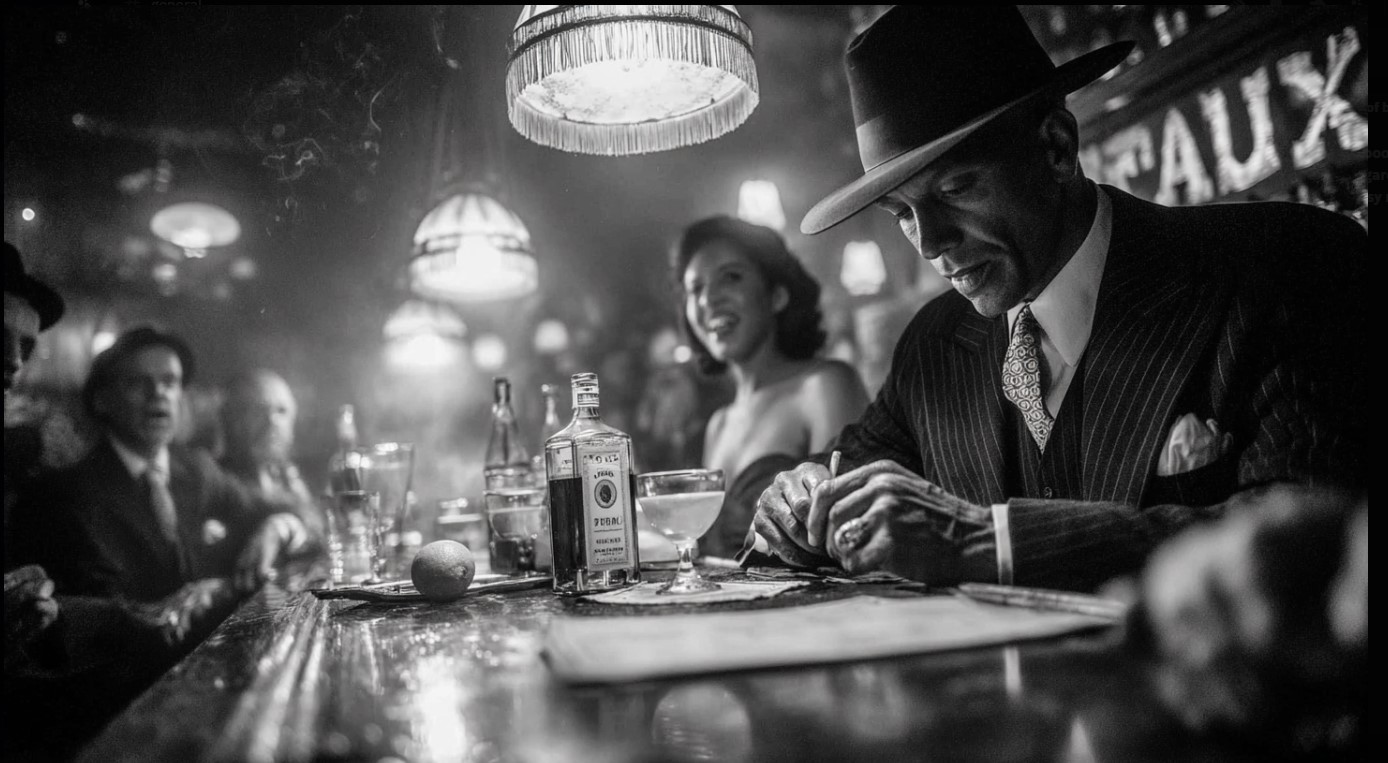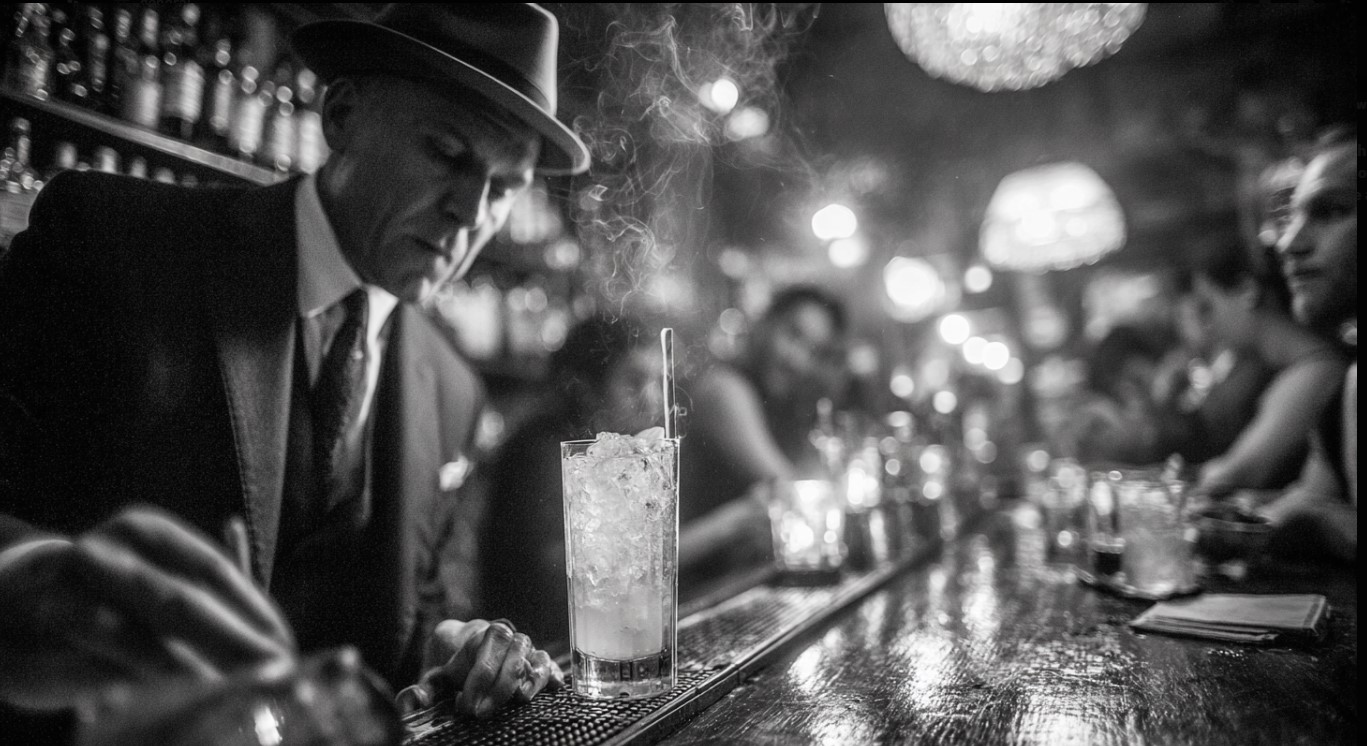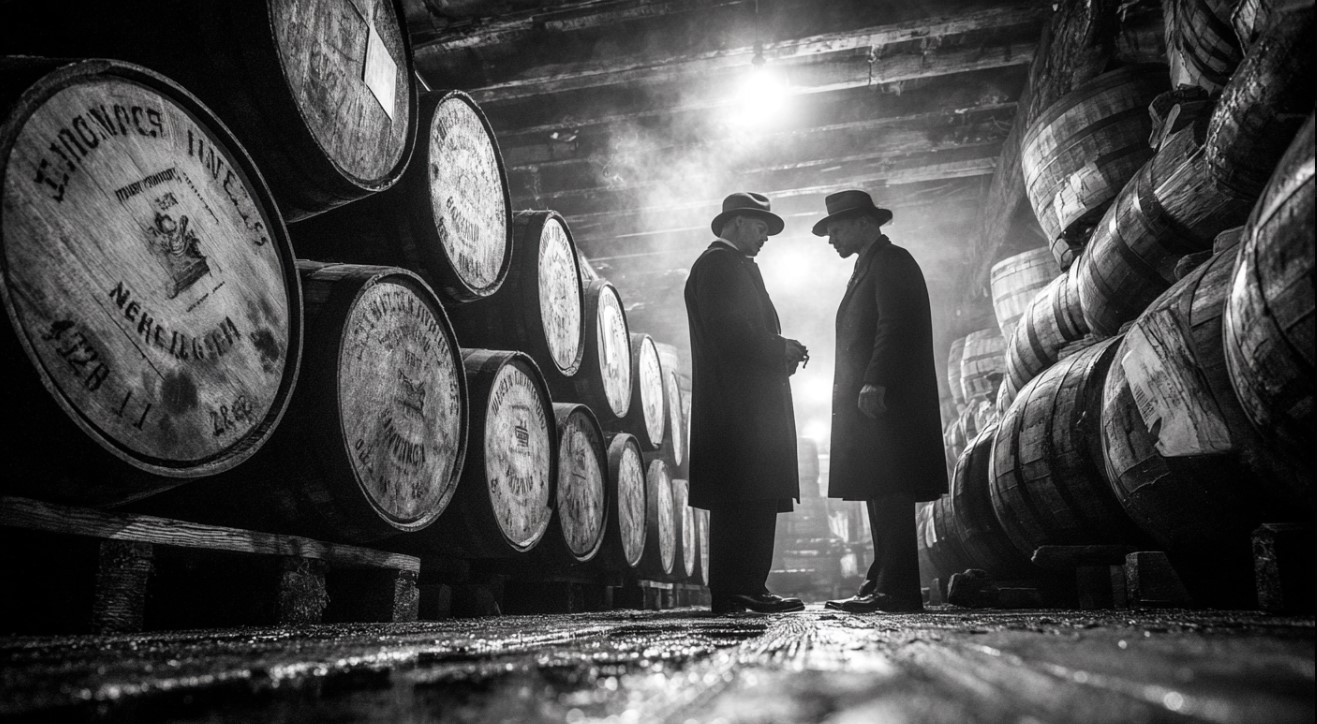
New York, 1930. The city breathed through a cracked rib cage of backroom deals and alleyway executions. Prohibition had turned liquor into currency and violence into negotiation. Every streetlight cast two shadows—one for the man walking, another for the man watching him.
Somewhere in the smoke, they all believed the same lie.
This will be over soon.
It never was.
The Old World Cracks
The war that would later be named the Castellammarese conflict didn’t begin with a declaration. It began with irritation—old grudges, shifting loyalties, and a generation gap that felt less like disagreement and more like decay.
On one side stood Joe Masseria, thick-necked, stubborn, and convinced he was already king. He represented the old guard—men who believed power came from loyalty, tradition, and the slow grind of intimidation.
On the other side was Salvatore Maranzano, a Sicilian with sharper edges and a colder vision. He wasn’t just fighting for territory; he was fighting to impose structure, hierarchy, something resembling order carved out of chaos.
Each man thought the other was temporary.
Each believed the war would resolve itself quickly—one decisive strike, one betrayal, one message sent in blood.
But wars built on ego don’t end. They metastasize.
One More Hit
At first, the violence felt surgical.
A lieutenant disappears. A driver is found slumped over a steering wheel. A body turns up in a warehouse that smells like gasoline and citrus cleaner. Each killing came packaged with the same unspoken assumption:
This should settle things.
It never did.
The problem wasn’t the violence. The problem was the expectation attached to it. Every move was treated like the final move. Every assassination was supposed to be the closing argument in a case no one had actually finished arguing.
Masseria’s camp believed sheer force would suffocate resistance. Maranzano’s faction believed precision and discipline would outlast brute strength. Both sides mistook momentum for inevitability.
And every time the war refused to end, the timeline shifted.
Not publicly. Not formally. But internally, in whispered conversations and cigar-choked rooms, the language changed.
“Soon” became “after the next move.”
“After the next move” became “once we deal with this one problem.”
The war didn’t just continue—it redefined its own ending over and over again.
The Illusion of Control
Control is a dangerous thing in an uncontrolled environment. It breeds overconfidence, and overconfidence breeds miscalculation.
Masseria held meetings where victory felt inevitable. He had numbers, territory, reputation. From his vantage point, the war wasn’t spiraling—it was tightening. He was closing a fist.
Maranzano saw something different. He saw a system that could be replaced. His vision wasn’t just to win the war, but to reshape the Mafia itself into a structured hierarchy, something Roman in its discipline.
Both men believed they were approaching the endgame.
Neither understood that the endgame had already slipped past them.
Because beneath both factions, beneath the gunmen and the loyalists, another figure was watching the timeline stretch and warp beyond usefulness.
The Man Who Stopped Believing the Timeline
Lucky Luciano wasn’t the loudest voice in the room, but he was the most dangerous. Where others saw progress, he saw repetition. Where others saw imminent victory, he saw a loop.
He understood something the old bosses didn’t: a war without a fixed endpoint becomes a business liability.
The longer it dragged on, the more unpredictable it became. The more unpredictable it became, the more it threatened everyone’s bottom line.
Luciano didn’t just doubt the timeline.
He recognized it as fiction.
While Masseria and Maranzano adjusted their expectations, Luciano adjusted his strategy. He played both sides carefully, feeding each just enough loyalty to maintain trust, while quietly positioning himself beyond the outcome.
He wasn’t waiting for the war to end.
He was waiting for the moment when ending it would benefit him.
When “Soon” Becomes Never
By 1931, the war had lost whatever shape it once had. It wasn’t a campaign anymore—it was a condition.
Men died not because it would end the war, but because the war had made death routine. Retaliation became reflex. Strategy dissolved into reaction.
And still, the belief persisted:
We’re close now.
That belief is what kept the war alive. It justified every escalation. It masked every failure. It turned delay into strategy and chaos into narrative.
Because admitting the truth—that no one knew how or when it would end—would have exposed weakness. And in that world, weakness wasn’t just dangerous.
It was fatal.
The Lunch That Ended One War
The war didn’t end with a grand negotiation or a formal surrender. It ended with a meal.
In April 1931, Masseria sat down at a restaurant in Coney Island. Cards were on the table. Food was served. The setting felt ordinary, almost relaxed—the kind of moment that suggests the storm has passed.
It hadn’t.
Luciano excused himself. Whether for the bathroom or for air, the detail hardly matters. What matters is what followed.
Gunmen entered. Masseria was shot and killed.
Just like that, one side of the war collapsed.
For a brief moment, it looked like the timeline had finally been fulfilled. One boss gone. One faction defeated. The end, at last.
But endings built on illusion don’t hold.
The Second Ending No One Saw Coming
With Masseria gone, Salvatore Maranzano declared victory. He crowned himself capo di tutti capi—boss of all bosses—and began reorganizing the Mafia into a rigid structure of families and ranks.
It looked like resolution.
It looked like the war had finally reached its conclusion.
But Maranzano made the same mistake Masseria had made. He believed the war’s end was defined by his survival.
He didn’t see Luciano moving again.
Months later, Luciano acted. Maranzano was assassinated in his own office, betrayed by men posing as government agents. The structure he built barely had time to settle before it was dismantled.
Only then did the war truly end—not because one side won, but because someone eliminated the illusion that either side could control the outcome.
The Real Lesson of the War
The Castellammarese War isn’t just a story about violence. It’s a story about timelines—how they’re created, how they’re manipulated, and how they collapse under pressure.
Masseria believed the war would end with dominance.
Maranzano believed it would end with order.
Both were wrong.
The war ended when Luciano rejected the premise entirely. He didn’t wait for the promised conclusion. He manufactured a different one.
And in doing so, he reshaped organized crime in America, replacing old-world loyalties with a modern system—the Commission—that prioritized business over ego.
But even that transformation came from the same dark truth:
The war lasted as long as men believed it was almost over.
Smoke, Mirrors, and Endless Wars
In the end, the Castellammarese War offers a pattern that feels uncomfortably familiar.
Leaders promise resolution.
They point to progress.
They insist the end is near.
And when it doesn’t arrive, they adjust the narrative instead of the reality.
The war continues—not because it must, but because admitting uncertainty is more dangerous than prolonging conflict.
In the back rooms of 1930s New York, men in tailored suits and bloodstained cuffs kept telling themselves the same thing:
Just one more move.
Just one more hit.
Just a little more time.
The war will be over soon.
It never is.
References
- The Five Families. The Five Families: The Rise, Decline, and Resurgence of America’s Most Powerful Mafia Empires. New York: Thomas Dunne Books, 2005.
- The First Family. The First Family: Terror, Extortion, Revenge, Murder, and the Birth of the American Mafia. New York: Random House, 2009.
- Boardwalk Empire. Boardwalk Empire: The Birth, High Times, and Corruption of Atlantic City. Medford, NJ: Plexus Publishing, 2002.
- Federal Bureau of Investigation. “Italian Organized Crime.” FBI.gov.
- Cosa Nostra. Cosa Nost