What You Ordered Mattered
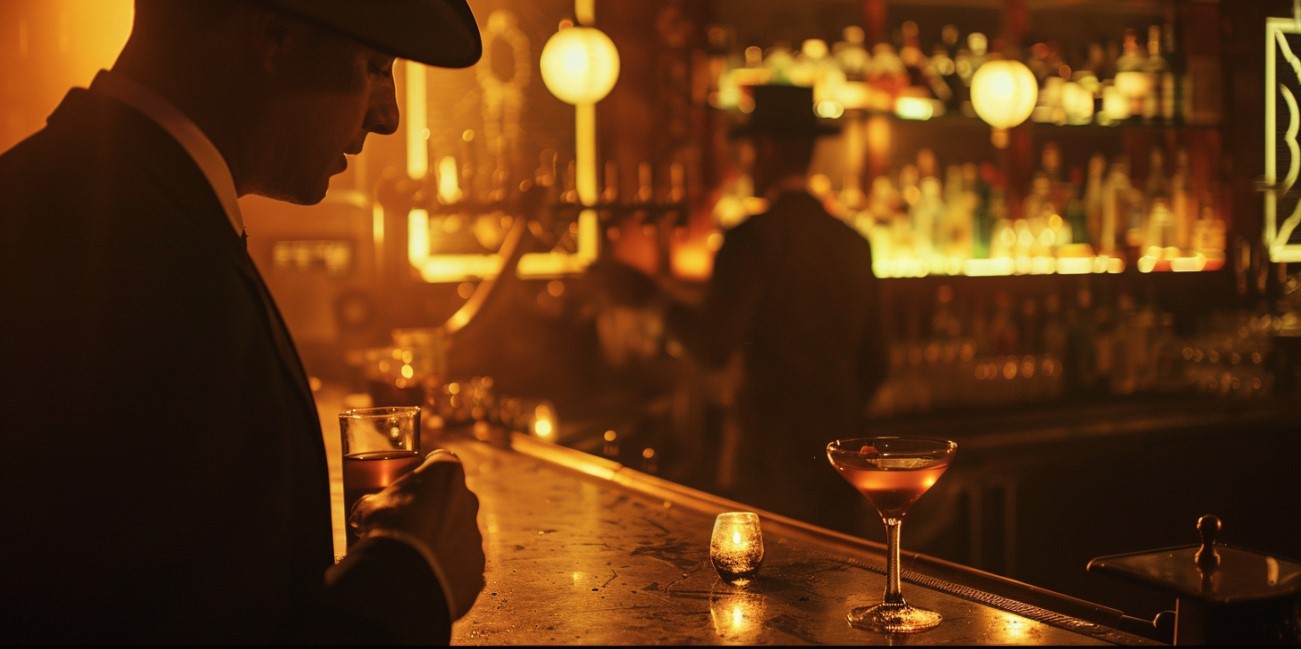
In a Prohibition-era speakeasy, the cocktail wasn’t just a drink—it was a message.
Bars with weak supply pushed sweet, citrus-heavy cocktails to mask harsh alcohol. But speakeasies with strong mob connections—those backed by reliable bootlegging routes—didn’t need to hide anything. Their menus were quieter. Cleaner. Confident.
A Scotch and soda meant imported whisky and money behind the bar.
A well-balanced vermouth drink suggested Italian supply lines and organized backing.
Champagne? That meant protection so strong the law didn’t dare knock.
In mob-owned nightclubs, the “house drink” told insiders everything they needed to know:
who owned the room, and how untouchable they were.