The Sidecar: The Cocktail That Rode Beside Prohibition
Some cocktails are born in bars.
Others are born in wars.
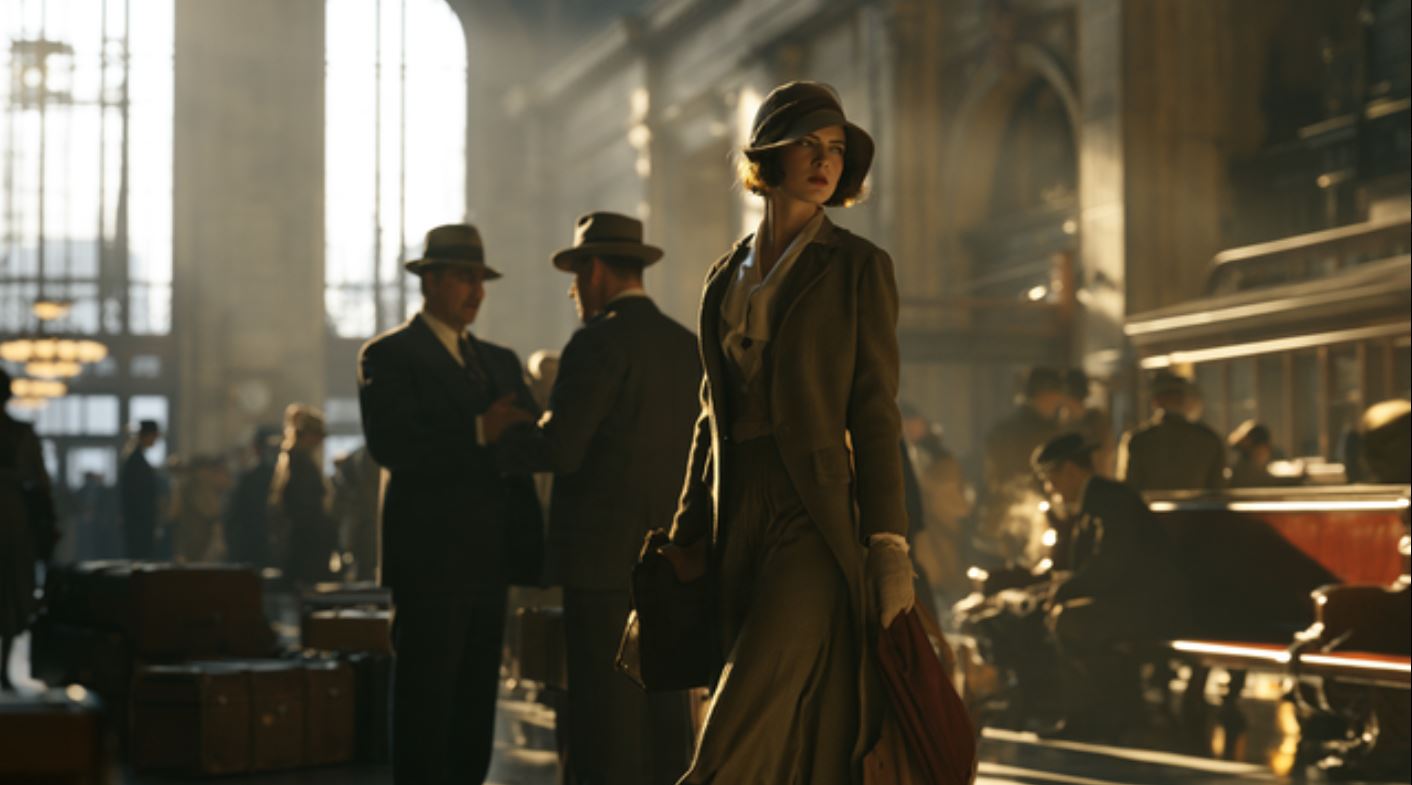
The Sidecar emerged from a world still reeling from the carnage of World War I, a world of shattered empires, restless soldiers, smoky cafés, and men trying to forget what they had seen. It arrived just as America stepped into one of its most contradictory eras—Prohibition.
Sophisticated yet rebellious, elegant yet dangerous, the Sidecar became the drink of people who lived between worlds. It was a cocktail for expatriates, adventurers, bootleggers, movie stars, and anyone who understood that rules were often written for other people.
Its ingredients were simple.
Its history was anything but.
A Drink with a Disputed Beginning
Like many legendary cocktails, the Sidecar’s origin is tangled in competing stories.
Most historians place its creation sometime between the end of World War I and the early 1920s. The leading contenders are London and Paris, two cities overflowing with soldiers, journalists, artists, and wealthy travelers seeking distraction after years of bloodshed.
One version credits Pat MacGarry, a bartender at London’s Buck’s Club. Another points to Harry MacElhone of Harry’s New York Bar in Paris. Still another claims the drink originated at the Ritz Hotel in Paris. No one can say with certainty who mixed the first Sidecar.
The name itself is equally mysterious.
The most popular story involves an army officer who arrived at a Paris bistro in the sidecar of a motorcycle. The bartender created a new cocktail for the officer, and the name stuck. Whether true or not, the tale has survived for more than a century.
In a way, the uncertainty is fitting.
The Sidecar was born in an era where truth often depended on who was telling the story.
America’s Dry Law Creates a Wet Opportunity
When the Eighteenth Amendment took effect in 1920, America officially outlawed the manufacture, transportation, and sale of alcohol.
What followed was one of the greatest unintended business opportunities in criminal history.
While Americans could no longer legally order a drink at home, they could still travel abroad. Wealthy tourists flocked to Europe, where hotel bars and cafés remained very much open. Paris became a playground for Americans escaping the restrictions of Prohibition. Writers, socialites, businessmen, and entertainers crowded into establishments serving cocktails unavailable back home.
The Sidecar thrived in this environment.
Unlike many Prohibition-era drinks designed to disguise poor-quality liquor, the Sidecar celebrated quality ingredients. Cognac, orange liqueur, and fresh lemon juice created a balance of sweetness, acidity, and warmth that felt unmistakably sophisticated.
It represented something many Americans craved during Prohibition: freedom.
Speakeasies and Smuggling Routes
Of course, not everyone could afford a ticket to Paris.
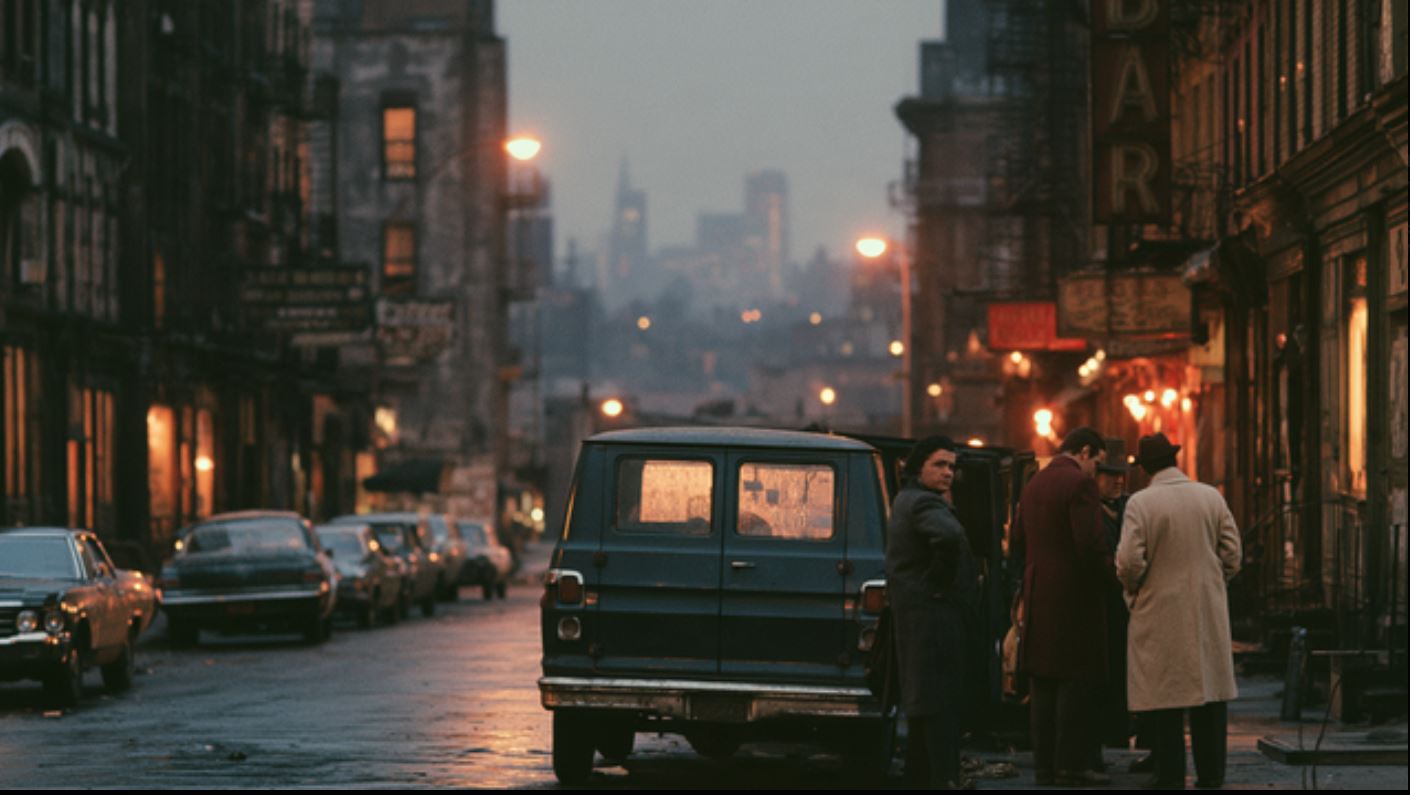
Back in the United States, speakeasies multiplied across New York, Chicago, Detroit, and countless smaller cities. Behind hidden doors and coded passwords, bartenders recreated fashionable European cocktails whenever they could obtain the necessary ingredients.
Obtaining those ingredients was often the difficult part.
Rum-runners transported liquor across oceans, lakes, and rivers. Smugglers moved cases through warehouses and back alleys. Organized crime syndicates built fortunes supplying thirsty Americans with contraband alcohol.
The Sidecar’s reliance on imported Cognac made it especially attractive to high-end speakeasies catering to wealthy customers. Drinking one wasn’t just about enjoying a cocktail. It was a statement that you had access to something rare and forbidden.
In Prohibition America, luxury itself became a form of rebellion.
New York: Where Elegance Met Illegality
Few cities embodied that contradiction better than New York.
By the mid-1920s, Manhattan was overflowing with hidden bars. Wall Street financiers drank alongside Broadway performers. Politicians shared tables with bookmakers. Jazz musicians played while federal agents searched unsuccessfully for illegal liquor operations.
Many of those establishments depended on criminal organizations to stay stocked.
A customer sipping a Sidecar beneath crystal chandeliers might never meet the bootlegger who supplied the Cognac. He would never see the dockworker unloading crates under cover of darkness or the gangster collecting protection payments.
But they were all connected.
The cocktail in the glass was merely the final stop in a much larger enterprise.
Hollywood’s Taste for the Forbidden
As Prohibition transformed America, Hollywood transformed crime.
Movie studios turned gangsters into larger-than-life figures. Newspapers chronicled bootlegging empires with a mixture of outrage and fascination. Public condemnation often coexisted with private admiration.
Cocktails became symbols of glamour.
The Sidecar fit perfectly into Hollywood’s image of sophistication. It was refined enough for elite parties and exotic enough to evoke Parisian nightlife. Actors, producers, and screenwriters embraced European drinking culture, particularly during trips abroad.
Behind the scenes, organized crime often supplied the liquor flowing through celebrity gatherings.
The cameras captured the glamour.
They rarely captured the source.
The Recipe
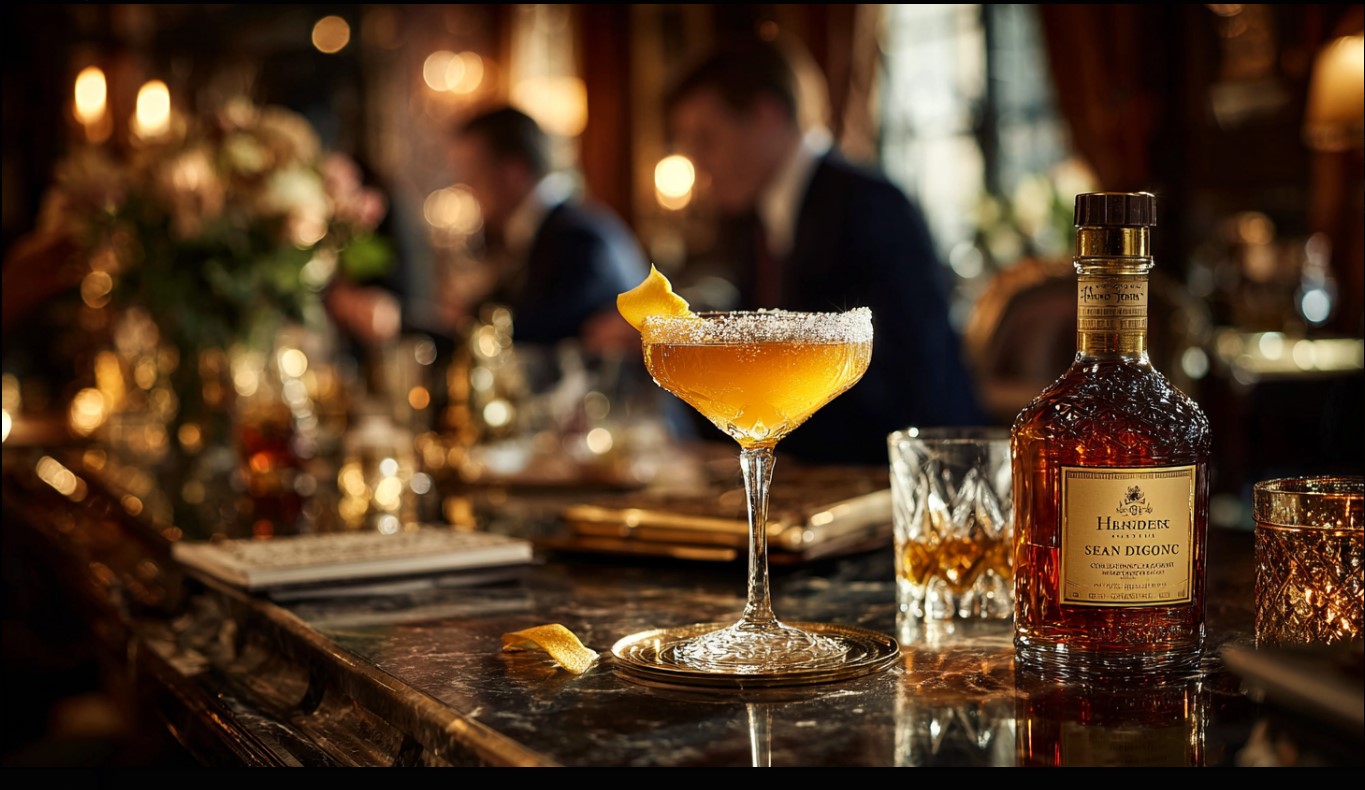
The classic Sidecar remains one of the great achievements of cocktail craftsmanship.
The Sidecar
Ingredients:
- 2 ounces Cognac
- 1 ounce Cointreau or triple sec
- 1 ounce fresh lemon juice
- Optional sugar rim
- Orange twist or lemon twist for garnish
Directions:
- If desired, coat half the rim of a chilled coupe glass with sugar.
- Add Cognac, orange liqueur, and lemon juice to a shaker filled with ice.
- Shake vigorously until chilled.
- Strain into the prepared glass.
- Garnish with a citrus twist.
The result is bright, crisp, and deceptively smooth.
A cocktail that reveals its strength only after it’s too late.
The Last Sip
The Sidecar was never the loudest drink in the room.
It didn’t arrive with the swagger of whiskey or the brute force of moonshine. It didn’t need to.
Like the most successful criminals of the Prohibition era, it relied on sophistication rather than intimidation.
Behind every Sidecar served during the 1920s stood an invisible chain of accomplices. Smugglers crossing dark waters. Corrupt officials accepting envelopes. Gangsters financing shipments. Bartenders quietly looking the other way.
The customer saw only the finished product.
The crime remained hidden beneath the surface.
That’s the enduring lesson of the Sidecar.
The most dangerous operations rarely advertise themselves. They wear expensive suits. They speak softly. They appear respectable.
Then they slip away into the night, leaving only an empty glass and unanswered questions.
Much like the men who built fortunes during Prohibition, the Sidecar traveled beside history—not always at the center of the story, but never far from the action.
Always riding shotgun.
Always along for the ride.
References:
- Sidecar (Cocktail) – Wikipedia. Accessed June 9, 2026. Historical overview, origin theories, early recipes, and development of the cocktail.
- MacElhone, Harry. Harry’s ABC of Mixing Cocktails. Paris: 1922. One of the earliest published Sidecar recipes, attributing the drink to Pat MacGarry of Buck’s Club, London. Discussed in modern historical summaries.
- Vermeire, Robert. Cocktails: How to Mix Them. London: 1922. Early printed reference documenting the Sidecar and its popularity in France and London.
- Craddock, Harry. The Savoy Cocktail Book. London: Constable & Company, 1930. Important Prohibition-era cocktail reference featuring the Sidecar and its “English school” proportions.
- Embury, David A. The Fine Art of Mixing Drinks. New York: 1948. Discusses the Sidecar’s alleged World War I origins and its relationship to other sour-style cocktails.
- Epicurious – Sidecar History and Recipe. Accessed June 9, 2026. Review of competing origin theories and historical recipe variations.
- Chowhound – The Mysterious Origins of the Sidecar Cocktail. Accessed June 9, 2026. Examination of Paris and London origin claims.
- The Georgetowner – Cocktail of the Month: The Sidecar. Accessed June 9, 2026. Discussion of World War I associations and early cocktail literature.
- The Spruce Eats – Prohibition-Era Cocktails. Accessed June 9, 2026. Places the Sidecar among the defining cocktails of the Prohibition era.
- Cocktails by the Book – Sidecar Cocktail History. Accessed June 9, 2026. Historical discussion of the drink’s emergence during Prohibition and its early publication history.
Historical Note
While the Sidecar is strongly associated with the Prohibition era, there is no documented evidence linking its creation directly to organized crime figures or specific mob organizations. Its connections to speakeasies, smuggling networks, expatriate drinking culture, and the broader underground alcohol economy of the 1920s are historically supported, while many of the more colorful stories remain part of cocktail folklore.