By the mid-1920s, the speakeasy had evolved. What began as hidden bars, illicit jazz rooms, and underground watering holes became more than temporary revenue streams—they became investments, symbols of power, and strategic tools for organized crime. In some cities, particularly New York, Chicago, and Miami, mob-backed entrepreneurs began transforming their illicit operations into high-end nightclubs. Here, crime and glamour intersected, and the lines between legality and illegality blurred.
Ownership Structures: Layers of Concealment
Mob-owned nightclubs were rarely “owned” in the way legitimate businesses are today. Titles, leases, and corporate documents were carefully constructed to hide the true players.
At the top, silent partners—often syndicate bosses—invested capital but never appeared on registration papers. Their names were shields, obscured behind layers of intermediaries: lawyers, front men, or relatives. Managers ran day-to-day operations, bartenders controlled the front-of-house, and enforcers ensured compliance. Everyone had a role, and information was compartmentalized.
This multi-layered approach served two purposes: it insulated the real owners from legal exposure, and it maintained plausible deniability. When raids or investigations came—and they often did—the person behind the bar or the manager might take the fall, while the syndicate quietly waited in the wings.
No one called it “organized crime” inside the velvet curtains. To patrons, it was sophistication; to insiders, it was security.
| The Lucky Luciano |
Money Laundering: The Nightclub as Financial Engine
A nightclub was more than a place to drink and dance. For the mob, it was a financial mechanism, a stage for laundering cash from bootlegging, gambling, and other illicit activities.
Every dollar spent on cocktails, champagne, and live music could be recorded as legitimate revenue. Cash-intensive businesses like dance halls, restaurants, and bars provided perfect cover. Payrolls were inflated, and expenses were manipulated to absorb excess cash. Occasionally, casino-style games were discreetly installed, generating further legal and illegal profits in tandem.
New York’s notorious Copacabana nightclub, for example, became a hub of both entertainment and syndicate money movement. The club’s revenue records showed extravagant spending on orchestras and décor—but under the surface, those figures also hid cash flows from bootlegging operations.
The lesson was simple but profound: the nightclub was a tool of both profit and influence, a place where liquidity met legitimacy.
| Capone’s Manhattan |
High-End Clientele: Power and Protection Through Patronage
Unlike the crowded speakeasies of the early 1920s, mob-owned nightclubs cultivated an elite, carefully curated clientele. Studio executives, politicians, business magnates, and the occasional international visitor rubbed elbows with mob enforcers, bartenders, and performers.
The presence of high-end patrons served dual purposes. First, it provided cover: a nightclub frequented by celebrities and socialites was less likely to be raided aggressively by local police. Second, it extended influence. Deals were quietly struck at candlelit tables; political favors were requested over champagne; alliances were nurtured in private rooms that looked like luxury lounges but operated as criminal boardrooms.
In Chicago, under Capone’s oversight, clubs in Cicero and the Loop became social arenas where organized crime’s legitimacy was subtly communicated. The message was clear: wealth, taste, and muscle were not mutually exclusive—they were intertwined.
| Champagne Whisper |
The Art of Discretion
The beauty of mob-owned nightclubs lay in their balance between visibility and invisibility. They were public enough to generate revenue, yet private enough to shield illicit operations.
- VIP rooms concealed gambling tables.
- Cellars and back offices held liquor and cash.
- Enforcers monitored the entrances discreetly, ensuring that unruly patrons or rival gang members didn’t disturb the delicate ecosystem.
Even the music had purpose. Jazz bands provided ambiance for patrons and a cover for whispered deals. The pianist’s improvisation often masked clandestine communication. Noise was not chaos—it was camouflage.
| Velvet Jack |
Cultural Influence: Glamour as a Weapon
Mob-owned nightclubs reshaped nightlife culture. They were not just places to drink—they were experiences. Live orchestras, dancers, elaborate décor, and exotic cocktails created an aura of sophistication and danger. Patrons drank cocktails with names like “The Lucky Luciano” or “Capone’s Manhattan,” consuming both spirits and the mystique of criminal proximity.
These clubs became symbols of status. Entry was a signal that you were connected—or at least in the right circles. Some mob bosses even used the clubs to test loyalty, inviting potential associates to private rooms where behavior was quietly evaluated before alliances formed.
Women played critical roles as hostesses, performers, and managers, often controlling both the social environment and the flow of information. Their influence, like the cocktails themselves, was subtle but indispensable.
| The Hostess’ Choice |
The Duality of Legitimacy
Mob-owned nightclubs existed in a liminal space: legal by law, illegal by association. They provided profit, visibility, and influence while masking the real mechanisms of organized crime. By the late 1930s, they had become sophisticated enterprises:
- Legitimate enough to be listed in business directories,
- Glamorous enough to attract high society,
- Secretive enough to manage illicit operations behind the scenes.
These nightclubs taught organized crime how to operate under the law without surrendering autonomy. They were a blueprint for later ventures in Las Vegas casinos, union offices, and legitimate entertainment industries.
| Make Him a Drink He Can’t Refuse |
Noir in the Nightclub
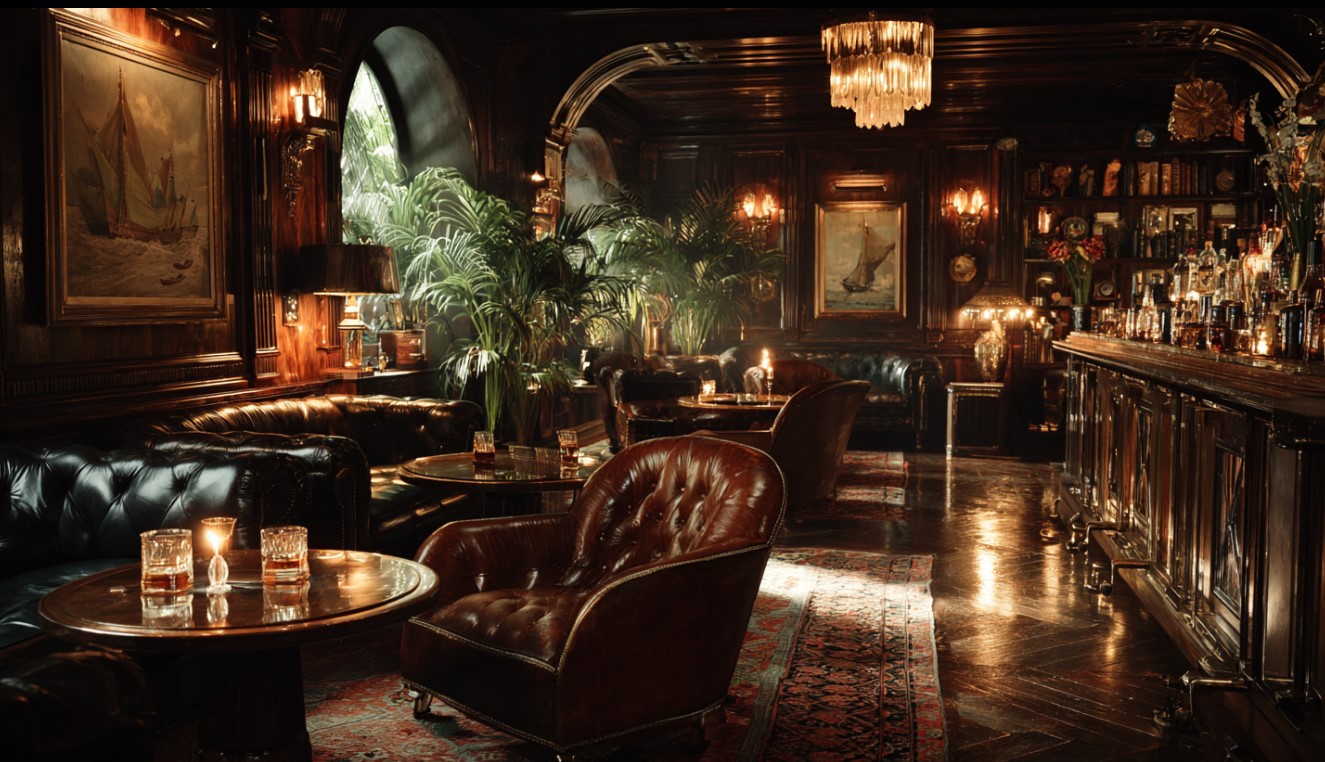
Imagine entering a dimly lit room where champagne sparkled under crystal chandeliers, jazz floated across velvet curtains, and shadows moved along the walls. You didn’t know which man had killed for a living, which woman handled the cash, or which tables were fronting for a syndicate boss. You only knew the cocktails were perfect, the music hypnotic, and the air charged with a quiet, omnipresent tension.
This was not glamour alone. It was organized crime’s poetry—an art form of influence, protection, and power dressed in silk, sequins, and smoke.
References
- Selwyn Raab, Five Families: The Rise, Decline, and Resurgence of America’s Most Powerful Mafia Empires
- T.J. English, The Corporation: An Epic Story of the Cuban Mob and the Rise of Modern Organized Crime
- FBI Vault – Prohibition and Organized Crime Records, https://vault.fbi.gov
- Mark H. Haller, Bootlegging: The Business and Politics of Violence
- Daniel Okrent, Last Call: The Rise and Fall of Prohibition
- The Mob Museum – Prohibition Era Research Archives, https://themobmuseum.org
- Library of Congress – Prohibition Primary Source Collections, https://loc.gov