The Manhattan Federal Courthouse Concrete Scandal and the Dangerous Cost of Corruption
How Mafia-Controlled Construction Turned Safety into a Negotiable Expense
In New York City, concrete is more than a building material. It is the foundation of ambition. It supports skyscrapers that scrape the clouds, courthouses that symbolize justice, and public buildings meant to stand for generations.
Every cubic yard poured into a foundation carries an unspoken promise that the structure above it will be safe, durable, and worthy of public trust.
During the 1980s, federal prosecutors began questioning whether that promise had been compromised.
The investigation that became known as the Manhattan Federal Courthouse concrete scandal exposed troubling allegations involving concrete supplied to major New York construction projects. The controversy did not revolve around collapsing buildings or dramatic structural failures. There were no towering skyscrapers crashing into city streets.
Instead, investigators uncovered something far more unsettling. Questions emerged about the integrity of the concrete itself, the reliability of testing procedures, and whether corruption had infected the systems designed to protect public safety.
The scandal revealed a disturbing reality about organized crime’s influence within New York’s construction industry.
Public danger does not always arrive with sirens and headlines. Sometimes it arrives hidden inside a truckload of concrete, buried beneath steel and stone, invisible to everyone except the engineers responsible for ensuring that buildings stand safely for decades.
That possibility terrified prosecutors.
The Concrete Club and the Power Behind New York Construction
For years, New York’s construction industry had operated under the shadow of Mafia influence.
The city’s notorious Concrete Club, allegedly controlled by powerful organized crime families, had become a symbol of corruption within the building trades. Contractors seeking major projects often found themselves navigating a maze of labor unions, suppliers, trucking companies, and politically connected firms.
Behind many of those businesses stood individuals linked to organized crime.
The Mafia understood something that legitimate businesses often overlooked.
Controlling the flow of concrete meant controlling the growth of the city itself.
| Blood in the Concrete: Fat Tony Salerno’s Empire |
Why Concrete Was Such a Valuable Commodity
Concrete is not glamorous. It lacks the visibility of steel beams and glass facades. Yet it is one of the most critical components in modern construction.
If the concrete fails, everything built upon it becomes vulnerable. Foundations crack. Support columns weaken. Structural integrity deteriorates. Engineers rely on strict standards and testing procedures because there is little room for error once the material hardens.
When allegations surfaced that those standards may have been manipulated, federal investigators paid close attention. The issue was not simply whether concrete had been delivered to a construction site. The issue was whether anyone could trust what the testing said about that concrete.
| The New Jersey School Construction Scandals and the Cost of Corruption |
A Courthouse Built on an Ironic Foundation
The Manhattan Federal Courthouse project became a focal point because it represented more than another construction site. A federal courthouse symbolizes the rule of law. It is where corruption cases are prosecuted, criminal organizations are challenged, and justice is supposed to prevail.
The idea that questionable construction practices could affect such a building carried a powerful irony.
Investigators began examining concerns involving concrete strength tests and allegations that some batches may not have met required specifications. The controversy centered on whether testing procedures had been manipulated to conceal deficiencies.
If true, the implications extended far beyond a single project. The entire construction industry depends upon trust. Engineers trust laboratory results. Inspectors trust documentation. Building owners trust contractors. The public trusts that everyone involved is doing their job honestly.
Remove that trust, and the entire system begins to wobble.
| The JFK Airport Cargo Facilities Investigations and the Corruption Hidden Beneath the Runways |
When the Numbers Can’t Be Trusted
Concrete testing exists for a reason. Before concrete is approved for use, samples are collected and subjected to strength tests. Engineers need assurance that the material can withstand the loads it was designed to support.
These procedures are not bureaucratic formalities. They are safeguards created through decades of engineering experience and hard lessons learned from structural failures around the world. If testing procedures become corrupted, the numbers on paper may no longer reflect reality.
That possibility became one of the most alarming aspects of the scandal.
Prosecutors argued that manipulation of testing procedures threatened the integrity of public construction. Even if a building never collapsed, uncertainty itself represented a serious danger. A structure whose materials cannot be trusted becomes a question mark standing in the middle of a city.
The Real Crime Was Corruption
The issue was not merely defective concrete. The issue was corruption.
Throughout the twentieth century, organized crime repeatedly discovered that corruption could produce greater profits than violence. A bribe could accomplish what a threat could not. A compromised inspector could generate more revenue than an armed enforcer.
Within the construction industry, influence over testing, inspections, and approvals created opportunities worth millions of dollars. When contractors operate in an environment where oversight can be manipulated, economic incentives begin pushing in dangerous directions.
Every reduction in material quality saves money. Every shortcut increases profit margins. Every avoided delay protects schedules and budgets.
Honest contractors resist these temptations because they understand the consequences. Corrupt operators view those same safeguards as obstacles to be bypassed. That mentality creates risks that may remain hidden for years.
The Danger You Cannot See
One of the most frightening aspects of construction fraud is its invisibility. Unlike a robbery or an assault, the damage is often concealed beneath finished surfaces. Occupants move into buildings unaware that corners may have been cut during construction.
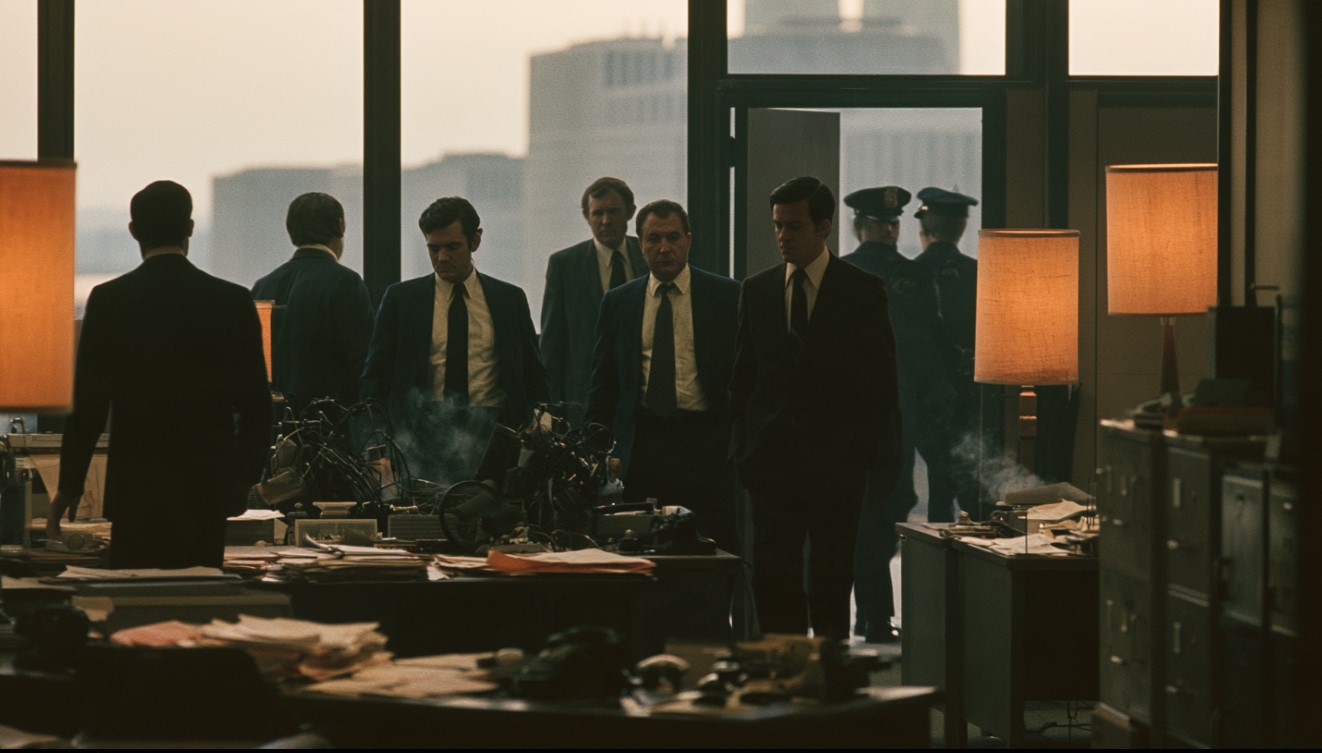
Government agencies occupy offices. Judges preside over courtrooms. Thousands of people pass through structures every day without realizing that questions exist about what lies beneath their feet. The Manhattan Federal Courthouse controversy highlighted this unsettling reality.
Although catastrophic failures never occurred, prosecutors argued that corruption had created conditions under which engineering standards could no longer be assumed.
The scandal was less about immediate danger and more about the erosion of confidence in systems designed to protect public safety. That distinction matters.
| Five Families: Blood, Power, and the Empire Beneath New York |
A Building Standing Does Not Prove Everything Was Safe
Many people assume that if a building remains standing, no harm was done.
The absence of collapse, however, does not prove the absence of risk. Engineering standards exist to provide margins of safety. They account for unexpected stresses, environmental conditions, and the passage of time. A structure may perform adequately for years while still falling short of the standards intended to protect its occupants.
When corruption enters the equation, nobody can be entirely certain where those margins begin and end. That uncertainty was precisely what made the allegations so troubling.
The Mafia Did Not Need to Own Everything
Federal investigators viewed the scandal through a broader lens.
Their concern extended beyond individual batches of concrete. They feared that organized crime’s influence had compromised the credibility of quality-control systems throughout portions of New York’s construction industry.
The Mafia’s involvement in construction rarely depended upon direct ownership of every company involved. Influence was often enough. Relationships with suppliers, labor unions, trucking firms, contractors, and politically connected figures created networks capable of exerting pressure at critical points in the construction process.
These networks thrived in environments where accountability was weak and complexity obscured responsibility.
Paperwork as a Shield
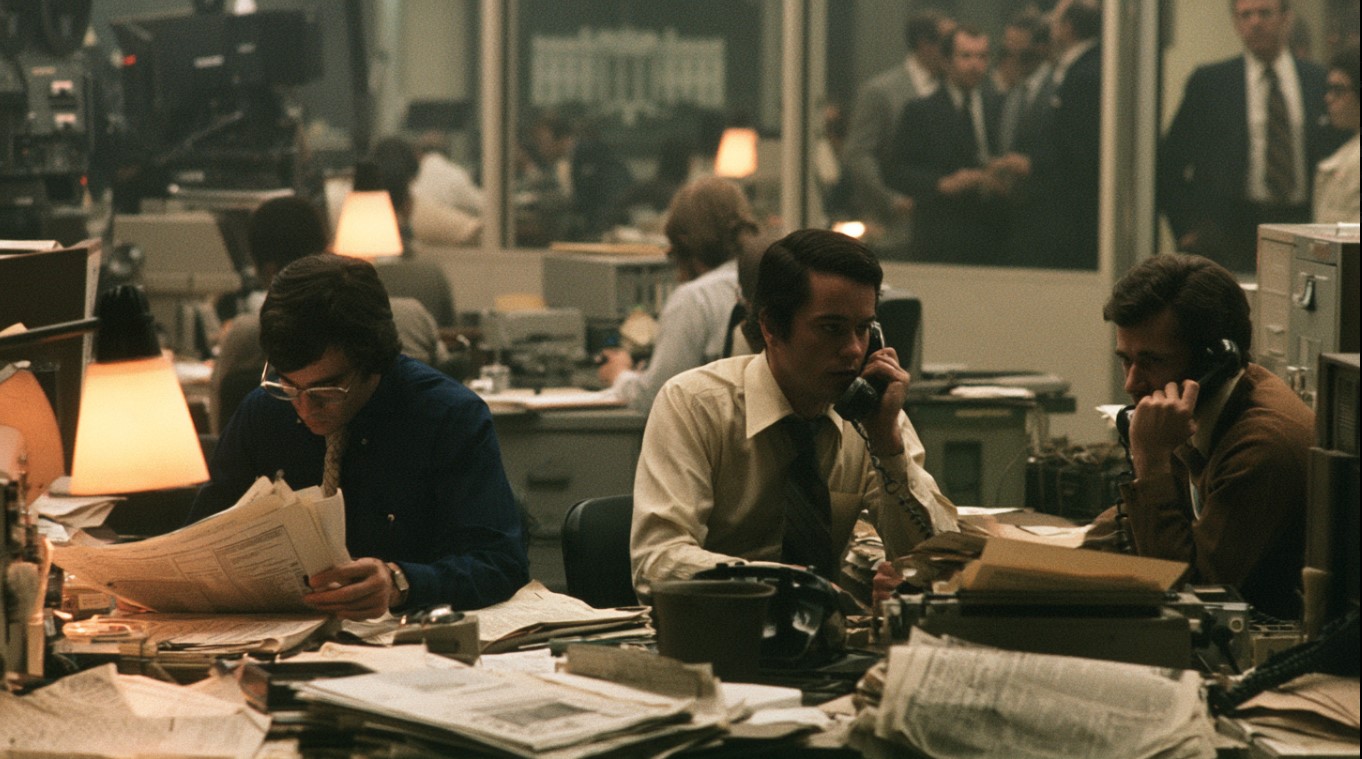
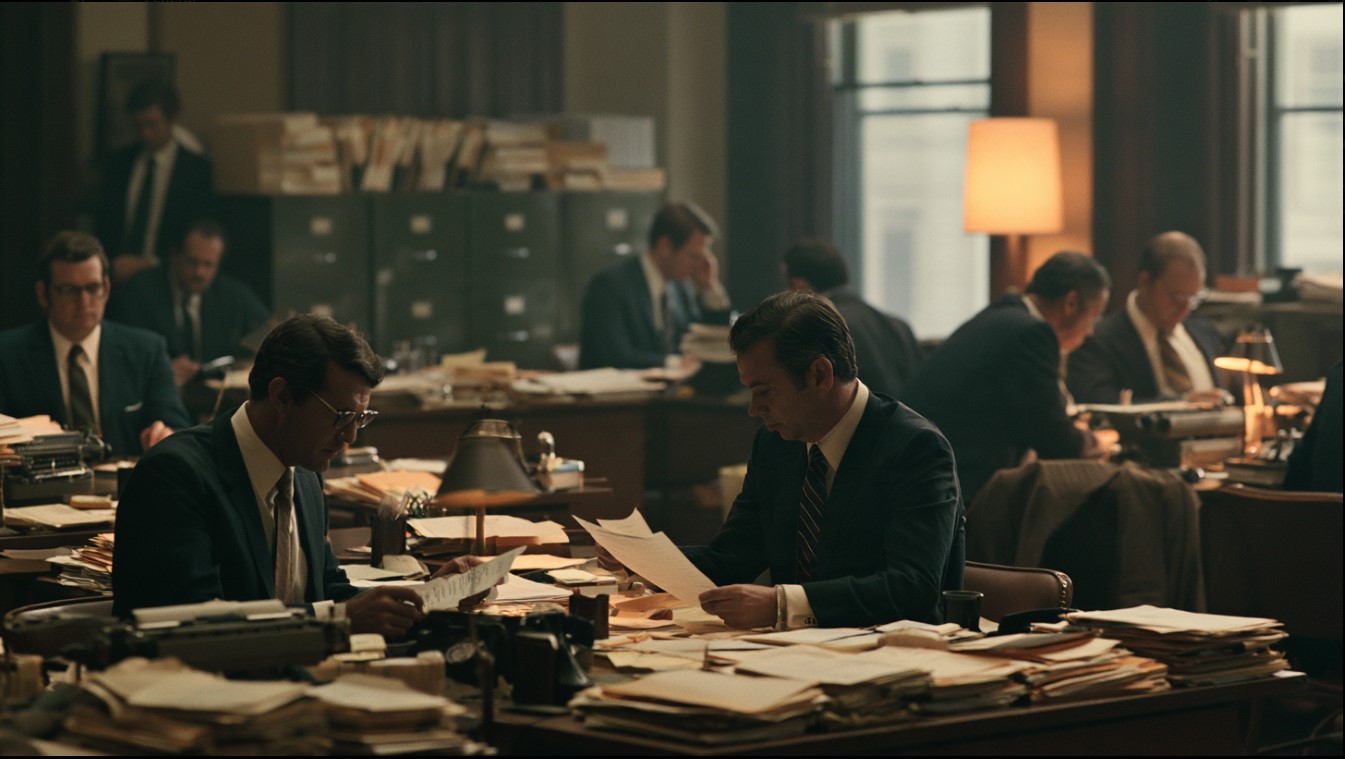
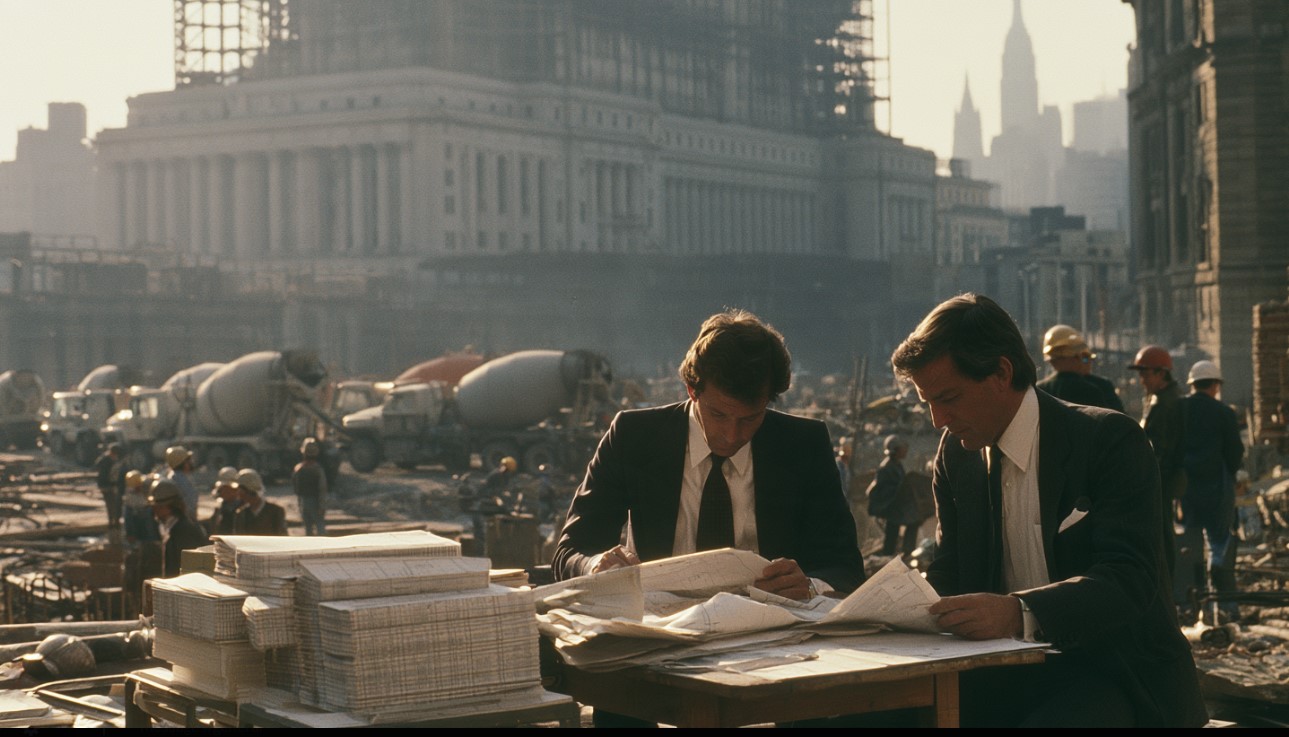
Construction projects generate mountains of paperwork. Contracts, inspection reports, laboratory results, invoices, permits, and engineering certifications create an overwhelming volume of documentation. Corrupt individuals understand that complexity can become a shield.
Hidden among thousands of pages, questionable decisions can be difficult to detect. That made the Manhattan Federal Courthouse scandal particularly significant.
The controversy demonstrated how corruption could potentially move through legitimate institutions without looking like traditional organized crime.
There were no masked gunmen. No getaway cars. No obvious crime scene. There were paperwork, approvals, signatures, and professional-looking documents.
Yet the potential consequences could affect thousands of people who would never know their safety had been placed at risk.
The Symbolism of the Federal Courthouse
What made the controversy particularly compelling was its symbolic nature. The courthouse represented federal authority. It was a place where the government prosecuted criminals and pursued corruption.
If questions could emerge about construction practices on such a prominent project, investigators and the public were forced to ask an uncomfortable question:
What might be happening on less visible projects receiving far less scrutiny?
The investigation forced prosecutors, engineers, and the public to confront questions about the reliability of systems they had long taken for granted. The building itself became part of the story.
It represented the rule of law while sitting inside a construction industry that investigators believed had been vulnerable to organized crime influence.
The Mafia’s Most Dangerous Weapon Wasn’t Always a Gun
In many ways, the scandal reflected a broader truth about organized crime. The greatest threat posed by the Mafia was not always violence. Newspapers frequently focused on murders, bombings, and racketeering schemes because those stories were dramatic and easy to understand.
Yet organized crime’s most damaging activities often occurred behind conference-room doors, inside contractor offices, and within industries that appeared perfectly legitimate. Construction provided fertile ground for that kind of corruption. There were no gunshots involved in manipulating a concrete test. No getaway cars. No masked robbers.
Just paperwork, approvals, and signatures.
Yet the potential consequences could affect thousands of people who would never know their safety had been placed at risk.
What Could Have Happened?
That is what made the Manhattan Federal Courthouse concrete scandal so significant. The buildings did not collapse. Lives were not immediately lost.
Nevertheless, prosecutors argued that corruption had undermined public confidence in engineering standards and construction oversight. The controversy demonstrated that organized crime could threaten public safety without causing visible disasters.
Sometimes the danger was not what happened. Sometimes the danger was what could have happened.
Concrete, Money, Power, and Trust
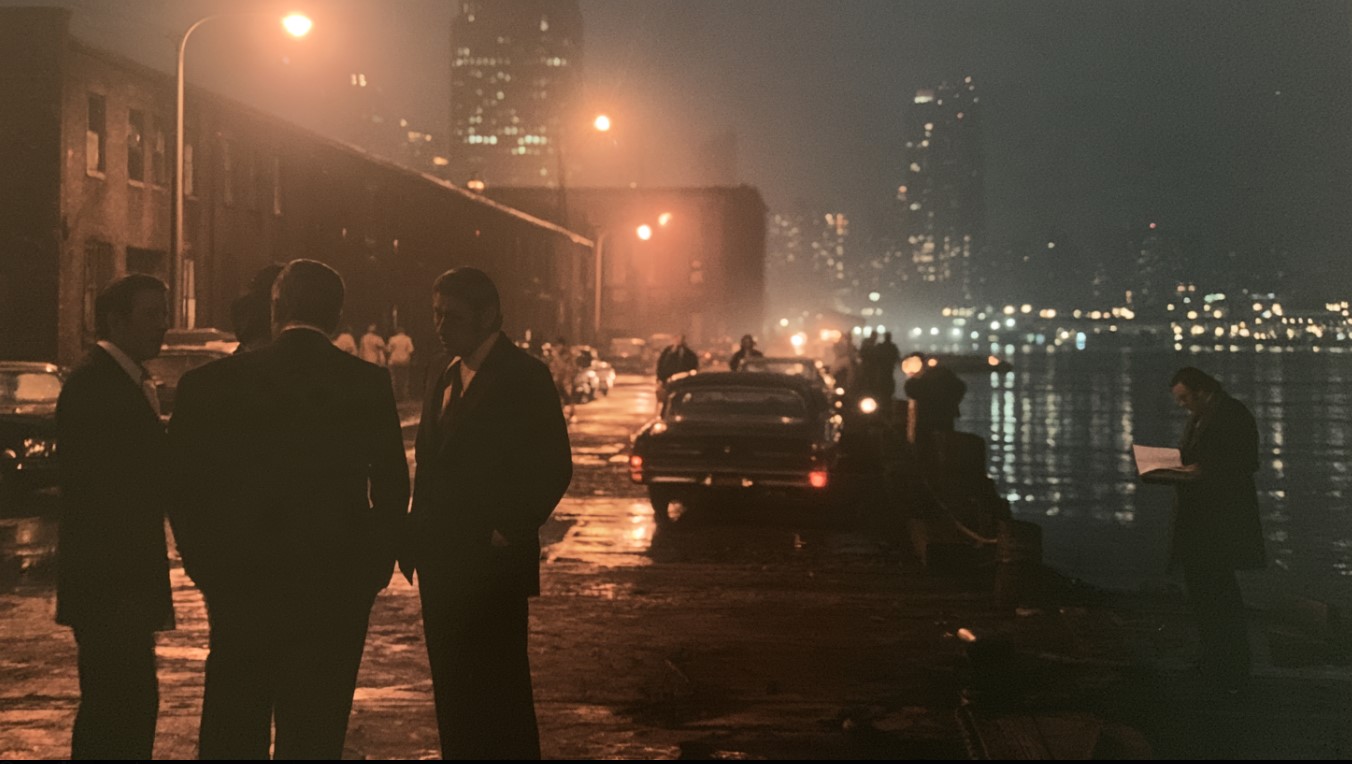
In the noir shadows of New York’s construction industry, concrete was never just concrete.
It was money. It was power. It was influence. Most importantly, it was trust.
Once corruption seeped into the process, that trust became as fragile as a foundation poured with uncertainty. The scandal serves as a reminder that public safety depends not only upon engineering expertise but also upon honesty. Buildings stand because materials are tested, standards are enforced, and rules are followed.
When corruption weakens those protections, even the strongest-looking structures cast longer shadows. And in those shadows, organized crime often found its greatest opportunities.
References:
Goldstock, Ronald, Martin Marcus, and I. Robert Blakey. Corruption and Racketeering in the New York City Construction Industry: The Final Report of the New York State Organized Crime Task Force. New York: New York University Press, 1990.
Jacobs, James B. Mobsters, Unions, and Feds: The Mafia and the American Labor Movement. New York: New York University Press, 2006.
Jacobs, James B., Christopher Panarella, and Jay Worthington. Busting the Mob: United States v. Cosa Nostra. New York: New York University Press, 1994.
President’s Commission on Organized Crime. The Impact: Organized Crime Today. Washington, DC: U.S. Government Printing Office, 1986.
Raab, Selwyn. Five Families: The Rise, Decline, and Resurgence of America’s Most Powerful Mafia Empires. New York: Thomas Dunne Books, 2005.
United States Department of Justice. Report on Organized Crime Influence in the Construction Industry. Washington, DC: U.S. Department of Justice, various proceedings and filings, 1980s.
United States District Court, Southern District of New York. Federal Court Records and Proceedings Relating to Construction Industry Corruption Investigations. New York: U.S. District Court, 1980s.
New York State Organized Crime Task Force. Investigation of Construction Industry Corruption and Concrete Supply Practices. New York: State of New York, 1980s.