Benjamin “Bugsy” Siegel: The Gangster Who Built Neon Dreams in the Desert
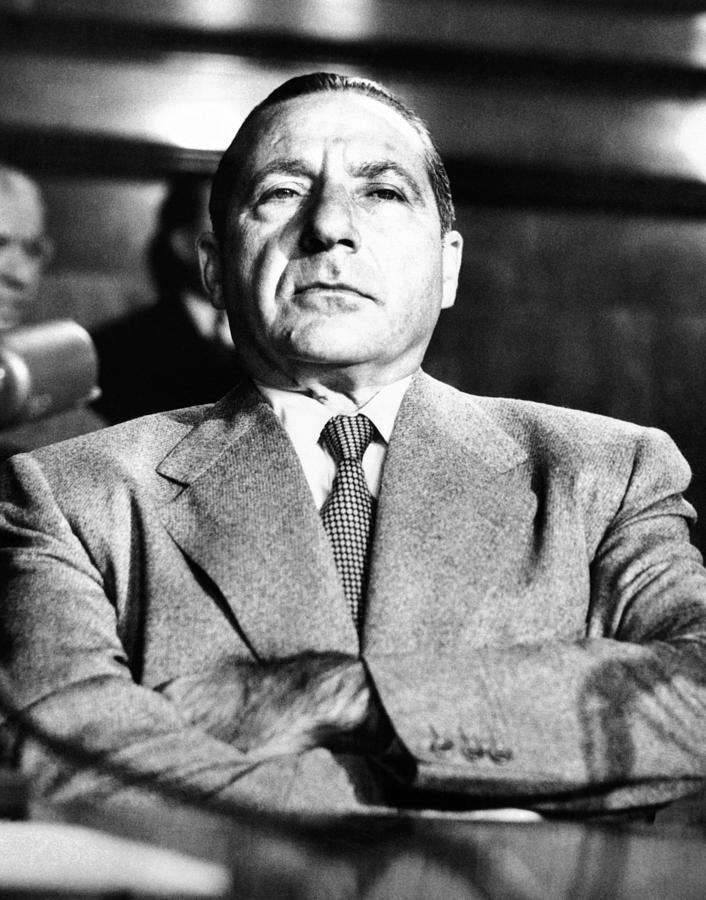
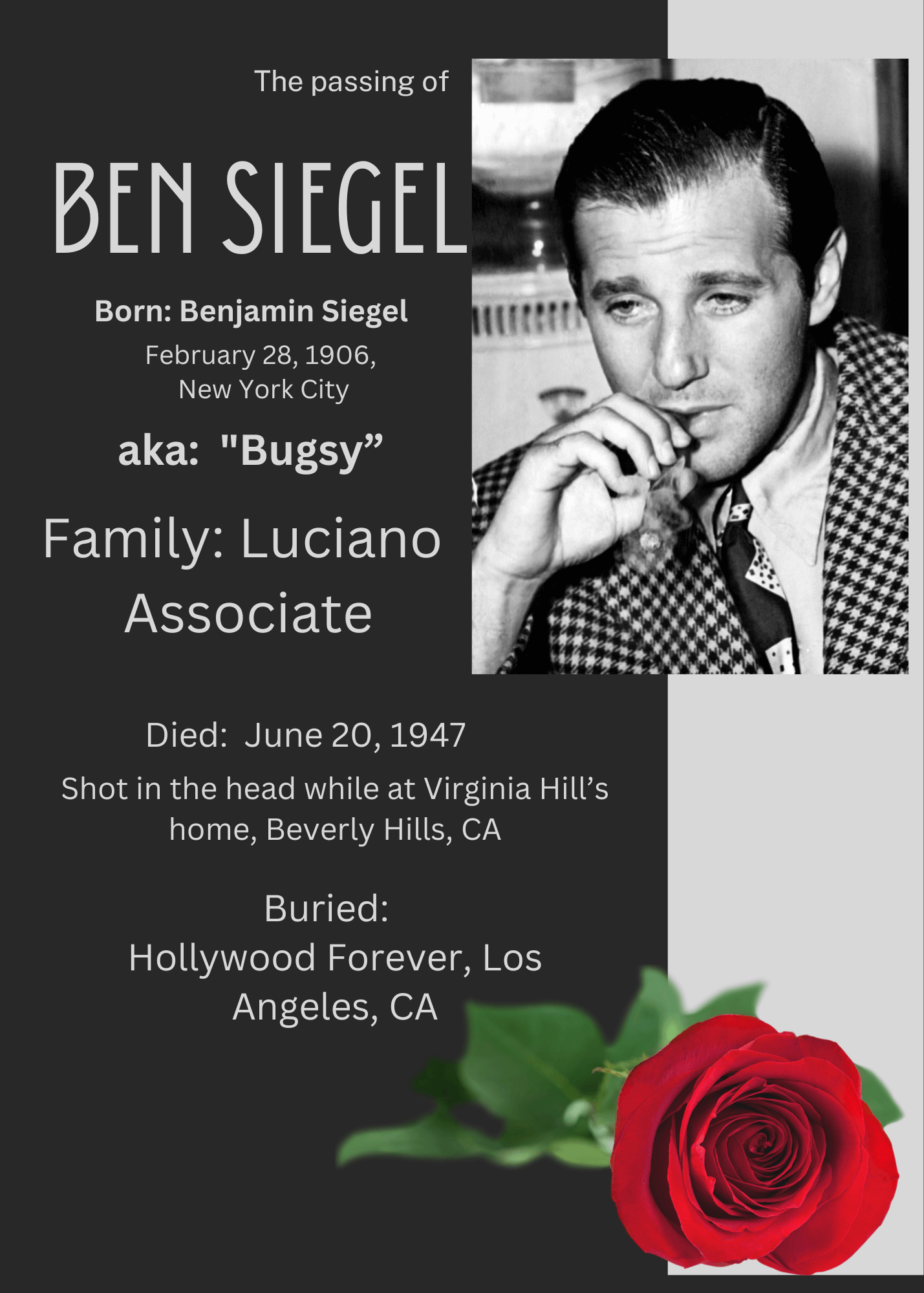
Benjamin “Bugsy” Siegel looked like a Hollywood leading man who had wandered into the underworld by accident. He was handsome, elegant, charming, and photogenic in a way few gangsters ever were. Women gravitated toward him. Reporters obsessed over him. Movie stars welcomed him into elite parties. Beneath the polished surface, however, lived a man capable of extraordinary violence and terrifying unpredictability.
Siegel could be warm one moment and murderous the next.
The nickname “Bugsy” came from the slang term “bugs,” meaning crazy. Friends used it cautiously. Enemies used it at their own risk. Siegel hated the nickname because it captured something true about him: beneath the expensive suits and movie-star confidence simmered a dangerous instability.
Today, he is remembered as one of the figures who helped transform Las Vegas into America’s gambling capital. Popular culture often portrays him as a glamorous outlaw visionary—a man who saw potential in the desert before anyone else did. That version leaves out the bodies.
Before the casinos, before the celebrity friendships, before the Flamingo Hotel lit the Nevada night sky, Benjamin Siegel was a street gangster shaped by violence, extortion, and organized crime during one of the bloodiest eras in American history.
Brooklyn Streets and the Education of a Gangster
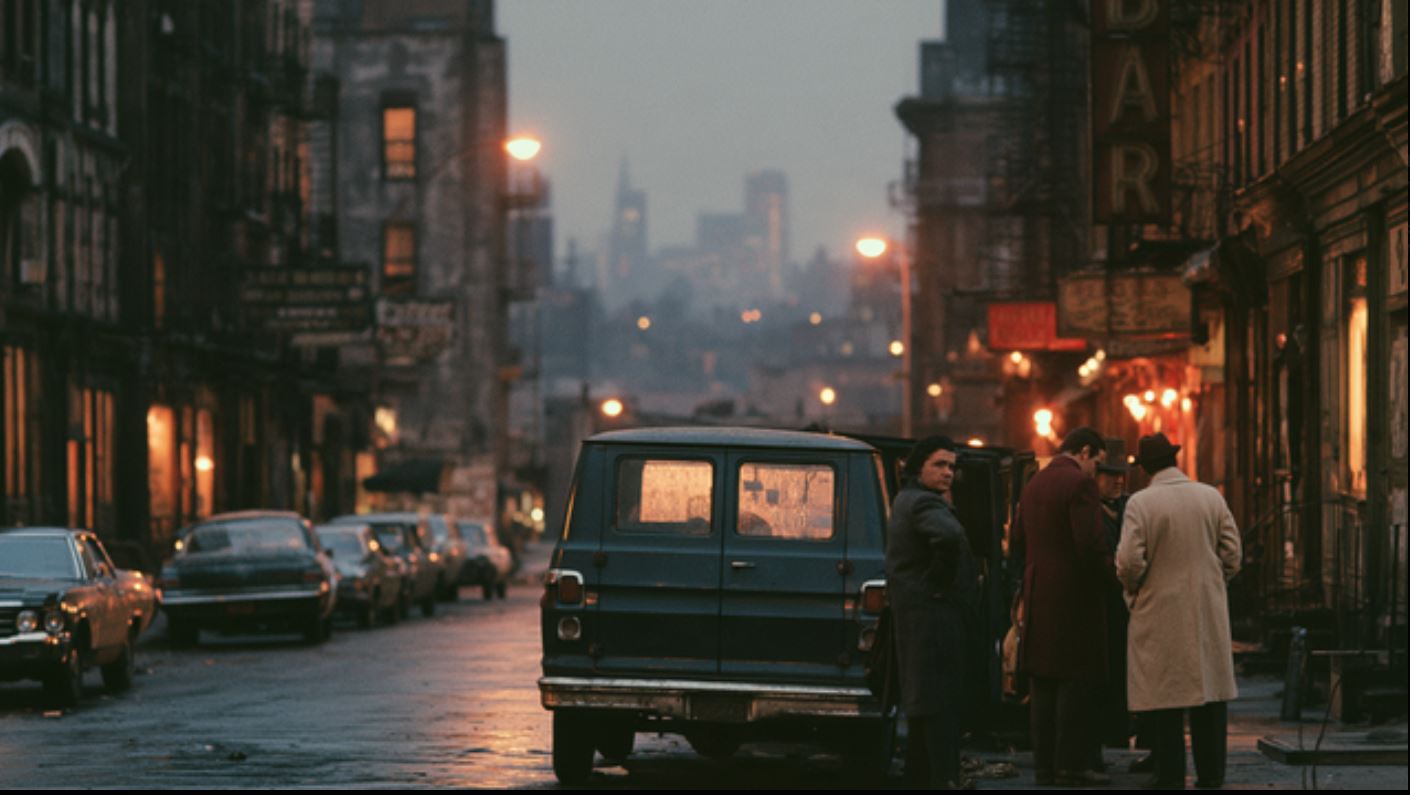
Siegel was born in Brooklyn in 1906 to poor Jewish immigrant parents from Eastern Europe. His childhood unfolded in Williamsburg, where overcrowded tenements, ethnic rivalries, and gang violence created a brutal environment for young immigrants. Respect came quickly to boys willing to fight.
Siegel proved early that he possessed both nerve and aggression. As a teenager, he formed protection rackets targeting pushcart vendors and neighborhood businesses. Merchants paid for “security” whether they wanted it or not.
Unlike some criminals who preferred remaining in the background, Siegel enjoyed intimidation. He carried himself with swagger even as a teenager. Violence was not simply business to him—it was theater.
During these years, Siegel met another ambitious Jewish street criminal named Meyer Lansky. The two formed an unlikely but highly effective partnership.
Lansky was disciplined, calculating, and financially minded. Siegel was impulsive, charismatic, and physically fearless. Together, they created the Bugs and Meyer Mob, one of New York’s most feared gang outfits during the 1920s.
Prohibition and the Rise of the Syndicate
When Prohibition began in 1920, organized crime exploded into a national industry. Illegal liquor created fortunes overnight while politicians, police officers, and businessmen quietly accepted bribes to protect the flow of alcohol. Siegel thrived in the chaos.
His gang became heavily involved in bootlegging, hijacking, extortion, and enforcement work. Violence during the era was constant. Trucks were stolen, rival gangsters were ambushed, and bodies appeared regularly in alleys and warehouses across New York.
Siegel developed a growing reputation as both charming and lethal.
At the same time, the younger generation of gangsters—including Lansky and Charles “Lucky” Luciano—began reshaping organized crime itself. Traditional Mafia leaders operated through rigid ethnic loyalties and endless feuds. Luciano and his allies envisioned something more modern: a national criminal syndicate built on cooperation and profit. Siegel became part of that emerging system.
Though not Italian, he worked closely with Luciano’s organization and became a trusted associate inside the growing national crime structure. He participated in enforcement operations, gambling rackets, and what later became known as Murder Incorporated—the loose network of contract killers connected to organized crime during the 1930s and 1940s.
Law enforcement officials suspected Siegel’s involvement in multiple murders, though proving specific crimes remained difficult. Witnesses had a habit of disappearing.
Hollywood: The Gangster as Celebrity
Unlike many mobsters who stayed close to New York’s underworld, Siegel became fascinated with California.
Los Angeles in the 1930s offered everything he loved: glamour, money, nightlife, and celebrity culture. Siegel moved west and quickly embedded himself within Hollywood social circles.
He attended lavish parties, dated actresses, and cultivated friendships with movie stars, producers, and wealthy businessmen. His looks and confidence made him unusually accepted in elite social environments despite his criminal reputation.
Hollywood during the era often blurred lines between celebrity culture and organized crime. Studio executives, nightclub owners, bookmakers, and gangsters frequently occupied overlapping worlds fueled by gambling, liquor, and political corruption. Siegel fit perfectly into the atmosphere.
But behind the celebrity image, he remained deeply involved in organized crime operations. Authorities linked him to gambling rackets, labor extortion, loan-sharking, and narcotics activity across California. His temper also remained dangerous.
Associates described violent outbursts over minor insults or perceived disrespect. Siegel could become explosive without warning, creating anxiety even among hardened gangsters.
Charm made him appealing. Instability made him feared.
Las Vegas and the Flamingo Dream
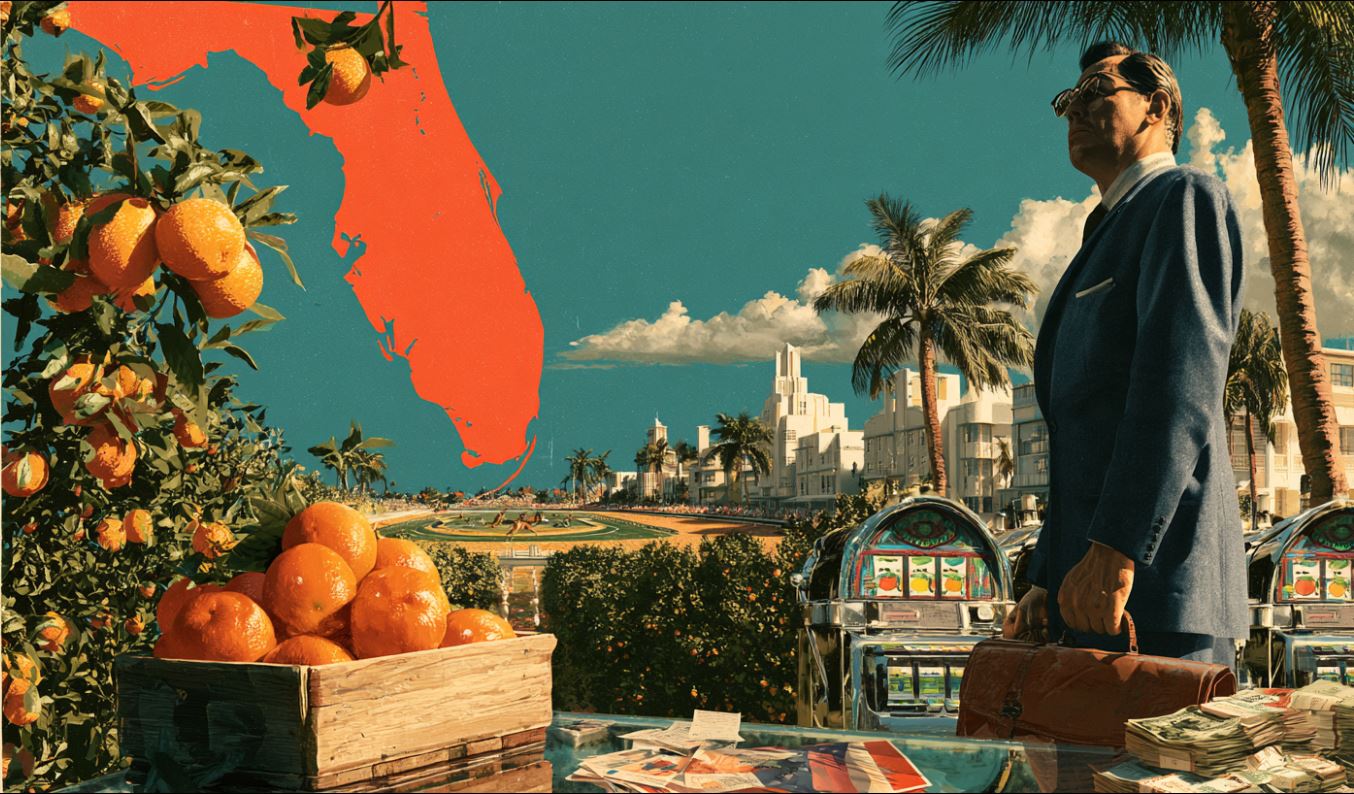
By the mid-1940s, organized crime figures increasingly recognized the financial potential of Nevada gambling. Las Vegas was still little more than a dusty desert town with scattered casinos and highways cutting through endless sand. Siegel saw something larger.
Backed financially by syndicate figures including Lansky, Siegel became involved in constructing the Flamingo Hotel and Casino, an ambitious luxury resort intended to transform Las Vegas into an upscale gambling destination. The project became his obsession.
Siegel envisioned glamorous casinos filled with celebrities, wealthy tourists, fine restaurants, and luxurious accommodations. He believed Las Vegas could become America’s Monte Carlo. In many ways, he was right. But the Flamingo project spiraled wildly out of control.
Construction costs exploded amid delays, corruption, theft, and mismanagement. Syndicate investors grew increasingly furious as millions disappeared into the desert project. Some believed contractors were skimming money. Others suspected Siegel himself was stealing from the operation.
Whether he actually stole large amounts remains debated. What mattered was perception. In organized crime, losing money was dangerous. Losing other people’s money was fatal.
When the Flamingo initially opened in December 1946, the launch became a disaster. Rainstorms disrupted travel. Wealthy guests complained about unfinished construction. The casino lost heavily during its early weeks.
Siegel insisted the operation needed more time. The syndicate grew impatient.
The Murder of Bugsy Siegel
By 1947, Siegel’s position had become precarious.
The Flamingo eventually began showing signs of profitability, but many Mafia leaders no longer trusted him. His erratic behavior, extravagant spending, and financial controversies convinced powerful syndicate figures that he had become a liability.
On June 20, 1947, Siegel was sitting in the Beverly Hills home of his girlfriend Virginia Hill when gunfire erupted through the window. Bullets tore through the room. One struck Siegel in the head, killing him instantly.
The murder became one of the most famous gangland assassinations in American history. Officially, the case was never solved. Unofficially, few doubted that organized crime figures had ordered the hit. The message was simple. No amount of charm, celebrity, or vision protected a gangster who lost control of syndicate money.
Almost immediately after Siegel’s death, Mafia-connected figures quietly took greater control over the Flamingo and expanding Las Vegas casino operations.
The dream survived. The dreamer did not.
The Myth and the Reality
Benjamin Siegel became larger than life partly because he embodied contradictions Americans find irresistible. He was both brutal and glamorous. Both visionary and reckless. Both intelligent and self-destructive. Hollywood later romanticized him as the stylish gangster who invented Las Vegas. The truth is darker.
Las Vegas was not built solely by dreamers and entrepreneurs. It was also built by organized crime money, political corruption, intimidation, labor exploitation, and violence. Siegel helped bring glamour to the desert, but he carried the methods of the streets with him. He remained a gangster until the end.
Still, his influence on American culture is undeniable. The luxurious casino resort model he championed helped transform Las Vegas into an international entertainment empire. Neon lights, celebrity performers, high-end casinos, and lavish hospitality all reflected the world Siegel imagined in the Nevada desert. He saw potential where others saw emptiness.
But in the Mafia world, vision alone was never enough.
Benjamin “Bugsy” Siegel built paradise for organized crime—and organized crime eventually buried him for it.
Buried at:
| Hollywood Forever (Los Angeles, CA) |