Bootlegging in Heels: Female Smugglers of the Prohibition
Era
They Never Fit the Description
Federal agents were looking for men. Men with hats pulled
low over their eyes, men driving trucks loaded with liquor, men operating boats
under cover of darkness. They expected bootleggers to be hard-faced,
rough-handed characters who smelled of corn mash, tobacco, and gun oil. That
was the image of the illegal liquor trade: a world of muscle, money, and men
willing to spill blood to protect their profits.
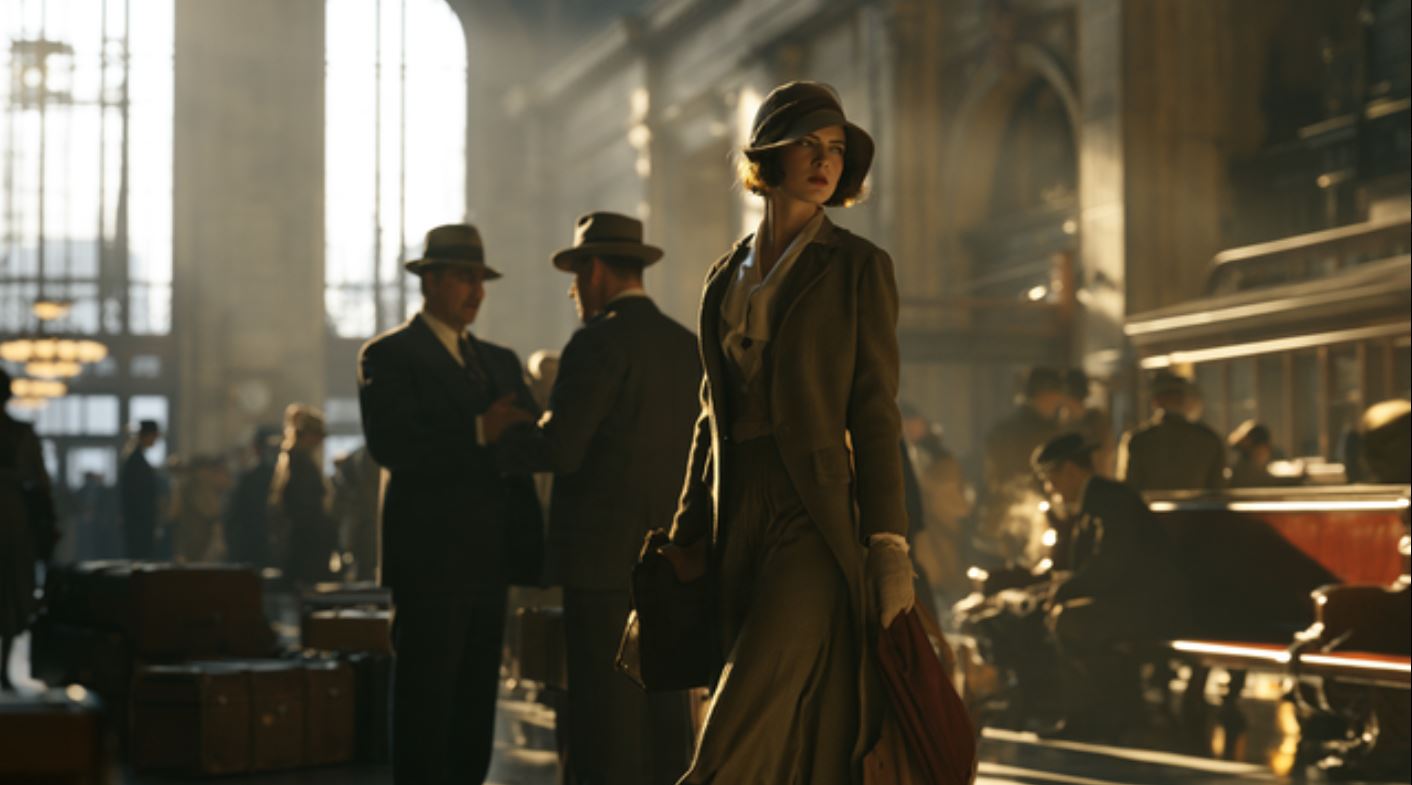
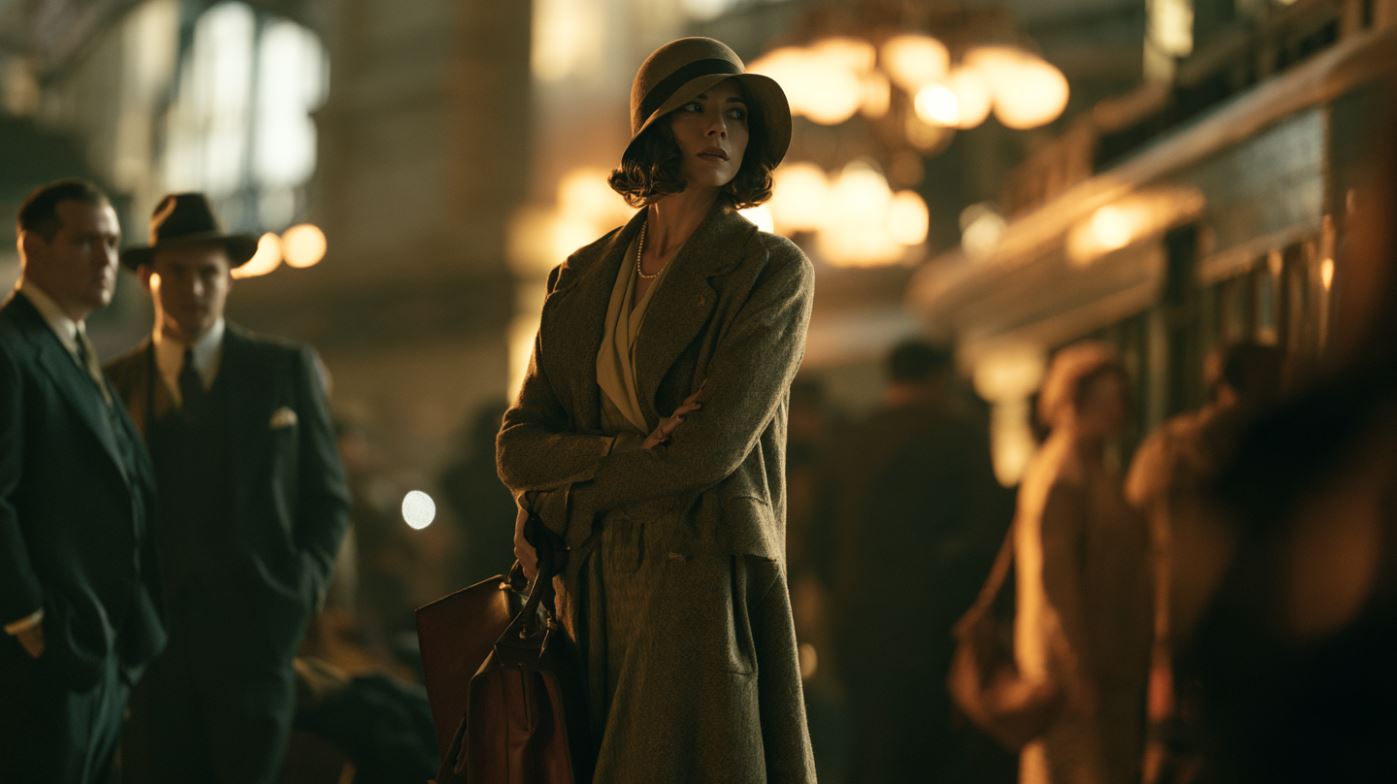
So when a woman stepped onto a train platform carrying a
handbag filled with whiskey, she might pass through the crowd without
attracting a second glance. A respectable-looking wife, a fashionable young
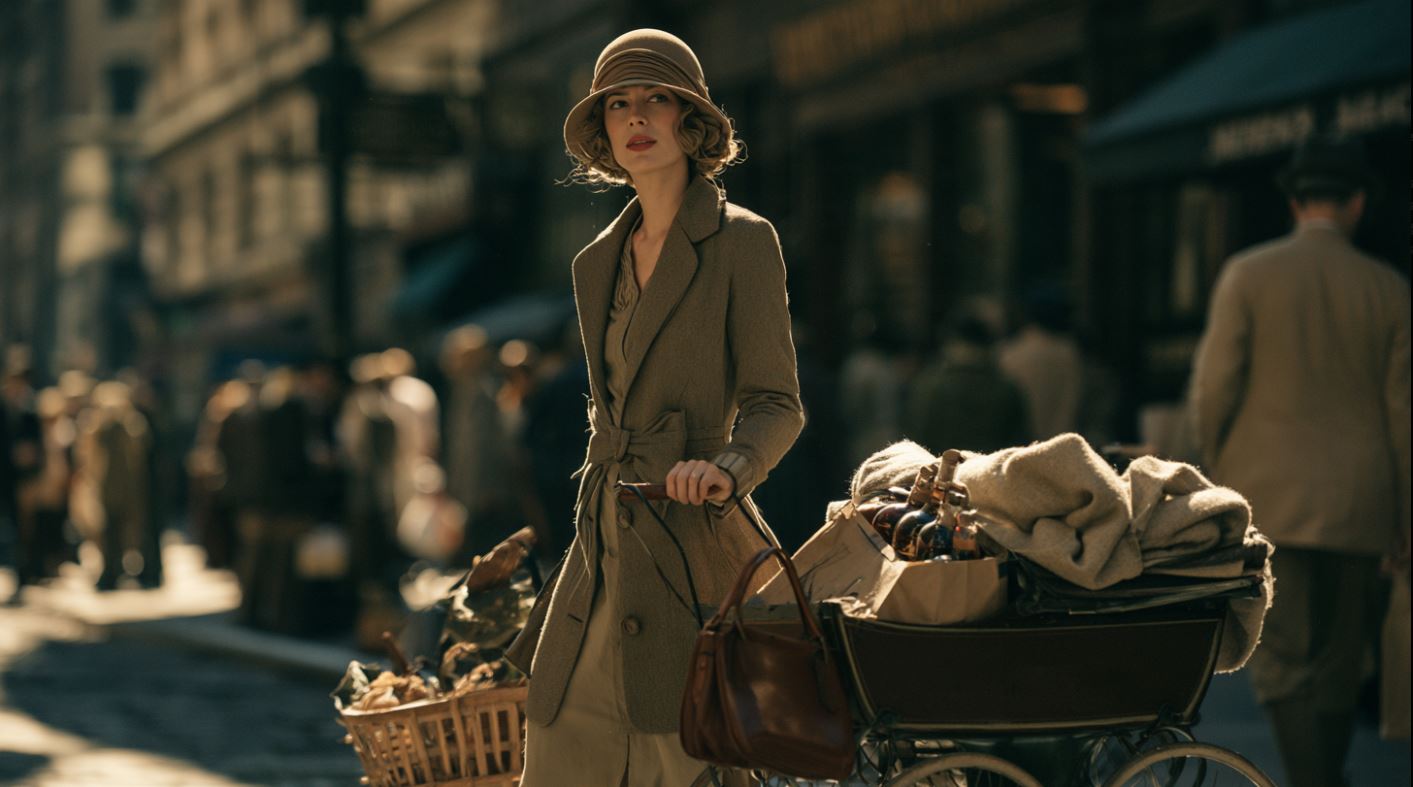
woman, or a mother pushing a baby carriage rarely matched the picture law
enforcement had in mind. While agents watched freight yards and waterfront
warehouses, liquor could be moving through railway stations, department stores,
and crowded city streets right under their noses.
That blind spot created an opportunity. During Prohibition,
women became part of the underground economy that kept America’s thirst for
alcohol alive, working as couriers, independent smugglers, and, in some cases,
trusted participants in larger bootlegging operations. Their contributions were
not always documented, and their stories rarely occupied the same space in
popular memory as those of Al Capone and other celebrated gangsters. Yet the
liquor business depended on distribution as much as it depended on production,
and women could be valuable players in both.
Couriers: The Quiet Arteries of the Liquor Trade
Bootlegging was a logistical problem before it was a
criminal empire. Whiskey had to be manufactured or imported, concealed,
transported, stored, and delivered to the speakeasies, private clubs, and
neighborhood taverns where customers waited. Every stage created opportunities
for arrest, theft, and betrayal. The challenge was not simply getting liquor
into a city; it was getting it to its destination without drawing the attention
of police, federal agents, or rival operators.
Women could serve an important purpose in that chain of
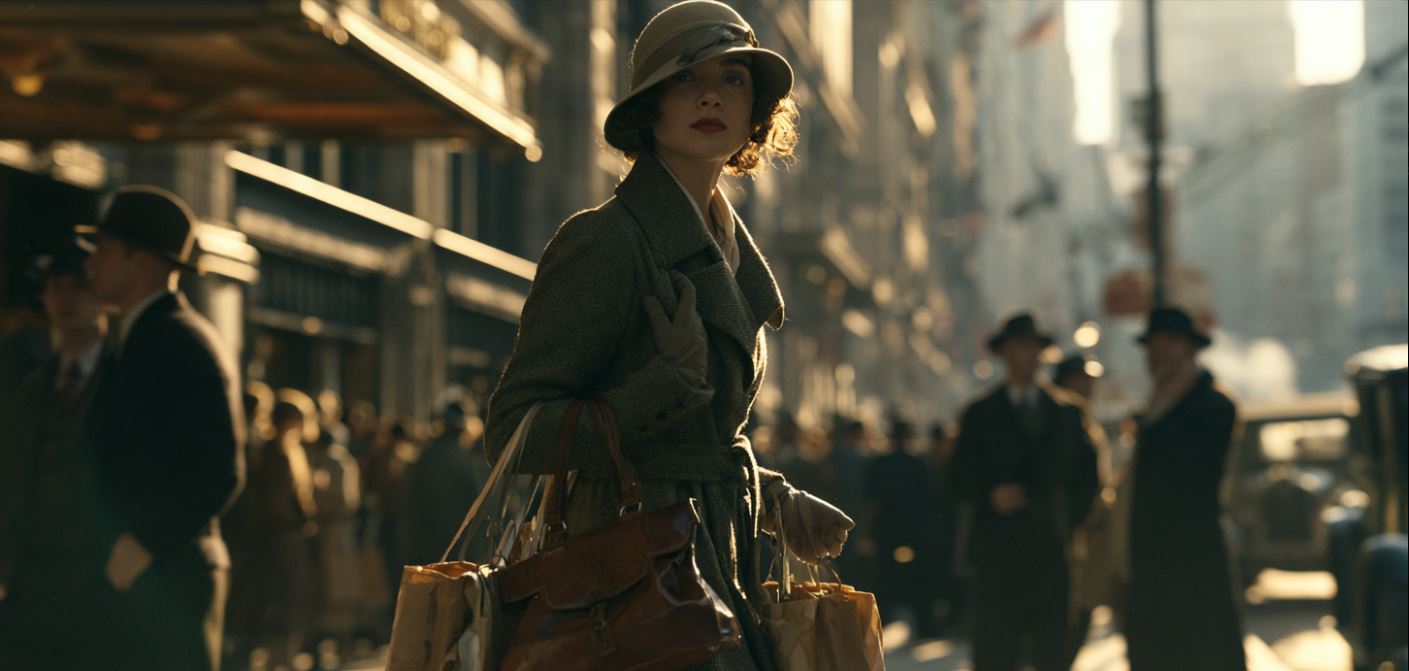
distribution. Depending on the circumstances, they might carry bottles in
shopping bags, conceal small flasks among personal belongings, or transport
liquor in luggage that appeared entirely ordinary. Stories of bottles hidden in
clothing, baby carriages, and other everyday objects have become part of
Prohibition lore, although individual examples should be verified against
contemporary reporting before being treated as documented cases. The underlying
principle was straightforward: a shipment that looked like ordinary personal
travel had a better chance of escaping notice than a truckload of suspicious
cargo.
Female couriers could move by train, ferry, streetcar, or on
foot, transporting relatively small quantities between suppliers, storage
locations, and customers. One successful delivery might not have seemed
particularly significant, but repeated trips could establish a dependable
supply route. Across a large city, several couriers working independently could
move considerable quantities of liquor without requiring a conspicuous convoy
or a warehouse full of employees.
The work was rarely glamorous. It demanded punctuality,
discretion, and the ability to keep one’s composure when an officer appeared
unexpectedly. A courier who attracted attention could jeopardize more than her
own freedom; she might expose a supplier, reveal a delivery address, or lead
investigators toward an entire operation. Reliability was currency in the
underground liquor business, and a person who could transport a shipment
without creating trouble might become more valuable with every successful trip.
| The Courier’s Disguise: How Female Bootleggers Hid In Plain Sight |
The Blind Spot Was Structural, Not Accidental
The opportunity available to female smugglers rested partly
on the assumptions of the era. Law enforcement operated in a society where
criminality, particularly organized criminality, was commonly associated with
men. Investigators looking for large-scale liquor operations naturally focused
on male suspects, vehicles, warehouses, waterfront activity, and the familiar
figures who appeared in police intelligence reports.
Women could benefit from those expectations, although the
extent of the advantage varied by location and circumstance. Searches involving
women presented practical and social complications for male officers, and
police departments did not always have sufficient female personnel to conduct
them. An officer who might readily stop and search a suspicious-looking man
could hesitate before subjecting a woman in public to the same scrutiny. That
hesitation was not universal, but where it existed, smugglers had an opening.
Successful couriers did not necessarily need elaborate
disguises or ingenious concealment devices. Often, the more effective strategy
was to look as though they belonged exactly where they were. A woman carrying
shopping parcels through a commercial district, traveling with children, or
boarding a train with a small suitcase could appear unremarkable in a way that
a nervous man hauling heavy packages might not.
Respectability itself could become a form of camouflage.
Clothing, mannerisms, and the ability to behave naturally helped determine
whether someone attracted a second look. But the advantage should not be
mistaken for immunity. Women were arrested for liquor violations, subjected to
searches, and prosecuted during Prohibition. The system did not overlook every
female bootlegger; rather, its assumptions sometimes created opportunities that
individual smugglers could exploit.
Arrest Records Tell a Different Story
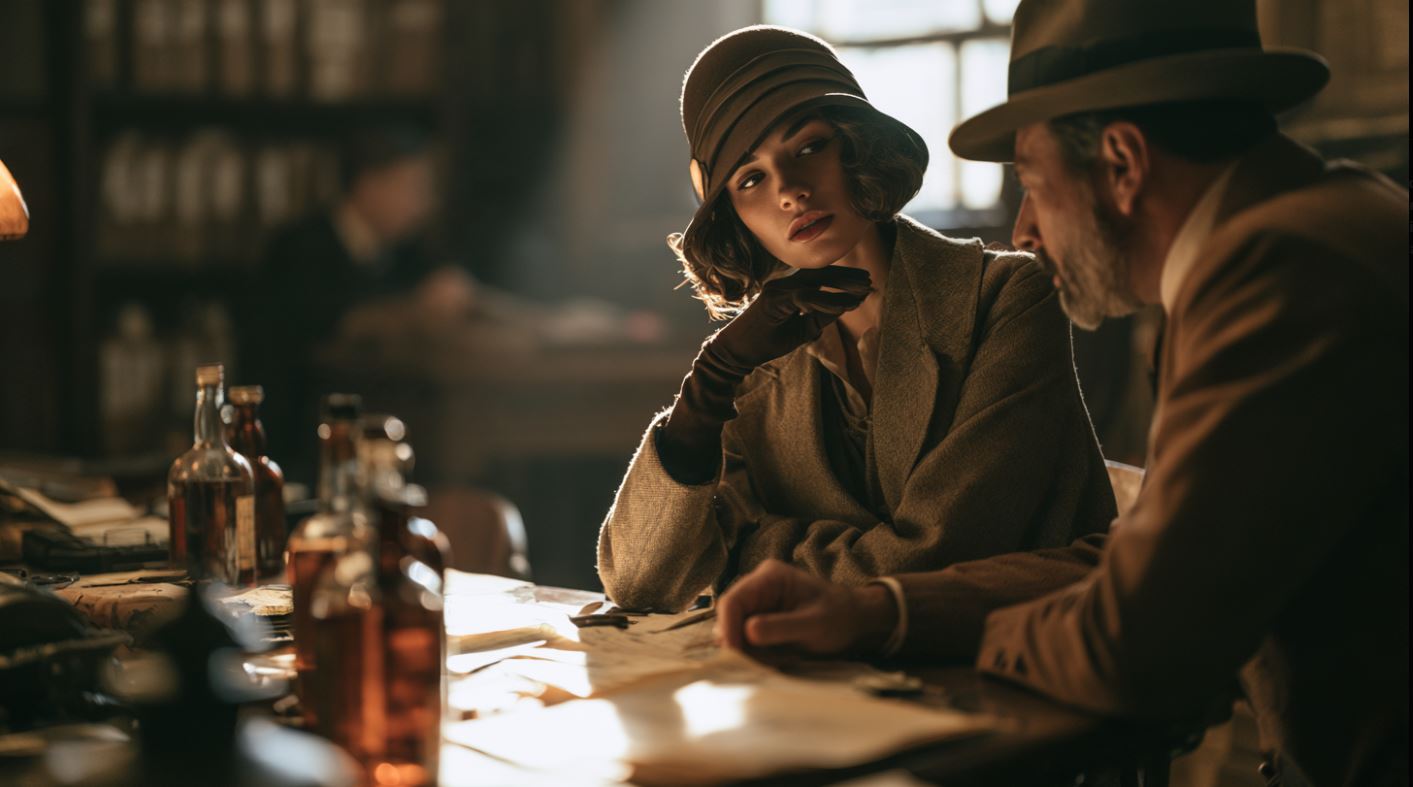
The surviving evidence presents a challenge for anyone
trying to reconstruct the lives of female bootleggers. Newspapers, court
records, arrest reports, and federal enforcement files can reveal women
transporting or selling illegal liquor, but they do not always establish
whether a suspect was an independent operator or part of a larger criminal
organization. An arrest demonstrates contact with law enforcement, not necessarily
a long career in organized crime.
Nevertheless, repeated appearances in contemporary records
can reveal patterns worth investigating. Multiple arrests, aliases, liquor
violations in different jurisdictions, and associations with known suppliers
may indicate that a woman was engaged in more than an isolated offense. When
these details can be corroborated through court proceedings, newspaper
coverage, or other records, they help distinguish an established participant in
the illegal liquor trade from someone caught in a single transaction.
The language used to describe women accused of criminal
offenses also deserves attention. Newspaper accounts sometimes emphasized a
suspect’s age, clothing, marital status, or motherhood in ways that would have
received less attention in stories about male defendants. A woman arrested with
liquor could be presented as a moral curiosity or a domestic disappointment
rather than as a participant in a commercial enterprise.
That difference in framing matters because it can obscure
the practical realities of the crime. A woman transporting alcohol for payment
might be performing a specific role within a distribution network, yet a
newspaper could reduce the story to her appearance or family circumstances. The
result is a historical record that sometimes preserves the spectacle while
losing the business.
It is tempting to assume that women were routinely arrested
dozens of times, received lighter sentences, and returned to work because
authorities considered them harmless. Such claims require case-by-case
evidence. Sentencing depended on the offense, jurisdiction, prior record, and
other circumstances, while some female defendants faced substantial legal
consequences. The more defensible conclusion is that gender influenced how
certain suspects were perceived, and those perceptions could shape both
enforcement and public coverage.
| What Arrest Records Reveal: The Women Behind Prohibition’s Liquor Trade |
Women Who Worked Alone—and Women Who Didn’t
Not every woman carrying illegal liquor was connected to the
Mafia. Prohibition created opportunities for people with different motives,
from those seeking supplemental income to entrepreneurs who recognized an unmet
market. Some women bought liquor from available suppliers and resold it to
private customers. Others transported alcohol for a fee, taking on the risk of
delivery without necessarily knowing much about the people who controlled the
larger operation.
For women with limited economic options, the illegal liquor
trade could offer a measure of independence. Paid employment was often constrained
by expectations surrounding marriage, domestic responsibility, and the kinds of
work considered appropriate for women. Bootlegging offered no guarantee of
security, but it could provide access to cash and commercial activity beyond
the boundaries of conventional employment.
Other women operated within networks where the risks and
rewards were more complicated. A bootlegging organization might need people to
carry messages, arrange deliveries, identify safe routes, or connect suppliers
with customers. A courier who demonstrated discretion could become a regular
employee or trusted intermediary. In an illicit business where every additional
person represented a potential leak, trust could be as valuable as physical
strength.
The relationship between female smugglers and organized
crime should not be romanticized, however. Some women may have entered the
trade willingly, while others could have been influenced by financial
desperation, personal relationships, pressure, or coercion. Circumstances
differed, and the surviving record does not support a single explanation for
their participation.
What matters is recognizing that women were not necessarily
passive figures standing at the edge of a male criminal world. Some made
decisions, negotiated payments, accepted risks, and built their own
connections. Others worked within organizations whose leadership remained
firmly in male hands. Both realities could exist at the same time.
| Corsets, Carriages, and Concealment: The Everyday Objects of Prohibition Smuggling |
Risk Looked Different in Heels
The dangers of bootlegging extended well beyond the
possibility of arrest. Couriers could lose their merchandise, be cheated by
suppliers, become targets for thieves, or find themselves caught between
competing interests. A shipment of liquor represented money, and money in an
illegal market attracted people willing to use intimidation to protect their
share.
For women, the public consequences of an arrest could carry
an additional burden. Contemporary reporting frequently placed female
defendants under a moral spotlight, scrutinizing their clothing, behavior,
relationships, and domestic responsibilities. A man arrested with whiskey might
be portrayed as another bootlegger operating in a lucrative underground trade.
A woman caught with the same cargo could become a story about failed motherhood,
scandalous behavior, or declining standards of respectability.
Such coverage could turn an ordinary liquor prosecution into
a public spectacle. The defendant’s supposed character sometimes received as
much attention as the evidence against her, reinforcing the idea that a woman
involved in crime had violated not only the law but also the social
expectations of her sex.
Yet the possibility of disgrace did not necessarily outweigh
the financial incentives. Prohibition created an enormous market for alcohol,
and the money available to those who could reliably supply it was a powerful
attraction. For some women, the trade also offered a degree of autonomy that
conventional employment rarely provided. They could earn money, travel
independently, and make decisions in a business that existed beyond the reach
of ordinary regulation.
That freedom came with a price. The same independence that
made bootlegging attractive could leave a woman without the protections
available through legitimate employment. There were no reliable labor
safeguards, no lawful means of enforcing a payment agreement, and little
recourse if a supplier decided to cheat or threaten a courier. The opportunity
was real, but so was the danger.
| Why Enforcement Looked the Other Way: Gender, Prohibition, and the Limits of the Law |
The Smuggler as Social Disruptor
Female bootleggers challenged assumptions about who could
exercise power in an illicit economy. Their effectiveness did not necessarily
depend on carrying a weapon, commanding a gang, or intimidating a rival. In
some circumstances, their greatest assets were discretion, adaptability, and an
ability to navigate public spaces without attracting attention.
Moving liquor required more than physical transportation.
Someone had to understand where deliveries could be made, when particular
routes were safest, which customers could be trusted, and how to avoid
revealing information under questioning. These skills were practical rather
than glamorous, but they could determine whether a shipment reached its
destination and whether a business survived another week.
The work also complicates the familiar picture of
Prohibition as a contest between gangsters and federal agents. The illegal
liquor trade depended on a broad network of participants, including producers,
importers, drivers, warehouse operators, bartenders, restaurant owners,
couriers, and customers. Not every participant possessed the same degree of
authority, and not everyone who moved alcohol belonged to a criminal syndicate.
Still, the trade could not have functioned on the strength of notorious gangsters
alone.
Women who transported liquor occupied one part of that
larger system. Their contribution may have been less visible than the men who
controlled major operations, but invisibility could itself have commercial
value. In an industry where attention invited investigation, the ability to
appear ordinary could become an asset.
After Prohibition: Vanishing from the Record
When national Prohibition ended in December 1933, the legal
landscape changed dramatically. The repeal of the Eighteenth Amendment removed
the federal prohibition on alcohol, although state and local restrictions
continued in some places. Legal production and distribution could once again
serve much of the market, reducing the need for the particular smuggling
arrangements that had flourished under the ban.
The transition did not mean that organized crime
disappeared. Criminal groups adapted to changing conditions and continued to
pursue profits through gambling, labor racketeering, extortion, and other
illegal enterprises. Some retained interests in alcohol-related businesses,
while others moved toward different opportunities. But the small-scale courier
operating in the shadows of Prohibition no longer occupied the same position in
the market.
For women who had participated in the illegal liquor trade,
the end of Prohibition may have meant returning to conventional employment,
finding other sources of income, or continuing criminal activity in a different
form. Their subsequent lives are often difficult to trace. Unless a woman became
involved in a major prosecution, remained active in another criminal
enterprise, or left behind personal papers and recollections, the historical
trail may end with a newspaper report or court entry.
This absence should not automatically be interpreted as
evidence that women deliberately concealed their pasts or that authorities
systematically erased their contributions. Historical records are uneven, and
ordinary participants in illegal businesses rarely leave behind the memoirs,
biographies, and extensive press coverage reserved for famous criminals.
Anonymity, however, was part of the work itself. A
successful courier had good reason to avoid publicity, and a person who
returned to civilian life after repeal had little incentive to advertise an
earlier career in illegal liquor distribution. The result is a fragmented
history, pieced together from records that were not designed to preserve the
stories of people who occupied the margins of the trade.
Why Their Story Still Matters
The history of female bootleggers offers a different
perspective on Prohibition and the American underworld. It shifts attention
away from the familiar photographs of gangsters in expensive suits and toward
the practical networks that kept illegal businesses operating. It also demonstrates
why criminal enterprises cannot be understood solely through their most
notorious leaders.
A liquor empire required people who could move products,
maintain relationships, and keep business running without attracting unwanted
attention. Some women filled those roles independently; others worked for
larger operations. Their experiences varied, and the evidence does not justify
treating every female smuggler as a hidden criminal mastermind. But neither
should they be dismissed as incidental figures in a story supposedly reserved
for men.
Their history also reminds us that opportunity and
exploitation can coexist. Prohibition created an illegal market where some
women found money and independence, while others encountered danger, pressure,
and public condemnation. The same underground economy could provide a path
beyond conventional expectations and expose participants to risks they could
not control.
The women who carried whiskey through railway stations, city
streets, and crowded neighborhoods were part of a much larger experiment in
American law, commerce, and social behavior. Their stories deserve attention
not because every one of them ran a criminal empire, but because their work
reveals how an illegal market operated beyond the spotlight.
They did not need to command the room to influence the
business. Sometimes, the person carrying the bottle was just as important as
the man selling it.
References:
- Kobler, John. Capone: The Life and World of Al Capone. New York: G. P. Putnam’s Sons,
1971. - Lerner, Michael A. Dry Manhattan: Prohibition in New York City. Cambridge, MA:
Harvard University Press, 2007. - Okrent, Daniel. Last Call: The Rise and Fall of Prohibition. New York: Scribner,
2010. - Peiss, Kathy. Cheap Amusements: Working Women and Leisure in Turn-of-the-Century
New York. Philadelphia: Temple University Press, 1986. - United States National Archives and Records Administration. Records relating to
federal Prohibition enforcement and the Bureau of Prohibition. Specific
record groups and case files should be identified when citing individual
arrests. - United States Senate. Special Committee to Investigate Organized Crime in
Interstate Commerce (Kefauver Committee), hearings and reports, 1950–1951.
These provide later context for organized crime, not direct evidence of
individual Prohibition-era smuggling cases.