Why Enforcement Looked the Other Way: Gender, Prohibition, and the Limits of the Law
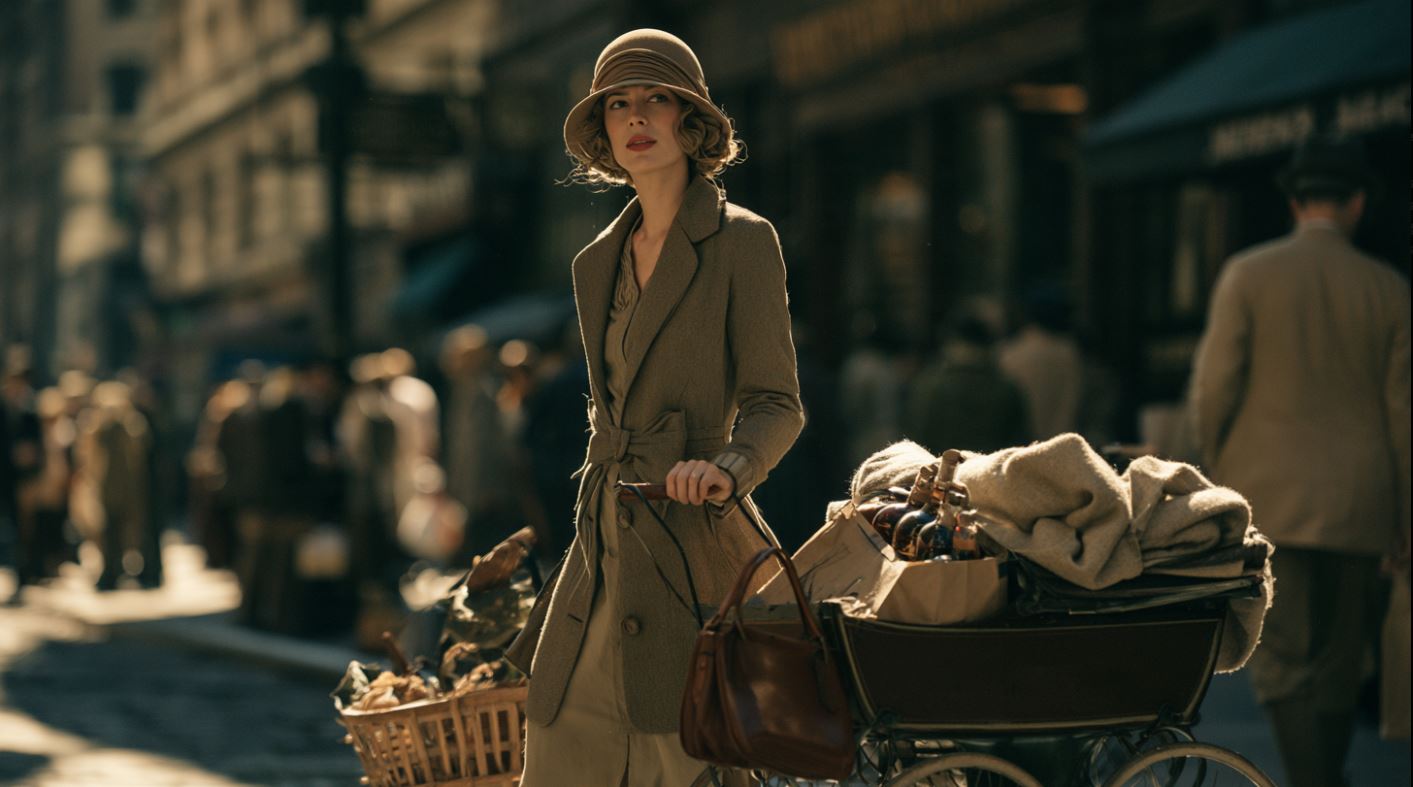
During Prohibition, federal agents and local police faced an enormous challenge: enforcing a nationwide ban on the manufacture, sale, and transportation of intoxicating liquor while an eager public continued to demand it. Investigators watched warehouses, raided illegal distilleries, monitored waterfronts, and pursued the men who appeared to control the liquor trade. Yet the assumptions guiding their work could leave other participants outside the center of their attention. In a society that commonly associated criminal enterprise with men, a woman carrying a shopping bag or traveling with a baby carriage might not fit the expected profile of a bootlegger. That mismatch created opportunities for women willing to exploit the difference between what authorities expected to find and what was actually happening on the streets.
| The Courier’s Disguise: How Female Bootleggers Hid In Plain Sight |
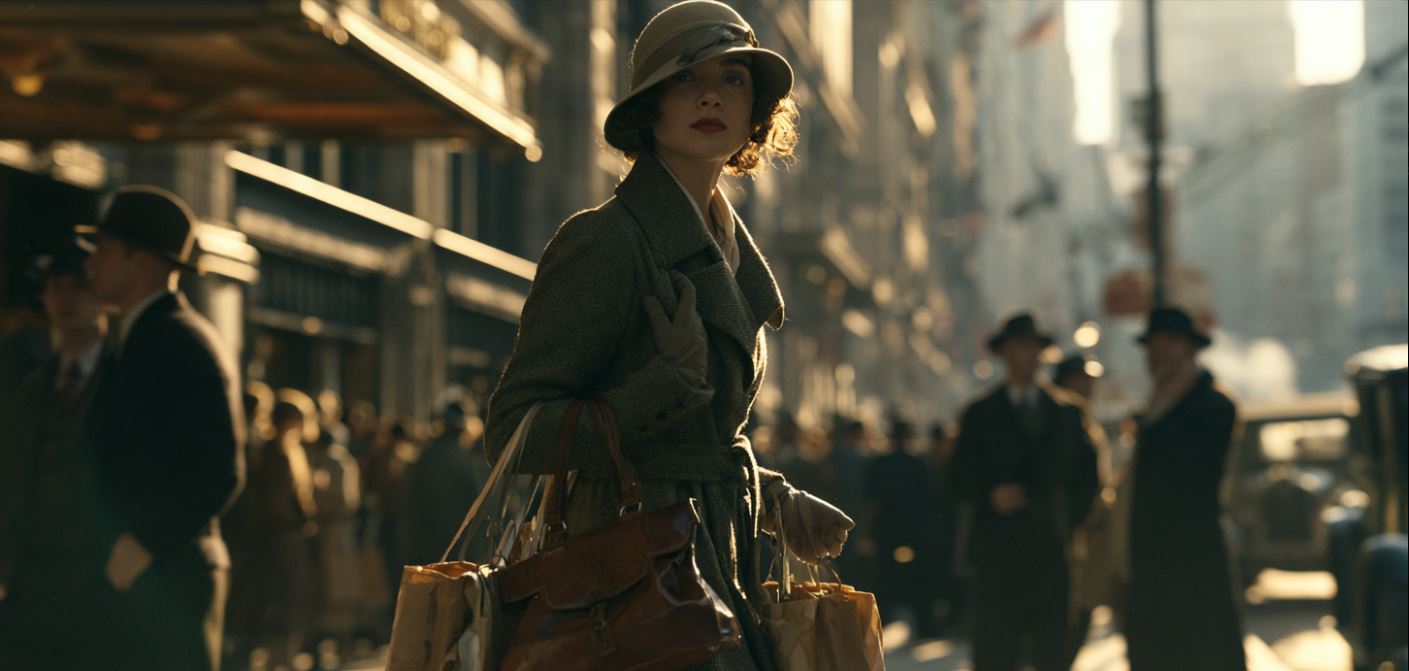
Social conventions played a significant role in shaping those expectations. Women were commonly associated with domestic responsibilities, clerical employment, shopping, and family life, while bootlegging was popularly imagined as a rough business dominated by men with trucks, weapons, and connections to organized crime. These stereotypes were never universal, and women were certainly not exempt from arrest simply because of their sex. Nevertheless, appearances could influence suspicion. A respectable coat, a composed manner, and an ordinary-looking parcel could help a courier blend into the daily movement of a city. The advantage was not that women were invisible, but that some could move through familiar public spaces without attracting the same initial scrutiny as a man already suspected of criminal activity.
| What Arrest Records Reveal: The Women Behind Prohibition’s Liquor Trade |
Searches presented another complication. In the early twentieth century, social conventions surrounding women’s privacy and bodily modesty could make searches by male officers uncomfortable or controversial. The availability of female police officers varied considerably by jurisdiction, and the procedures followed by individual departments were not uniform. These circumstances could complicate enforcement, particularly when an officer suspected concealed liquor but lacked an immediate or convenient way to investigate. It would be an exaggeration to claim that women could not legally be searched or that police routinely refused to search them. Rather, social expectations and practical limitations sometimes created hesitation, and a resourceful smuggler could benefit when that hesitation worked in her favor.
| Corsets, Carriages, and Concealment: The Everyday Objects of Prohibition Smuggling |
Public optics added another dimension. The arrest of a woman for carrying whiskey could become a newspaper curiosity, especially if she was young, fashionably dressed, or responsible for children. Some accounts emphasized the apparent contradiction between femininity and criminal behavior, treating the defendant as a scandalous exception rather than examining her role in the illegal liquor trade. Such coverage could reinforce the very stereotypes that made certain couriers difficult to recognize. At the same time, publicity could work against them: a conspicuous arrest might expose a delivery route, identify a supplier, or make an individual courier recognizable to law enforcement. The same social attention that sometimes softened suspicion could become a liability once authorities had a name and a face to investigate.
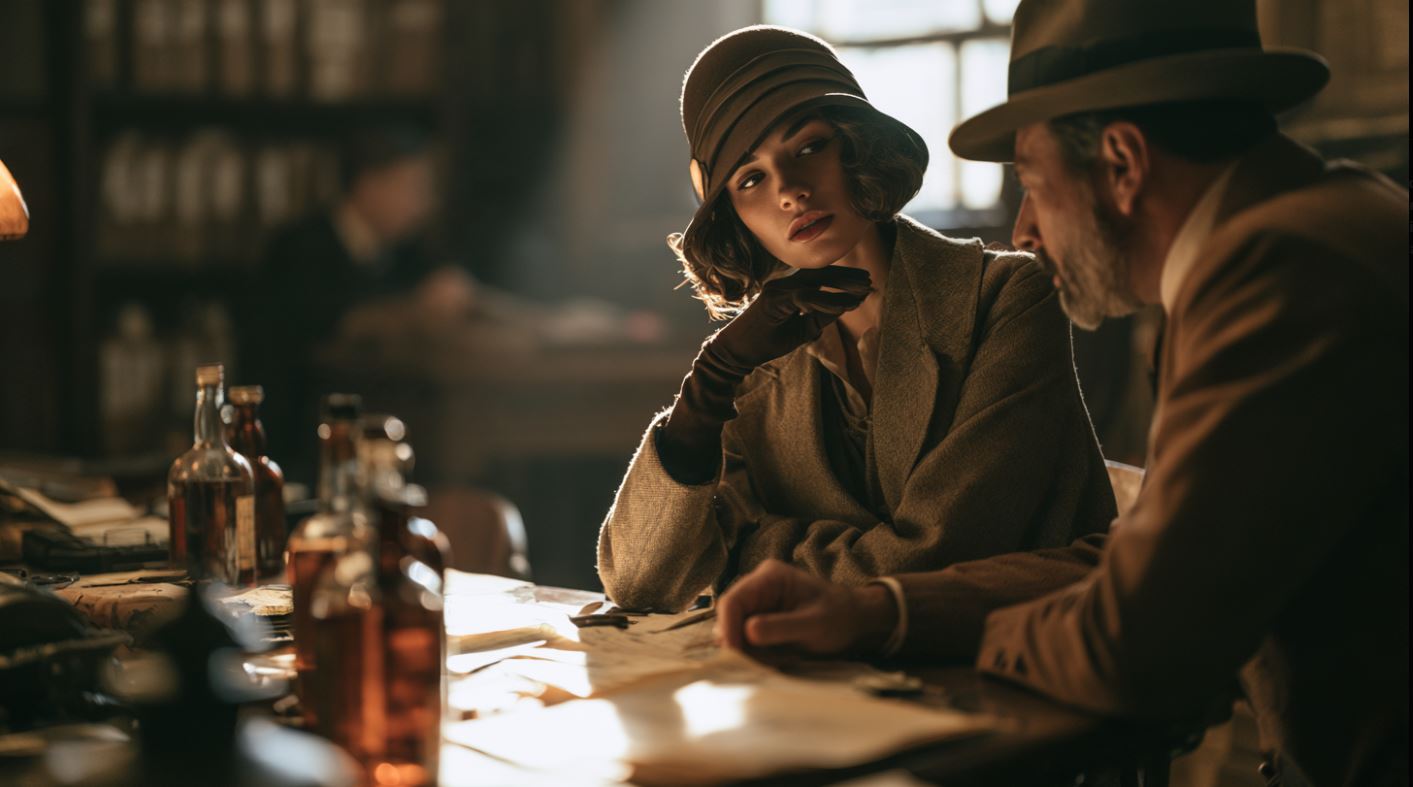
The larger problem was that enforcement depended on assumptions about who committed particular crimes and how those crimes were organized. A courier carrying a few bottles might appear to be an isolated offender, even if she was working for a dealer who supplied multiple customers. When investigators concentrated on the visible men controlling major operations, they risked overlooking some of the less conspicuous relationships that kept the business functioning. Still, a woman’s arrest did not automatically reveal an organized network, and the presence of gender bias does not establish that authorities systematically ignored female smugglers. Each case requires evidence. The important point is that preconceived ideas could shape investigative priorities, sometimes making it harder to recognize the full structure of an illegal enterprise.
Prohibition enforcement therefore reveals more than a struggle between police and bootleggers. It demonstrates how laws are enforced through human judgments, institutional resources, and cultural expectations. Female smugglers who understood those limitations could turn ordinary appearances into an advantage, using the assumptions of the era to move liquor through places where they might attract little attention. They were not immune to the law, nor were all women who transported alcohol part of organized crime. But their experiences expose a weakness that reaches beyond the 1920s: when investigators focus too narrowly on what an offender is supposed to look like, they can overlook the people who are actually doing the work.