The Gangster Who Believed Debts Were Forever
The Underworld runs on debts.
Money creates debts. Favors create debts. Protection creates debts. In the culture of Organized Crime, every transaction carries a memory. A favor granted today becomes a marker that can be collected tomorrow. Men rise and fall based on who owes whom and who remembers.
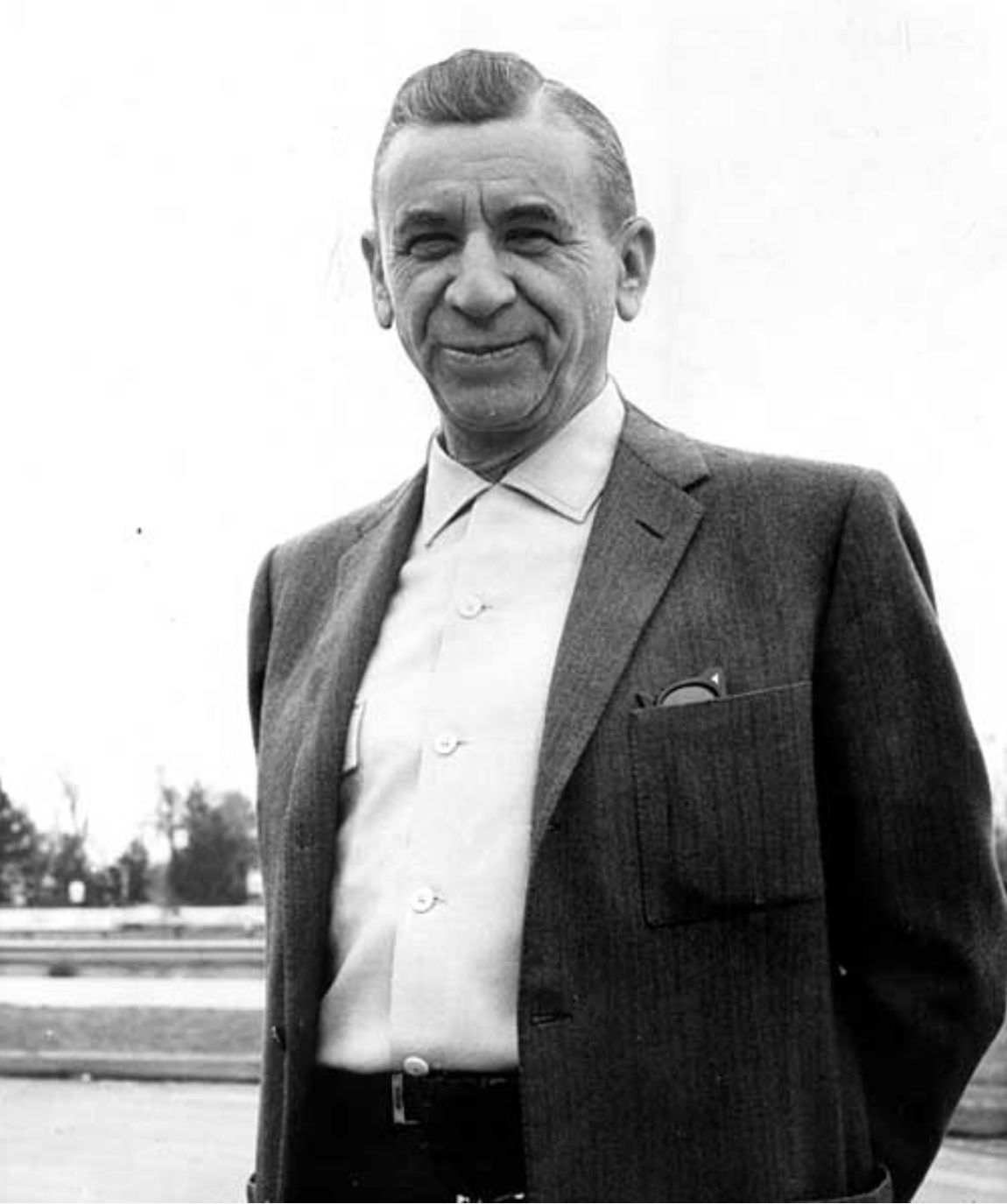
Meyer Lansky built an empire on that principle.
For decades, he stood among the most influential figures in American Mafia History. Unlike the flashy bosses who loved headlines and expensive suits, Lansky preferred the shadows. He was a strategist, a financier, and a master of relationships. While others fired guns, Lansky calculated odds. While others sought publicity, he accumulated influence.
That influence stretched from New York’s gambling operations to Havana’s glittering casinos. Politicians, businessmen, labor leaders, and gangsters all crossed paths with a man who understood that power was often more effective when it remained unseen.
Yet near the end of his life, Lansky discovered a harsh truth. Debts matter in the criminal world. Governments play by different rules.
A Cause Bigger Than Crime
Long before Israel became a refuge for Lansky, it was a cause he genuinely supported.
The years leading up to Israeli independence were marked by violence, uncertainty, and desperation. Jewish organizations struggled to obtain weapons and military equipment while preparing for what many believed would be an inevitable war. International restrictions and political obstacles made acquiring arms difficult at the very moment they were needed most.
According to numerous historical accounts, Lansky used his influence and connections to assist Jewish causes linked to the creation of the future state. Various members of the American Jewish Underworld also contributed money, contacts, and logistical support. Some efforts operated openly. Others existed in legal gray areas that would have been familiar territory for men accustomed to working around obstacles.
For Lansky, the issue was deeply personal.
Born in what is now Belarus, he grew up hearing stories of persecution and anti-Semitic violence. The Holocaust only reinforced the belief that Jews needed the ability to defend themselves. While much of his life was devoted to criminal enterprises, support for Israel was one of the few causes that transcended profit.
When the Jewish state emerged in 1948, Lansky viewed its survival as a historic victory.
Years later, that history would seem to promise him a safe harbor.
The Flight to Israel
By 1970, federal investigators had spent years pursuing Lansky.
Although prosecutors often struggled to prove specific crimes, his reputation as a major Organized Crime figure was firmly established. Congressional hearings, criminal investigations, and tax inquiries followed him wherever he went. At nearly seventy years old, Lansky was no longer expanding empires. He was looking for a place to spend his remaining years in peace.
Israel appeared to be the perfect destination.
The country’s Law of Return granted Jews the right to immigrate and seek citizenship. Thousands had taken advantage of the opportunity. Lansky arrived believing he would be treated like any other Jewish immigrant.
He was wrong.
Almost immediately, his presence generated controversy. American officials viewed his move as an attempt to escape legal scrutiny. Headlines followed him across the Atlantic. What might have been a routine immigration case quickly became an international political issue.
The aging gangster who had spent decades operating behind the scenes suddenly found himself at the center of a diplomatic storm.
The Big Lie: The Mafia Doesn’t Exist – The Code of Denial
When Washington Made Its Position Known
Israel in the early 1970s depended heavily on its relationship with the United States.
Military assistance, diplomatic support, and strategic cooperation had become essential components of Israeli national security. Every major decision carried implications far beyond domestic politics. Leaders in Jerusalem understood that maintaining strong ties with Washington was not simply desirable—it was necessary.
American officials made clear that they did not want Meyer Lansky finding permanent sanctuary in Israel.
The conversations largely occurred behind closed doors, but their meaning was unmistakable. The United States had spent years attempting to bring pressure against Lansky. Allowing one of the most recognizable figures in Organized Crime to remain beyond American reach would create a serious point of friction between allies.
Military aid and strategic support have often served as instruments of influence in international politics. Governments may speak publicly about shared values and mutual respect, but private negotiations frequently revolve around leverage. Smaller nations learn quickly that powerful allies rarely make requests without expectations attached.
Lansky was suddenly trapped inside that reality.
The same nation he had supported during its vulnerable years now faced a choice between honoring a controversial benefactor and protecting a vital alliance.
There was never much doubt about which side would win.
Lucky Luciano’s Open Table: How The Mafia Welcomed Outsiders, Immigrants, and Misfits
The Door Closes
Israeli authorities ultimately rejected Lansky’s application for residency.
Officially, the government argued that the Law of Return was never intended to provide shelter for individuals with serious criminal backgrounds. Officials maintained that admitting Lansky would not serve the public interest.
The legal reasoning was straightforward.
The political reality was far more complicated.
For Lansky, the decision must have felt like a betrayal. He had helped support the Jewish cause when survival was uncertain. He had watched Israel emerge from conflict and establish itself as a nation. Now, when he sought refuge there, the door was being closed.
The lesson was cold and unmistakable.
Countries do not operate on gratitude. They operate on interests.
Governments may appreciate assistance. They may even remember it. But when strategic priorities collide with old favors, favors almost always lose.
In 1972, after exhausting his appeals, Meyer Lansky was forced to leave Israel.
The man who had helped move money, connections, and support toward the future Jewish state was boarding a plane back to America.
The Final Lesson of Meyer Lansky
The irony remains one of the most fascinating chapters in Mafia History.
Throughout his career, Lansky mastered the mechanics of power. He understood corruption, influence, negotiation, and leverage better than most politicians. He built fortunes by reading people and predicting outcomes. Yet he ultimately miscalculated one thing.
He believed past loyalty still carried value.
In the criminal underworld, loyalty is currency. In international politics, it is often an expendable luxury.
When military support, diplomatic relationships, and national interests entered the equation, Meyer Lansky’s previous contributions became secondary considerations. The old gangster discovered that no amount of history could outweigh present-day strategic concerns.
That realization may have been the most painful defeat of his life.
Federal investigators never fully dismantled the legend of Meyer Lansky. Rival gangsters never drove him from power. The courts never succeeded in proving many of the crimes long associated with his name.
Instead, his most significant loss came in a place he believed would welcome him.
The Promised Land had room for many immigrants.
Just not Meyer Lansky.
His expulsion remains a dark reminder that power is temporary, alliances are conditional, and nations rarely feel bound by the same obligations that govern the streets. For all his brilliance, Lansky learned that lesson too late.
The accountant of theuUnderworld spent a lifetime collecting debts.
In the end, the largest debt he believed he was owed was never paid.
References
Aronson, Robert A. The Life and Times of Meyer Lansky. New York: G.P. Putnam’s Sons, 1979.
English, T.J. The Corporation: An Epic Story of the Cuban American Underworld. New York: William Morrow, 2007.
Lacey, Robert. Little Man: Meyer Lansky and the Gangster Life. Boston: Little, Brown and Company, 1991.
Raab, Selwyn. Five Families: The Rise, Decline, and Resurgence of America’s Most Powerful Mafia Empires. New York: Thomas Dunne Books, 2005.
Rockaway, Robert A. But He Was Good to His Mother: The Lives and Crimes of Jewish Gangsters. Jerusalem: Gefen Publishing House, 2000.
Sachar, Howard M. A History of Israel: From the Rise of Zionism to Our Time. New York: Alfred A. Knopf, 2007.
Weinraub, Bernard. “Israel Rejects Lansky Appeal for Residence.” The New York Times, July 1972.