A Doorbell to Doom: Anastasia’s Wrath and the Disappearance of the Ferris
The Tax Trial That Put Anastasia Under the Microscope
On a grim autumn day in October 1954, the shadow of judgment loomed over Albert Anastasia as the Newark courtroom pulsed with tension. Presided over by the stern Honorable Alfred E. Modarelli, the trial began, cloaked in the dry technicalities of tax law. Assistant U.S. Attorney Frederick B. Lacey delivered a mechanical dissection of finances—gross vs. net, deductions, and expenditures—while jurors fought to stay awake. Beneath the monotony, a sinister tale of greed and blood was brewing.
A Mansion Built on Money and Secrets
The government’s strategy was a scalpel, slicing through Anastasia’s façade of modest earnings to reveal a labyrinth of deceit. The Anastasia mansion became their weapon—an opulent fortress shrouded in lies, purchased with funds laundered through his wife Elsa’s maiden name. The evidence painted a portrait of extravagance, a stark contrast to Anastasia’s declared income. The jury was invited to do the math, but the numbers weren’t the only puzzle; the witnesses themselves became a deadly equation.
Charles Ferri Takes the Stand
Enter Charles Ferri, a plumber from New Jersey, summoned to testify against a man whose very name whispered death. Ferri detailed his involvement in the mansion’s construction, recounting payments delivered in envelopes thick with hundred-dollar bills. His testimony was damning, though tinged with reluctance, as Anastasia’s piercing glare turned the courtroom into a crucible. Unspoken threats dripped from his gaze, promising retribution.
When the Jury Couldn’t Agree
The trial ended in a deadlocked jury, and a mistrial was declared. But the storm hadn’t passed. The re-trial loomed, and Ferri—an unwitting pawn in a deadly game—was subpoenaed to appear once more. Anastasia faced mounting pressure. For Ferri, the specter of his involvement cast an ominous shadow over his new home in sunny Florida.
| Whispers in the Walls: Mafia Retribution and Mysterious Deaths Behind Bars |
The Night the Ferris Vanished
On April 29, 1955, that shadow turned into a nightmare. During that day, Charles Ferri was subpoenaed to testify at Anastasia’s re-trial. That night, Charles and his wife Marian vanished, their tranquil North Miami home transformed into a grotesque crime scene. Blood soaked the carpets and streaked the walls, hinting at violence swift and merciless. The trail led from the house to the carport, where smeared stains marked the dragging of lifeless bodies. Their pet parakeet chirped nervously as investigators pieced together the carnage. A vase lay shattered—a mute witness to Ferri’s final moments.
| Wag the Mob: How the FBI Sold America a Lie While the Mafia Sat at the Table |
A Ledger Full of Mob Connections
Neighbors reported hearing nothing unusual that night, and investigators were left with a chilling scene but few answers. The Ferris home showed signs of violence, including bloodstains and evidence that something terrible had occurred, yet neither Charles nor his wife was ever found.
As the police scrambled for leads, their suspicions turned to Anastasia. Ferri’s ledger was a damning list of connections to the underworld—mobsters and criminals whose pipes he’d fixed, their shadows staining his quiet reputation. Anastasia stood out like a blood-red mark; his motive carved into the timeline. Ferri had testified against him and was set to do so again. The message was clear: silence Ferri, silence the threat.
| Five Families: Blood, Power, and the Empire Beneath New York |
The Anastasia Theory Takes Shape
The Ferris’ bodies were never found, but their absence spoke volumes. Rumors swirled, fueled by Anastasia’s defense attorney, Anthony Calandra, who spun a web of lies to distract the public and the mob. Ferri, they claimed, was a degenerate gambler, his death a result of debts owed—not Anastasia’s hand.
But no one was fooled. The shadow of the Mad Hatter loomed large, and Ferri’s blood cried out for justice.
Bodies Missing, Questions Remaining
The darkness surrounding Anastasia deepened. Each silence bought with violence, each witness erased, stitched a pattern of dread that even his defense couldn’t dispel. Charles Ferri, the man who once fixed faucets for the mob, was now a ghost—a cautionary tale of what happens when you challenge the King of Murder and fail.
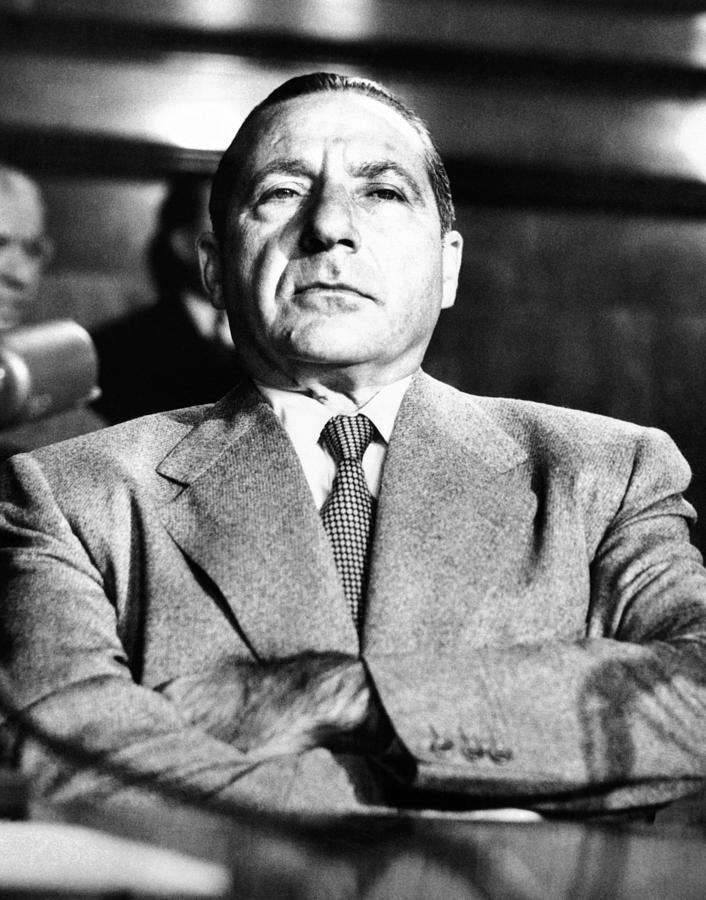
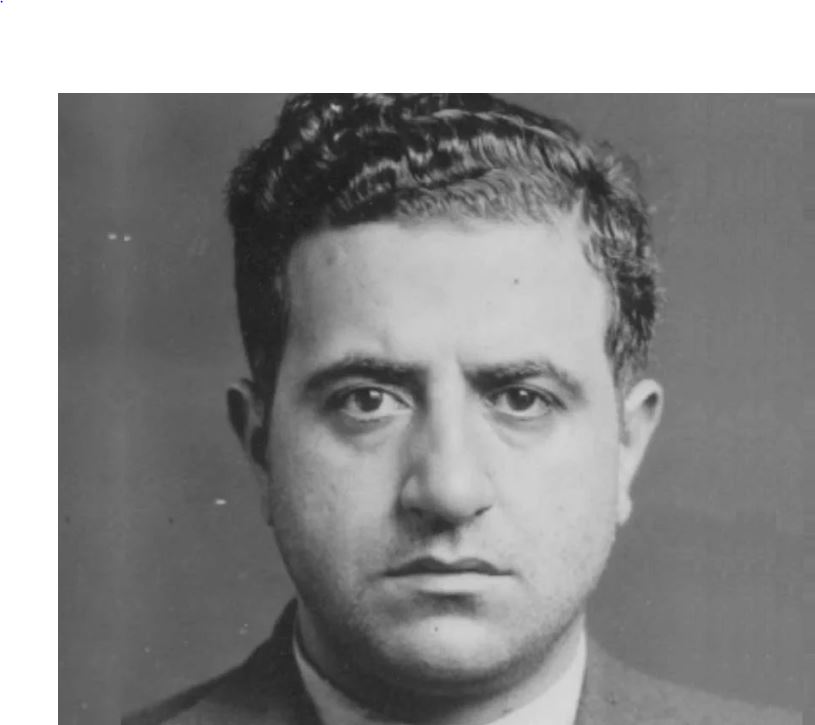
| Albert Anastasia |
REFERENCES:
Federal Bureau of Investigation. “Ferri, Marie.” Law Enforcement Bulletin, July 1955. Federal Bureau of Investigation.
Le Monde. “Albert Anastasia, le tueur du ‘syndicat du crime’ new-yorkais, plaide coupable de fraude fiscale.” May 25, 1955.
Medford Mail Tribune. “Anastasia Income Tax Witnesses Disappear.” May 3, 1955. Historic Oregon Newspapers, University of Oregon.
American Mafia. “Ambition Toppled Brooklyn King Anastasia.” American Mafia, accessed August 8, 2026.
EBSCO Research Starters. “Albert Anastasia.” EBSCO Information Services, accessed August 8, 2026.
Gangland Gotham. “Albert Anastasia.” Gangland Gotham, accessed August 8, 2026.