Frankie Yale: The Elegant Butcher of Brooklyn
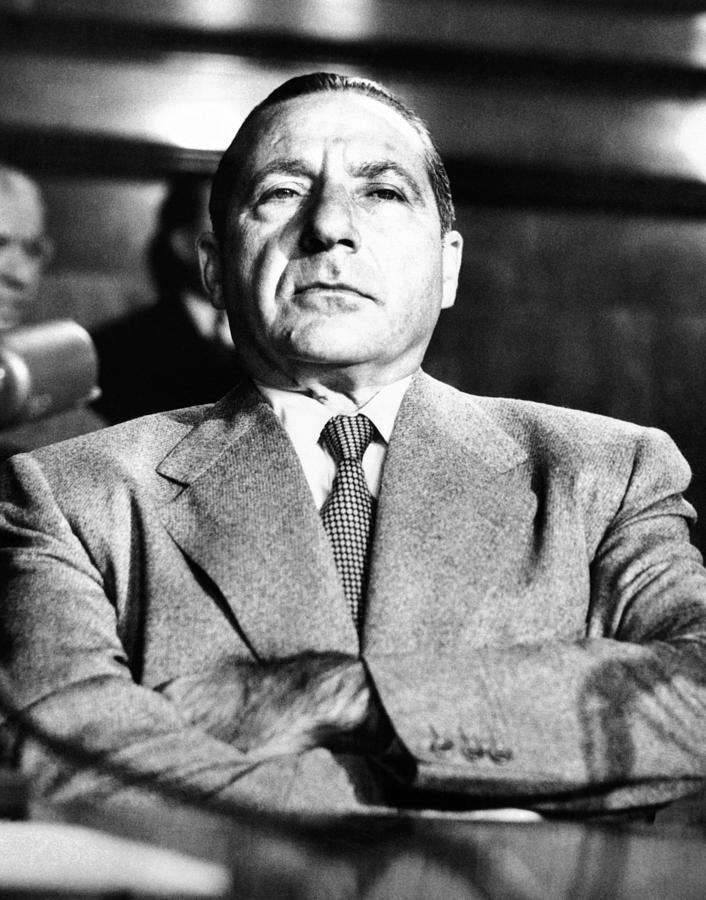
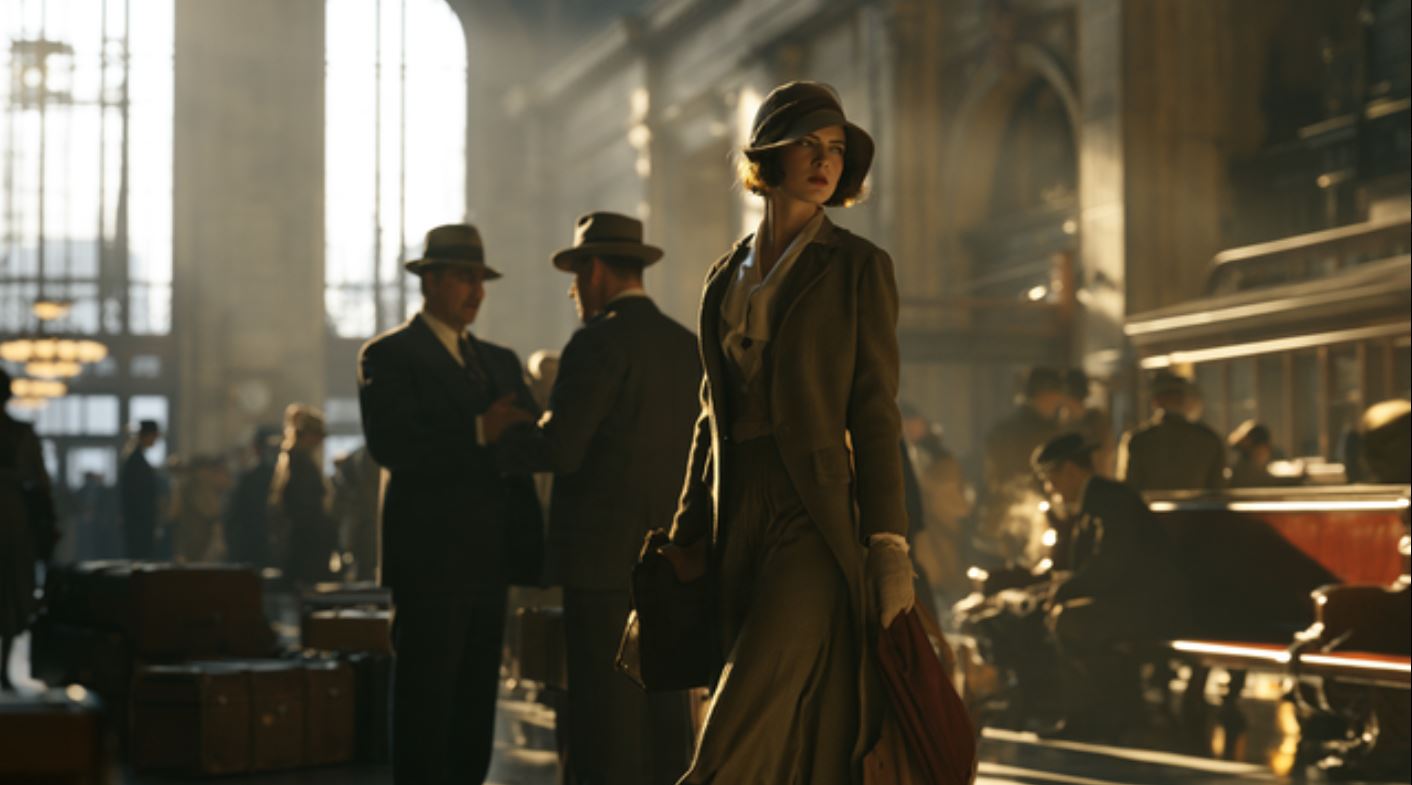
Frankie Yale looked like success. Tailored suits. Diamond rings. Perfect grooming. Expensive restaurants. Luxury cars gliding through Brooklyn streets while politicians, businessmen, boxers, and gangsters all shook his hand with cautious respect. He cultivated refinement carefully.
But beneath the polished exterior stood one of the most violent and influential gangsters of the early American Mafia era—a man who helped shape organized crime during the transition from neighborhood street gangs into national criminal empires.
Frankie Yale was both businessman and executioner. Mentor and predator.
A gangster sophisticated enough to dine with powerful men and brutal enough to order murders without hesitation. Most importantly, he became one of the key figures who helped train a younger generation of criminals—including Al Capone. That alone secured his place in Mafia history.
But his own story ended the way many gangster stories eventually do: In bullets. A lot of bullets.
From Calabria to Brooklyn
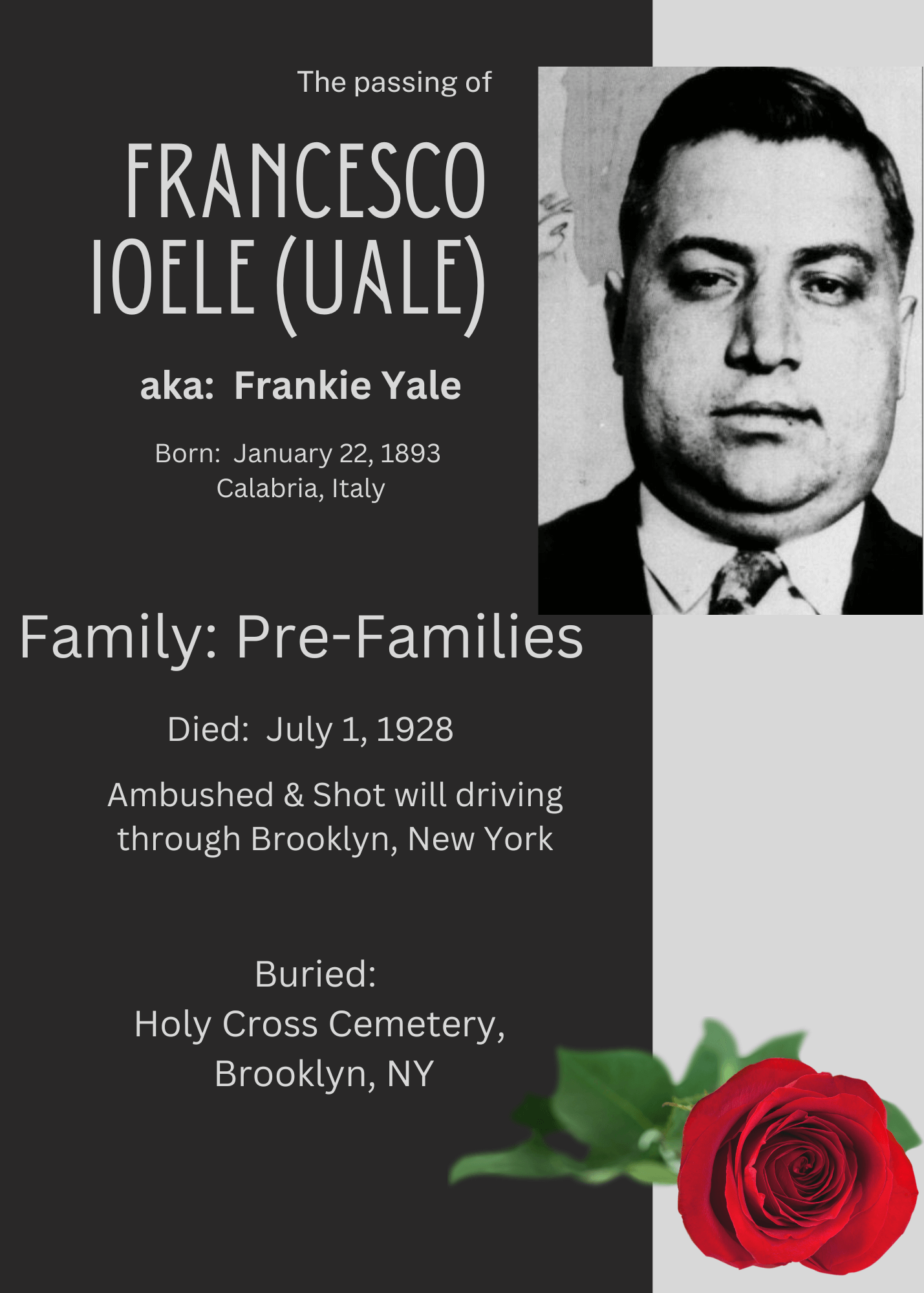
Frankie Yale was born Francesco Ioele in Calabria, Italy, in 1893 before immigrating to New York City as a child.
Like many Italian immigrants arriving during that era, his family settled in Brooklyn neighborhoods crowded with poverty, ethnic tension, labor exploitation, and rising gang activity. Street organizations flourished in these environments, blending gambling, theft, extortion, political corruption, and violence into daily survival systems.
Young Francesco eventually Americanized his surname from Ioele to Yale.
The name sounded smoother. More respectable. Respectability mattered to him. Unlike crude street toughs satisfied with corner-level influence, Yale aimed higher.
Brooklyn’s Rising Gangster
By the 1910s and early 1920s, Yale had established himself as a major underworld figure in Brooklyn through gambling operations, protection rackets, labor influence, prostitution, and extortion.
He built his empire around bars, social clubs, and neighborhood influence networks while maintaining strong relationships with emerging Mafia figures throughout New York.
Yale possessed unusual charisma. People remembered his manners as much as his violence. He understood an important truth early: Organized crime depended as much on relationships as intimidation. Still, intimidation remained available whenever needed.
And it was needed often.
The Harvard Inn and Al Capone
One of Yale’s most famous establishments was the Harvard Inn, a bar and nightclub serving as both social hotspot and organized crime headquarters.
Young Al Capone worked there as a bartender and bouncer under Yale’s supervision. The relationship became enormously important historically.
Yale taught Capone lessons about organized crime operations, extortion systems, political relationships, and underworld discipline. Capone admired him deeply. In many ways, Yale represented the prototype for the modern sophisticated gangster Capone later tried to become in Chicago.
Elegant. Feared. Connected. Profitable. But Yale also demonstrated the danger of visibility.
Violence in the Streets
Despite his polished image, Yale remained deeply tied to violent underworld conflicts.
New York organized crime during the 1920s existed in constant turbulence as Irish gangs, Italian factions, and emerging Mafia organizations battled for territory and profits during Prohibition. Bootlegging transformed criminal opportunities overnight, flooding cities with money and escalating gang warfare dramatically.
Yale became heavily involved in alcohol smuggling and enforcement operations tied to the expanding bootleg economy.
Rivals disappeared. Shootings multiplied. Brooklyn streets turned into battlegrounds. Yale survived because he combined diplomacy with brutality effectively.
At least for a while.
The Murder of Big Jim Colosimo
One of the most notorious allegations involving Yale connected him to the 1920 murder of Big Jim Colosimo in Chicago.
Colosimo reportedly resisted entering large-scale bootlegging aggressively despite the enormous profits Prohibition promised. According to longstanding Mafia history, Chicago mob leader Johnny Torrio arranged for Yale to carry out the assassination.
The murder changed organized crime history. With Colosimo gone, Torrio and eventually Capone transformed Chicago into one of America’s most powerful criminal empires.
Though never conclusively proven, the story reflected Yale’s reputation nationally: When difficult problems required violent solutions, Frankie Yale’s name surfaced often.
Boxing, Politics, and the Underworld
Yale also maintained influence in labor unions, politics, and boxing circles.
Like many gangsters of the era, he understood that organized crime profits depended heavily on infiltration into legitimate institutions. Protection rackets expanded into labor control, entertainment venues, waterfront operations, and political relationships throughout New York.
He reportedly associated with influential underworld figures including Joe Masseria during the unstable years preceding the Castellammarese War. That alignment eventually became dangerous.
Because organized crime itself was changing.
The Rise of Luciano
By the late 1920s, younger gangsters such as Charles “Lucky” Luciano sought to modernize organized crime beyond old territorial feuds and traditional Sicilian factionalism.
Yale belonged partly to the older order. Profitable. Powerful. But increasingly vulnerable.
As new alliances formed and younger syndicate architects reorganized the underworld, longtime gangsters who could not adapt fully became liabilities.
Yale’s visibility, violence, and independent power base attracted growing attention from rivals and law enforcement alike. Then came the final ambush.
The Assassination
On July 1, 1928, Frankie Yale was driving his armored Lincoln sedan through Brooklyn when gunmen attacked. The assassins reportedly used shotguns, pistols, and possibly early automatic weapons, riddling the vehicle with bullets despite its armored protection. Yale crashed and died in the street.
The murder shocked New York. Even by Prohibition standards, the attack displayed extraordinary violence.
Many historians believe Capone himself ordered the killing after disputes involving hijacked whiskey shipments and growing tensions between Chicago and New York criminal interests.
If true, the symbolism was brutal. The student eliminated the mentor.
The Funeral of a Kingpin
Yale’s funeral became one of the largest gangster funerals New York had ever seen. Thousands attended.
Lavish floral arrangements flooded the streets while expensive cars lined the procession routes. Politicians, businessmen, neighborhood residents, and criminals all appeared publicly to pay respects.
The spectacle revealed something important about organized crime during that era: Gangsters were not hidden figures operating entirely outside society. They were woven into the social, economic, and political fabric of immigrant urban life itself. Frankie Yale understood that better than most.
The Legacy of Frankie Yale
Frankie Yale occupies a critical place in organized crime history because he bridged two eras.
He emerged from the old neighborhood gang world rooted in immigrant street culture while helping shape the modern syndicate model later perfected by Luciano, Torrio, and Capone.
He mentored future empire builders. He professionalized criminal operations.
And he demonstrated how organized crime increasingly blended violence with business sophistication.
Unlike media-crafted celebrity gangsters who came later, Yale felt more authentic to the raw transitional years of the American underworld—when gangsters still carried traces of street corner brutality beneath tailored elegance.
In noir terms, Frankie Yale was the polished man lighting a cigar in the back room of a Brooklyn nightclub while shotgun shells cooled in the alley outside and everybody in the city quietly understood who truly owned the night.
Buried at:
| Holy Cross Cemetery – Brooklyn, NY |