Charles “Lucky” Luciano: The Man Who Organized the Underworld
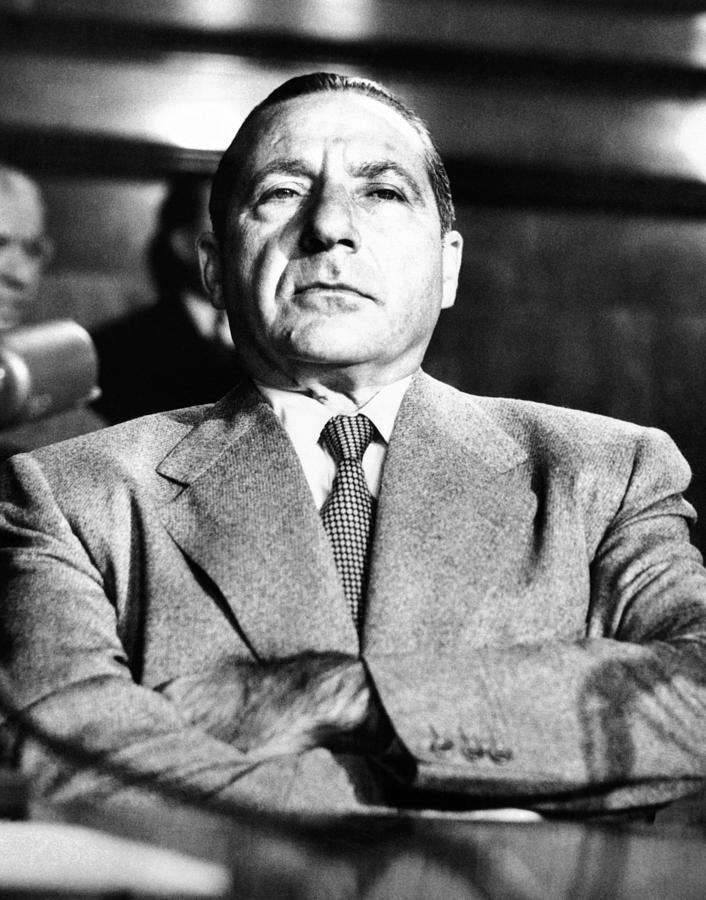
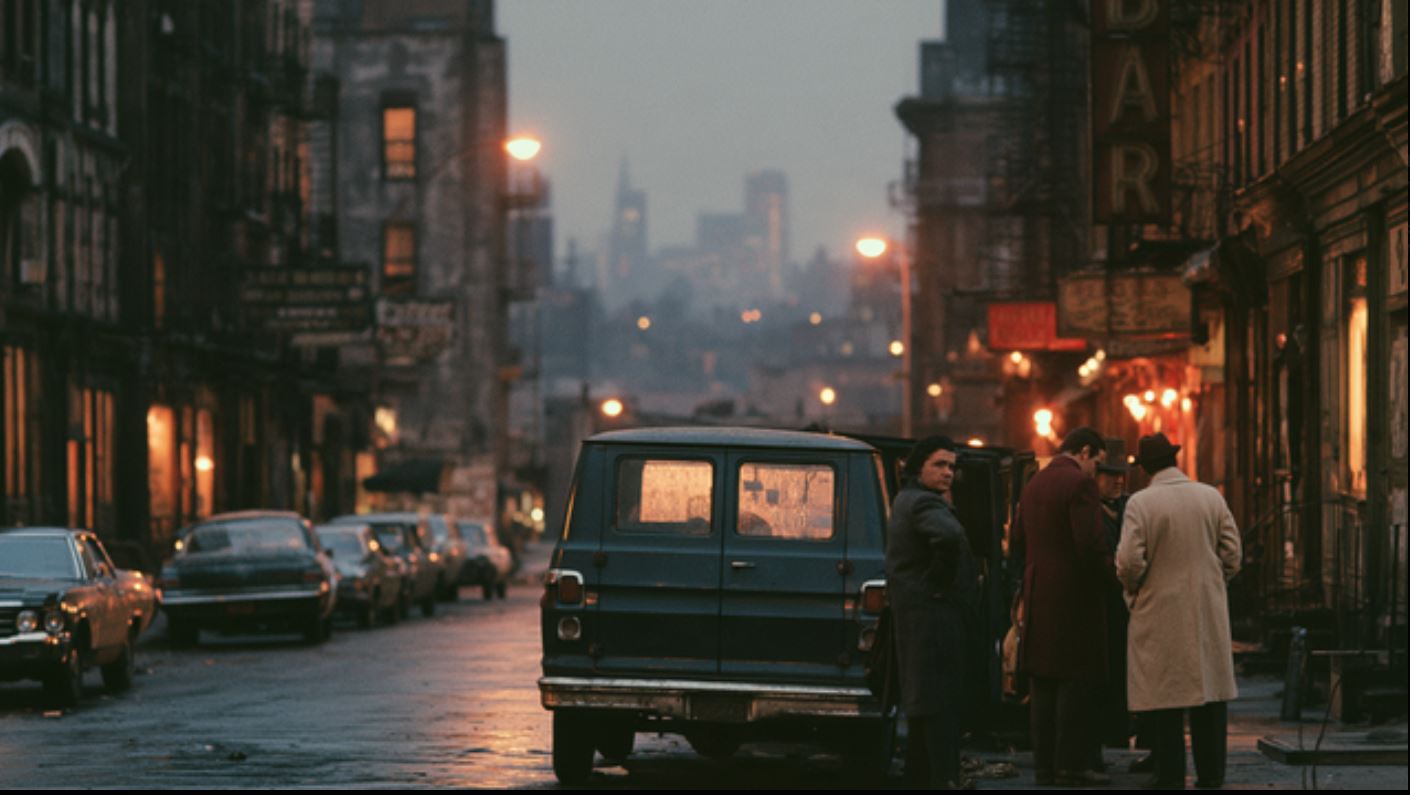
New York in the early twentieth century was a city built on appetite. Men wanted liquor, gambling, sex, protection, influence, and shortcuts. Politicians wanted votes. Cops wanted envelopes. Street gangs wanted territory. Into that violent marketplace stepped a thin Sicilian immigrant with cold eyes, expensive suits, and a mind built less for chaos than for structure.
Charles “Lucky” Luciano did not invent organized crime in America. He industrialized it.
By the time his reign reached its peak, Luciano had transformed the Mafia from a loose network of feuding immigrant gangs into a national criminal system with rules, diplomacy, corporate efficiency, and staggering profits. He preferred negotiation over bloodshed when possible, but he never mistook civility for weakness. Underneath the polished image lived a man perfectly comfortable with betrayal, murder, and terror when business required it.
His story is not simply about gangsters. It is about America itself during Prohibition, political corruption, immigration, capitalism, and violence wrapped together under neon lights and cigar smoke.
From Sicily to the Lower East Side
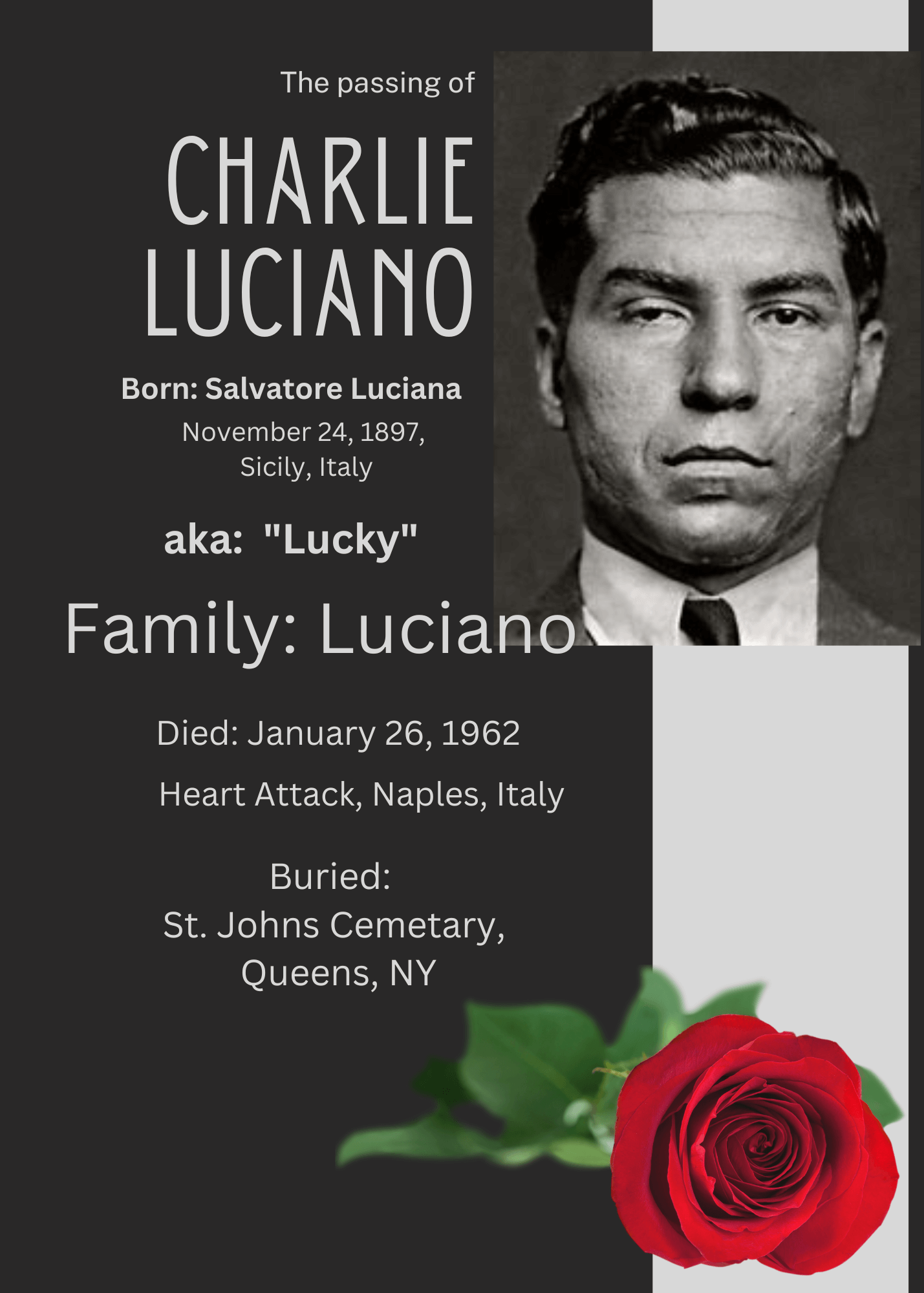
Luciano was born Salvatore Lucania in Sicily in 1897. His family immigrated to New York when he was still a child, settling in the brutal immigrant maze of Manhattan’s Lower East Side. The neighborhood was crowded with poverty, ethnic tension, and street gangs. Respect came from force or money, and Luciano learned early that fear could be converted into profit.
As a teenager, he formed protection rackets against Jewish kids in the neighborhood, demanding pennies for “security.” One of the boys he approached was a sharp, ambitious Jewish teenager named Meyer Lansky. Instead of paying, Lansky fought back. Luciano admired the nerve. The two became lifelong allies.
That partnership mattered. Old-world Mafia bosses often distrusted outsiders, but Luciano saw organized crime differently. Ethnicity was useful, but profit mattered more. He built alliances with Jewish gangsters like Lansky and Benjamin “Bugsy” Siegel because they were intelligent, disciplined, and useful. Luciano understood something many traditional bosses did not: American crime was becoming bigger than Sicilian tribal loyalty.
Prohibition and the Rise of Power
The passage of Prohibition in 1920 turned criminal opportunists into millionaires almost overnight. Illegal alcohol flooded New York through docks, warehouses, speakeasies, and bribed officials. Luciano rose rapidly within the organization of powerful Mafia boss Giuseppe “Joe the Boss” Masseria, one of the dominant figures in New York’s underworld.
The city became a battlefield. Rival gangs fought over bootlegging routes and political influence. Bodies appeared in alleys, restaurants, and parked cars. Luciano thrived in the violence but also grew tired of its inefficiency. Endless gang wars interrupted profits. Traditional Mafia leadership operated like medieval kingdoms while Luciano thought more like a businessman.
He dressed elegantly, socialized outside Italian circles, and cultivated political connections. He also survived experiences that added to his growing legend. In 1929, Luciano was kidnapped, beaten, and stabbed by unknown attackers. He survived, though his face remained scarred and partially paralyzed afterward. The press increasingly referred to him as “Lucky” Luciano.
Whether the nickname came from surviving the attack, surviving gambling wins, or surviving the streets hardly mattered. The myth stuck.
The Castellammarese War
By 1930, New York’s Mafia entered one of its bloodiest conflicts: the Castellammarese War. The struggle pitted Masseria against rival boss Salvatore Maranzano. Gunmen died regularly. Alliances shifted overnight. Luciano watched older leaders cling to traditions while younger gangsters grew restless.
He decided the old system had become bad for business.
In 1931, Luciano orchestrated Masseria’s assassination. The killing became legendary. Luciano supposedly excused himself from lunch at a Coney Island restaurant, and gunmen entered moments later to execute Masseria at the table. Months afterward, Luciano helped arrange Maranzano’s murder as well.
With both old bosses gone, Luciano reshaped the American Mafia entirely.
Instead of crowning himself “boss of bosses,” he created a governing body known as The Commission. Major crime families would settle disputes collectively, dividing territory and avoiding unnecessary wars that attracted police attention. It was essentially a board of directors for organized crime.
The structure endured for decades. Luciano’s genius was not brutality alone. Many gangsters were brutal. His genius was administration.
The Luciano Empire
Under Luciano, organized crime expanded into gambling, labor racketeering, narcotics, prostitution, loan-sharking, and political corruption on an unprecedented scale. He delegated responsibility efficiently and encouraged cooperation between criminal groups nationwide.
He also modernized criminal culture. Luciano preferred disciplined earners over unstable killers. He embraced accountants, lawyers, businessmen, and political fixers. Violence remained essential, but it became more strategic.
The image mattered too.
Luciano moved through Manhattan nightclubs with movie stars, socialites, and politicians. He projected sophistication rather than the crude image associated with old-world gangsters. America during the Depression admired wealth even when it came soaked in blood.
But the same visibility that elevated Luciano also made him vulnerable.
Thomas Dewey Comes Hunting
Ambitious prosecutor Thomas E. Dewey recognized that traditional murder prosecutions rarely succeeded against Mafia bosses. Witnesses vanished. Jurors were intimidated. Paper trails disappeared. Instead, Dewey targeted Luciano’s prostitution empire.
In 1936, Luciano was convicted on compulsory prostitution charges after a sensational investigation involving brothels, corrupt police officers, and frightened witnesses. He received a sentence of 30 to 50 years. Luciano insisted he was being punished less for prostitution than for being powerful. He may have been right.
Even from prison, Luciano retained influence. During World War II, U.S. intelligence officials allegedly worked with Mafia figures, including Luciano associates, to secure New York docks against sabotage and assist Allied operations in Sicily. The relationship between organized crime and government proved far murkier than public officials preferred admitting.
Exile and Decline
In 1946, Luciano’s sentence was commuted on the condition that he be deported to Italy.
He left America bitterly.
For a man who had helped shape the American underworld, exile felt like slow suffocation. Luciano settled in Naples but continued maintaining criminal contacts internationally. Authorities suspected him of involvement in global narcotics trafficking, though proving it remained difficult.
He attempted to regain influence through meetings in Cuba during the late 1940s, alarming American authorities. Pressure from the United States eventually forced the Cuban government to expel him. The empire he built survived without him.
That may have been Luciano’s greatest triumph and greatest curse. He had designed organized crime to function like a corporation rather than a kingdom dependent on one man. Even removed from America, the machine kept running.
Death of a Legend
Luciano died in Naples in 1962 after suffering a heart attack at an airport. According to legend, he had gone there to meet a film producer interested in making a movie about his life.
Even at the end, Luciano understood mythology.
His body was eventually returned to New York and buried in Queens. By then, he had become more than a gangster. He was a symbol of twentieth-century organized crime itself—ruthless, intelligent, adaptable, and inseparable from the corruption woven through American politics and business. The Mafia existed before Lucky Luciano. But after Luciano, it became national, structured, corporate, and frighteningly efficient.
He did not merely survive the underworld. He redesigned it.
Buried at:
| St. Johns Cemetery (Queens, NY) |