Abner “Longie” Zwillman: The Phantom Boss of New Jersey
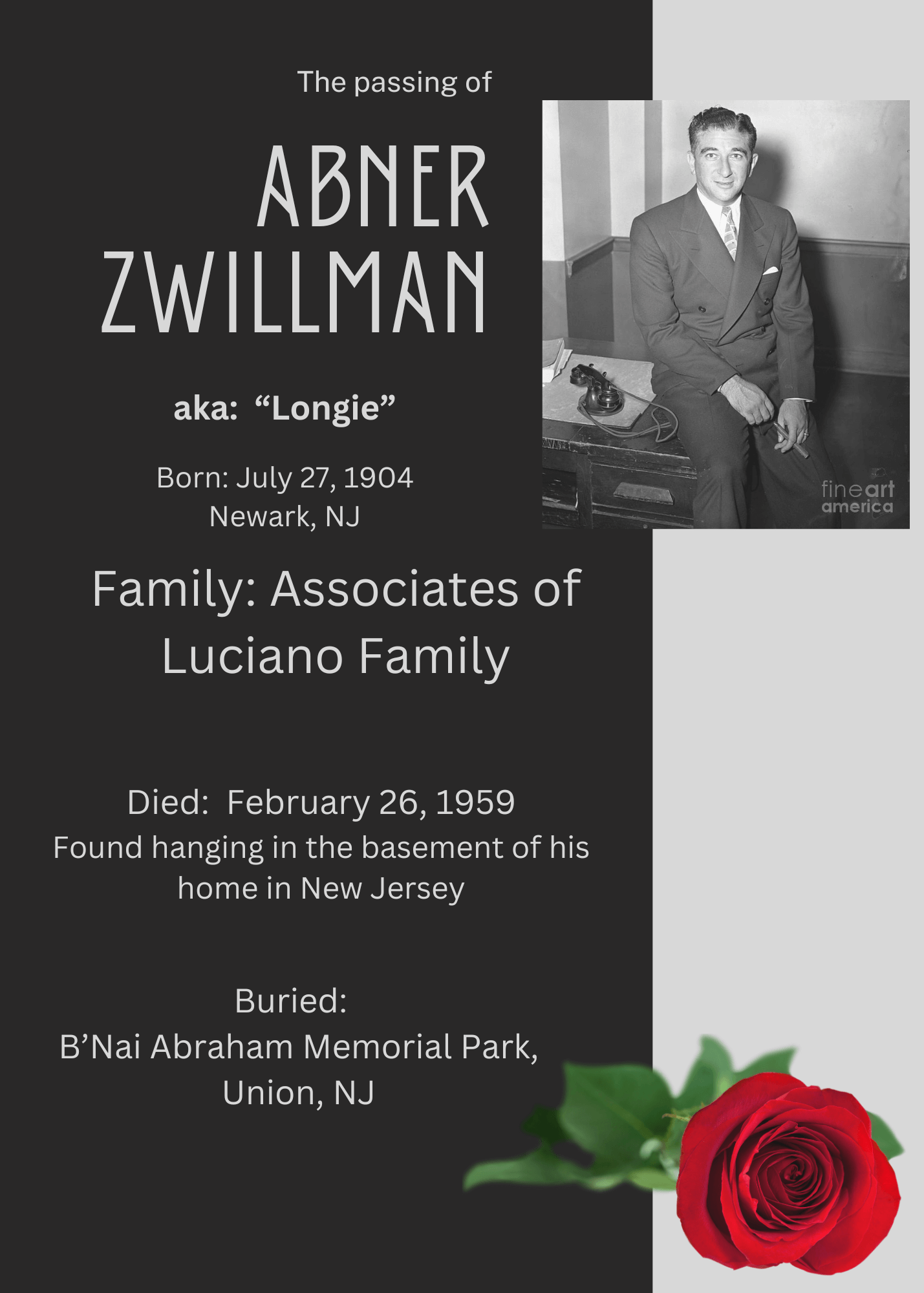
Abner “Longie” Zwillman did not fit the Hollywood image of a gangster. He was not loud like Al Capone. Not theatrical like John Gotti. And not openly terrifying like the killers of Murder, Inc.
Instead, Zwillman cultivated the appearance of a successful businessman—calm, polished, politically connected, and respectable enough to move comfortably through restaurants, racetracks, business offices, and charity events without attracting immediate suspicion.
That image concealed one of the most powerful organized crime figures in American history.
For decades, Zwillman controlled gambling, bootlegging, labor influence, narcotics trafficking, political corruption, and criminal distribution networks stretching across New Jersey and beyond. Federal investigators considered him extraordinarily intelligent and financially sophisticated, a mobster who understood that real power worked best invisibly.
He was not merely a gangster. He was infrastructure.
And by the time the government fully understood how much influence he possessed, Longie Zwillman had already spent years operating comfortably behind the curtain.
Newark’s Streets and Early Crime
Abner Zwillman was born in Newark, New Jersey, in 1904 to Jewish immigrant parents.
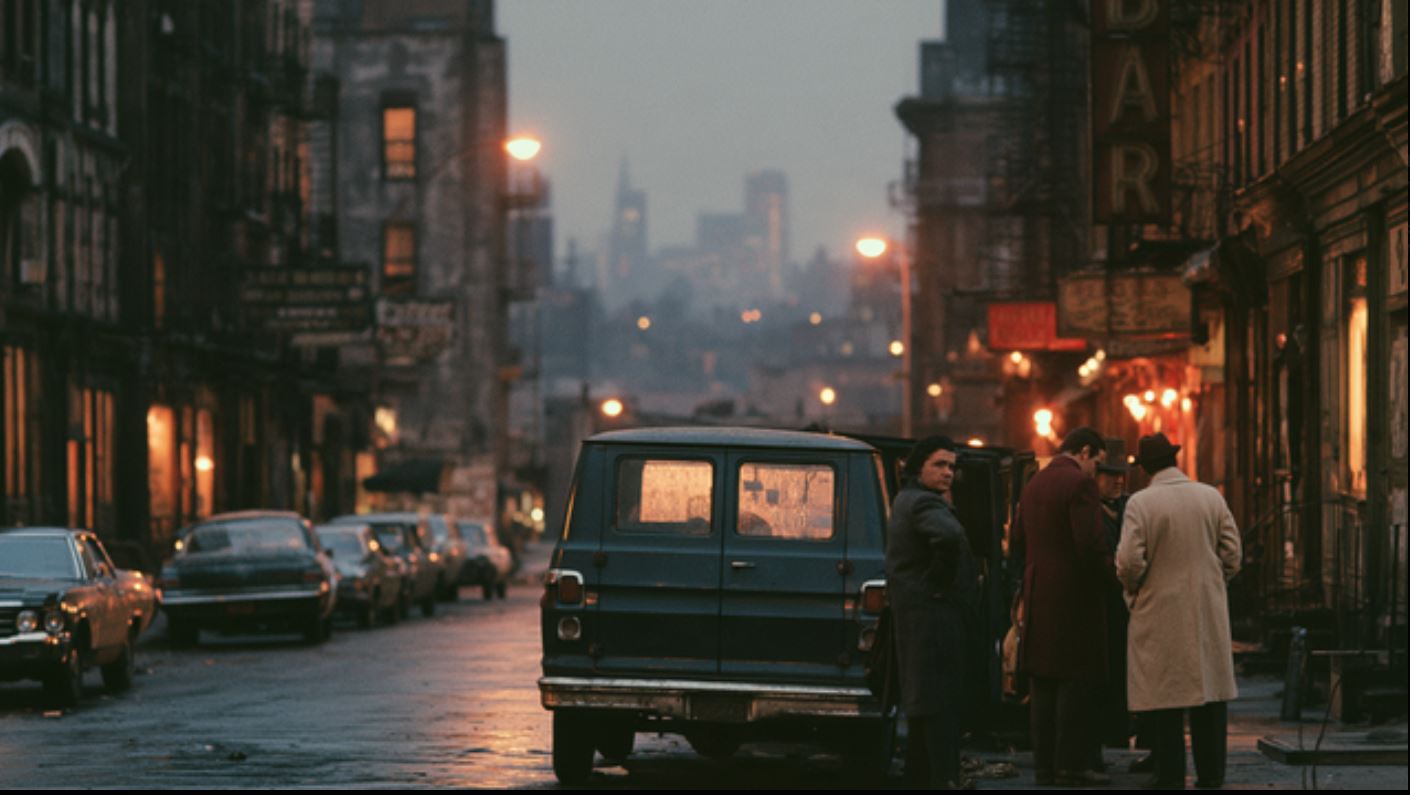
Newark during the early twentieth century resembled many industrial northeastern cities—crowded, politically corrupt, ethnically divided, and economically volatile. Organized crime flourished naturally in that environment through gambling operations, labor racketeering, protection schemes, theft rings, and black-market commerce.
Zwillman entered criminal life young.
As a teenager, he reportedly worked in small-scale bootlegging and stolen goods operations before quickly recognizing something important: Distribution mattered more than street violence. That realization made him rich.
Prohibition and Opportunity
When Prohibition began in 1920, organized crime exploded financially across America.
Illegal liquor transformed ambitious gangsters into millionaires almost overnight. Cities needed supply chains, warehouses, transportation routes, political protection, and enforcement systems capable of moving enormous quantities of alcohol beneath federal scrutiny.
Zwillman excelled at logistics.
Rather than becoming known primarily as a gunman, he focused on smuggling, distribution networks, and political relationships throughout New Jersey. He reportedly built extensive bootlegging operations tied to Canadian whiskey imports and regional supply systems feeding speakeasies and criminal organizations throughout the Northeast.
The profits became staggering. And unlike many reckless gangsters, Zwillman invested intelligently.
The Mobster as Businessman
Zwillman understood organized crime differently than many contemporaries. Violence remained necessary. But violence also attracted attention. Attention endangered money.
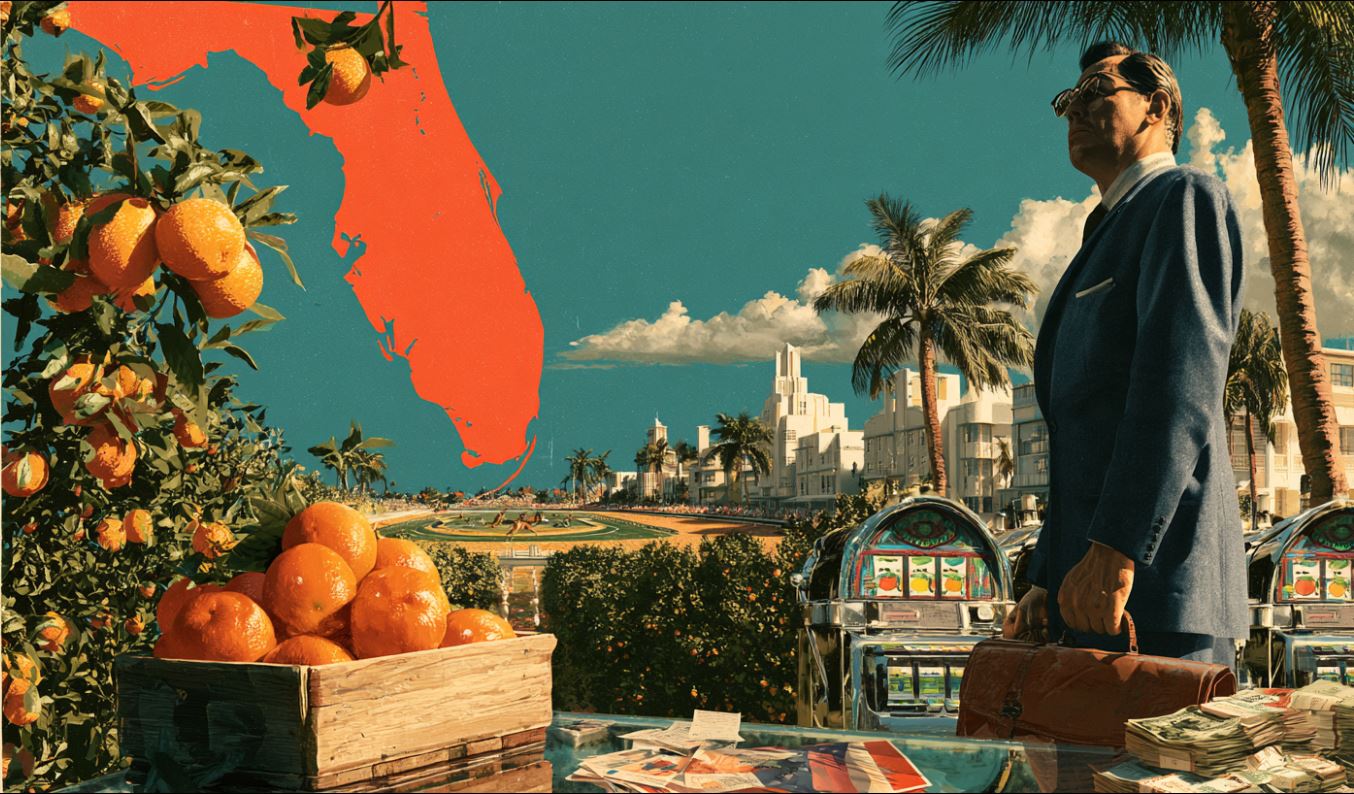
So Zwillman emphasized financial sophistication, political corruption, and legitimate business infiltration alongside criminal operations. He cultivated relationships with politicians, judges, labor figures, entertainers, and businessmen while laundering criminal profits through legal enterprises.
He looked respectable enough to blend in. That was intentional.
Federal authorities increasingly suspected he controlled enormous criminal interests throughout New Jersey, yet proving direct involvement remained difficult because Zwillman insulated himself carefully behind intermediaries and business structures.
He preferred signatures over shootouts.
The New Jersey Boss
Though not formally a Mafia boss in the traditional Sicilian sense, Zwillman became one of the dominant organized crime powers in New Jersey during the 1930s and 1940s.
He reportedly maintained relationships with national underworld figures including Meyer Lansky, Lucky Luciano, and various syndicate leaders tied to gambling and bootlegging operations.
Zwillman represented the increasingly cooperative nature of organized crime during that era. Ethnic boundaries mattered less than profits.
Jewish, Italian, Irish, and other criminal organizations collaborated frequently through national gambling operations, labor corruption, narcotics distribution, and financial arrangements. Zwillman became one of the most respected non-Italian underworld figures in America because he understood organization better than ego.
Hollywood, Politics, and Influence
Like many powerful gangsters of his era, Zwillman developed connections extending far beyond street crime.
He reportedly maintained relationships within entertainment circles, political networks, horse racing operations, and legitimate business communities. Rumors and investigations connected him to influence over unions, bookmakers, nightclub operations, and commercial enterprises throughout New Jersey and New York.
The line between criminal and legitimate society blurred constantly around men like Zwillman. That was the point.
Organized crime succeeded partly because it embedded itself into ordinary economic systems rather than existing entirely outside them. Zwillman mastered that strategy.
The Federal Government Notices
Eventually, federal attention intensified.
The government increasingly recognized that organized crime functioned less like isolated gangs and more like integrated economic systems tied to corruption, labor influence, and interstate criminal operations.
Zwillman became a major target for investigators and congressional committees examining organized crime nationwide. Especially after World War II.
His name surfaced repeatedly during hearings involving gambling, political corruption, and syndicate activity. Authorities viewed him as one of the most powerful underworld financiers operating outside traditional Mafia leadership structures.
Yet prosecutions remained frustratingly difficult. Zwillman rarely exposed himself directly.
The Kefauver Hearings
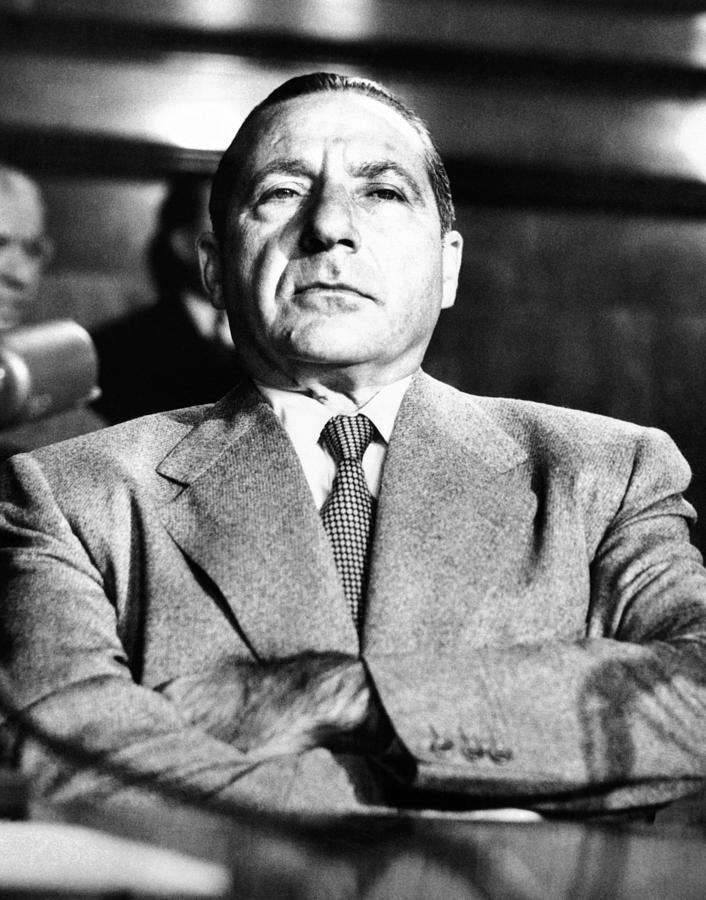
The famous Kefauver Hearings during the early 1950s placed enormous pressure on organized crime figures nationwide.
Televised hearings exposed criminal syndicates publicly while politicians sought to demonstrate aggressive action against corruption and racketeering. Zwillman appeared before investigators and repeatedly denied criminal involvement. But the pressure mounted steadily.
The old underworld systems built during Prohibition were becoming increasingly vulnerable to federal scrutiny, informants, tax investigations, and media exposure.
Men like Zwillman—once nearly untouchable—began feeling the walls closing in.
A Death Wrapped in Questions
In 1959, Abner Zwillman was found dead at his New Jersey home. Officially, authorities ruled the death a suicide by hanging.
Not everyone believed it.
Rumors spread immediately throughout organized crime and law enforcement circles suggesting possible murder or forced suicide connected to underworld disputes or mounting federal pressure.
The timing fueled speculation. So did Zwillman’s immense knowledge of organized crime operations and political corruption. Like many powerful gangsters, he left behind unanswered questions.
And organized crime history specializes in unanswered questions.
The Invisible Empire
Zwillman remains less famous than Capone or Luciano partly because he avoided public spectacle intentionally. But historians increasingly recognize him as one of the most financially sophisticated organized crime figures of his generation.
He helped transform criminal enterprises from street-level gang activity into integrated business systems connected to politics, entertainment, unions, transportation, and legitimate commerce.
He represented organized crime at its quietest and perhaps most effective.
The Legacy of Abner “Longie” Zwillman
Abner Zwillman embodied the evolution of organized crime from violence into influence.
Unlike flamboyant gangsters chasing celebrity, Zwillman understood that the most powerful criminals often look ordinary from a distance. They wear tailored suits, attend public events, donate to charities, and speak calmly while hidden systems move beneath them.
He was less gangster than executive. Less street killer than criminal strategist. And that may be more unsettling.
Because men like Zwillman reveal how organized crime survives not merely through fear, but through integration into the normal structures of business and politics.
In noir terms, Longie Zwillman was the quiet man shaking hands at the charity dinner while half the city’s gambling money, liquor routes, and political favors moved invisibly through the shadows behind his smile.
Buried at:
B’Nai Abraham Memorial Park (Union, NJ)
|