Chicago in the late 1930s was a city of gun smoke, speakeasies, and political backroom deals. Bootleg liquor still flowed faster than justice, and racketeers rubbed elbows with politicians who grovelled for their payoffs. But beneath the flash and roar of the underworld, a secret war was being waged — not over turf or gambling rackets, but for the very soul of America.
On one side: the German American Bund, pro-Nazi operatives marching with swastikas through Chicago neighborhoods. On the other: a coalition of mobsters, Jewish street fighters, and boxing champions, secretly coordinated by Chicago’s underworld, taking brutal action to protect their communities.
Chicago’s Streets in Turmoil: Nazi Bunds vs. the Mob
By 1936, Fritz Kuhn’s Bund had established chapters in Chicago, organizing rallies and parades that fused American flags with swastikas in a grotesque parody of patriotism. Thousands attended these events, seemingly unopposed by law enforcement, which often looked the other way due to corruption or political influence.
But Chicago’s neighborhoods were not passive. Italian and Jewish communities recognized the threat and quietly supported an unusual defense: mob-enforced street justice.
“They thought America would let them march in their swastika suits. We made sure they knew Chicago wasn’t Germany,” one anonymous mob fighter later recalled.
Jake “Greasy Thumb” Guzik: The Mafia Fixer Who Fought Nazis
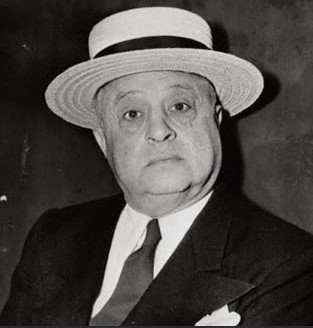
Jake “Greasy Thumb” Guzik was not your typical gangster. Polish-Jewish and deeply embedded in the Chicago Outfit, Guzik managed ledgers, political payoffs, and — unexpectedly — anti-Nazi operations. Though he carried no gun, his influence was lethal.
According to crime historians, as Bund activity increased, Judge Nathan D. Perlman brokered an informal pact with mob figures to “punch Nazis” where authorities couldn’t. Guzik quickly mobilized local fighters and boxers, turning his city’s underworld into a clandestine anti-fascist army.
“You want to talk about patriotism? You want to talk about loyalty? Then let’s take a swing at these fascist punks before they bring their hate to our streets,” Guzik reportedly said to his men.
Boxers and Bruisers: How Street Fighters Took on Fascists
Among the fighters was Barney Ross, a world-class boxer and Jewish-American hero. Ross and his crew would attend Bund meetings in disguise, ready to respond with fists, clubs, or whatever else it took.
“I’d fought in the ring for money, but that night, I fought for my family and my people. Swastikas on the streets don’t belong here,” Ross said.
Incidents ranged from smashing rallies to ambushing Bund leaders outside halls, often leaving them bruised and humiliated. Herb Brin, a journalist and Bund infiltrator, provided intelligence by night, coordinating with mob figures to ensure each raid hit its target.
“We were reporters by day and bait by night. I’d hand the mob the addresses, and they’d hand the Nazis a beating. It wasn’t legal, but it worked,” Brin recalled.
Jewish and Italian Neighborhoods: Ground Zero of Mob Justice
South Side Italian enclaves and North Side Jewish neighborhoods were the crucible of this conflict. Taverns, boxing gyms, and synagogues became fortresses of resistance, supplying fighters, safe houses, and moral support.
“When the mob went after them, it wasn’t about politics. It was personal. They were coming for our people, and the mob wasn’t going to wait for the cops,” a resident said.
The street war wasn’t just about brute force; it was a battle to protect communities from intimidation and violence by an ideology that many in America were still willing to ignore.
Isolationism vs. Vigilante Violence: When Law Enforcement Looked Away
Many Americans in the Midwest were staunchly isolationist, warning against entanglement in foreign conflicts. The Bund wrapped itself in patriotic rhetoric, arguing that it was defending German-American heritage. But mob-enforced street justice highlighted a stark contrast: while mainstream society debated free speech and policy, Chicago’s underworld took matters into its own hands.
“The police couldn’t be counted on. The courts moved too slow. Sometimes the only way to fight hate is with your own two fists,” said one mob participant.
The Fall of the Bund: Brutal Street Justice Takes Its Toll
By the time America entered World War II, the German American Bund’s rallies had emptied. Internal fractures, federal scrutiny, and relentless street-level attacks from the mob rendered them impotent. Many Bund leaders were investigated, arrested, or deported.
The Chicago mob’s contribution, though unsanctioned, was a critical factor in their decline. The stories of beatings, raids, and intimidation rarely reached newspapers, but word traveled fast in the neighborhoods.
Legacy of the Chicago Mob’s Anti-Nazi Campaign
No medals were awarded. No monuments were built. But in boxing gyms and bars, stories persisted of nights when gangsters set aside crime to confront fascism head-on. Chicago’s underworld, notorious for its lawlessness, had delivered a brutal form of patriotism, protecting communities when law enforcement and politicians hesitated.
“Sometimes, the only way to fight hate is with your own fists,” summed up one survivor of the street battles.
Sidebar: Primary Characters
| Name | Role | Contribution to Anti-Nazi Campaign |
| Jake “Greasy Thumb” Guzik | Chicago Outfit Consigliere | Organized fighters, coordinated intelligence, leveraged political connections. |
| Herb Brin | Journalist & Infiltrator | Provided addresses and schedules of Nazi meetings to mob fighters. |
| Barney Ross | Boxer & Street Fighter | Led confrontations at rallies; symbol of street-level resistance. |
| Meyer Lansky (NY influence) | Jewish Mob Figure | Helped coordinate anti-Nazi mob activity between New York and Chicago. |
| Fritz Kuhn | German American Bund Leader | Primary target of mob attacks; orchestrated Bund rallies. |
| Local Italian & Jewish Communities | Civilians & Neighborhood Support | Supplied safe houses, manpower, and moral support to fighters. |
References
- Michael Benson, Gangsters vs. Nazis: How Jewish Mobsters Battled Nazis in Wartime America. (dailykos.com)
- Times of Israel reporting on Jewish mob and Nazi street fights. (timesofisrael.com)
- Tablet Magazine coverage of Herb Brin and Chicago clashes. (tabletmag.com)
- U.S. Holocaust Memorial Museum, German American Bund history. (encyclopedia.ushmm.org)
- Wikipedia, Jake Guzik and Chicago Outfit profiles. (en.wikipedia.org)
- PBS/WTTW insights on Bund rallies in Chicago. (wttw.com)