Power doesn’t always steal money.
Sometimes, it steals attention.
And like any good theft, the cleanest ones happen in broad daylight, with everyone watching something else.
The mafia understood this long before governments did. You don’t rob the vault while the room is quiet. You start a fight on the casino floor. You flip a table. You let the noise do the work. By the time security arrives, the skim is already gone—washed, folded, untraceable.
In modern America, attention is the skim. And the house always wins.
Act I: A Scandal Brewing Quietly
Scandals rarely arrive screaming. They creep in sideways—court filings, sealed documents, half-released transcripts, inconvenient names resurfacing after years of polite silence. They bubble under the surface of the news cycle, uncomfortable but not yet unavoidable.
This is the danger zone for power.
History shows that when institutions feel truly threatened, they don’t respond with transparency. They respond with volume. The mafia never denied a bad story by addressing it head-on. They buried it under louder ones—labor strikes, gang wars, courtroom theatrics. If you controlled the noise, you controlled the truth.
Today’s version looks cleaner, more respectable. But the mechanics are the same.
A politically toxic narrative begins to gain traction. Media outlets hesitate. Editors weigh risk. Allies grow nervous. Questions start multiplying faster than answers.
That’s when the clock starts ticking.
Because scandals don’t need to be disproven to be neutralized. They just need to be forgotten.
Act II: A Sudden “Urgent” Threat Dominates the News
Then—almost on cue—comes the interruption.
A breaking crisis.
A national emergency.
A foreign threat framed as immediate, unavoidable, and patriotic.
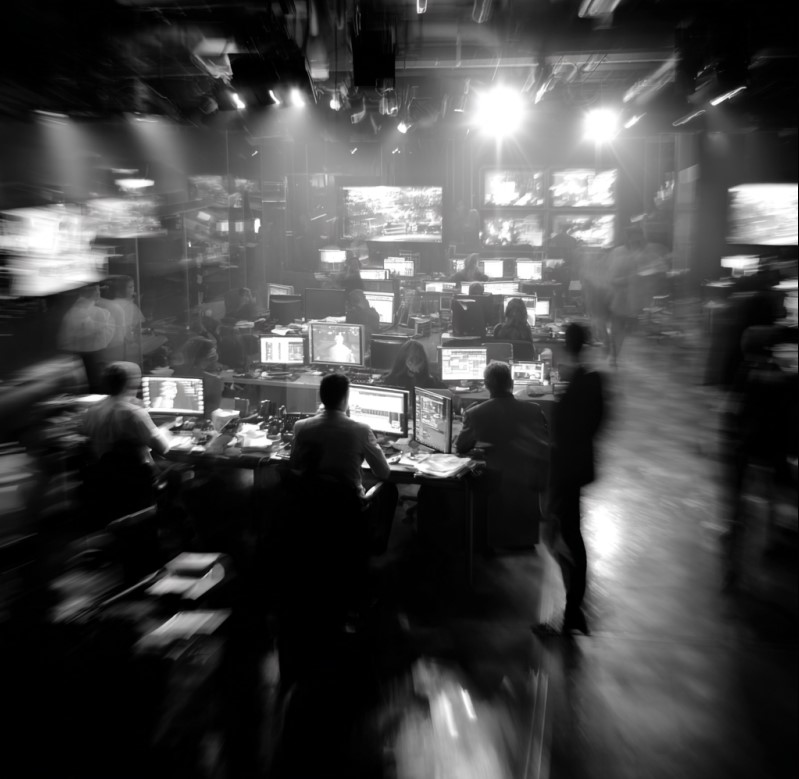
The story shifts overnight. Headlines rearrange themselves. Cable news graphics turn red. Talking heads repeat the same urgent language until it feels irresponsible to talk about anything else.
This isn’t coincidence. It’s choreography.
In mafia terms, this is the distraction crew doing its job. While everyone’s eyes are on the spectacle, something else is being quietly escorted out the back door.
You’ve seen this play before:
- A scandal reaches critical mass
- A crisis narrative erupts
- Moral complexity collapses into slogans
- Dissent is reframed as disloyalty
In Wag the Dog, the war is fictional. In real life, the narrative framing is the fiction. The danger doesn’t have to be invented—it just has to be amplified, simplified, and emotionally charged enough to dominate oxygen.
Foreign policy makes the perfect stage. It always has.
The mafia loved external enemies. So did politicians. When things got hot at home, you pointed outward. The enemy was always somewhere else—another family, another neighborhood, another country. Fear is the oldest laundering agent on record.
And once fear takes over, attention flows exactly where it’s told.
Act III: Silence, Amnesia, and Unanswered Questions
Then comes the quiet part.
The crisis cools. The headlines move on. The urgency fades into background noise. No parade, no victory lap—just a gradual return to normal programming.
But something is missing.
The scandal that once felt inevitable is now oddly irrelevant. Follow-up questions go unanswered. Coverage thins out. The public, exhausted from emotional whiplash, shrugs and scrolls.
This is strategic amnesia.
The mafia counted on it. Witnesses forgot. Jurors got tired. Stories lost momentum. By the time anyone tried to reconstruct what happened, the paper trail was cold and the players were gone.
Modern institutions don’t need to erase facts. They just wait for the public to stop caring.
And most of the time, it works.
Because attention, once diverted, rarely returns to the same place with the same intensity. The outrage window closes. The curiosity expires. The truth—whatever it may have been—gets laundered into obscurity.
Not disproven.
Not resolved.
Just buried.
The Mafia Parallel: The Casino Skim
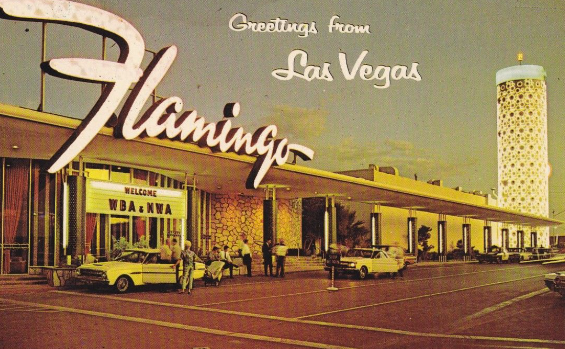
In a mob-run casino, the skim wasn’t stolen from the vault. It was taken before the money was even counted. A little off the top. Every day. Invisible unless you knew exactly where to look.
Public attention works the same way.
By the time anyone realizes something’s missing, the damage is already done. The narrative has moved on. The moment has passed. The receipts don’t matter anymore.
The genius of the skim wasn’t greed—it was timing. Take it early, take it quietly, and leave just enough behind that no one panics.
Governments didn’t invent this tactic. They inherited it. Perfected it. Sanitized it.
The only thing that changed was the scale.
Why This Keeps Working
The most dangerous myth in modern politics is that distraction requires deception. It doesn’t. It only requires priority manipulation.
People can only focus on so much. When every moment feels urgent, nothing is examined deeply. When crises overlap, accountability dissolves.
The mafia knew that chaos favors the organized. So do power structures.
And the public? The public is left chasing yesterday’s headlines, wondering why nothing ever seems to get resolved.
Final Thought
The question isn’t whether scandals exist.
The question is which ones are allowed to finish their sentence.
In a world where attention is currency, the real crime isn’t corruption—it’s redirection. And the cleanest heists don’t look like robberies at all.
They look like patriotism.
They sound like urgency.
And they end in silence.
By the time anyone notices what’s missing, the house lights are back on—and the truth is already gone.
** EPSTEIN FILES **
References & Further Reading
- Wag the Dog (1997), directed by Barry Levinson
- U.S. Senate Select Committee on Intelligence, historical reports on media influence
- Noam Chomsky & Edward S. Herman, Manufacturing Consent
- Seymour M. Hersh, investigative reporting archives
- Selwyn Raab, Five Families: The Rise, Decline, and Resurgence of America’s Most Powerful Mafia Empires
- Neil Postman, Amusing Ourselves to Death
- Walter Lippmann, Public Opinion