It sounds like a Hollywood thriller: the CIA hires the Mafia to kill a foreign leader. Except it happened. The mission was real. The plot was dirty. And the target was Fidel Castro.
A Deal with the Devil
In the early 1960s, panic and paranoia were woven into the fabric of U.S. foreign policy. The Cold War was at its boiling point, and a bearded revolutionary named Fidel Castro had just overthrown a U.S.-backed dictator in Cuba, aligned with the Soviet Union, and seized American businesses on the island. Worse still—he was charismatic, cunning, and just 90 miles off the coast of Florida.
Washington wanted him dead.
But the CIA didn’t want to get its own hands dirty.
So, in a decision that reeked of desperation and arrogance, they turned to the one group that knew how to make people disappear: the Mafia.
The United States government—staunch opponent of organized crime, the supposed defender of liberty—cut a secret deal with mobsters to carry out an international assassination.
And they nearly pulled it off.
Enter the Underworld: The CIA Makes Contact
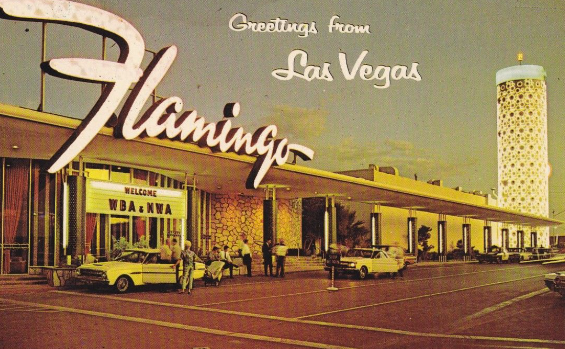
The CIA’s Office of Security and its covert operations wing began exploring options to kill Castro as early as 1960, during the Eisenhower administration. That’s when Robert Maheu, a former FBI agent turned CIA contractor, was sent to Las Vegas with a strange mission: to contact Johnny Roselli, a smooth-talking mobster who was the Chicago Outfit’s man in Hollywood and Vegas.
Maheu didn’t tell Roselli he was working for the CIA. Instead, he said he was representing international corporations whose Cuban assets had been confiscated by Castro. He offered $150,000 for the “removal” of the Cuban leader.
Roselli didn’t blink. But he said he needed to bring in two others.
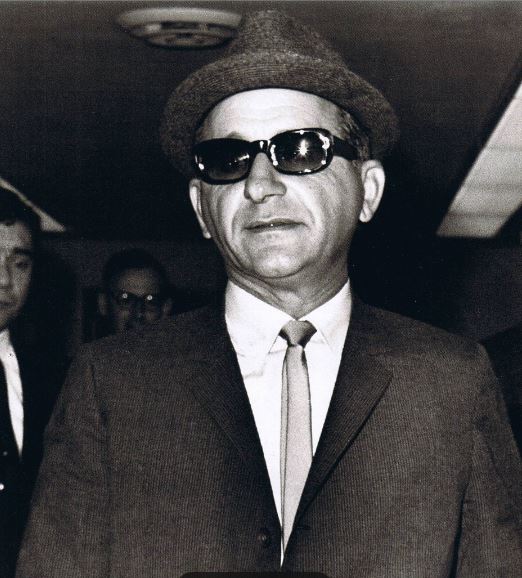
Sam Giancana, boss of the Chicago Outfit. And Santo Trafficante Jr., the powerful Florida mobster who had deep ties in Havana before the revolution—and a personal grudge against Castro.
The CIA agreed. The plan was now in motion.
The Poison Playbook
From 1960 to 1963, the CIA and the Mafia collaborated on multiple plots to kill Fidel Castro, most of which sounded like rejected Bond scripts:
- Poisoned cigars: Toxins were designed to make Castro drop dead mid-speech.
- Exploding seashells: Planted near his favorite scuba diving spots.
- A toxic diving suit: Laced with tuberculosis bacteria and fungus spores.
- Sniper attacks: Using mob-linked assassins stationed in Havana.
The most serious attempt involved cyanide pills and poisoned capsules delivered to Cuban operatives by Trafficante’s men. One plan nearly went forward when a waiter at the Habana Libre Hotel was recruited to slip pills into Castro’s drink. But the operation unraveled. The capsules melted, the would-be assassin got cold feet, or the handlers disappeared.
None of it worked.
Meanwhile, the CIA kept feeding more money and more resources into the operation, hoping that one of the “assets” would finally deliver the kill shot.
Why the Mob Agreed: Business Before Patriotism
To understand why the Mafia signed on, look no further than Havana before the revolution.
In the 1950s, Meyer Lansky, Santo Trafficante Jr., and other mobsters had transformed Havana into a glittering playground of casinos, brothels, and drug hubs. With Batista’s blessing, they controlled the Cuban underworld and raked in millions from American tourists and local vice.
Then came Fidel.
He shut it all down. Nationalized the casinos. Kicked out the mob. Jailed or executed local fixers.
The Mafia wanted back in. So when the CIA came knocking, it wasn’t patriotism that motivated them—it was profit and revenge. Killing Castro was their ticket to retake Cuba’s golden goose.
The CIA, blinded by anti-communist fervor, didn’t care. They just wanted Castro gone—by any means necessary.
JFK, RFK, and the Ghost in the White House
What makes the CIA-Mafia plot even more twisted is that while President John F. Kennedy was publicly declaring war on organized crime—and his brother, Attorney General Robert F. Kennedy, was leading an aggressive anti-Mafia crusade—their own intelligence agency was in bed with the very gangsters they were trying to destroy.
Giancana, in particular, saw the irony. He was being tailed by federal agents during the day, and plotting assassinations with government spies at night. The hypocrisy wasn’t lost on him—and it only deepened the distrust between the Kennedys and the CIA.
Some conspiracy theorists have argued that this tangled web contributed to JFK’s own assassination. Did the mob or rogue CIA elements retaliate after feeling double-crossed? That debate continues, but what’s undeniable is that the Cuba operation created a network of enemies with no loyalty and endless resentment.
Bay of Pigs and Blowback
In 1961, the CIA’s plan to topple Castro took a broader form: The Bay of Pigs Invasion. Cuban exiles trained by the CIA landed on the island, hoping to spark an uprising. It failed catastrophically.
Castro survived. He became stronger. And he knew who was behind it.
The CIA’s obsession with killing him only intensified. By 1962, the Cuban Missile Crisis brought the world to the brink of nuclear war. Castro, fearing another invasion or assassination, allowed the Soviets to place nuclear weapons on Cuban soil.
The failed assassination plots—chaotic, desperate, criminal—had global consequences.
The Truth Comes Out: The Family Jewels
For decades, the CIA denied any involvement with the Mafia or assassination plots. But in 1975, the U.S. Senate Church Committee began investigating abuses by the intelligence community. What they uncovered was a trove of previously classified documents known as “The Family Jewels”—a collection of the CIA’s darkest, most secret operations.
Among them: detailed records of the CIA’s assassination attempts on Fidel Castro, including contracts with Mafia bosses, payments to hitmen, and poisons supplied by the agency’s technical services division.
One former CIA officer, William Harvey, who headed Task Force W (the anti-Castro division), was described as a “cowboy” who operated with little oversight. He reportedly brought Roselli into the fold and maintained direct links to Mafia figures.
In 2007, more CIA documents were declassified, confirming even more deeply the extent of these criminal alliances. The agency didn’t just tolerate organized crime—they actively partnered with it.
Legacy: A Blueprint for Corruption
The CIA-Mafia plots to kill Castro never succeeded. But they revealed something far more disturbing than failed espionage:
That America’s intelligence agencies were willing to discard morality, legality, and national security to win a proxy war against a small island nation.
They handed poison to murderers. They gave cash to killers. They lied to Congress and the public. And when it all went wrong, they buried the evidence and blamed the fog of war.
What happened in the shadows of Havana set a precedent—one that has echoed in black ops, coups, and regime-change efforts ever since.
The Castro plots weren’t just about killing one man.
They were about killing the soul of a democratic republic—and replacing it with something much darker.
References and Sources:
- Church Committee Report, “Alleged Assassination Plots Involving Foreign Leaders”, U.S. Senate Select Committee on Intelligence, 1975.
- CIA Declassified Files – Family Jewels, 2007. https://www.cia.gov/readingroom/document/cia-rdp90-01208r000100120001-4
- Thomas, Evan. The Very Best Men: Four Who Dared: The Early Years of the CIA. Simon & Schuster, 1995.
- Talbot, David. Brothers: The Hidden History of the Kennedy Years. Simon & Schuster, 2007.
- Kornbluh, Peter (ed.). Bay of Pigs Declassified: The Secret CIA Report on the Invasion of Cuba. New Press, 1998.
- Hersh, Seymour. The Dark Side of Camelot. Little, Brown, 1997.
- PBS Frontline: “Who Was Sam Giancana?” https://www.pbs.org/wgbh/pages/frontline/shows/mob/giancana/cron.html