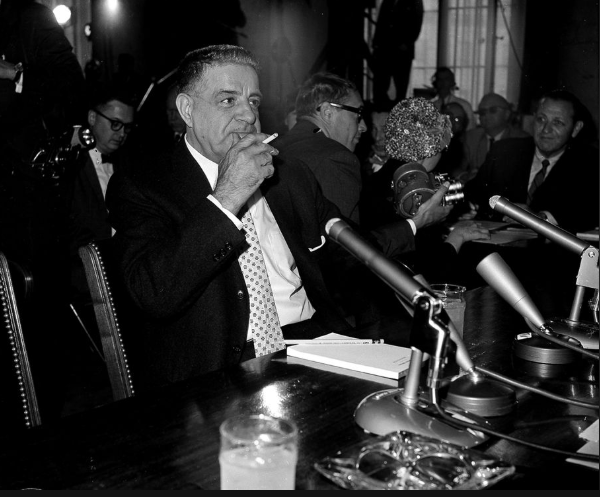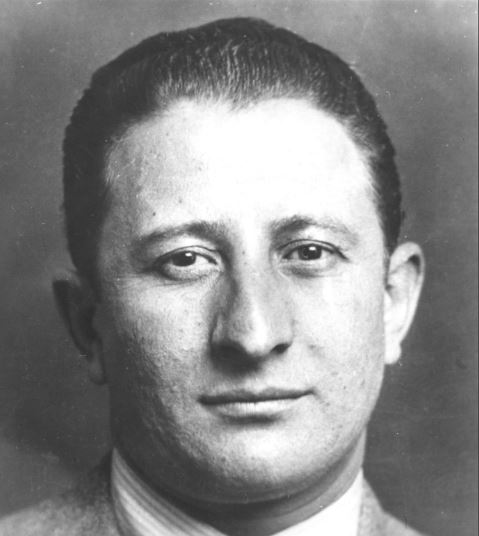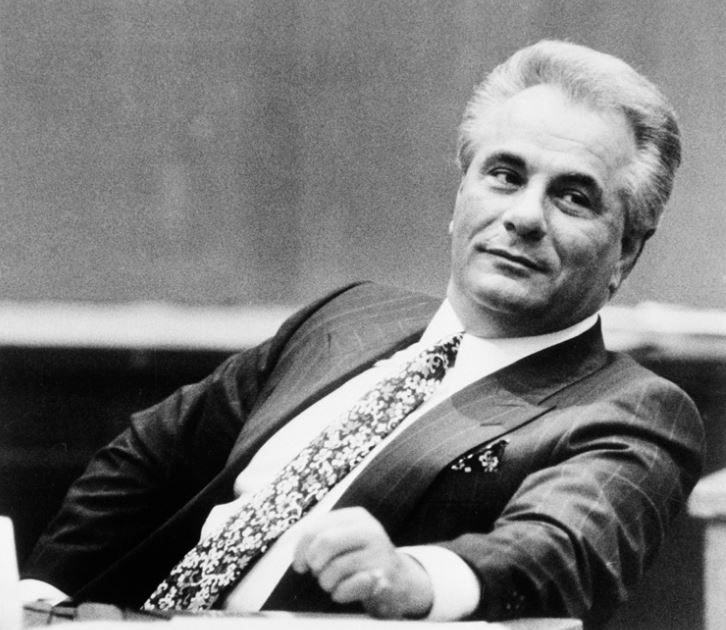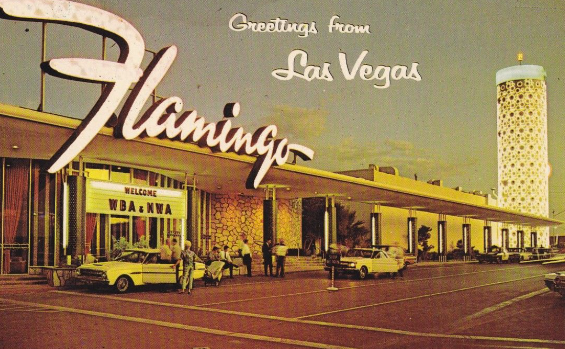
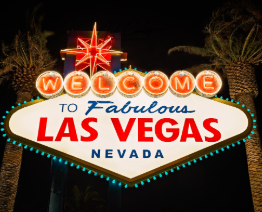
In the blazing Nevada sun, where sin cloaked itself in sequins and slot machines, a storm was brewing in the shadows of the 1970s. Glittering on the surface, Las Vegas was still the mob’s playground — a city fueled by vice, deception, and cash. But behind the scenes, the FBI had finally decided to call the bluff. The operation was code-named Strawman, a meticulous and multi-year effort to expose the Mafia’s silent control of Las Vegas casinos through phony front men, rigged corporations, and untraceable skimmed millions.
This was not just a case. It was a war against a hidden empire.
Smoke, Mirrors, and the Skim
The brilliance of the mob’s casino racket wasn’t in how it ran the gambling operations — it was in how it appeared not to.
At the heart of Las Vegas in the 50s, 60s, and early 70s, were legitimate-looking casino corporations. Men in tuxedos, smiling PR staff, sharply dressed accountants. But the real owners never appeared on a single legal document. Instead, they operated through strawmen — proxies with clean records who signed the forms, held the gaming licenses, and took the meetings, while the Mafia quietly siphoned cash from the vaults.
This scam, known as the skim, involved pulling millions of dollars in untaxed revenue out of casinos before the money ever hit the books. It was cash stolen straight from the table, untouched by taxes or regulations, and smuggled to bosses in Chicago, Kansas City, Milwaukee, and Cleveland. For decades, it was the perfect crime — clean, silent, and hidden behind a wall of lawyers and lies.
Until it wasn’t.
Setting the Trap
In 1977, the FBI and U.S. Department of Justice launched Operation Strawman, a full-scale probe into Mafia infiltration of the Las Vegas Strip.
Their goal? Expose how major crime families were using clean-cut businesspeople and fake owners to manipulate casino profits, launder dirty money, and send unreported earnings back to the bosses. The focus was the Tropicana, the Stardust, the Hacienda, the Fremont, and the Marina — all suspected of being mob-controlled.
The operation would rely on surveillance, wiretaps, informants, and undercover work. It took time. Years, in fact. But slowly, the feds began unraveling the web.
At the center of it all was the Chicago Outfit, which had installed Frank “Lefty” Rosenthal as the brains behind the Stardust Casino. Though he never held a gaming license — he’d been denied because of his criminal background — Rosenthal ran the place through a series of sham job titles: food and beverage director, entertainment director, even “sports consultant.”
The muscle on the ground was Tony “The Ant” Spilotro, a ruthless enforcer known for burying enemies in the desert. While Rosenthal managed the skim, Spilotro kept everyone in line. The pair were Las Vegas royalty — unofficial, unlicensed, and untouchable.
Until the FBI hit record.
The Bugs in the Wall
One of the major breakthroughs came from surveillance at the Admiral Theatre, a strip club in Chicago. The feds bugged the backroom — a place where Chicago Outfit bosses held court. The tapes captured Mafia captains openly discussing their hidden ownership in Vegas casinos and the exact mechanisms of the skim.
“We own the joint,” one of them bragged. “We just don’t sign the checks.”
These recordings, along with tapped phones and financial audits, built a case that would become the backbone of Operation Strawman and later Strawman II.
In Kansas City, another crucial bug was planted in the office of Carl “Tuffy” DeLuna, underboss of the Kansas City mob. For two years, agents listened to conversations about casino payoffs, courier drops, and the exact share of skim money going to each crime family.
With every whisper caught on tape, the mob’s invisible hand over Vegas became more visible.
Crashing the House
In 1983, federal agents moved in. Dozens of mobsters, casino executives, and fake owners were arrested and indicted. Charges included conspiracy, tax evasion, wire fraud, and illegal hidden ownership of licensed gaming operations.
It was the first time federal authorities had nailed down, with documentary evidence and recordings, that top mob families from four different cities were secretly profiting from Las Vegas.
Among the high-profile takedowns:
- Frank Balistrieri, the Milwaukee mob boss, was implicated as a hidden casino partner.
- Angelo “The Hook” LaPietra, from Chicago, was caught discussing skim profits and laundering schemes.
- Carl DeLuna and Nick Civella of Kansas City were recorded coordinating skim distribution and casino muscle enforcement.
- Allen Glick, a legitimate businessman and ostensible casino owner, admitted he’d been forced to take mob money to finance his casino acquisitions and acted at their command.
By the end of the trials, the mob’s grip on Vegas was publicly exposed — and fatally wounded. Convictions piled up. Fines were issued. Licenses were revoked. The days of wise guys running the Strip from back rooms were ending.
Rosenthal’s Fall and Spilotro’s Grave
One of the biggest players never stood trial. Frank “Lefty” Rosenthal, despite being the operational mastermind behind multiple mob-connected casinos, was never convicted. The feds had him, but he walked — protected by lawyers, threats, and possibly cooperation behind the scenes.
But his days were numbered. In 1982, a car bomb exploded under his Cadillac in a Vegas parking lot. Miraculously, he survived. It was a message — probably from the Outfit. Rosenthal packed up and fled to Florida. He never returned to Las Vegas.
Tony Spilotro wouldn’t be so lucky. In 1986, Spilotro and his brother Michael were beaten to death and buried in an Indiana cornfield. They were believed to have become liabilities to the Chicago Outfit after Strawman, and the bosses decided they had to go.
Their murders were dramatized in the 1995 film Casino, which brought the grim truth of Strawman to Hollywood.
The End of Mob Vegas
Operation Strawman and Strawman II didn’t just produce indictments — they rewrote the city’s future. By the late 1980s, the old mob-run casinos were being bought out by corporations like Hilton, Mirage Resorts, and Caesars. Nevada’s Gaming Control Board, once easily manipulated, had cleaned house.
The skimming stopped. The Mafia’s days of invisible power were over.
But the ghost of that era still lingers. In the glitz of the Bellagio, in the bones of the Stardust’s demolished lot, in the whispers between high rollers and pit bosses — echoes of a time when men in silk suits with no names owned the Strip and answered to no one.
They called it “Operation Strawman” because it pierced the illusion — burned away the lies and exposed the hollow figures standing in for the real kings of Las Vegas.
And when the smoke cleared, Vegas would never be the same again.
References:
- Casino: Love and Honor in Las Vegas by Nicholas Pileggi
- U.S. Senate Committee on Governmental Affairs, Permanent Subcommittee on Investigations: Hearings on Organized Crime in Interstate Commerce
- FBI Archives – Operation Strawman Files (vault.fbi.gov)
- The Money and the Power by Sally Denton and Roger Morris
- The Outfit by Gus Russo
- When the Mob Ran Vegas: Stories of Money, Mayhem and Murder by Steve Fischer
- The Mob Museum Archives, Las Vegas – https://themobmuseum.org
- PBS Frontline: “Mob on the Run”
- Las Vegas Sun: “Strawman Indictments Rock Casino Industry,” July 1983
- United States v. DeLuna et al., U.S. District Court Transcripts (1984)