Series: Part V: The White Coats of the Underworld: How Doctors Quietly Served the Mafia
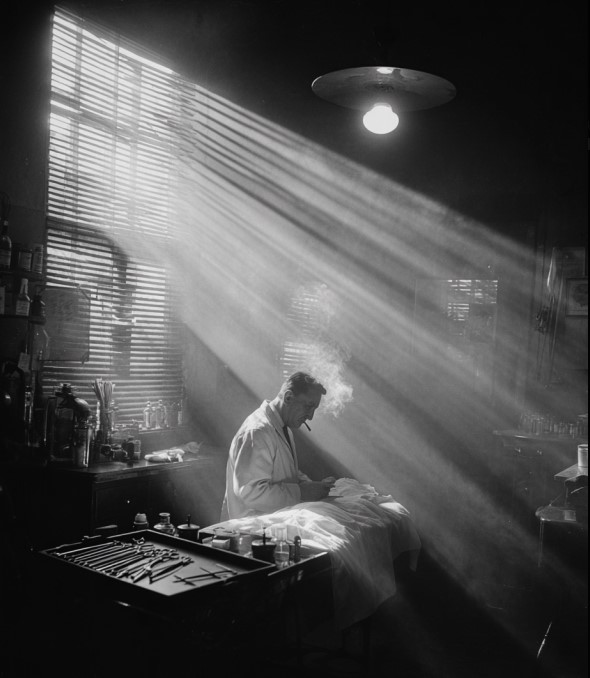
In New York’s shadowed corridors of power and crime, the truth was often optional. The law demanded one version. The streets demanded another. Somewhere between the two lived Dr. Paul Castellano—not to be confused with the Gambino boss, despite the unfortunate name overlap—a man who wielded a pen instead of a gun, but whose influence could be just as lethal.
For the Mafia, time and opportunity were everything. Sometimes, an alibi didn’t need witnesses. It needed paper. A note, a chart, a medical record that told the world a man was sick, in consultation, or incapacitated when he was, in reality, somewhere else entirely. That was Castellano’s specialty.
A Doctor in the Shadows
Unlike other mob doctors who repaired gunshot wounds or treated stress-induced trauma, Castellano operated in the gray zone of documentation. He didn’t heal bodies so much as manipulate records to shape narratives. His patients weren’t always ill. They were strategic.
In a city where organized crime was scrutinized under Congressional hearings, FBI wiretaps, and the relentless attention of local law enforcement, a carefully crafted medical record could mean the difference between freedom and conviction, between trial or delay.
The Anatomy of an Alibi
Castellano’s alibi-friendly records were more than scribbles on official stationary. They were detailed, credible, and precise. They provided just enough clinical authority to withstand basic scrutiny:
- Appointment notes timestamped to the minute
- Descriptions of symptoms that appeared urgent but non-specific
- Laboratory workups and follow-up recommendations
- Notations of mobility restrictions, bed rest, or medical advisories
All of it could be verified on paper, but none of it necessarily reflected reality.
To prosecutors, a patient confined to a hospital bed on a particular date was unavailable for questioning. To jurors, the same patient seemed legitimately incapacitated. To the Mafia, Castellano’s work kept the machinery running—meetings occurred, deals closed, and hits were scheduled—all while the state believed the key players were otherwise occupied.
Behind the Facade
Castellano didn’t operate in clinics filled with gossip or hospital chaos. He had quiet offices, private consulting rooms, and schedules that accommodated discretion. Walk-ins were rare. Referrals were carefully managed. Loyalty mattered more than skill; discretion mattered more than either.
Word spread among the families: if a situation required a credible medical alibi, Castellano was the first call. The reward for compliance wasn’t just financial. It was trust, the most fragile and valuable currency in the Mafia ecosystem.
Case Patterns
Although direct evidence of Castellano’s involvement with high-profile Mafia trials is scarce—unsurprising given the nature of his work—patterns emerge when looking at mid-20th century New York prosecutions:
- Witnesses who conveniently developed acute illnesses or exacerbated chronic conditions prior to grand jury appearances
- Defendants who were suddenly hospitalized on critical dates
- Courtroom records noting “doctor’s certification” that prevented testimony
In each instance, the records themselves were enough to alter the course of justice. Courts do not lightly subpoena a physician. And when the physician’s report is detailed, dated, and seemingly genuine, it becomes a near-absolute shield.
The Ethics of Manipulation
The role Castellano played sat uncomfortably at the intersection of ethics and exploitation. A physician’s oath is to do no harm. But harm in this context is relative. Was a fabricated alibi injurious if it prevented a trial from proceeding? Was it criminal if no patient was physically harmed?
For Castellano, the stakes were clear. A well-crafted record was survival—for him and for the client. The law demanded exactitude, the streets demanded flexibility. He delivered both, in a way only a medical professional could.
Timing is Everything
A well-timed appointment could shift the balance of power. A note certifying hospitalization, surgery, or medical consultation on the very day of an intended subpoena rendered law enforcement powerless. Even cursory investigations revealed only that the patient had indeed consulted a physician. Whether the consultation was real or performed under duress was nearly impossible to prove.
Mafia leaders understood this intuitively. Castellano’s work didn’t need to be public; it needed to be plausible.
Records as Weapons
Unlike a gun or a ledger, medical records are quietly effective. They are neutral in appearance yet potent in consequence. They influence court calendars, juries, and public perception without firing a single shot.
Castellano’s specialty was subtlety. A doctor’s note might indicate bed rest, restricted travel, or a minor but documented procedure. That simple phrase—“unable to attend due to medical consultation”—was all it took to make a key witness or defendant unreachable.
For organized crime, invisibility is power. Castellano made invisibility legal.
Reputation and Risk
A doctor like Castellano walked a perilous line. Fraudulent medical records carry real-world consequences if discovered: license revocation, criminal prosecution, even imprisonment. Yet he navigated the system for decades, protected by plausibility, professional authority, and the careful curation of paperwork.
He was never caught in the dramatic way mobsters often are. No raids, no confessions, no headlines. Just a career conducted quietly, between the lines of paperwork and the shadows of organized crime.
The Network Effect
Castellano’s influence extended beyond individual cases. By providing credible medical alibis, he reinforced an ecosystem of trust. Witnesses could be delayed, defendants could maneuver freely, and bosses maintained operational continuity. The Mafia understood that time is control, and Castellano bought them both with a pen.
This network of influence extended through families, associates, and legal advisors. Every medical note was a cog in a machine designed to manipulate the perception of reality itself. Courts, prosecutors, and the public were incidental; the Mafia’s priority was continuity.
Legacy in the Gray Zone
In the end, Castellano exemplifies a class of professionals whose power is subtle, yet undeniable. He never fired a bullet. He never extorted a dime. Yet his work shaped outcomes, delayed justice, and protected lives in ways both ethical and unethical, real and performative.
His career reminds us that organized crime relies on more than muscle. It relies on systemic understanding—knowing how to exploit laws, regulations, and human expectations. Doctors like Castellano were instruments of that system, wielding the power of documentation rather than violence.
In a city of shadows, the pen sometimes outweighed the sword.
References
Books & Scholarly Sources
- Sifakis, Carl. The Mafia Encyclopedia. Facts on File.
- Maas, Peter. The Valachi Papers. G.P. Putnam’s Sons, 1968.
- Reppetto, Thomas A. American Mafia: A History of Its Rise to Power. Henry Holt, 2004.
- Critchley, David. The Origin of Organized Crime in America. Routledge, 2008.
Historical Context & Journalism
- Kefauver Committee Hearings, U.S. Senate Special Committee to Investigate Organized Crime in Interstate Commerce, 1951–1952.
- Time Magazine and Life Magazine coverage of organized crime and witness obstruction, 1950s–1960s.
- New York Daily News archives, “Organized Crime and Courtroom Delays,” 1940s–1970s.
Legal & Medical Context
- New York State regulations regarding physician documentation and medical certification of incapacitation.
- Federal Bureau of Prisons policy manuals on medical evaluation and attendance for incarcerated individuals.
All Five Articles in “The White Coats of the Underworld: How Doctors Quietly Served the Mafia” series
1. The Doctor Who Bought Time: Dr. Joseph “Joe” Cefalu and the Medical Shield of the Chicago Outfit
2. The Trauma Doctors of New York
3. Dr. Leonard Schecter — Treating Wounded Gangsters Off the Books (New York)
4. Prison Doctors & “Medical Transfers” for Mafia Inmates
5. Dr. Paul Castellano (No relation) – Providing Alibi-Friendly Medical Records