The movies sell gangsters as panthers—sleek, fast, dangerous. Reality was often closer to a tired bear in a silk suit, breathing hard at the top of the stairs and pretending not to notice the smirks. Power, in the mob, didn’t always belong to the fittest man in the room. Sometimes it belonged to the heaviest. And sometimes that weight became a punchline.
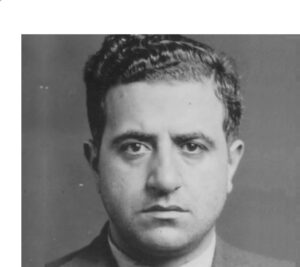
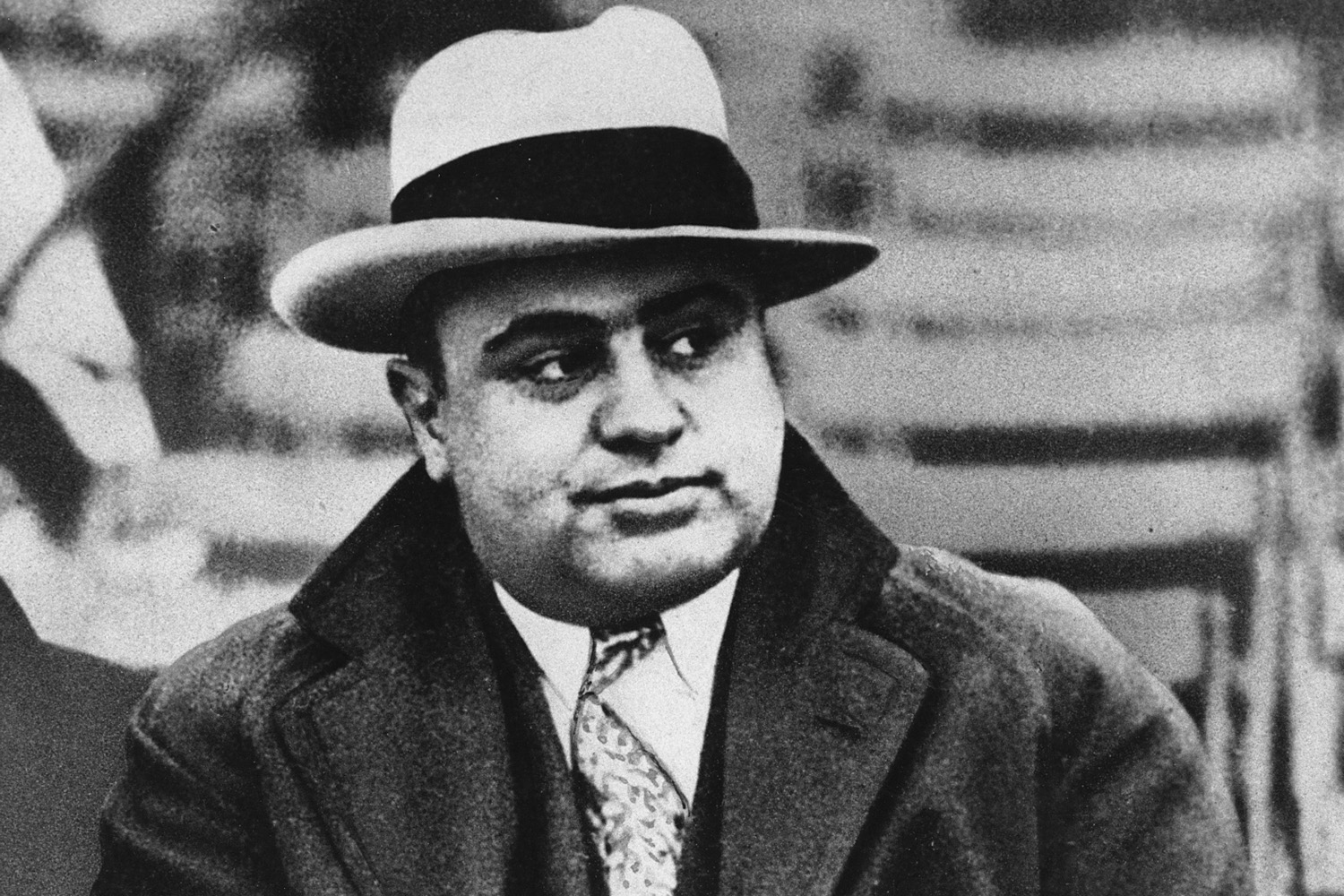
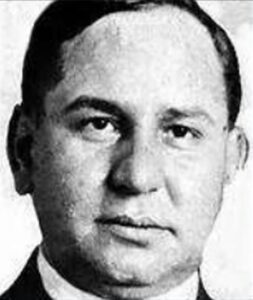
Joe “The Boss” Masseria was one of the first great American examples of this contradiction: a man who ruled by appetite as much as by fear. He loved food the way other men loved money, and he loved money the way other men loved oxygen. By the end, he was out of shape, out of fashion, and out of time—but still convinced the room belonged to him. Behind his back, it didn’t. It belonged to the jokes.
The mob has always been ruthless about weakness. It just prefers its cruelty to arrive wearing a grin. Soldiers and capos might nod and smile to a boss’s face, but in kitchens, back rooms, and parked cars with the engine off, they kept a different ledger—one full of nicknames, impressions, and quiet contempt. A boss who couldn’t run was a boss who had to be protected. A boss who had to be protected was a boss who could be replaced.
Masseria didn’t start that way. In the 1920s and early 1930s, he was power incarnate—thick, loud, domineering, and certain that the future was just a larger plate. He ate long, he drank longer, and he ruled like a man who thought gravity was optional. But the underworld was changing. Younger men like Lucky Luciano and Vito Genovese were thinking in systems, not feasts. They saw Masseria the way accountants see a leaking roof: expensive, embarrassing, and eventually fatal.
Behind his back, the jokes weren’t kind.
They were practical.
They were about how long it took him to get into a car. About how he wheezed after a short walk. About how a man with that body couldn’t possibly survive a real emergency. The mob has always understood one ugly truth: when the shooting starts, dignity is measured in seconds. Masseria didn’t have many to spare.
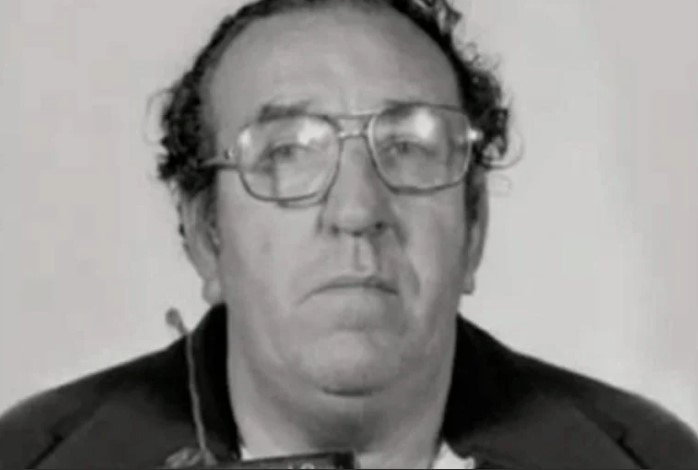
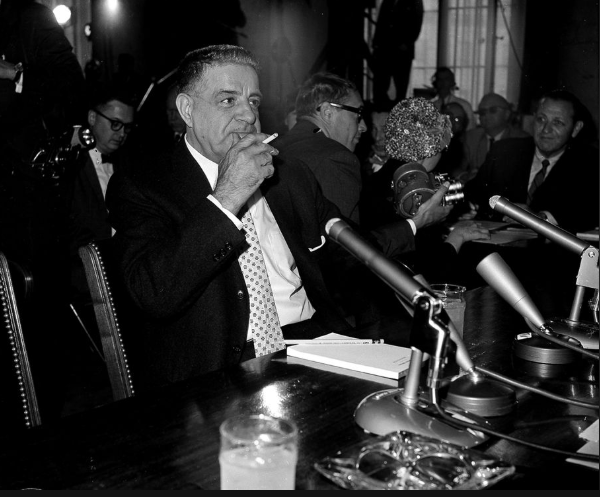
This wasn’t unique to him. Decades later, Anthony “Fat Tony” Salerno would wear his nickname like a badge and a warning. Salerno was powerful, feared, and deeply, obviously unhealthy. He liked good suits, good meals, and the kind of lifestyle that turns arteries into souvenirs. On the street, nobody said it to his face. In private, the wiseguys noticed everything. How he sat. How he stood. How long it took him to move. How often he had to stop.
There’s a special kind of mockery reserved for men who are untouchable but visibly mortal. You don’t laugh at their power. You laugh at their bodies, because bodies are honest. A fat boss isn’t just overweight; he’s a walking reminder that time collects interest.
Anthony “Tony Ducks” Corallo—sometimes remembered as another “Fat Tony,” depending on who’s telling the story—ran things with a colder, more modern efficiency. He was no gym rat either, but he understood the optics of distance. He ruled from cars, phones, and insulated rooms. Corallo didn’t need to chase anyone. He had people for that. Still, even in his era, the jokes circulated. They always do. Power doesn’t stop humor. It just makes it quieter.
The thing about mob jokes is that they’re rarely harmless. They’re weather vanes. They tell you which way the wind is starting to blow.
When soldiers start laughing about a boss’s stamina, they’re not just being cruel. They’re rehearsing the idea of a future without him. They’re imagining what it would look like if he weren’t there to fill the room, or the doorway, or the head of the table. They’re measuring the distance between fear and inconvenience.
Masseria learned that too late. By the time he realized the room had changed, he was already the slowest man in it. The story of his end—lured to a restaurant, distracted, and murdered while his future executioners slipped away—has been told so often it’s become myth. But strip away the legend and you’re left with something colder: a boss who couldn’t outrun his own obsolescence.
There’s a reason mob history is full of whispers about health. Heart trouble. Weight. Drinking. Pills. The underworld pretends to worship strength, but it lives on the margins of decay. Men rise fast, live hard, and age poorly. The body keeps score even when the books don’t.
Fat Tony Salerno, for all his power, fit the pattern. He was a master of presentation—projecting authority, delegating violence, letting others do the running. But the streets noticed. They always notice. A boss who looks like he needs help getting out of a chair sends a message he never intended to send: someday, someone else will stand up first.
That doesn’t mean these men were weak. Quite the opposite. They had survived long enough, and brutally enough, to afford the luxury of neglecting themselves. In the mob, comfort is a trophy. So is excess. But trophies get heavy, and eventually they slow you down.
The jokes were rarely clever. They didn’t need to be. A raised eyebrow. A muttered nickname. A story about how long it took the boss to climb a flight of stairs. That was enough. The humor lived in implication. In a business where survival depends on speed and surprise, bulk becomes biography.
And yet, there was always a strange respect tangled up in the ridicule.
Because for all the talk, these men were still alive. Still in charge. Still capable of ruining anyone who forgot where the line was. The mockery stayed behind closed doors because the consequences didn’t. A wiseguy might laugh about his boss’s weight at lunch and kiss his ring at dinner without feeling the contradiction. Hypocrisy is just another tool in the kit.
The real danger came when the jokes stopped being jokes.
When Masseria’s men began to see him not just as slow, but as in the way. When his appetite became a symbol of everything that was wrong with the old order. When the laughter turned into planning. That’s the moment bodies become political.
It happened, in different forms, again and again. The mob doesn’t retire leaders. It replaces them. And replacement always starts with a story about why the old one can’t keep up.
Corallo tried to outrun that fate with insulation—layers of distance, technology, and buffers. Salerno tried to rule through presence, filling rooms with reputation if not with speed. Different styles, same physics. Time always gets a vote.
There’s something almost Shakespearean about it: men who command armies but can’t command their own habits. Kings brought down not by enemies at the gate, but by gravity, cholesterol, and the slow betrayal of their own lungs.
The street noticed. The FBI noticed. History noticed.
And somewhere, in the back of a social club, someone always noticed first—with a joke, a grin, and a quiet understanding that no one stays terrifying forever.
In the end, the mob’s most ruthless accountant is the body itself. It keeps perfect books. Every late night, every heavy meal, every indulgence gets recorded. Power can buy silence, loyalty, even time—but it can’t buy speed when speed is gone.
Masseria died at a table, not on a battlefield. Salerno died under the weight of years and institutions he could no longer bully. Corallo fell to wiretaps and the slow machinery of the modern state. Different endings, same lesson: the crown is heavy, and it leaves marks.
The wiseguys kept their jokes.
History kept the rest.
References
- Raab, Selwyn. Five Families: The Rise, Decline, and Resurgence of America’s Most Powerful Mafia Empires. St. Martin’s Press.
- Pileggi, Nicholas. Wiseguy. Simon & Schuster.
- Maas, Peter. The Valachi Papers. G.P. Putnam’s Sons.
- Lacey, Robert. Little Man: Meyer Lansky and the Gangster Life. Little, Brown and Company.
- English, T. J. Havana Nocturne: How the Mob Owned Cuba and Then Lost It to the Revolution. William Morrow.
- Sifakis, Carl. The Mafia Encyclopedia. Facts On File.
- U.S. Senate, Kefauver Committee Hearings (1950–1951).
- Capeci, Jerry. The Complete Idiot’s Guide to the Mafia. Alpha Books.
- Burrough, Bryan. Public Enemies. Penguin Press.