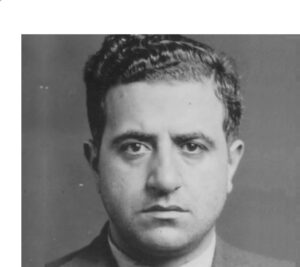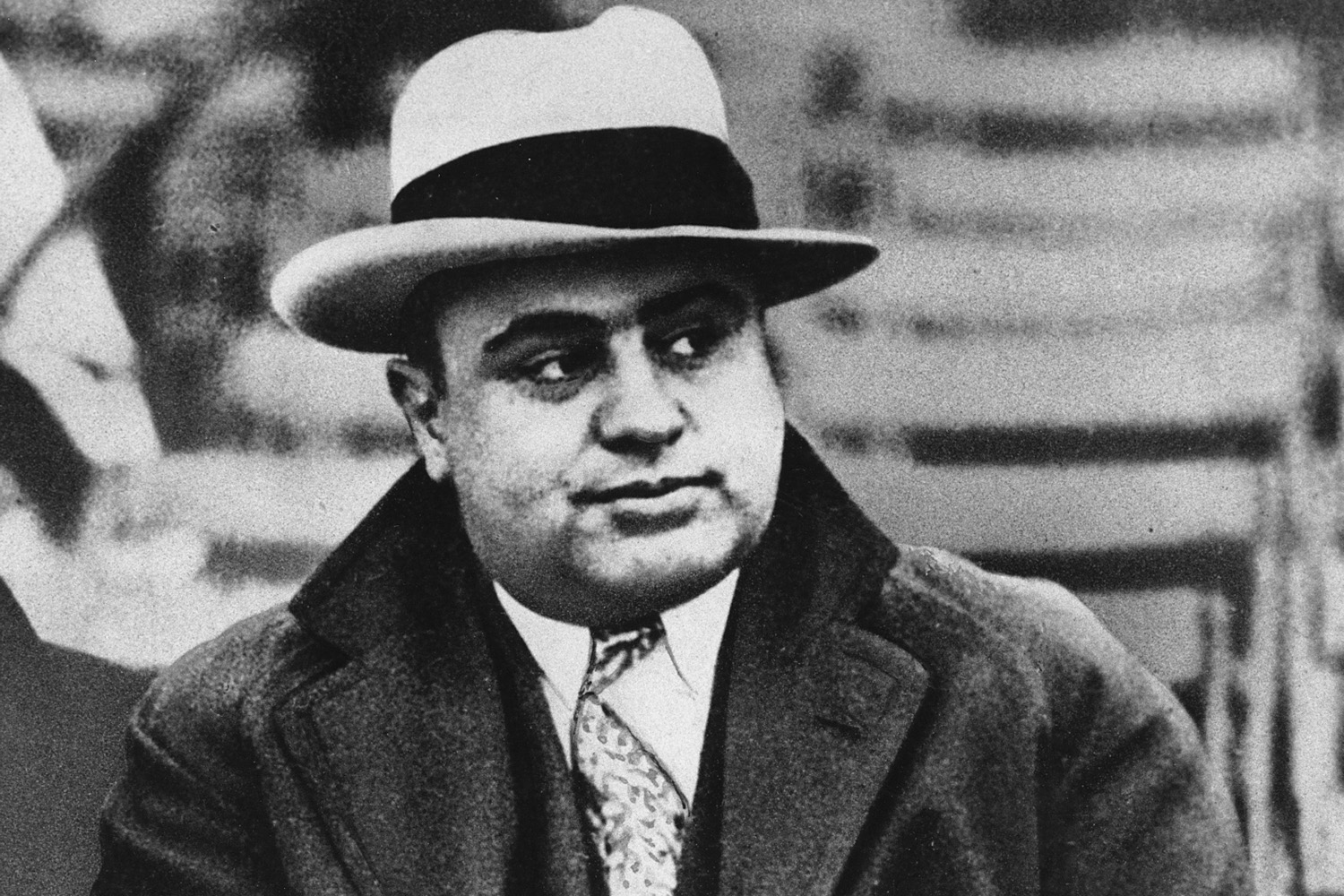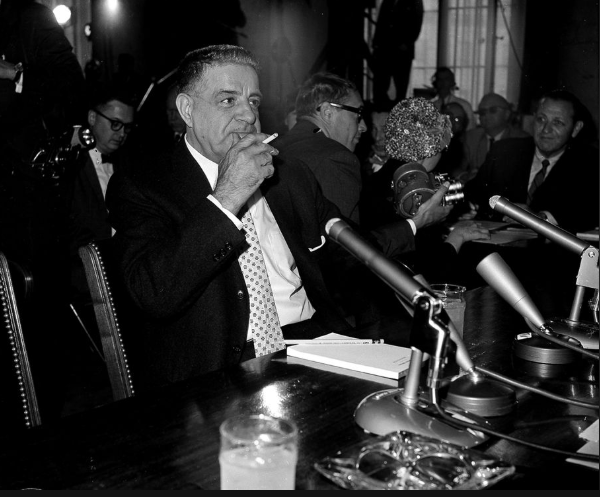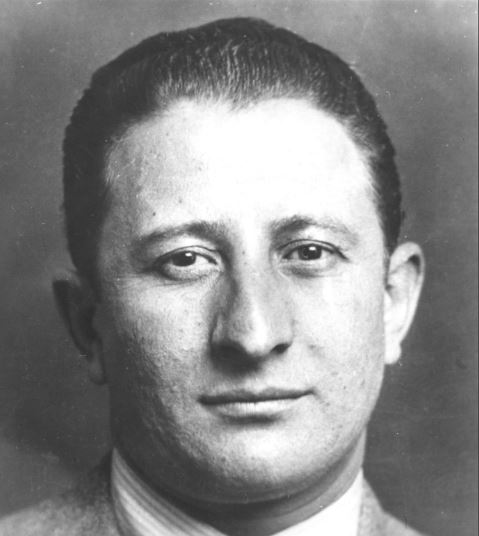
6th article in the “No, the Boss Ain’t Ill” series
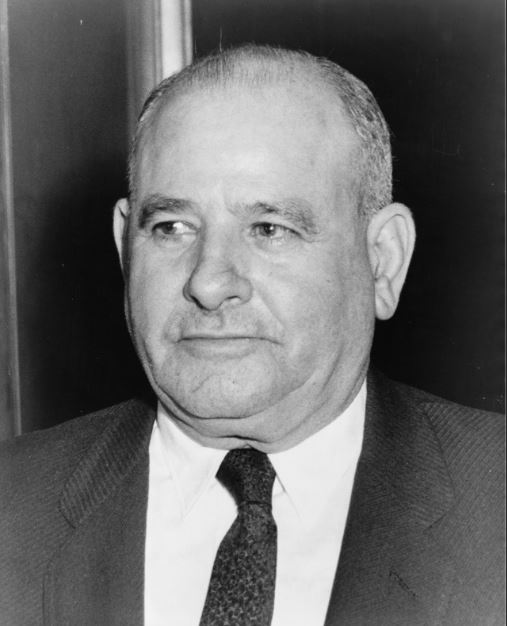
In the Mafia, power is not just about muscle or money. It is about perception, territory, and the fear that a boss inspires even when he is unseen. Stefano Magaddino, the longtime head of the Buffalo crime family, understood this better than most. But by the late 1960s, age and illness began to betray him. Heart disease slowed his steps, fatigue weighed on his decisions, and the once-feared patriarch became a man whose presence in the family’s affairs was more symbolic than real.
Yet, for years, few outsiders—and even fewer insiders—knew the truth. Magaddino’s decline was hidden, carefully managed by his nephews and loyal lieutenants, not out of loyalty alone but out of necessity. In Mafia culture, a visibly weakened boss is an invitation. For the Buffalo family, the stakes were territorial: revealing vulnerability risked an encroachment by the powerful New York families.
Illness as Threat and Opportunity
In organized crime, illness is rarely treated as a private matter. It signals vulnerability, and vulnerability invites both internal and external predation. A sick boss cannot negotiate fear into rivals, cannot enforce loyalty in soldiers, and cannot protect territory effectively.
Magaddino’s heart disease and advancing age threatened precisely these pillars of power. To outsiders, the Buffalo family risked being perceived as leaderless, a small regional crew ripe for absorption by the likes of the Genovese or Gambino families. To underlings, it was a delicate problem: they needed to manage daily operations while keeping the illusion of patriarchal authority intact.
The Curtain of Control
Magaddino’s inner circle became the keepers of perception. They filtered visitors, controlled communications, and mediated disputes. Meetings with outside families were handled by lieutenants who spoke “on behalf” of the Don. To anyone watching, the old man remained the unchallenged authority in Buffalo.
This careful orchestration allowed Magaddino to remain in power, at least superficially. Orders flowed through intermediaries; profits continued to be collected; and disputes were settled without the patriarch’s visible intervention. The façade worked—up to a point.
For Magaddino’s lieutenants, the benefits were obvious. They held real operational control, interpreted directives to suit practical needs, and positioned themselves as indispensable while maintaining the illusion that the old Don ruled with his once-feared hand. In essence, they became the executive branch of the fading patriarch, ensuring the family remained functional while the boss remained revered.
Regional Power in a National Mafia Network
What set Magaddino apart from bosses in New York City was geography. Buffalo was strong, but isolated. Its power depended not only on its own crew but also on respect from families to the south. Any hint of weakness risked external takeover.
Concealing Magaddino’s illness was therefore not merely an internal tactic—it was defensive. The family’s survival depended on appearing unified, disciplined, and under the guidance of a strong patriarch. A visibly frail Magaddino could have signaled to the Genovese, Gambino, or Bonanno families that Buffalo’s territory was ripe for absorption.
For years, the strategy worked. Buffalo remained independent. The façade of strength preserved both influence and autonomy in a world where perception often outweighs reality.
The Inevitable Decline
Even the best-managed illusions eventually crumble. By the early 1970s, Magaddino’s health had deteriorated to the point that even his loyal lieutenants could not sustain the appearance of control. His once-commanding presence in the family became minimal; his voice rarely carried weight in decision-making.
Once the patriarch’s decline became undeniable, the family’s influence began to evaporate. The carefully maintained boundaries with New York families eroded. Ambitious insiders tested the limits of their power. Rival families started to view Buffalo as less formidable. The illusion had delayed the fall, but it could not prevent it.
Lessons from the Fading Patriarch
Stefano Magaddino’s final years offer a stark illustration of Mafia power dynamics at the regional level. Unlike the high-profile New York families, the Buffalo family’s survival relied heavily on the perception of authority. Concealing a boss’s illness delayed chaos, protected territory, and gave underlings operational freedom—but it could not stop the structural decline caused by a weakening leader.
Magaddino’s story is a reminder that in the Mafia, health and vitality are as crucial as cunning and loyalty. Once the human element falters, even the most disciplined façade becomes fragile.
The Final Reflection
In the end, Magaddino died a powerful man in name, but his influence had waned in practice. His life underscores a simple truth: concealment of illness can preserve perception and delay succession crises, but it cannot restore the physical and strategic faculties of a declining boss.
The Buffalo family survived longer than it might have, thanks to secrecy and careful stewardship, but the illusion of invincibility was temporary. In Mafia culture, every boss faces a reckoning with mortality, and even the most skilled lieutenants cannot make absence and frailty permanent.
Stefano Magaddino’s legacy is therefore twofold: a testament to careful orchestration and loyalty, and a cautionary tale of the inevitable decay that comes with age and illness—even for a Don who once commanded fear across a region.
References
- Raab, Selwyn. Five Families: The Rise, Decline, and Resurgence of America’s Most Powerful Mafia Empires. W.W. Norton & Company, 2005.
- Critchley, David. The Origin of Organized Crime in America: The New York City Mafia, 1891–1931. Routledge, 2009.
- Davis, John H. Mafia Dynasty: The Rise and Fall of the Gambino Crime Family. HarperCollins, 1993.
- Federal Bureau of Investigation. Stefano Magaddino Files (FOIA-released summaries).
- Jacobs, James B. The Mafia and the Machine: The Story of the Kansas City Mob. University of Illinois Press, 2000.
Links to all of the “No, The Boss Ain’t Ill” Series
1 Carlo Gambino: The Invisible Boss
2. Vito Genovese Power Through Denial
3. Paul Castellano: The Sick Boss Nobody Wanted to Admit
4 Joseph “Joe Bananas” Bonanno: The Disappearing Don
5 Vincent “Chin” Gigante: The Oddfather Who Weaponized Weakness