Bootleg Bourbon: The Currency of the Underground
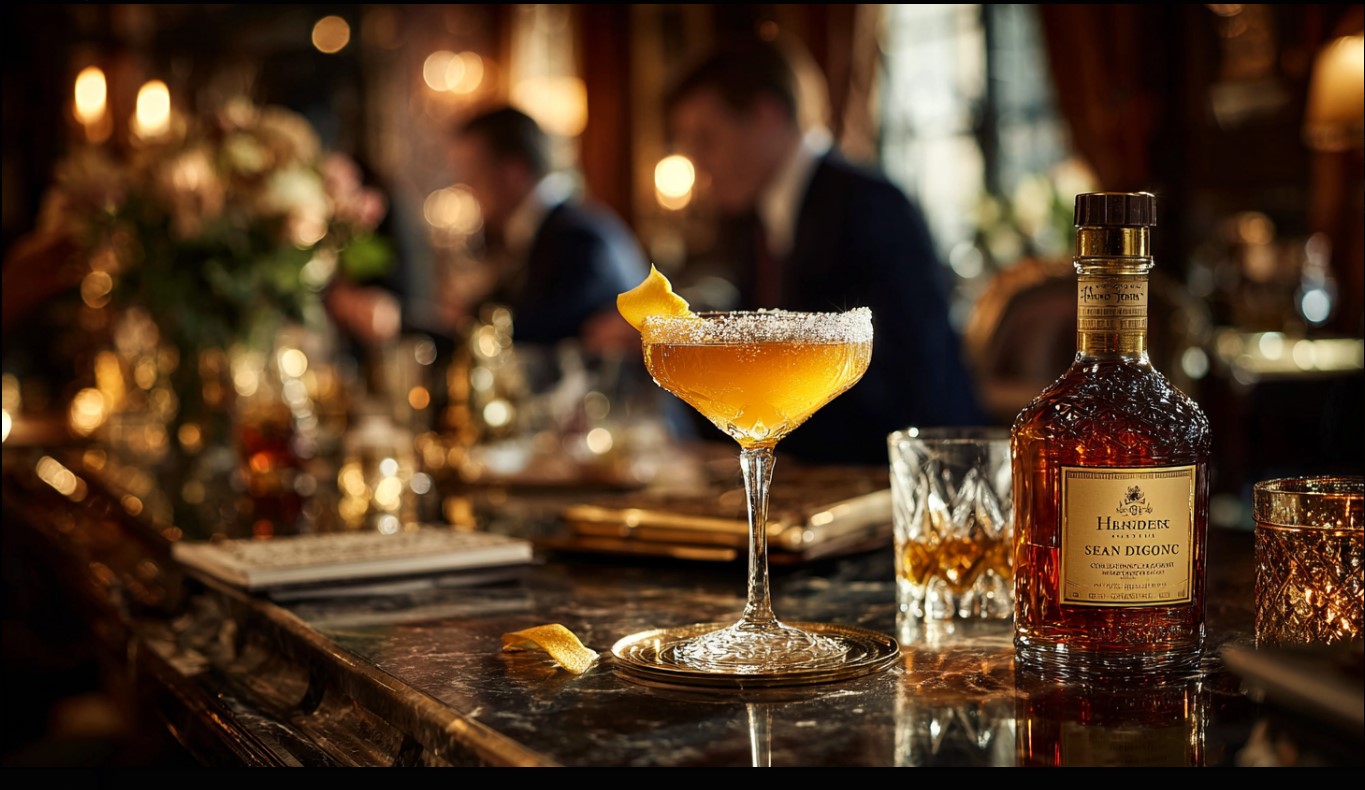
In Prohibition, liquor was literally money. A barrel of Canadian whisky could be sold multiple times over its smuggling route. Speakeasy operators often bought in advance, trading cash, favors, and…
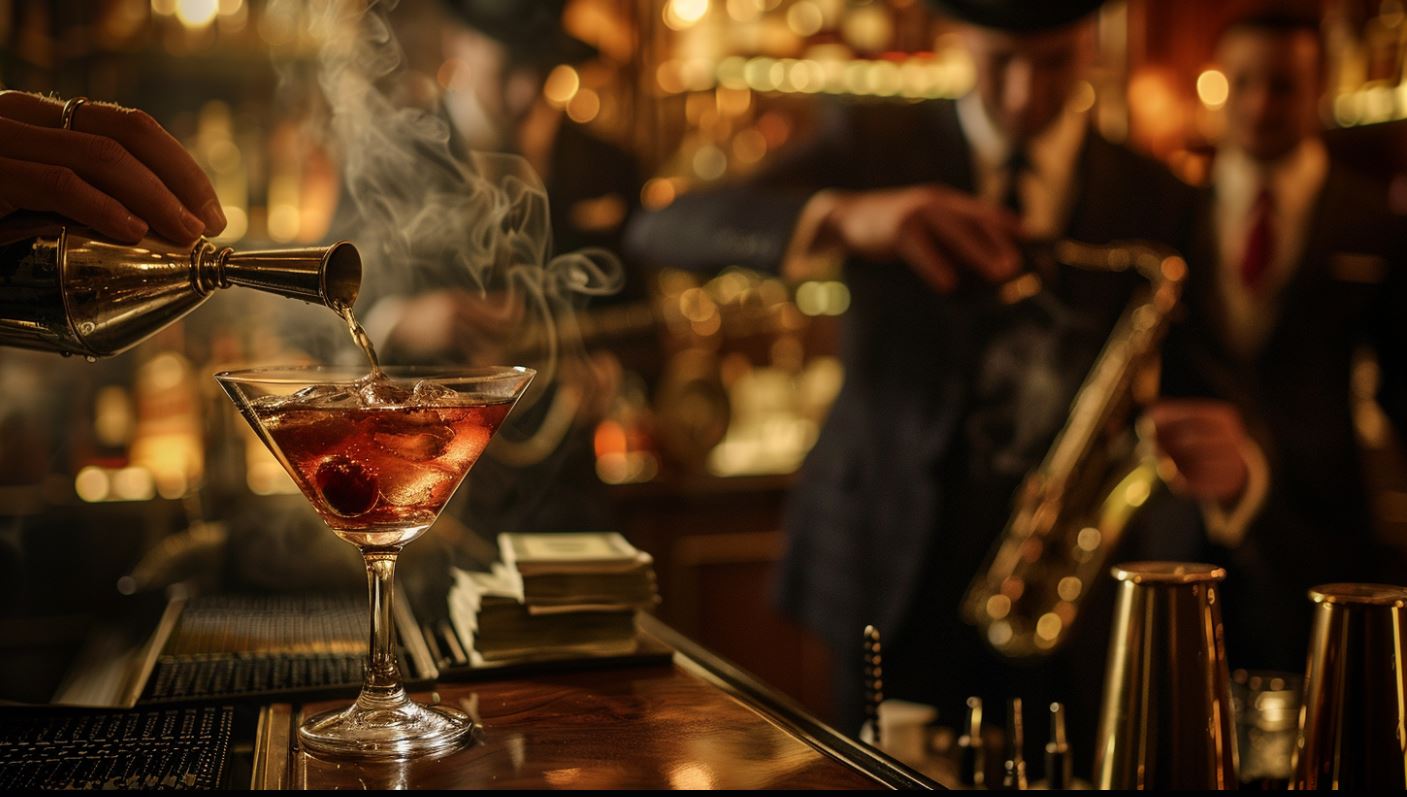
The Mob Changed American Taste Forever When Prohibition ended, the speakeasy disappeared—but the cocktails stayed. Americans had learned to prefer mixed drinks over straight spirits. Bartenders trained in secrecy became…
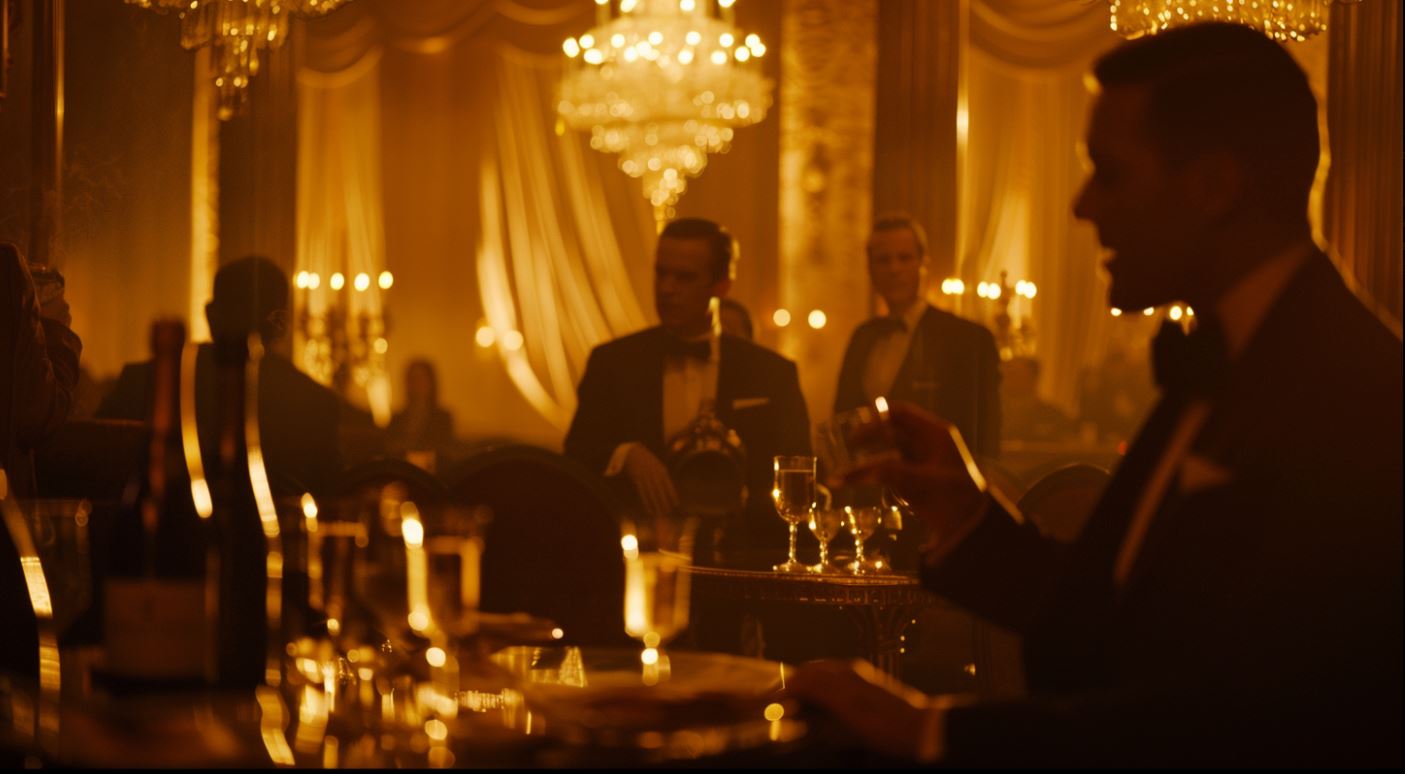
Illicit, Imported, Untouchable Nothing announced power in a speakeasy like champagne. It was expensive. Fragile. Imported. And impossible to hide in bulk. Serving champagne meant the establishment had: Strong international…
The Economics of Drinking in the Shadows Every speakeasy began with a question that sounded less like rebellion and more like accounting. How much capital would it take to open…
The Most Dangerous Person in the Room Was Often Pouring Women in the mafia nightlife were frequently positioned behind bars or hosting tables—not because they were ornamental, but because they…
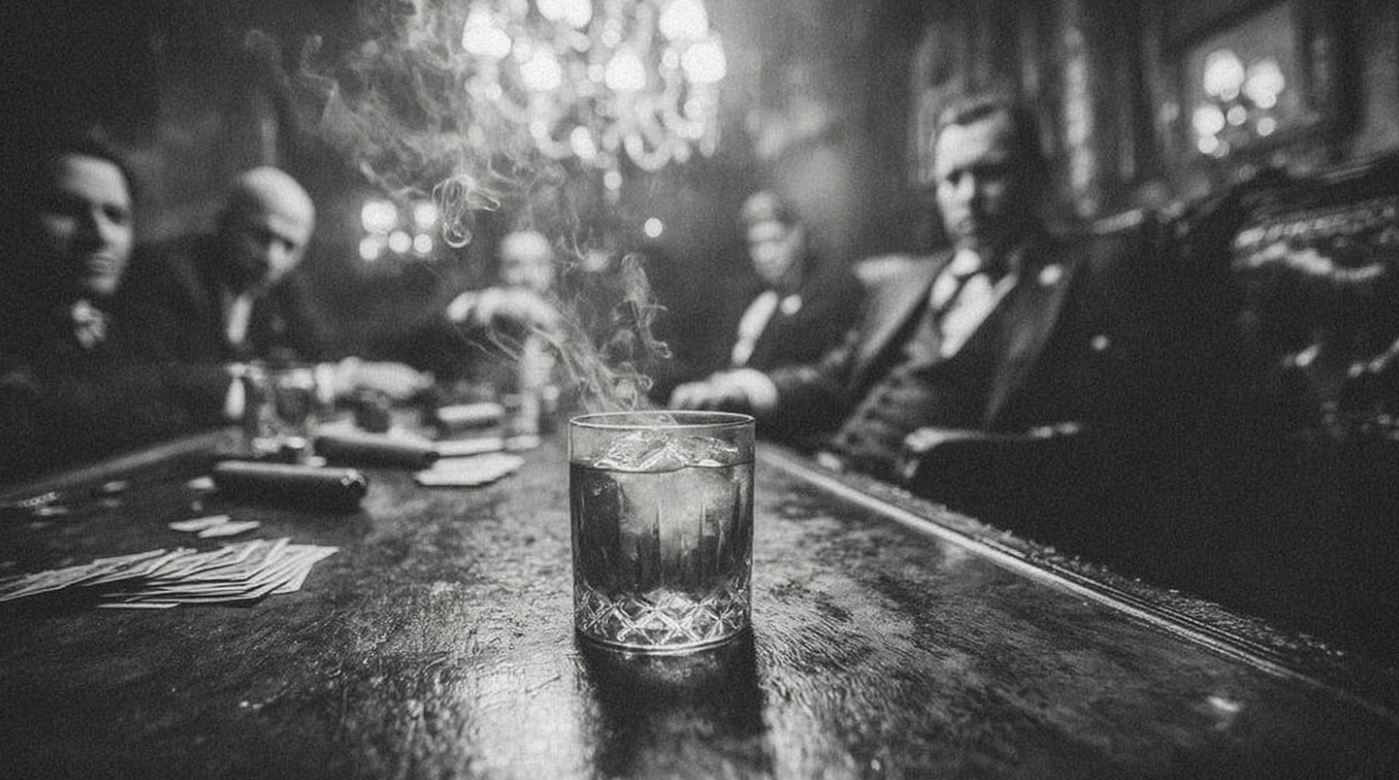
Power Was Poured Neat Contrary to Hollywood myth, most high-ranking mobsters did not drink heavily in public. Drunkenness was vulnerability. Many preferred: Scotch and soda Rye whiskey, neat or with…
Born from Bad Booze The Bee’s Knees—gin, lemon juice, honey—became one of the most popular cocktails of the speakeasy era for one simple reason: it worked. Bootleg gin was notoriously…
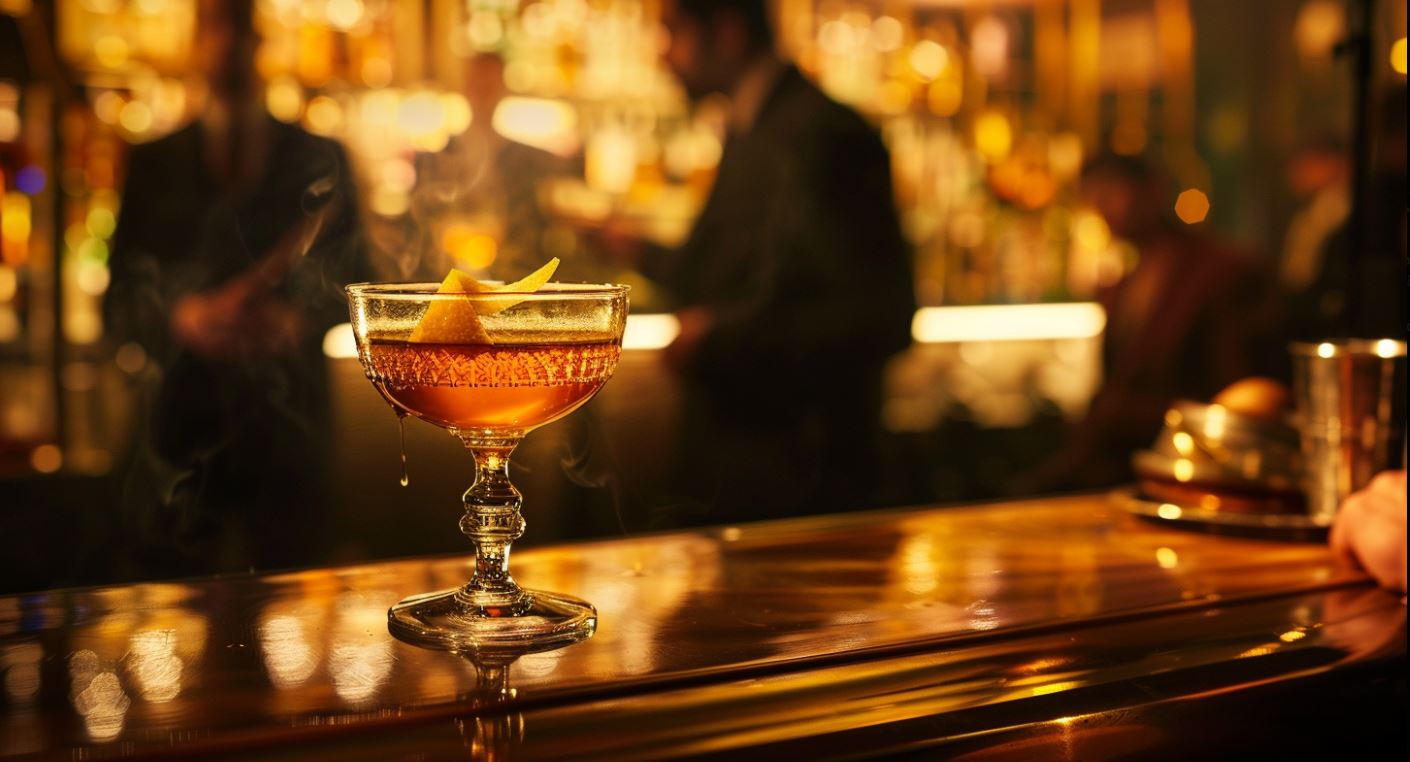
What You Ordered Mattered In a Prohibition-era speakeasy, the cocktail wasn’t just a drink—it was a message. Bars with weak supply pushed sweet, citrus-heavy cocktails to mask harsh alcohol. But…
The El Fey Club: Where Prohibition Met Glamour and Grit New York City in the 1920s pulsed with a rhythm all its own—jazz horns blaring from smoky basements, flappers in…
The door was unmarked. No sign, no flicker of neon, no hint of life behind the brick or timber. Maybe it was a butcher shop, maybe a tailor’s back room…