Joe Profaci: The Godfather Who Ruled Through Fear, Faith, and Tribute
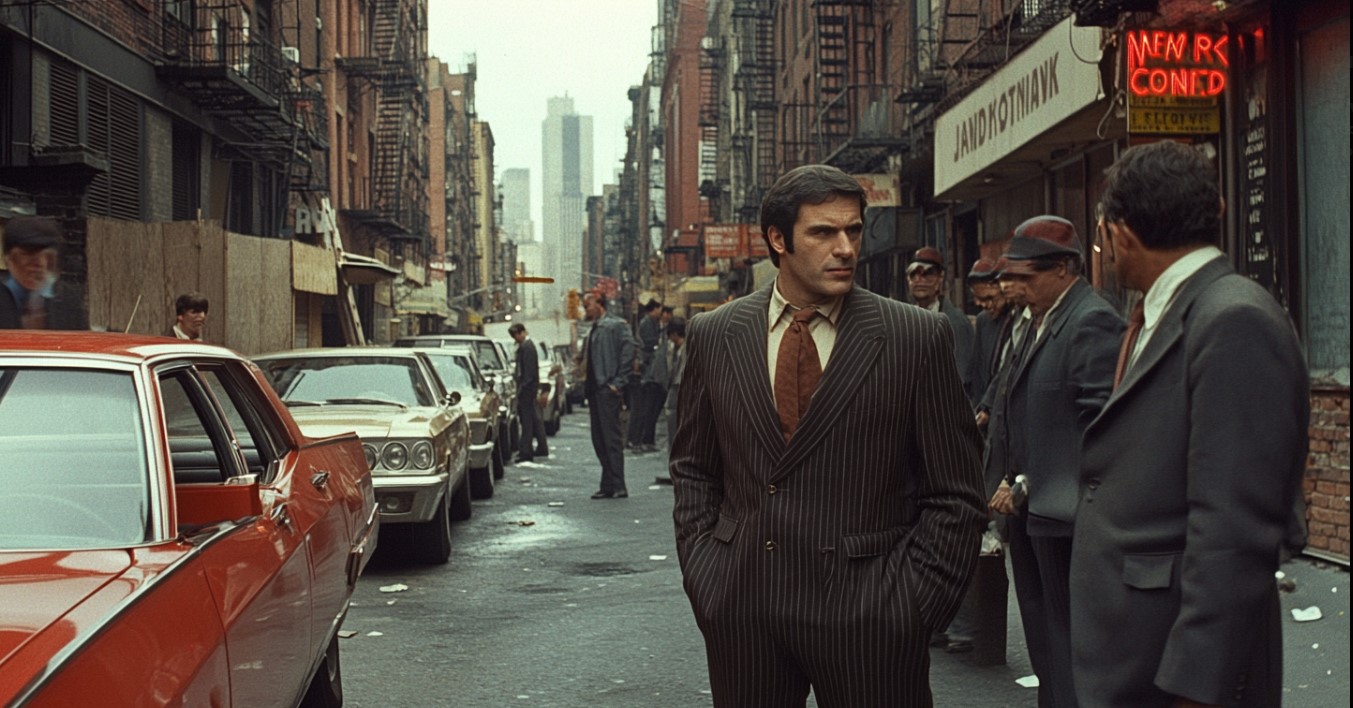
Joe Profaci looked less like a gangster than a stern village patriarch transported from Sicily into twentieth-century Brooklyn. He spoke softly, dressed conservatively, attended church faithfully, and projected the image of an old-world businessman devoted to tradition and respectability.
Behind that image stood one of the most feared and deeply resented Mafia bosses in New York.
Profaci ruled his criminal empire like a feudal king. Loyalty flowed upward. Money flowed upward. Respect flowed upward. Those beneath him paid tribute constantly, and anyone questioning the arrangement risked humiliation, violence, or death. While other Mafia leaders gradually modernized organized crime during the mid-century years, Profaci clung stubbornly to old Sicilian ideas about obedience and authority.
That rigidity eventually helped spark one of the bloodiest internal Mafia rebellions in American history. Joe Profaci did not merely command a crime family. He demanded devotion.
From Sicily to America
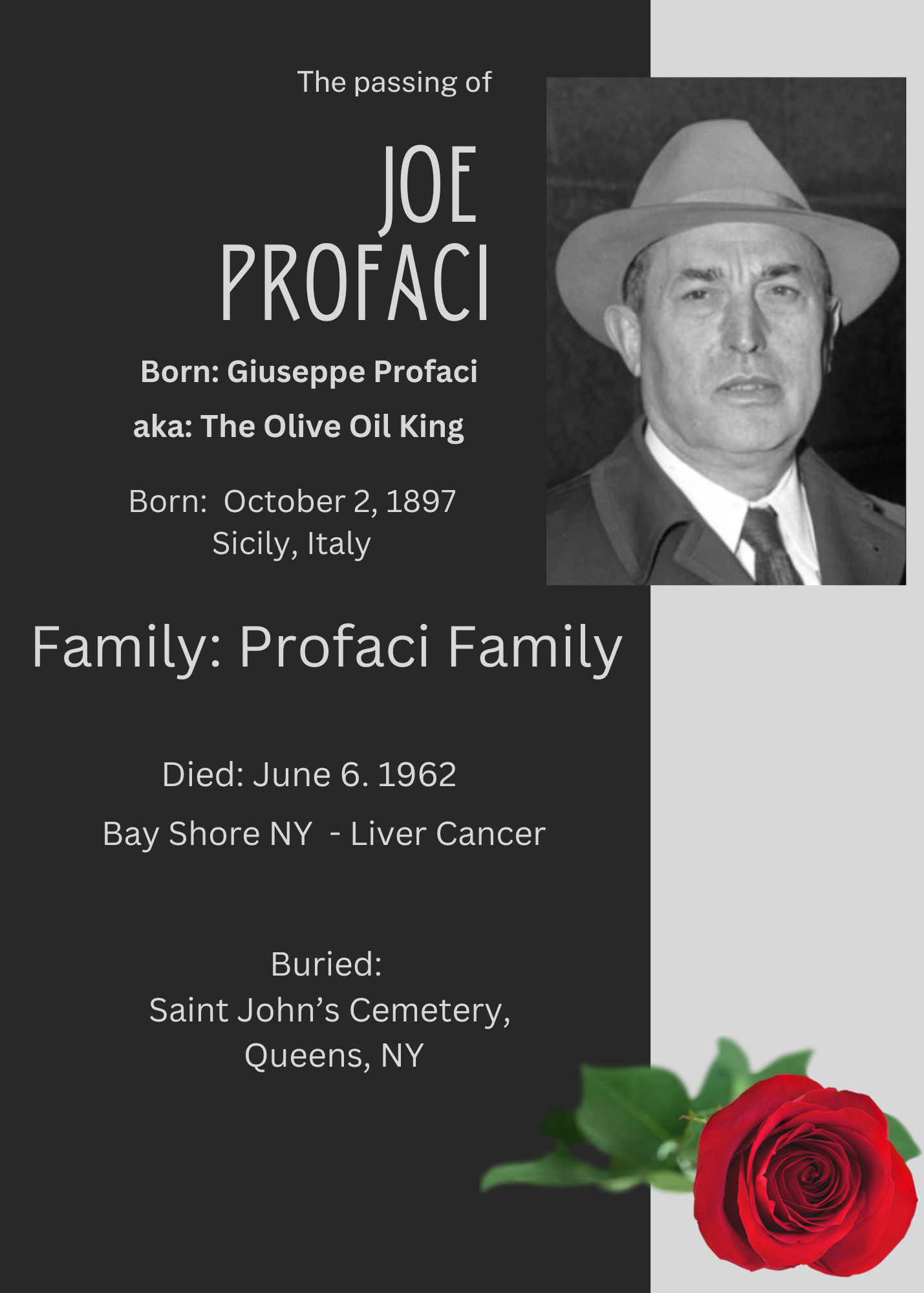
Joe Profaci was born Giuseppe Profaci in 1897 in Villabate, Sicily, a region deeply shaped by Mafia influence, agricultural poverty, and rigid codes of loyalty. Sicily during the late nineteenth and early twentieth centuries operated through systems of patronage and local power that blurred the lines between business, politics, and organized crime. Profaci absorbed those values early.
When he immigrated to the United States during the 1920s, he brought with him not only ambition but also an old-world understanding of authority. America was changing rapidly, but Profaci remained culturally tied to the traditions of Sicilian Mafia hierarchy.
He settled in Brooklyn and entered legitimate business ventures involving olive oil importing and food distribution. Like many early Mafia figures, he used legitimate businesses both as income sources and as shields for criminal operations.
By the end of Prohibition, Profaci had established himself as a rising Mafia leader within New York’s underworld. He was deeply religious, publicly generous to Catholic causes, and known for donating large sums to churches. Priests blessed his events. Politicians shook his hand. To outsiders, he could appear almost respectable.
But respectability and brutality often coexisted comfortably inside organized crime.
Building the Profaci Family
During the violent reorganization of the American Mafia in the early 1930s, younger gangsters like Charles “Lucky” Luciano transformed organized crime into a national syndicate governed through The Commission. Profaci emerged from this period with control of his own crime family, later known as the Profaci family and eventually the Colombo family.
Unlike Luciano, who embraced modernization and corporate efficiency, Profaci ruled more like a traditional Sicilian don. His leadership style emphasized tribute, hierarchy, and personal loyalty above all else.
Every capo beneath him was expected to kick up substantial portions of earnings regularly. Gambling, labor racketeering, loan-sharking, extortion, and hijacking operations generated enormous profits, much of which flowed directly upward into Profaci’s control.
Many Mafia bosses demanded tribute. Profaci demanded excessive tribute. That distinction mattered.
Over time, resentment inside his own family grew steadily. Soldiers and captains complained privately that Profaci enriched himself while expecting constant financial sacrifices from his men. Stories circulated about members being forced to pay for nearly everything—including special “taxes” imposed during weddings, holidays, and promotions.
Profaci viewed the complaints as weakness. To him, loyalty meant obedience without complaint.
Religion and Ruthlessness
One of the most unsettling aspects of Profaci’s reputation involved the contrast between his public religiosity and his criminal leadership. He attended Mass regularly. He donated to Catholic charities. Religious statues and imagery decorated his home and offices. Associates described him as deeply committed to traditional Sicilian Catholic values.
At the same time, he ordered violence against rivals, approved extortion schemes, and maintained power through intimidation. This contradiction was not unusual within organized crime culture of the era. Many Mafia leaders saw no inconsistency between religious devotion and criminal activity. In their worldview, loyalty to family, personal honor, and community identity often mattered more than legal morality.
Profaci reportedly justified harsh leadership as necessary discipline. Fear maintained order. And order maintained profit.
Still, beneath the surface, his family was beginning to fracture.
The Seeds of Rebellion
By the late 1950s, dissatisfaction within the Profaci organization had become dangerous.
Younger Mafia members increasingly viewed Profaci as greedy, outdated, and disconnected from changing realities inside organized crime. While other bosses modernized operations and distributed profits more strategically, Profaci continued demanding enormous tribute while living lavishly himself. Among the most frustrated figures was Joseph Gallo and his brothers.
The Gallos represented a younger, more aggressive generation of gangsters. They disliked Profaci’s rigid authority and believed the family leadership exploited its own members financially.
The conflict eventually exploded into open rebellion.
The Profaci War
Beginning around 1960, internal warfare erupted inside the Profaci family in what became known as the First Colombo War or the Profaci War. The violence shattered the image of Mafia unity.
Kidnappings, assassinations, attempted murders, and betrayals spread through Brooklyn and other parts of New York. Members who once operated under the same leadership suddenly hunted one another. At the center stood Profaci himself, stubbornly refusing to surrender authority.
The Gallos kidnapped several Profaci loyalists in an attempt to force negotiations and financial reforms. Temporary peace agreements appeared occasionally, but mistrust poisoned every truce.
Each ceasefire felt temporary because it was. Violence resumed repeatedly.
The war exposed deeper tensions within organized crime during the postwar era. Younger gangsters increasingly resisted old-world bosses demanding unquestioned obedience. The Mafia was evolving from a traditional Sicilian hierarchy into something more Americanized, profit-driven, and unstable. Profaci represented the old guard fighting to preserve absolute authority.
Illness and Decline
As the war dragged on, Profaci’s health deteriorated. He suffered from liver cancer while struggling to maintain control over a family descending into chaos. Even weakened physically, however, he refused to relinquish authority completely.
His determination reflected both pride and paranoia. In the Mafia world, stepping aside voluntarily could signal weakness. Weakness invited betrayal.
Law enforcement pressure also intensified during this period as federal authorities increasingly recognized the national scope of organized crime following events like the Apalachin meeting of 1957. The Mafia’s era of invisibility was ending.
Profaci died in 1962 before the conflict within his family fully resolved. Leadership eventually passed through a series of successors before the organization became known officially as the Colombo crime family under Joseph Colombo.
But the instability Profaci left behind never fully disappeared. Internal conflict continued haunting the family for decades.
The Legacy of Joe Profaci
Joe Profaci remains one of the clearest examples of the old Sicilian Mafia boss transplanted into America. He valued hierarchy over diplomacy. Tradition over modernization. Fear over consensus.
Unlike more polished underworld figures such as Frank Costello or more strategic financial operators like Meyer Lansky, Profaci ruled through obligation and tribute. His worldview resembled feudal loyalty systems more than modern corporate crime structures.
That leadership style created obedience for years. It also created rebellion.
The war inside his family foreshadowed a broader transformation within organized crime itself. Younger gangsters no longer accepted unlimited financial exploitation simply because tradition demanded it. Power inside the Mafia was becoming less ceremonial and more transactional.
Yet even critics acknowledged Profaci’s discipline and resilience. He maintained power for decades in one of the most violent criminal environments in America. He survived because he understood fear intimately.
Joe Profaci built a Mafia kingdom rooted in old-world Sicilian authority, religious symbolism, and relentless control. But by the time he died, the America around him—and the Mafia beneath him—had already begun changing into something he could no longer fully command.
Buried at: Saint John’s Cemetery, Queens, NY