From Back Room to Ballroom: How the Mafia Built Nightlife Empires
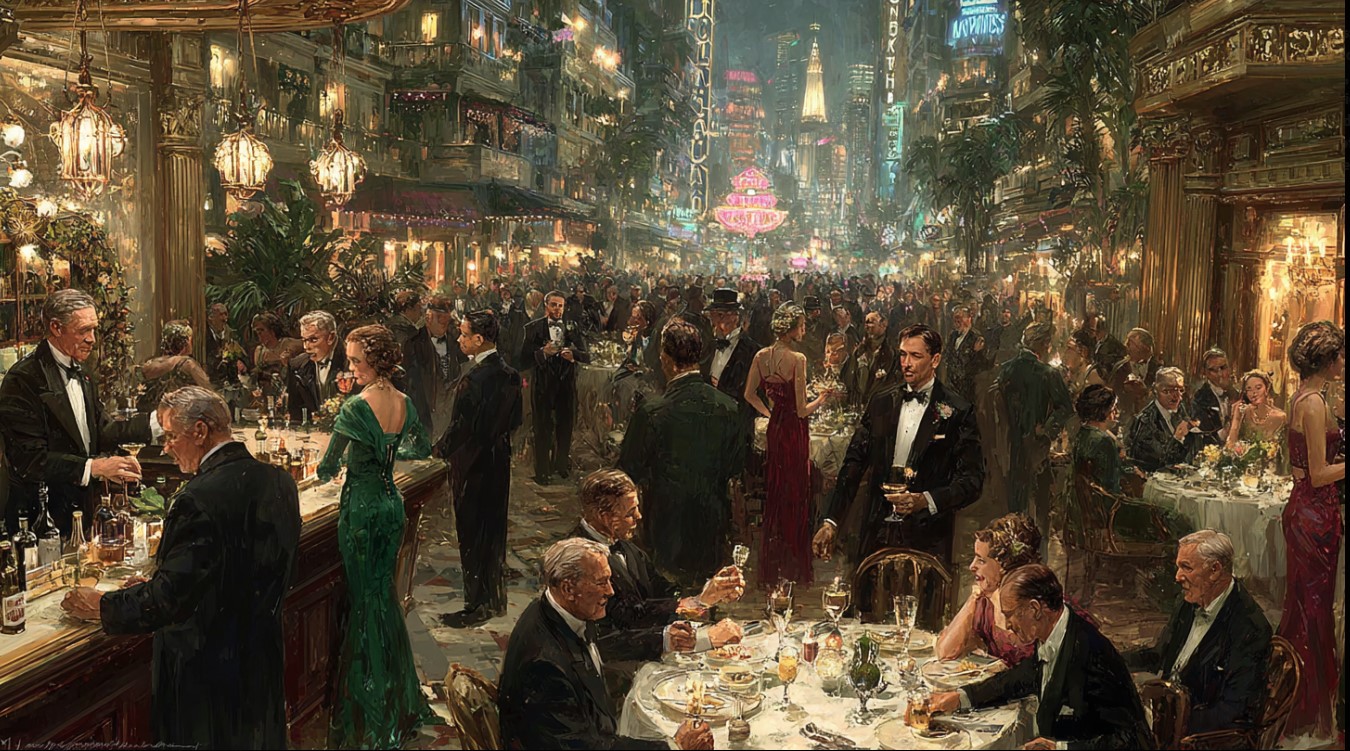
In the dim light of the 1920s, behind unmarked doors and tucked-away alleyways, a new form of nightlife emerged. The speakeasy had begun as necessity, a shadowy response to Prohibition. But necessity soon became opportunity, and opportunity became empire. The Mafia, long entrenched in bootlegging, gambling, and underground operations, recognized the cultural and financial potential of America’s growing thirst for entertainment. Jazz, cocktails, and glamour became tools not just for profit, but for influence. What began as a hidden back room in a Lower East Side building would eventually evolve into sprawling supper clubs, and decades later, the neon-lit ballrooms of Las Vegas.
Jazz Clubs: The Soundtrack of Organized Crime
In the 1920s, jazz was more than music; it was a cover for commerce and a currency of trust. In New York and Chicago, Mafia-backed jazz clubs offered an intoxicating mix of rhythm, secrecy, and opportunity.
Musicians played on makeshift stages while bootleg whiskey changed hands behind velvet curtains. Owners were often front men, with syndicate bosses pulling strings from the shadows. Decisions about shipments, territorial disputes, and alliances were made in whispered conversations over the clink of glasses.
Chicago’s famed Green Mill in Uptown became a hub for both music lovers and mob operatives. Patrons heard the saxophone but did not see the ledgers that tracked barrels of liquor or the quiet nods exchanged between enforcers. Every note masked more than melody—it masked transactions, negotiations, and the careful orchestration of empire.
Noir observation: The patrons were intoxicated by music and liquor, unaware that each step toward the dance floor was a step deeper into the shadow of organized influence.
| The Jazz Club Julep – Rhythm in a Glass |
Supper Clubs: From Liquor to Luxury
As the 1930s unfolded, mob influence expanded beyond small jazz rooms into supper clubs—venues combining fine dining, live entertainment, and discreet social maneuvering. These establishments were not just places to drink; they were theaters of power.
Ownership structures mirrored those of nightclubs: layers of silent partners, front men, and managers insulated the true operators. But supper clubs demanded a higher level of sophistication. Patrons were no longer only local businessmen; they were celebrities, politicians, and socialites. Every meal, every cocktail, every whispered deal contributed to a carefully curated image of legitimacy.
The Copacabana in Manhattan, often glamorized for its star-studded shows, was also a prototype of the mob’s dual strategy: visibility and invisibility. Its glittering chandeliers and polished floors drew crowds, while its back rooms facilitated money laundering, protection negotiations, and influence-building. The Mafia understood that controlling perception was as valuable as controlling cash.
Noir observation: Waiters memorized the faces of men who could ruin a business—or a life—with a nod. Cocktails were poured with precision, and every tip was a transaction not just of currency, but of trust.
| Supper Club Sidecar – Glamour Meets Strategy |
Vegas: The Sequel
If jazz clubs and supper clubs were the opening acts, Las Vegas was the long-awaited sequel. Post-World War II America embraced leisure and spectacle, and organized crime was ready.
The Mafia recognized that gambling, nightlife, and entertainment could be integrated into a highly visible, ostensibly legitimate empire. Figures like Bugsy Siegel spearheaded the development of the Flamingo, turning Las Vegas into a playground for the rich and curious.
Vegas represented both culmination and evolution. The city’s neon lights masked complex operations: casino management, money laundering, and syndicate coordination. The lessons of New York and Chicago—control over clientele, supply chains, and image—were writ large across the desert. Patrons sipped cocktails, watched performances, and believed they were merely spectators; the true power was in the invisible architecture of management and influence.
Noir observation: Every elevator ride, every hidden office, every cocktail menu was a carefully orchestrated move in a city designed to dazzle while concealing the calculations of organized crime.
| Flamingo Fizz – Vegas Emergence |
The Mafia’s Legacy in Nightlife
From jazz-soaked back rooms to the ballrooms of Las Vegas, the Mafia’s influence on nightlife reshaped American culture. These venues were not simply about illicit profit—they were lessons in brand, influence, and operational mastery.
- Jazz clubs taught discretion, loyalty, and the power of atmosphere.
- Supper clubs demonstrated the art of blending glamour with clandestine operations.
- Vegas codified these lessons into large-scale, legally ambiguous empires.
Cocktails were never merely drinks. They were instruments of storytelling, symbols of power, and markers of authority. Every pour, from the understated Old Fashioned to sparkling Champagne cocktails, carried meaning.
| Hostess’ Velvet Martini – Women in Control |
The Mafia’s empire-building in nightlife was as much about psychology and image as it was about cash and crime. Patrons were seduced not only by music or food, but by the invisible web of control that surrounded them.
| The Speakeasy Spritz – Legacy of the Hidden Bar |
References:
- Selwyn Raab, Five Families: The Rise, Decline, and Resurgence of America’s Most Powerful Mafia Empires
- T.J. English, The Corporation: An Epic Story of the Cuban Mob and the Rise of Modern Organized Crime
- Mark H. Haller, Bootlegging: The Business and Politics of Violence
- Daniel Okrent, Last Call: The Rise and Fall of Prohibition
- FBI Vault – Prohibition and Organized Crime Records, https://vault.fbi.gov
- The Mob Museum – Prohibition Era Research Archives, https://themobmuseum.org
- Library of Congress – Prohibition Primary Source Collections, https://loc.gov