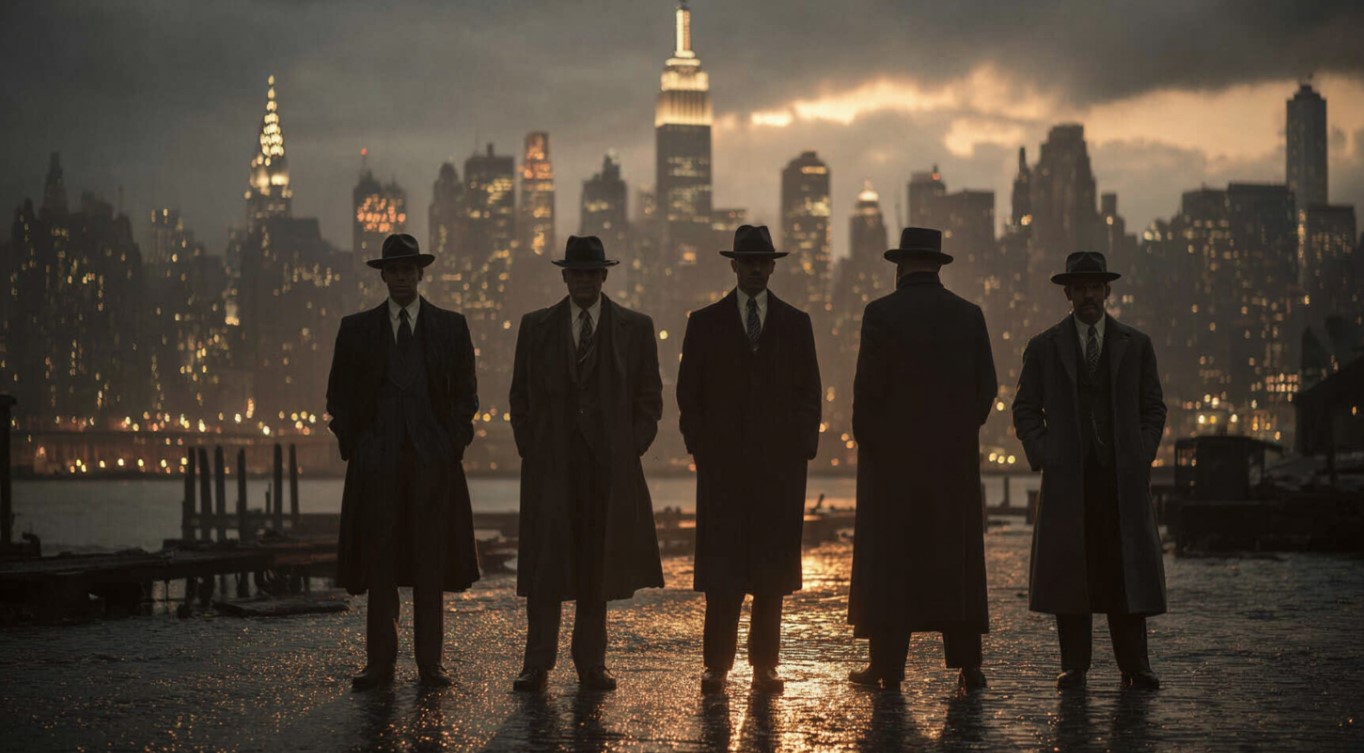
On January 17, 1920, America went dry on paper—and soaked itself in crime.
The Volstead Act outlawed the manufacture, sale, and transportation of alcohol. What it did not outlaw was desire. And in that vacuum between law and longing, the American Mafia found its footing, its fortune, and its flavor.
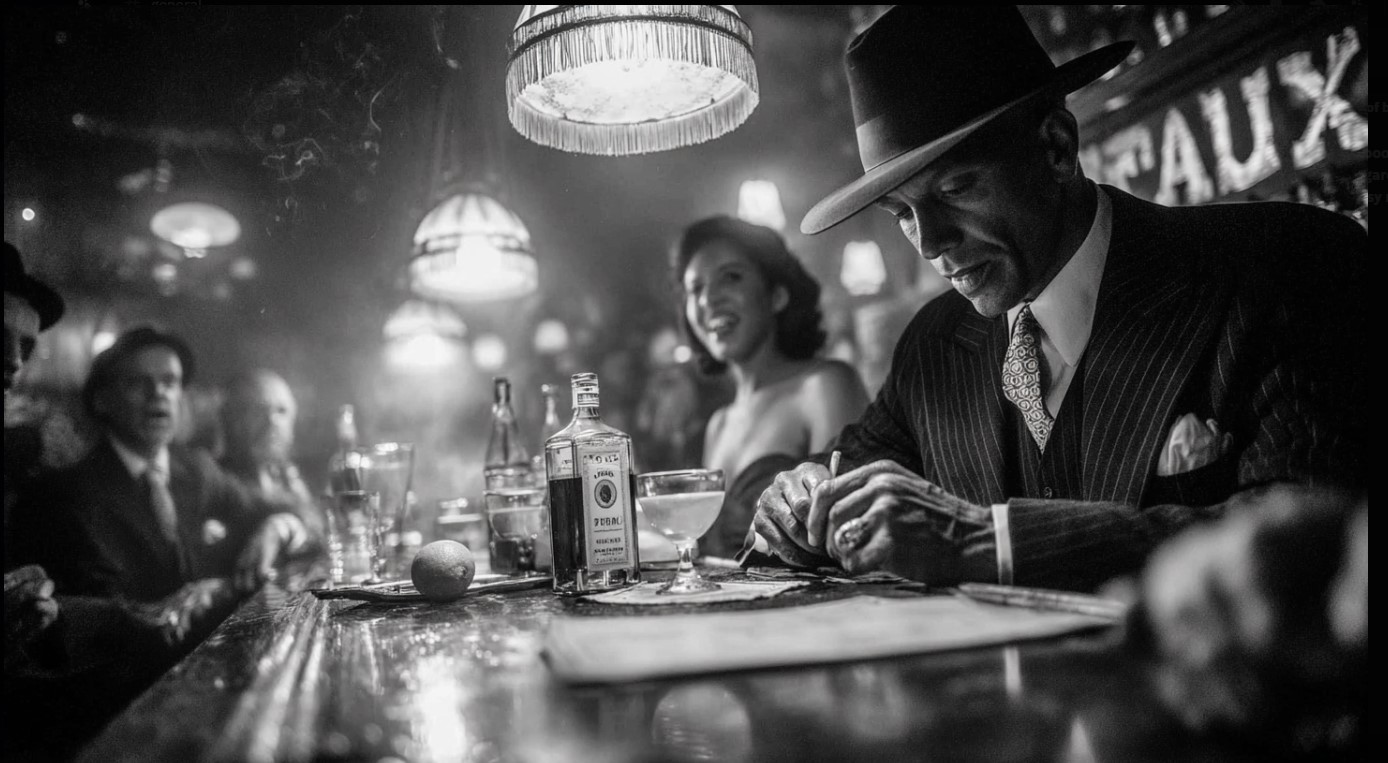
Prohibition didn’t just give rise to bootlegging. It built a parallel society: one of hidden doors, whispered passwords, mob-owned nightclubs, women who ran liquor routes in silk stockings, and cocktails mixed not just for pleasure, but for power. This was the era where organized crime stopped being street-level muscle and became a vertically integrated business—distribution, retail, protection, enforcement—all run from behind the bar.
To understand the American Mafia, you must understand Prohibition. And to understand Prohibition, you must step into the speakeasy.
A Nation That Drank Anyway
The temperance movement sold Prohibition as moral reform. What it delivered was a black-market economy estimated to be worth billions in today’s dollars.
Before 1920, alcohol was regulated, taxed, and visible. After Prohibition, it went underground—and so did the money. The federal government lacked the manpower, funding, and coordination to enforce the law. Local police were underpaid, easily bribed, and often enthusiastic patrons of the very establishments they were supposed to shut down.
This enforcement vacuum was the Mafia’s invitation.
Italian, Jewish, Irish, and homegrown criminal syndicates quickly realized that liquor was more profitable—and less risky—than extortion or gambling alone. Alcohol was universal. Everyone drank. And everyone knew where to find it.
The speakeasy became the storefront of organized crime.
Speakeasy Mob Connections: Bars as Criminal Infrastructure
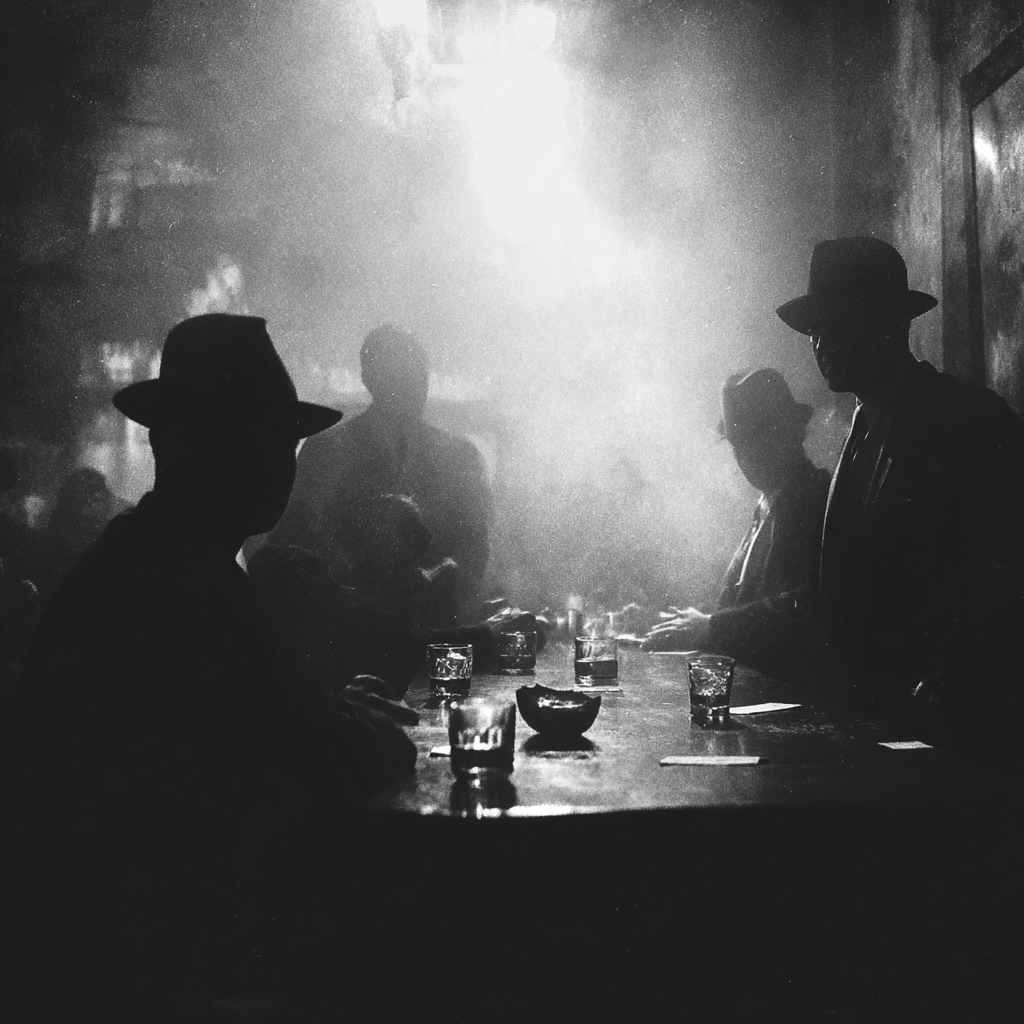
A speakeasy was more than a bar. It was a node in a criminal network.
Behind an unmarked door or a butcher shop façade, these clubs served as:
- Retail outlets for bootleg liquor
- Cash generators for syndicates
- Intelligence hubs where deals were made
- Recruitment centers for muscle and fixers
- Social clubs where politicians, police, and gangsters drank together
Mob-owned nightclubs weren’t hidden because they were illegal; they were hidden because they were valuable.
In New York City alone, estimates suggest there were between 20,000 and 30,000 speakeasies during Prohibition—many of them under mob protection or ownership. Some were dive bars with sawdust floors. Others were lavish supper clubs with orchestras, chorus girls, and imported champagne.
The Mafia understood branding before Madison Avenue did.
Luciano’s Blueprint: Turning Chaos into Corporate Crime
No figure shaped Prohibition-era organized crime more than Charles “Lucky” Luciano.
Before Luciano, gangs were fragmented, ethnic, and volatile. Violence was personal. Territory was unstable. Profits were inconsistent.
Luciano saw liquor differently.
He partnered across ethnic lines, most notably with Meyer Lansky and Benjamin “Bugsy” Siegel, creating an alliance that treated bootlegging like a supply chain. Canadian whisky came down through Detroit and Buffalo. Rum flowed in from the Caribbean. Distribution was mapped. Profits were split. Violence was regulated.
Speakeasies became franchises.
Luciano’s innovation wasn’t brutality—it was restraint. He understood that a quiet bar made more money than a loud war. Under his system, mob-owned nightclubs paid protection fees, received steady liquor shipments, and operated with minimal interference. Police raids became scheduled inconveniences, not existential threats.
This was the birth of modern organized crime.
Mafia Cocktail History: Why the Drinks Mattered
Prohibition didn’t just change who sold alcohol—it changed how people drank it.
Much of the liquor was poorly distilled. Harsh. Inconsistent. Sometimes dangerous. To mask the taste, bartenders got creative. Citrus, sugar, bitters, vermouth—cocktails flourished not despite Prohibition, but because of it.
This is the forgotten truth of mafia cocktail history:
The mob didn’t just distribute liquor. They refined American taste.
Classic drinks like:
- The Bee’s Knees
- The Southside
- The Mary Pickford
- The French 75
…weren’t just fashionable—they were functional. They made bad booze palatable and good booze prestigious.
Mob-owned nightclubs competed on atmosphere and mixology. A well-made cocktail signaled quality supply. Quality supply signaled powerful connections. Powerful connections kept the door open.
In the speakeasy, the drink in your hand told everyone who ran the room.
Gangster Favorite Drinks: Power Poured Neat
Gangsters drank like they lived—deliberately.
While Hollywood often paints mobsters as perpetual whiskey guzzlers, tastes varied. Many favored simple, direct drinks that projected control.
Common gangster favorite drinks included:
- Scotch and soda – clean, respectable, quietly expensive
- Rye whiskey – traditional, American, unpretentious
- Champagne – status, celebration, and foreign cachet
- Vermouth-heavy cocktails – popular among Italian gangsters
Frank Costello, known as “The Prime Minister of the Underworld,” preferred refinement over excess. Meyer Lansky drank sparingly, if at all—control mattered more than indulgence. Bugsy Siegel favored glamour: champagne, cocktails, and high-society bars.
Drinking was never just leisure. It was theater.
Women in the Mafia Nightlife: Power in Heels
The Prohibition era gave rise to a group history often overlooked: women in the mafia nightlife.
They were:
- Speakeasy owners
- Bootleg couriers
- Hostesses who managed rooms and relationships
- Smugglers who exploited gender assumptions
- Social connectors between criminals and elites
Women like Texas Guinan, a former silent film actress, became speakeasy royalty. Her clubs were magnets for gangsters, celebrities, and politicians alike. She didn’t just serve drinks—she curated a scene.
Female bootleggers ran liquor across state lines in baby carriages and false-bottom purses. Women managed books, laundered money, and gathered intelligence simply by being underestimated.
In a world where men drew guns, women often held the keys.
Prohibition blurred traditional gender roles—not ideologically, but economically. Crime paid, and women who understood nightlife culture thrived within it.
Mob-Owned Nightclubs: Where Crime Went Legit (Enough)
Some speakeasies were holes in the wall. Others were proto-nightclubs that rivaled pre-war luxury.
Mob-owned nightclubs featured:
- Jazz orchestras
- Dance floors
- Private dining rooms
- VIP sections for politicians and judges
- Imported liquor for elite guests
These clubs functioned as laundering machines. Cash flowed in nightly. Expenses were flexible. Profits could be inflated or hidden. A successful club made its owner respectable—or at least untouchable.
By the late 1920s, some mob figures were indistinguishable from legitimate businessmen. They wore tailored suits, attended charity events, and drank publicly in private rooms.
The speakeasy was organized crime’s finishing school.
Violence, Yes—but Controlled
Prohibition is remembered for violence: drive-by shootings, bombings, gang wars. But the truth is more nuanced.
Violence was bad for business.
The most successful syndicates minimized bloodshed. Killings drew attention. Attention invited federal involvement. The goal wasn’t chaos—it was continuity.
The Mafia’s genius during Prohibition was understanding that restraint was more profitable than terror. Wars happened when negotiations failed, not as policy.
The speakeasy rewarded subtlety.
The End of Prohibition—and the Beginning of Permanence
When Prohibition was repealed in 1933, many believed organized crime would collapse.
It didn’t.
The Mafia had already diversified. Gambling. Unions. Construction. Narcotics. The infrastructure built during Prohibition—corrupt officials, money laundering systems, interstate networks—didn’t disappear. It adapted.
Liquor legalized the Mafia’s rise, but it didn’t legalize its exit.
What Prohibition did was prove a theory: crime thrives where law ignores human behavior. The American Mafia was no accident. It was a response.
Why Prohibition Still Matters
Prohibition is not just history. It is a blueprint.
Every modern black market—from narcotics to gambling to cybercrime—follows the same pattern:
- Demand is universal
- Supply is restricted
- Enforcement is inconsistent
- Organized crime fills the gap
The speakeasy is gone, but the lesson remains.
And the cocktail? It endures.
Every time a bartender pours a classic Prohibition-era drink, they’re serving a piece of criminal history—polished, strained, and dressed in citrus.
Final Pour: Crime, Culture, and the Glass Between Them
Prohibition didn’t invent the American Mafia. But it gave it structure, legitimacy, and a public face.
Behind every frosted glass was a network. Behind every jazz band was a payoff. Behind every “innocent” drink was a criminal enterprise sophisticated enough to survive the law that created it.
This is the world CrimeAndCocktails.net documents—not to glorify crime, but to understand how culture, corruption, and consumption shaped modern America.
The mob didn’t just run the speakeasy.
They built the room.
References & Sources
- Federal Bureau of Investigation (FBI Vault) – Prohibition & Organized Crime Files
https://vault.fbi.gov - The Mob Museum – Prohibition & Organized Crime Archives
https://themobmuseum.org - U.S. National Archives – Volstead Act & Prohibition Enforcement Records
https://archives.gov - Selwyn Raab, Five Families: The Rise, Decline, and Resurgence of America’s Most Powerful Mafia Empires
- Robert Lacey, Little Man: Meyer Lansky and the Gangster Life
- T.J. English, Paddy Whacked and The Corporation
- Mark H. Haller, Bootlegging: The Business and Politics of Violence
- Library of Congress – Prohibition Primary Source Collections
https://loc.gov - Imbibe Magazine – Historical Cocktail Archives
https://imbibemagazine.com - Punch – Cocktail History & Culture
https://punchdrink.com